.webp)

To pick the best metal cutting disc, you need to know what materials you need to cut, where you will be working, and how well you want the disc to perform. A metal cutting disc made for making things out of structural steel is very different from one made for cutting stainless steel or aerospace-grade materials. When purchasing abrasive cutting wheels, procurement workers should look at the abrasive makeup, such as whether it is made of aluminum oxide, silicon carbide, or zirconia alumina. They should also look at the reinforcement structure, thickness specs, and RPM ratings. When you match these technical specs to the number of cuts you want to make, the strength of the metal, and the quality of finish you want, you get the best cost-per-cut efficiency while still meeting safety standards at work. This detailed guide goes over the most important selection factors that should match your business needs and budget.
Understanding Metal Cutting Discs
Metal cutting discs are specialized grinding tools that are bound together and are made to cut through ferrous and non-ferrous metals using controlled high-speed friction. Instead of physically chipping away material like regular saw blades do, these discs use abrasive grains inserted in a phenolic resin matrix and strengthened with woven fiberglass layers to handle the high centrifugal forces that happen during use.
Cutting vs. Grinding: Core Functional Differences
A lot of procurement professionals get cutting discs and grinding discs mixed up at first, but they are used for very different things. Cutting discs have thin shapes that are best for straight radial cuts with little material loss. Their thickness ranges from 0.8 mm to 3.2 mm. On the other hand, grinding wheels are at least 6 mm thick and are made to handle side pressure during operations like surface preparation, deburring, and shaping. When you use a cutting disc for side grinding, the thin support can't handle the horizontal stress, so the whole thing could fail. Knowing this difference keeps tools from breaking and keeps people from getting hurt while making sure each tool does its job.
Disc Types and Material Compositions
The abrasive business has a number of disc types that are designed to meet the needs of different industries.
Aluminum Oxide Discs: Brown fused alumina offers a great mix of price and performance for uses in carbon steel and mild steel. This formulation is most common in general manufacturing settings where purchasing managers value longevity over specific performance. White fused alumina types are used to handle stainless steel and make clean cuts that are necessary for making medicinal and food-grade products.
Zirconia Alumina Discs: These are the best choices because they last longer and can handle high-alloy materials, hardened steel, and exotic metals. The self-sharpening grain structure keeps cutting efficiency higher than regular aluminum oxide, which makes the higher original cost worth it because the tool lasts longer.
Silicon Carbide Discs: These discs are ideal for cutting non-ferrous metals like copper, brass, and aluminum because they keep the cutting action clean on softer materials that would otherwise clog the aluminum oxide grains.
Cutting discs from Ebuy Tools for abrasive cutting disc are made from all of these types of materials. They use modern grain and bond systems that minimize heat-affected zones and increase the rate of material removal. Our very thin cut-off wheels cut quickly while making little to no noise, dust, or material loss, which are all very important in precision machine settings.
Key Specifications That Impact Performance
For disc picking to go well, you need to look at more than just the width and other technical factors. Cutting speed and horizontal stability are directly related to disc thickness. Thinner discs cut faster and waste less material, but they need to be handled more steadily. Thick discs, on the other hand, are better for heavy-duty uses because they are more rigid. RPM rates set safe operating speeds; going over these limits could cause the disc to fail completely. At our factory, each disc is tested for burst speed at 1.5 times its rated RPM. This makes sure that the structure stays strong when it's under working stress.
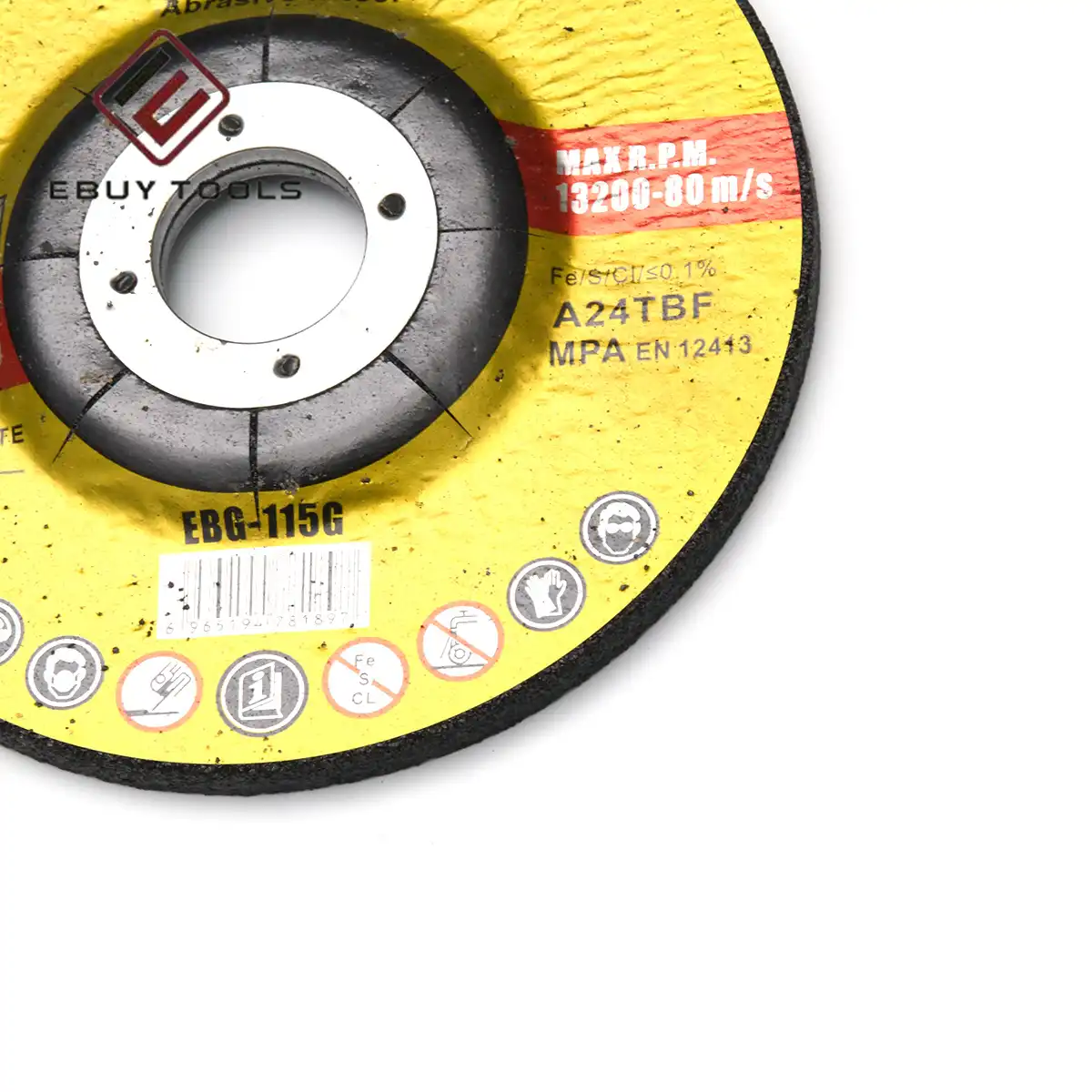
During difficult cuts, safety gaps are set by the reinforcement design. The double fiberglass mesh construction is good for most uses, and the triple-layer support, which comes standard on Ebuy Tools' professional-grade discs, lets you work safely at speeds of up to 80 meters per second. This better safety rating makes procurement managers who are in charge of workplace compliance less worried about their responsibility.
Criteria for Choosing the Right Metal Cutting Disc
To choose the best abrasive cutting options, you need to carefully look at practical factors and purchasing goals. The following framework helps business-to-business buyers make this choice.
Material Type and Hardness Considerations
The abrasive makeup needs to be based on the material of the workpiece. Standard aluminum oxide formulas work well with carbon steel and structural steel, giving consistent results at reasonable costs. INOX-specification metal cutting disc options made of stainless steel must have less than 0.1% total iron, sulfur, and chlorine. This stops contact corrosion that weakens surfaces used in food-grade and medicinal settings.
Zirconia alumina or ceramic grain technologies are needed for high-tensile metals, titanium, and steel that has been heated and shaped. When working with harder materials, these improved abrasives keep their sharp cutting edges for longer, which cuts down on the time needed to change discs during production runs. Maintenance on pipelines and working abroad add to the complexity, so you need bond formulations that don't dissolve in water and stay strong even when the temperature changes and the material is exposed to saltwater.
Cutting Frequency and Production Volume
Flexible mid-range discs that balance cost and performance are useful for job shops that work on a variety of projects. Premium discs with better G-ratios should be the first choice for high-volume producers with ongoing production lines. G-ratio is a measure of metal removal volume compared to disc wear. Higher G-ratios immediately lead to lower cost-per-cut numbers, which more than make up for the higher original buy costs because the tools last longer.
Ebuy Tools can make 150,000 pieces every day, which makes sure that large-scale businesses always have what they need. Our R&D staff works with procurement teams to find the best disc standards for each production setting. They often come up with custom solutions to solve problems that only happen in that environment.
Safety Certifications and Compliance Standards
International safety guidelines for metal cutting disc are very important for making sure that the quality is good. Certification according to EN 12413 shows that the product is safe for the European market, and membership in the oSa (Organization for the Safety of Abrasives) shows that the producer is committed to strict testing methods. Getting ISO 9001 approval shows that you handle quality in a planned way, which lowers the differences between batches of products.
When evaluating suppliers, procurement workers should check these certificates, as discs that aren't certified face big liability risks. Static and dynamic balance testing are part of our quality control system. They stop dangerous vibrations that speed up equipment wear and put workers' safety at risk. Before leaving our 77,000-square-meter building, every disc goes through a lot of tests to make sure it works the same way everywhere it's sold.
Balancing Cost-Effectiveness with Tool Compatibility
Equipment compatibility affects disc choice in more ways than just meeting the hole size. Different types of stress are put on discs by angle grinders and chop saws. Handheld grinders need discs with better balance, while fixed saws can handle small flaws because they are mounted rigidly. Type 42's depressed center shapes make it possible to make cuts at an angle, while Type 41's flat curves increase the cutting depth for straight jobs.
Some buyers choose economy-grade discs because they are cheaper, but a total cost study often shows that this is not the best deal. In high-volume operations, the benefits of premium discs that cut faster, last longer, and reduce machine downtime are greater than the changes in price per unit. Our expert team helps buyers figure out the real cost-per-cut by looking at things like purchase price, cutting speed, disc life, and how much work is needed.
Procurement and Supply Chain Insights for B2B Clients
The total cost of ownership for a metal cutting disc is affected by strategic buying choices in more ways than just the purchase price.
Online Bulk Purchasing vs. Local Distribution
When you deal directly with a manufacturer for abrasive cutting disc, you avoid the markups that come from distributors and get expert help from engineering teams that know how the production process works. Online sites for buying things make ordering easier and offer clear prices, but local distributors can get you product right away if you need it quickly. Smart buyers use a mix of tactics, building relationships with both major manufacturers and local distributors for planned purchases and in case of emergencies.
Our export-focused infrastructure at Ebuy Tools works with both types of buying models. Our big production capacity lets us handle large orders with reliable delivery times, and our network of distributors gives us entry in many regions. This adaptability lets different customers' tastes be met without lowering quality or making prices less clear.
Certification Verification Strategies
Real approval needs more than just what the provider says. Requesting copies of ISO certificates, test records, and audit results from a third party validates claims of compliance. Verification of truth is done by comparing license numbers with the organizations that issued them. This extra care keeps you safe from fake goods that could hurt worker safety and legal compliance.
As part of our dedication to foreign standards, we follow EN 12413 and keep detailed records of our quality work. We offer certification packages that meet the audit needs of our customers and make the approval process for purchases easier. This level of openness builds trust in ways that go beyond single deals.
Logistics and After-Sales Considerations
Shipping prices and lead times affect how much goods to keep on hand. When packages are combined, the cost of freight per unit goes down, but more operating capital and storage space are needed. By looking at trends of usage, you can find the best order frequencies that balance these different factors. Reliable sources keep wait times constant, which lets you use lean inventory strategies that cut down on costs without risking running out of stock.
Support after the sale is what sets professional sellers apart from commodity providers. Technical advice helps figure out what's wrong with speed problems and often leads to operational changes that fix the problem without having to send the product back. Our tech team is always available to talk to customers and offer ongoing improvement advice as production needs change. This partnership-based approach generates value that goes far beyond the original purchases.
Conclusion
When choosing the right metal cutting discs, you have to weigh technical specs against working needs and price limits. By knowing about things like material compatibility, safety standards, and total cost, you can make choices about purchases that are best for both performance and cost. Differences in disc types, abrasive makeup, and support structures have a direct effect on how well tools cut, how long they last, and how safe the workplace is. Ebuy Tools offers professional-grade abrasive solutions backed by strict quality control and quick customer service. They make their products on a large scale and have a lot of technical knowledge. Either your business needs very thin, precise discs for making aerospace parts or heavy-duty wheels for making structural steel, using this guide's criteria to organize your buying process will help it work well in the long run.
FAQ
Can metal cutting discs effectively cut stainless steel without quality degradation?
Specialized metal cutting discs made to INOX specifications cut stainless steel well without contaminating the work. Standard discs have iron fillers that rust on stainless steel surfaces when they come into contact with other materials. This makes the stainless steel less resistant to rusting in food-grade and medicinal settings. When used on corrosion-resistant metals, white fused alumina abrasives make clean, exact cuts without adding ferrous contaminants. When looking for discs for stainless steel uses, procurement requirements should make it clear that the formulations must be free of contamination.
What are the main changes between grinding discs and cutting disks?
Cutting discs have thin curves that are only meant to handle radial cutting forces. Grinding discs, on the other hand, are much thicker so they can handle horizontal pressure while the surface is being prepared. When cutting tools are used for grinding, the reinforcement strands are stripped away, which leads to catastrophic failure. The structures are made to handle very different types of mechanical stress. Cutting discs remove material best by going through the thickness of the workpiece, while grinding discs remove material from the surface by touching it on the side. To make sure safety and efficiency, the tools you choose must be right for the job.
How can I make sure that a disc will work with a certain angle grinder?
To make sure they are compatible, three specs must be matched: the bore size, the highest RPM rate, and the disc width. The arbor hole needs to be the exact size of the grinder wheel. Common sizes are 16mm and 25.4mm. To avoid overspeed failure, the disc's highest RPM must be equal to or higher than the grinder's no-load speed. The cutting depth and torque needs are affected by the disc's width. Equipment guides list the disc types that are compatible, and disc labels list important information. Do not change discs to work with equipment that is not suitable; doing so lowers the safety gaps.
Partner with Ebuy Tools for Your Metal Cutting Disc Requirements
Ebuy Tools is ready to help you buy cutting tools by designing professional-grade metal cutting disc solutions in our state-of-the-art 77,000-square-meter factory. As a dedicated metal cutting disc provider, we can offer direct pricing without adding any markups for distributors. We can also produce 150,000 pieces every day, so we can keep a steady supply of discs for busy operational plans. We encourage procurement workers to talk to our expert team about unique application needs. They can then suggest the best disc specifications based on your materials, tools, and performance goals. You can email us at [email protected] to get technical specs, certification paperwork, or sample evaluation units that you can use in your own production setting to show that our quality standards are met.
References
American National Standards Institute (ANSI). "Safety Requirements for the Use, Care, and Protection of Abrasive Wheels." ANSI B7.1 Standard for Industrial Grinding Operations.
International Organization for Standardization. "Abrasive Products – Bonded Abrasives – Safety Requirements." ISO 12413:2018 Technical Specifications.
Marinescu, I.D., Rowe, W.B., Dimitrov, B., and Inasaki, I. "Tribology of Abrasive Machining Processes." William Andrew Publishing, 2nd Edition.
Klocke, F. "Manufacturing Processes 2: Grinding, Honing, Lapping." Springer-Verlag Berlin Heidelberg, RWTH Edition.
Society of Manufacturing Engineers. "Fundamentals of Cutting Tool Selection and Application." SME Technical Paper Series on Metal Removal Processes.
European Committee for Standardization. "Abrasive Products – Safety – Bonded Abrasive Products." EN 12413 Compliance Guidelines for Industrial Applications.