.webp)

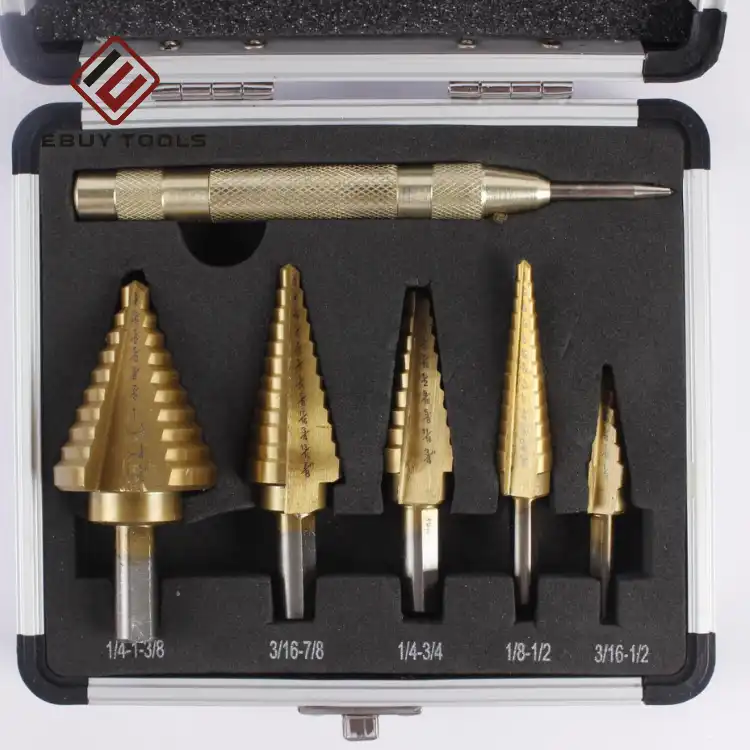
When it comes to multi-diameter drilling in industrial factory settings, HSS step drill bits have changed everything. When changing tools, these specialized cylindrical tools can help with the problem of losing efficiency. They can also be used very precisely on sheet metal, stainless steel, and non-ferrous materials. Our 15-step HSS step drill bit, which can drill holes with diameters from 4 to 32 mm, has a spiral flute design that prevents workpiece deformation and the formation of burrs. This makes it an essential tool for precision machining shops, auto parts manufacturers, and HVAC fabricators looking for cost-effective tooling solutions.
Understanding HSS Step Drill Bits: Composition, Sizes, and Functions
Material science and geometry efficiency are at the heart of the engineering that goes into making HSS conical drilling tools. In comparison to regular twist drills, these HSS step drill bits are a big improvement because they combine several tasks into a single tool.
Material Composition and Hardness Characteristics
Professional grade HSS step drill bits are made from high-speed steel alloys, especially HSS 4241 grade. Through careful heat treatment steps, the material gets a hardness value of between 62 and 64 HRC. This amount of hardness gives you the wear protection you need to drill through steel materials over and over, even tough stainless steel grades. Even when temperatures rise during constant operation, the molecular structure of HSS keeps its toughness. This keeps edges from breaking too soon. In modern factories, controlled tempering processes are used to find the best balance between hardness and toughness. This makes sure that the HSS step drill bit can handle horizontal stress without breaking.
The triangular shank shape that these tools have is used for two different things. As long as the replaceable adapters are still compatible, it keeps the chuck from slipping during high-torque tasks. This feature is especially useful when workers work with different types of drills, from handheld units to fixed press equipment, without having to make any special changes to the tools they use.
Step Increments and Size Selection
Choosing the right HSS step drill bit configurations has a direct effect on how well the process runs and how good the holes are. With 15 steps ranging from 4 to 32 mm, this design meets the widest range of business needs. Each step is a carefully determined rise in diameter that lets the tool move smoothly through material without using too much cutting force. Unlike regular drills that need sample holes, the self-centering shape doesn't need any preparation work. The conical shape naturally leads the cutting edge into the workpiece, which makes the user less tired and improves the accuracy of their position.
Matching step increments are very helpful for sheet metal makers who work with gauge widths between 18 and 22. By gradually increasing the width, the material doesn't bend and triangular holes don't form, which are problems that often happen with traditional drilling methods. To get the most out of their HSS step drill bits across all projects, procurement managers should look at their most common hole size needs and make sure that the step intervals match up with technical specs.
Functional Advantages in Demanding Environments
The spiral-shaped flute design makes it easier for chips to escape, especially when cutting through metals. During use, the flutes move bits of material away from the cutting zone so that heat doesn't build up and the cutting performance stays the same. When working with stainless steel, this is very important because chip welding to the cutting edge can quickly wear down the tool.
Stepped shape automatically removes burrs, so there is no need for extra finishing work. The trailing edge chamfers the hole opening as the bit moves through each diameter increase. This gives you clean, professional results. Manufacturers say that moving from drilling and hand-deburring to single-pass processes with HSS step drill bits saves an average of 40% of time. These increases in efficiency directly lead to lower labor costs and faster processing in places where a lot of products are made.
Comparing HSS Step Drill Bits with Alternative Drill Bit Types
To make good choices about what to buy, businesses need to know how different types of cutting tools work in a range of situations. Choice of material, coating methods, and geometric patterns all affect how well something works in certain industrial situations.
Performance Characteristics Across Material Grades
Standard HSS recipes work great with aluminum, brass, mild steel, and plastic for general-purpose tasks. The HSS 4241 formula works well and doesn't cost too much, so it's good for job shops that work with a variety of materials. When production needs to switch to harder materials like stainless steel series 304 or 316, cobalt-enhanced versions (M35 with 5% cobalt) show better heat protection and longer tool life.
When making things with more than a thousand holes, carbide HSS step drill bits are the best because they don't wear down as easily. However, because they are weak, they can chip when cuts are stopped or when they are stressed laterally. Titanium nitride layers put on HSS bases close the performance gap. They make the surface harder and reduce friction without the fragility issues that come with full carbide construction.
Precision and Efficiency Comparison
When compared to normal twist drills, HSS step drill bits completely change how work is done because they can be used with different diameters. One HSS step drill bit can be used instead of up to 15 different drill sizes, which greatly cuts down on setup time and the number of tools that need to be kept on hand. Machine shops say that this combination makes it easier to keep track of tools and lowers the chance of making mistakes with measurements because they chose the wrong drill.
Concentricity accuracy is another important factor that sets them apart. When quality HSS step drill bits are made to ISO standards, they keep tight tolerances across all width levels. This makes sure that the holes are always round. This is especially helpful when putting together an electrical panel because cable gland fits need exact circle holes to work properly. When drilling through thin materials, standard twist drills often make holes that are slightly circular, which means that the holes need to be enlarged or reworked.
Brand Reliability and Supplier Reputation
Companies with good names, like DEWALT and Bosch, have built theirs through constant quality control and performance validation. These brands usually do a lot of tests on a wide range of materials and give out full application charts that help people choose the right tools. Cutting tool makers, on the other hand, often achieve similar or even better performance through focused research and development programs.
This specific method is shown by Danyang Ebuy Tools Co., Ltd. Our 77,000-square-meter factory has state-of-the-art grinding machines and 319 skilled workers whose only job is to make cutting tools. Our product lines can make more than 150,000 pieces every day, and we follow strict quality standards to make sure that every bit meets the required levels of hardness, concentricity, and geometric accuracy. We can offer industrial-grade performance on this factory scale while still being able to make changes as needed for specific uses.
How to Use and Maintain HSS Step Drill Bits for Maximum Efficiency?
The right way to use and take care of tools will make them last much longer and make sure the quality of the holes is always the same. Understanding how to work with different types of materials and spotting signs of wear can help you get the most out of your manufacturing purchase.
Optimal Drilling Techniques for Various Materials
When drilling stainless steel, you need to pay close attention to the speed and feed settings. When you run at too high of a spinning speed, you create heat that hardens the material's surface, making a barrier that speeds up tool wear. For HSS step drill bits, the recommended speeds are usually between 400 and 600 RPM, which are much slower than the rates used for mild steel. By applying steady, firm pressure throughout the cut, you keep the bit from rubbing instead of cutting, which also helps the work strengthen.
When working with metal materials, using cutting fluid makes a huge difference in how well the tool works and how long it lasts. Lubrication lowers friction at the cutting edge and gets rid of heat at the same time. For general steel drilling, cutting oils that dissolve in water work great. For hard-to-machine metals, however, specialized stainless formulas with sulfur additives work best. Even intermittent application, which means stopping every few seconds to add fluid, is better than cutting fully dry.
Paying close attention to placement and initial contact is needed to start the hole. The self-centering split-point design keeps the bit from moving, but if you don't secure the workpiece well, it can't move, which could bend or break the bit. Putting a backing board under thin materials gives them extra support, stops them from deforming at the breakthrough, and extends the life of the tool by lowering the pressure load during the final entry.
Preventive Maintenance and Cleaning Protocols
Chips building up in the flutes makes cutting less effective and causes heat to build up. It is easier to keep up with upkeep if HSS step drill bits are cleaned right away after use, before metal pieces oxidize and stick to the steel surface. A metal wire brush gets rid of dirt and grime well without hurting the coating or cutting edges. Do not use steel brushes because they can damage protection coats and create stress points that cause things to break before they should.
How tools are stored affects how ready they are to use and how long they last. HSS step drill bits should be kept in boxes or binders that keep the cutting edges from touching each other. Controlling humidity is especially important for tools that aren't covered, because surface rust can make them look bad and make them less effective at cutting. In most industrial settings, putting on a thin layer of rust-preventive oil before storing something for a long time is enough to keep it safe.
Inspections done on a regular basis find issues as they start to appear before they affect the quality of the work. Look closely at the cutting edges to see if they are chipping, rounding, or building up. If wear patterns are regular, it means they were used correctly. If they are not, it means there are problems with alignment or skill. Using precision tools to measure step sizes makes sure the bit stays within the specs, which is especially important for tasks that need to be precise.
Troubleshooting Common Issues
When drilling, excessive shaking usually means that the speed settings are wrong or the HSS step drill bit is bent. Bits get bent when they are used or when they are stored incorrectly and side force is applied. Even small bends cause vibration, which lowers the quality of the holes and speeds up wear. A visual check along the length shows clear bends, and test drilling in scrap metal proves that it works smoothly.
Rapid dulling could mean that the speed and feed aren't right or that the work is getting harder because there isn't enough pressure. When you work harden something, you make a very hard layer on top that quickly dulls cutting edges. If this happens, the HSS step drill bit might need to be replaced because trying to cut through material that has been stiffened by work speeds up the damage. Dealing with the effects of work hardening is much more expensive than stopping it from happening in the first place.
Different hole diameters in different pieces show that the HSS step drill bits are worn out or that the material is expanding during use. By measuring holes right after drilling and again after cooling, you can see if temperature effects cause changes in size. Choosing covered bits with lower friction coefficients reduces the amount of heat that is produced, which makes the dimensions more stable during large-scale production runs.
Procurement Guide: How to Select and Buy High-Quality HSS Step Drill Bits?
When you strategically source conical drilling tools, you have to weigh the technical requirements against the needs of your operations and your budget. Figuring out how quality factors relate to long-term costs helps people make smart buying choices.
Material Compatibility and Application Assessment
Effective buying starts with matching the specs of the tools you need to the materials you use most often. Standard HSS 4241 formulas work perfectly for facilities that mostly work with plastics, light steel, and non-ferrous metals. This grade's mix of hardness and toughness makes it good for everyday tasks, and the low price makes it easy to buy in bulk.
Operations that use a lot of stainless steel make it worth investing in HSS step drill bits that are improved with cobalt. The high red hardness of M35 compositions keeps the cutting edge strong at the high temperatures that are needed to machine these tough materials. Even though unit costs are about 60–80% higher than normal HSS, per-hole costs are usually cheaper in stainless uses because the tools last longer. To find the real value, procurement managers should figure out how many holes are expected to be made by each HSS step drill bit by using the material's strength and width as guides.
The difference in efficiency between straight and spiral flute shapes depends on the type of application. Spiral designs are better at getting rid of chips, which is especially helpful when drilling deeper holes or dealing with materials that make chips that keep coming out. Straight flutes make resharpening easier for places that can take care of their own tools, but the complicated geometry of HSS step drill bits makes it hard to sharpen by hand even with straight designs.
Volume Requirements and Kit Selection
Businesses with specific needs or that want to add certain sizes to their stock can buy HSS step drill bits one at a time. Complete kit setups cover a wide range of sizes and offer lower costs per unit through combined prices. Most industrial kits come with three to five HSS step drill bits with different diameters, so they can meet most manufacturing needs without having to keep too many bits on hand.
Bulk purchasing agreements are good for producers who make a lot of products and know exactly how much they will need. Setting up supply deals with manufacturers keeps prices stable and guarantees that products will always be available. For bulk arrangements, the minimum order quantity is usually between 50 and 100 pieces, depending on the standard. This method works best for big facilities or wholesaler operations that serve many end users.
Quality Indicators and Verification Methods
Hardness scores are an objective way to measure quality, and values between 62 and 67 HRC show that the material has been heat treated correctly. Reliable providers give out hardness test reports that show they meet the requirements. The flutes' surface finish affects how well chips are pushed away; grinding that is smooth and uniform works better than grinding that is rough or uneven, which makes chips stick to the surface.
Premium goods are different from cheaper ones because of how regular the coating is and how well it sticks to the surface. Coatings made of titanium nitride should have a uniform golden color with no gaps or delaminated spots. As a simple way to test bonding, you can try to scratch the coating with a sharp steel point while applying firm pressure. Good coatings don't scratch easily, but bad ones may flake or peel.
For geometric accuracy proof, measuring tools are needed, but quality problems can be seen with the naked eye. When you roll the HSS step drill bit on a flat surface to check for concentricity, you can see if the tool runs straight or wobbles. Step height uniformity can be checked by measuring in several increments and comparing the results. Differences greater than 0.1 mm are a sign of production flaws that could affect performance.
Supplier Selection and Support Services
When you need a lot of something, buying directly from the manufacturer is often the best way to save money. Direct connections make it easier to get expert advice, make custom specifications, and solve quality problems. Danyang Ebuy Tools Co., Ltd. has separate export departments that help customers from other countries with technical documents, application help, and the creation of custom solutions. In addition to supplying basic goods, our R&D team works with clients to make sure that the designs of their HSS step drill bits are the best they can be for specific production problems.
Distribution partners can help with things like combining shipping, getting more products from different makers, and maybe even making the process of buying things easier. When judging a distributor's skills, you should check that they have official relationships with the makers they say they work with and see how much specialized knowledge their sales staff has. Distributors who really work with their customers offer application help in addition to just taking orders.
Things like wait times, shipping methods, and the quality of the packaging all have an effect on the total cost of buying and the continuity of operations. Reliable suppliers keep the right amount of stock on hand and give correct shipping predictions. The quality of the packaging is especially important for precision tools. HSS step drill bits should come separately wrapped to keep the edges from getting damaged during shipping. Setting up relationships with backup suppliers protects you in case your main seller goes out of business. It also creates competition, which is good for prices.
Conclusion
The unique mix of multi-diameter capability, precision performance, and operating efficiency in HSS step drill bits makes them very useful in a wide range of industrial manufacturing settings. The unique conical shape gets rid of the need to change tools, automates deburring, and makes holes with uniform quality, which is important for electrical assembly, HVAC manufacturing, and precision metalworking. To make the right choice, you need to match the right material types and coating technologies to the most common surfaces while also taking into account quality standards and volume needs. Using the right drilling methods and following the right repair steps will make HSS step drill bits last longer and work better every time. The strategic value of these specialized cutting tools for procurement pros has been proven by measurable changes in productivity, quality measures, and operational costs after they were put into use in the real world.
FAQ
What materials can HSS step drill bits effectively cut?
HSS step drill bits can work with stainless steel and other types of steel, as well as aluminum, brass, and different types of plastics. For most uses, the HSS 4241 formula works well. For harder stainless steel types, however, cobalt-enhanced M35 grades are needed. The best performance comes from materials with a thickness of up to 5 mm, but smaller gauge materials work best.
How often should step drill bits be replaced or resharpened?
When to replace something relies on how hard it is used and what kind of material it is. When drilling mild steel, professional-grade HSS step drill bits can make 300 to 500 holes before they start to look dull. When drilling stainless steel, however, they might need to be replaced after 100 to 150 holes. Resharpening is still technically possible, but you need special tools to keep the step shape correct. Most commercial settings just treat them as consumable items.
What distinguishes HSS from cobalt step drill bits?
Adding cobalt (typically 5% in M35 grade) makes HSS more resistant to heat and keeps its sharpness better at high temperatures than regular HSS. This means that the HSS step drill bit will last longer when drilling stainless steel and other tough materials that produce a lot of cutting heat. However, standard HSS is cheaper and works well with lighter materials. Cobalt versions are only worth it for special tasks.
Partner with Ebuy Tools for Superior HSS Step Drill Bit Solutions
Precision-engineered HSS step drill bits from Danyang Ebuy Tools Co., Ltd. will help your production processes go to the next level. As a company that only makes cutting tools for industrial markets around the world, we use modern metals and strict quality control in our 77,000-square-meter factory. For tough jobs in the aerospace, automotive, and precision machining industries, our 15-step configuration HSS step drill bits have a hardness of 62 to 64 HRC, spiral flute chip removal, and a hexagonal base that is reliable. Our expert team can help you with your application and come up with unique solutions, whether you are a wholesaler or an HSS step drill bit seller looking for trusted buying partners and need sample amounts or large orders. Get in touch with [email protected] right away to talk about your unique needs and find out how our factory knowledge can help you improve your operations.
References
Roberts, G. A., Krauss, G., & Kennedy, R. (1998). Tool Steels: Properties and Performance Optimization for Industrial Manufacturing. ASM International Technical Publishing.
Stephenson, D. A., & Agapiou, J. S. (2016). Metal Cutting Theory and Practice: Advanced Techniques for Industrial Drilling Operations. CRC Press Manufacturing Engineering Series.
Trent, E. M., & Wright, P. K. (2000). Metal Cutting and Tool Materials: High-Speed Steel Applications in Modern Industry. Butterworth-Heinemann Engineering Publications.
Shaw, M. C. (2005). Metal Cutting Principles: Optimization Strategies for Step Drill Operations. Oxford University Press Technical Division.
Machinery's Handbook Editorial Staff. (2020). Industrial Drilling Technology: Best Practices for Precision Metalworking. Industrial Press Technical Reference.
Boothroyd, G., & Knight, W. A. (2006). Fundamentals of Machining and Tool Selection for Manufacturing Efficiency. Marcel Dekker Manufacturing Engineering Publications.