.webp)

When you're looking for diamond cup wheels for your manufacturing or sales routes, it's important to know the return on investment so you can stick to your budget and quality standards. Choosing between high-end and low-cost grinding tools has a direct effect on your costs, project timelines, and client happiness. This guide will look at the technical and financial factors that procurement managers, engineers, and marketers need to know in order to make smart buying decisions that are right for their industries.
Understanding Diamond Cup Wheels and Their Role in Industrial Applications
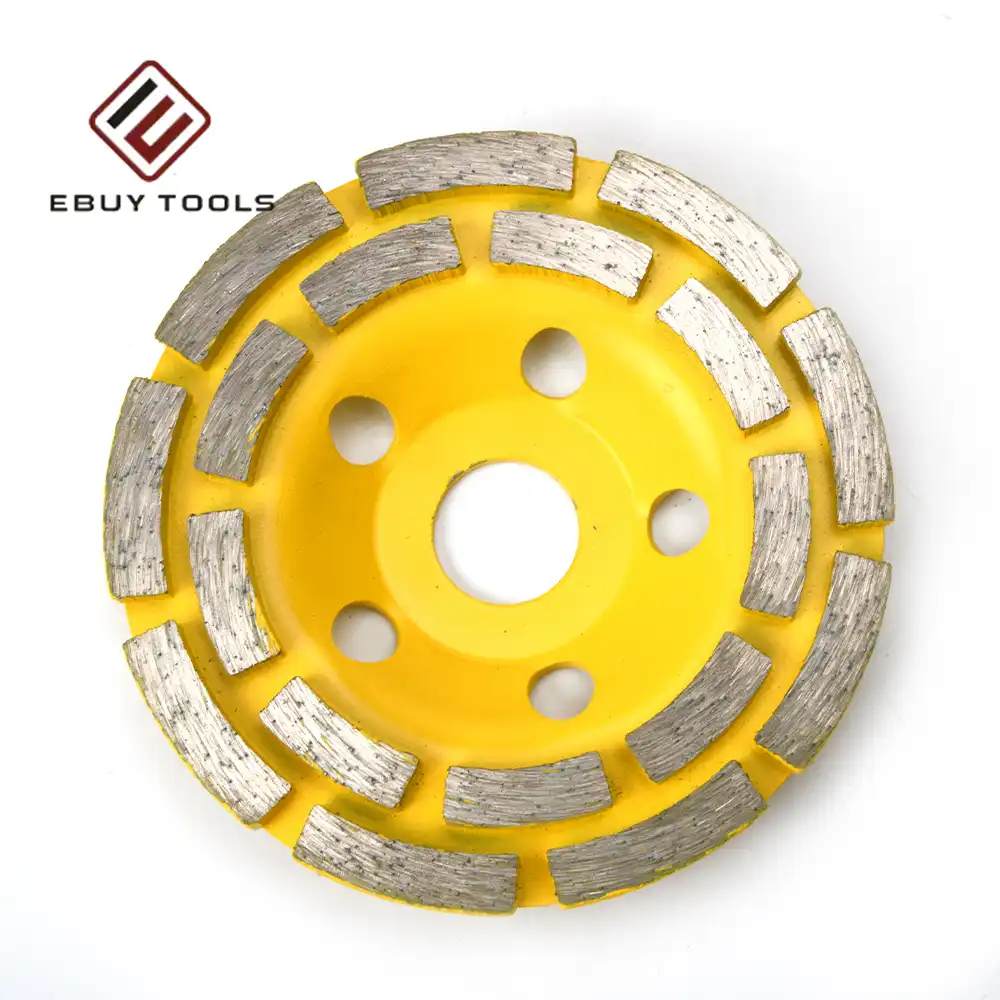
Specialized cutting tools called diamond cup wheels are made to work with tough materials like concrete, granite, marble, and tile. These tools are made up of high-tensile steel cores that are joined to diamond-filled pieces. They are much better at removing material than regular abrasives. Diamond particles are inserted in metal bond structures in the basic design. This makes cutting surfaces that stay sharp through controlled wear patterns.
Types and Configurations
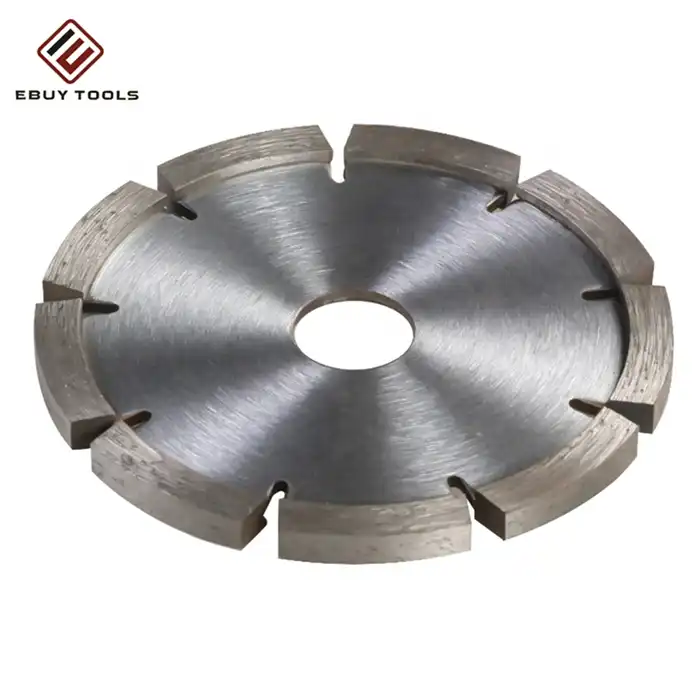
For different working needs, different segment combinations are used. Turbo rim designs have sharpened edges that help move garbage faster while aggressively removing stock. This makes them perfect for preparing heavy-duty concrete surfaces. Smoother finishes are possible with double-row pieces, and the tool will last longer because wear is spread evenly across more contact points. When cleaning tough coats like epoxy adhesives or urethane glue from industrial floors, specialized arrow or PCD pieces keep the machine from getting clogged.
These changes in design have a direct effect on the speed of grinding, the quality of the surface, and the life of the equipment. Choosing the right wheel type depends on the hardness of the material and the goals of the project. This is true whether you're leveling uneven concrete joints or doing precise edge work on stone fabrication projects.
Application Versatility
These days, grinding wheels can be used with a wide range of tools, such as angle grinders, floor grinders, and specialized grinding machines. Because they are compatible, they can be used in more places, like metalworking shops, car factories, and mold production facilities. It can be used for a wide range of tasks, from rough shaping to fine finishing. This means that buying teams can unify tools for all kinds of production situations while still making sure they meet the same performance standards.
Premium vs. Economy Diamond Cup Wheels: Core Differences and ROI Factors
The main difference between luxury and budget diamond cup wheels is not just the price at which they are bought, but also their basic technical features that determine their long-term usefulness. Knowing these differences helps you make smart choices based on the total cost of ownership instead of just the initial cost.
Diamond Concentration and Quality
Premium wheels have higher diamond ratios and better quality fake diamonds, which means they cut faster and last longer. Our professional-grade solutions have varying diamond density specs that are best for working with certain types of materials. Higher concentration levels mean that more cutting points are striking the object at the same time. This speeds up the removal of material while spreading thermal loads that keep the surface from being damaged.
Bond Type and Matrix Metallurgy
The metal link matrix that holds the diamond bits has a big effect on how well they work. Premium wheels use special metals made of cobalt, copper, or iron that are designed to work with certain types of material stiffness. These complex metal formulations follow the "Opposite Rule": soft bonds for hard materials and hard bonds for soft materials. This makes sure that the diamond contact rates are always at their best throughout the tool's life.
Manufacturing Standards and Safety Compliance
Some of the best makers have strict quality control procedures that include testing the strength of the weld, making sure the dynamic balance is at least G6.3, and checking the run-out tolerance to make sure that axial and radial errors stay below 0.1mm. These exact standards keep vibrations to a minimum, keep workers from getting tired, and keep expensive equipment frames from wearing out too quickly. Safety standards, like EN 13236 compliance, make sure that risks in the workplace are reduced, which could lower insurance costs and the time lost because of accidents.
How to Choose the Right Diamond Cup Wheel for Your Procurement Needs
To make a strategic choice, you need to match technology specs with real-world practical needs for a diamond cup wheel, not just compare prices. This method gets the most value out of the project while avoiding both wasteful over-definition and fails caused by inadequate specification.
Defining Application Parameters
Start by writing down information about the material, such as its hardness grade, surface condition, and the type of finish that is needed. For example, when selecting a diamond cup grinding wheel, grinding concrete needs different tools than making things out of marble. Attachment methods that use high frequency welding are good for heavy-impact jobs, while laser welding is better for fine-tuning jobs that need accuracy. The grit sizes range from coarse (16/20) grades for quickly removing stock to fine (120/150) grades for getting ready for polish, and the diamond cup grinding wheel must be chosen accordingly to match the intended grit and application.
Evaluating Supplier Credentials
Reliable producers show that they have the production capacity to keep the supply stable. Our building is 77,000 square meters and has 319 trained workers who make about 150,000 grinding wheel pieces every day. This scale gives procurement teams faith in the quality and reliability of service for big orders.
Balancing Cost and Performance
The total cost of ownership must take into account how long the item is expected to last, how much upkeep it needs, and how much it affects output. A luxury wheel that cuts 30% faster and lasts three times longer than a cheap wheel gives a much better return on investment (ROI). Most of the time, the biggest financial effect comes from lower labor costs caused by fewer tool changes and faster finish times. This is especially true in markets with high wages.
Case Studies: Real-World ROI Results from Premium vs. Economy Wheels
Implementation experiences in the real world can teach us a lot about how choices about which diamond cup wheel to use affect operational results and financial success in a variety of business models.
Premium Wheel Implementation
A medium-sized building company that specializes in finishing industrial concrete used high-quality grinding wheels with improved thermal management and a high concentration of diamonds. At first, switching from cheaper options raised the cost of tools by 35%, but within the first quarter, they started to pay off. Rates of material removal went up by 28%, which cut down on project finish times and let the company take on more work without hiring more people.
Economy Wheel Procurement
As a way to give affordable entry-level prices to customers on a budget, a regional tooling dealer looked into buying economy wheels to expand their catalog. The first reaction from the market was positive, with a lot of sales thanks to a good price. But patterns in customer comments showed new worries that could hurt long-term business ties. Inconsistent performance across production runs made it hard for customers who cared a lot about quality control, and some accounts had to switch providers because of this.
Procurement Strategies to Maximize Value When Buying Diamond Cup Wheels
Through smart supplier involvement and systematic evaluation frameworks, sophisticated procurement methods turn buying diamond cup grinding wheels from a basic item into a way to gain a strategic edge.
Volume Purchasing and Contract Negotiation
When you combine the needs for grinding wheels from several sites or projects, you can get better price terms. When a company offers special production runs for large orders, it can make production more efficient and pass the savings on to loyal customers. With annual supply deals and volume promises, you can get better prices and be sure that you have enough inventory during times of high demand.
Distribution Channel Selection
Working directly with makers like Danyang Ebuy Tools cuts out the middleman and gives you access to technical knowledge and the ability to make changes. Through manufacturing agreements, companies can work together to create custom solutions that solve problems that off-the-shelf goods can't. Direct relationships also make it easier to solve problems quickly and get expert advice on how to choose the best tools and use them correctly.
Quality Verification and Supplier Auditing
Putting in place structured quality verification procedures guards against fake goods and poor manufacturing that put safety and performance at risk. As part of the inspection process, the quality of the welding, the balance, the correctness of the measurements, and the regularity of the diamond distribution should all be checked. Asking for third-party testing certificates and compliance paperwork proves that safety standards are being followed.
Conclusion
When choosing a diamond cup wheel, you have to weigh the short-term cost against the long-term operating effects, such as the tool's lifespan, output rates, and quality consistency. When speed, reliability, and long life are important, the higher starting cost of premium wheels is worth it for demanding uses. In some situations, economy choices are better because they save you money up front than because they last as long as possible, but when you add up all the costs, quality options are usually better.
FAQ
What factors most significantly influence diamond cup wheel lifespan?
The diamond cup wheel content, bond matrix quality, and application matching are the main factors that determine how long a tool lasts. A denser diamond has more cutting points, which spreads wear over a bigger surface area. The "Opposite Rule" tells you how to choose the right bond strength to get the best diamond exposure rates. Using the right grit size for the job and keeping the right operating speeds will keep things from breaking down too soon.
Are economy wheels cost-effective for large-scale projects?
Economy wheels might look like a good idea for projects with limited funds, but they often don't perform well in terms of total cost. When tool lifespans are shorter, they need to be changed more often, which increases work costs and project downtime. Cutting less efficiently makes it take longer to finish projects, which changes how resources are allocated across project portfolios. Premium wheels usually give you a better return on investment because they remove material faster, last longer, and work consistently.
How do I ensure compliance with industrial safety standards?
Wheels that meet ISO 6104 measurement standards and EN 13236 approval for superabrasives should be chosen. Check that the dynamic balance scores are at least G6.3 to lower the risk of shaking. Make sure the welding is good and that the segments are securely attached so that they don't come loose at high speeds and cause harm. Source from companies that do thorough quality testing, such as validating shear strength and checking run-out tolerances to keep both workers and machinery safe.
Partner with Ebuy Tools for Superior Diamond Cup Wheel Solutions
Because we know how to make things, we can be your strategic diamond cup wheel provider, giving you real operational benefits through precise engineering and consistent quality. Our 77,000-square-meter building can make more than 150,000 pieces every day, so you can be sure that you'll always have what you need to meet your project deadlines and stocking needs. High diamond concentration, segmented turbo rim designs, and heat-treated steel bodies with vented holes in our grinding wheels make them the best for use on concrete, marble, tile, and rock.
We can completely customize our products because we have a specialized Research & Development team that works on making solutions that fit your unique material problems and operational needs. Email our technical sales team at [email protected] to talk about your buying needs, get full specs, or set up testing samples. You can get reasonable prices from the maker, flexible volume arrangements, and advice from experts to help you make smart choices that will improve your grinding operations and give you a long-term return on your investment.
References
1. Thompson, R. (2022). Industrial Grinding Technology: Materials, Methods, and ROI Analysis. Manufacturing Press International.
2. Chen, W. & Martinez, J. (2021). "Diamond Tool Performance in Construction Applications: A Comparative Study." Journal of Industrial Tooling Research, 34(2), 118-135.
3. American Concrete Institute. (2023). Guide to Surface Preparation Equipment Selection and Cost Optimization. ACI Technical Report 310.
4. Bergman, K. (2021). Strategic Procurement in Manufacturing: Total Cost of Ownership Models. Supply Chain Publishing Group.
5. International Superabrasives Association. (2022). Safety Standards and Performance Specifications for Diamond Grinding Tools. ISA Technical Bulletin 47.
6. Williams, D. & Zhao, L. (2023). "Bond Matrix Metallurgy and Diamond Retention in Cup Wheel Applications." Materials Science and Engineering for Industry, 89(4), 267-283.
_1732239824901.webp)