.webp)

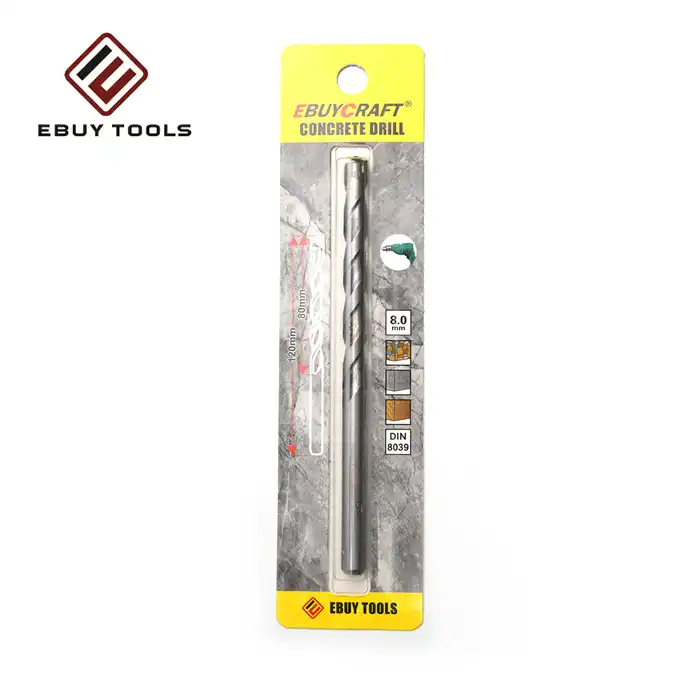
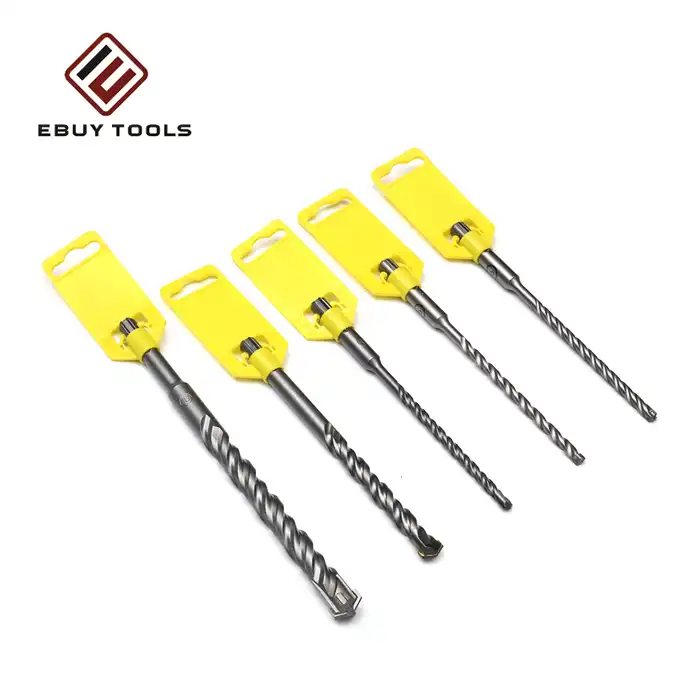
Choosing the right masonry drill bit relies on the type of material you're working with, the needs of the job, and how often you plan to use it. For drilling in concrete and brick, carbide-tipped bits are very durable because they have hardened tungsten carbide tips that don't wear down easily and keep their sharp edges for longer. For heavy structure work or high-volume production areas, 4-flute designs with SDS-Plus or SDS-Max shanks remove more dust and pass impact energy more efficiently. To make sure that bits work with anchors and don't break too soon in tough industrial settings, procurement managers should look for bits with tight concentricity tolerances and verified brazing quality.
Understanding Masonry Drill Bits – Basics and Key Characteristics
Core Design Principles and Material Science
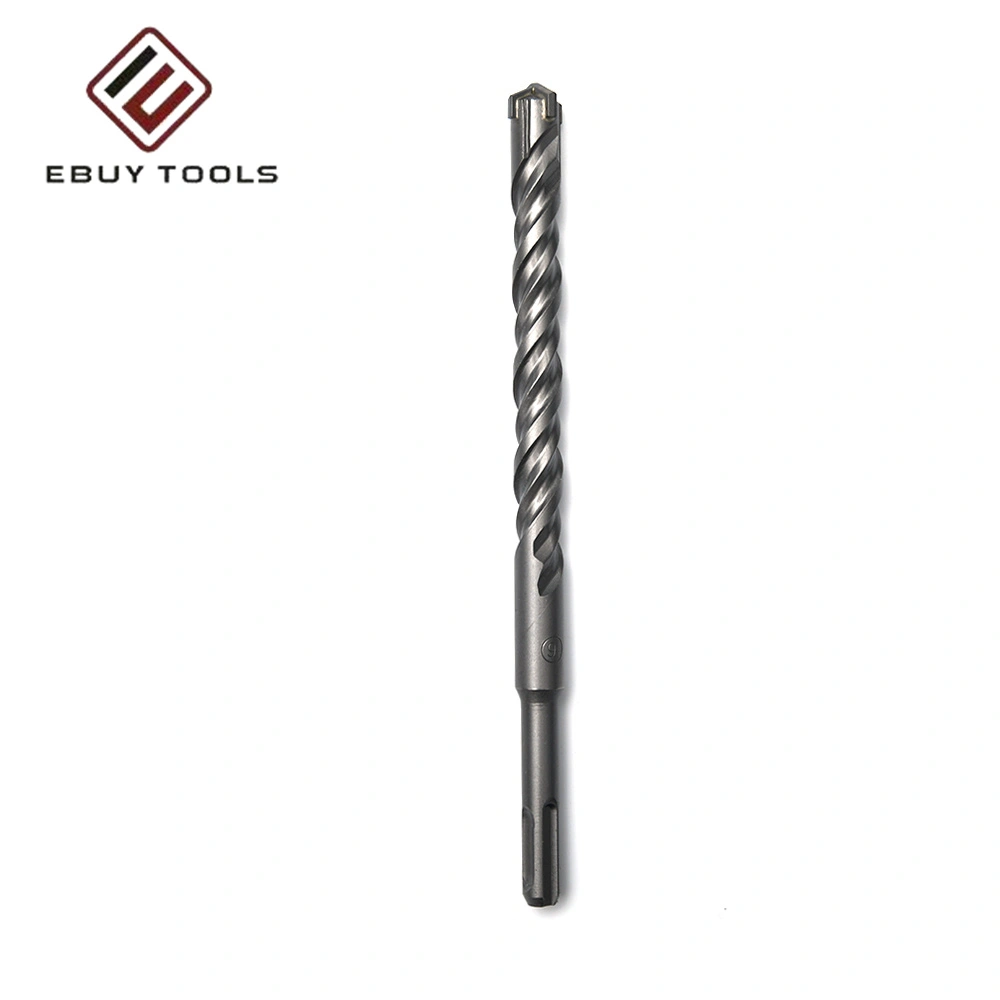
Standard HSS bits used in machining don't work at all like professional boring tools for hard materials. These special tools don't cut through shearing action; instead, they use a fracture-and-crush way to get through material with a high compressive strength. The important part is a tungsten carbide plug that is brazed onto a heat-treated steel shank. This makes a hybrid structure that solves several performance problems at the same time.
The carbide tip is usually made of YG8C grade tungsten carbide, which has a toughness value of 88-91. This extreme hardness stops silica grains in concrete from wearing away while keeping the cutting edge shape over long drilling cycles. The Chrome-Vanadium alloy used to make the steel shank and heat treatment to HRC 48-52 gives it the toughness to take contact shock from a rotating hammer without breaking.
Shank Configuration and Compatibility Systems
The shape of the shank has a direct effect on how well energy is transferred and how safe it is to use. Straight shanks that are standard work well for light-duty tasks when used with standard drill chucks, but they can't handle high torques without slipping. The SDS (Slotted Drive System) gets around this problem with a grooved shank design that locks securely into suitable chuck mechanisms while still letting the tool move axially. This floating action sends the most contact energy to the cutting tip instead of letting it be lost in the drive train.
SDS-Plus configurations work well for most industry uses with sizes between 4mm and 32mm. On the other hand, SDS-Max configurations are better for heavy-duty needs above 18mm, where more striking energy is needed. Knowing these requirements for compatibility keeps your tools from mismatching and makes sure that all of your drilling activities run at their best.
Flute Geometry and Dust Extraction Engineering
Flute design has a big effect on how fast you drill, how long your tools last, and how safe you are to use. Double U-flute and L-flute shapes move ground-up material away from the cutting zone, lowering the contact heat that breaks down carbides too quickly. When working in reinforced concrete or cutting deep holes, not getting rid of enough dust can cause the bit to stick, wear out too quickly, and become too hot, which could be dangerous.
The advanced 4-flute designs make it easier for dust to escape while also making the bit body more stiff. This design is especially useful in places that make a lot of things, because consistent performance and long tool life have a direct effect on operational costs and efficiency measures.
How to Choose the Right Masonry Drill Bit for Your Project?
Material-Specific Selection Criteria
When choosing a cutting tool, different base materials have different needs. When working with clay tile or natural stone facades, the focus changes to reducing impact energy so that the surface doesn't crack or chip. For these uses, carbide tips that are precisely cut and have the right approach angles are helpful because they lower entry shock while keeping the hole shape clean.
On the other hand, drilling through reinforced concrete needs strong 4-cutter X-head designs that keep cutting well even when they hit buried rebar. The shape of the cross-head keeps it from getting stuck and keeps drilling going without the tip breaking off in a big way. This keeps the hole size constant, which is important for installing mechanical and chemical anchors.
For brick and cinder block uses, which are in the middle, masonry drill bits concrete need well-balanced designs that allow enough entry rates while also controlling material breakage. Because different types of brick have different compression strengths, you need to be careful when choosing the bit so that it doesn't either cut too little or damage too much of the material around the hole.
Production Volume and Usage Intensity Factors
Professional users have to choose drilling tools based on how hard they need to work and how much they need to drill. Job shops that do some brick work on the side can justify buying general-purpose bits that work well with a variety of materials, even if they aren't as efficient. This is because it makes stocking easier.
When making a lot of holes every day in a manufacturing setting, you need special tools that are made for that material and hole size. When spread out over thousands of holes, the difference in price between premium and standard bits is almost invisible. However, the performance benefits in entry rate, tool life, and hole quality lead to measured productivity gains and lower labor costs.
When distributors and tools sellers try to balance the number of products they offer with the cost of keeping inventory, they face unique problems. By carefully choosing a range of flexible mid-range products that can be used in most situations and adding high-end choices for demanding industrial users, you can make a product portfolio that meets all of your customers' needs and increases sales.
Quality Indicators and Performance Verification
To judge the quality of a drilling tool, you have to look at a number of technical factors that directly affect how well it works in the field. Run-out during rotation is a way to measure concentricity tolerance. It has a direct effect on hole shape and anchor performance. Premium bits keep their limits to within ±0.05mm, which makes sure that holes meet the size standards for fastening uses that are safety-critical.
Brazing quality affects how well the tip stays in place under heat stress and impact loading. Professional manufacturing uses silver-based brazing metals that keep the bond strong at temperatures above 800°C. This keeps the tip from coming off, which can be dangerous and cause problems with operations. A visual check should show that the fillet geometry is regular and that there are no holes or spots where the carbide insert and steel body are not fully bonded.
Even though definitive proof of the carbide grade verification needs to be done in a lab, hardness tests and microstructure analysis can be used as a first step. Reputable makers provide approval paperwork that lists the carbide's composition and hardness values. This gives buying teams objective data to use when comparing suppliers and making sure the quality of the products they make.
Comparing Popular Masonry Drill Bit Options on the Market
Carbide Versus Diamond Technology Analysis
Different types of carbide-tipped and diamond-tipped cutting tools remove material in different ways and are best used in different situations. Carbide tips work great for digging through concrete, brick, and cinder block because they break up the material with their sonic impact. Due to their low cost and track record of dependability in rotary hammer applications, they have become the standard for general building and commercial uses.
Alternatives with diamond tips use fused or electroplated diamond bits that grind instead of breaking down materials. This method works well when drilling through clay tile, glass, or natural stone, where protecting the surface from damage is more important than speed of penetration. Grinding makes holes that are cleaner and less likely to chip, which is why the tools cost more in some situations where material protection is important.
Procurement managers should see these tools as choices that work well together, not against each other. Facilities that work with a variety of materials should keep both carbide and diamond on hand so they can choose the right tool based on the features of the medium and the quality standards that need to be met.
SDS System Advantages in Industrial Applications
When industrial drilling operations switch from normal shank systems to SDS setups, they get a big performance boost. In addition to the clear benefit of not letting the chuck slip, SDS systems also move impact energy more efficiently thanks to the way their mechanical couplings are built. The axial float device lets the bit move back and forth inside the chuck. This concentrates the percussion force at the cutting tip instead of letting it escape through drive train flex.
Most industrial tasks can be done with SDS-Plus masonry drill bit tools, which can handle bits up to 32mm in diameter and hitting energies ranging from 1.5 to 4 joules. The small chuck keeps the tool's weight and controllability reasonable while still working well enough for structure anchoring, MEP installations, and general building drilling.
SDS-Max systems that give 5 to 12 joules of impact energy are useful for heavy industrial uses that need to drill holes with bigger diameters or deeper holes. The bigger shank diameter and better mechanical coupling support bits go from 18mm to 55mm, which makes drilling in heavily reinforced concrete and thick brick buildings much easier. By knowing these differences in capabilities, you can make sure that the specs of your tools meet practical needs and productivity goals.
Manufacturer Landscape and Sourcing Considerations
There are many companies in the global drilling tool market that make goods for both home use and professional commercial use. Established names have high prices because they spend a lot of money on research and development, have strict quality control, and offer long warranty plans. Their goods usually have better carbide grades, tight manufacturing tolerances, and the same level of performance across production runs.
Mid-level manufacturers make items for the business market that are good value for money and can be used in a wide range of situations. The products from these providers usually work well in less demanding settings and have reasonable prices that appeal to buyers who want to save money and wholesalers who are building inventory for later sale.
Direct ties with manufacturers offer benefits in purchasing that go beyond unit price. Custom product development, private marking options, and flexible minimum order amounts let OEM clients and sellers make their products stand out while keeping their inventory levels low. Access to technical support and help from application engineers are very helpful when choosing tools for specific industrial uses or fixing performance problems in tough settings.
Procuring Masonry Drill Bits – Tips for B2B Buyers
Quality Verification and Supplier Due Diligence
Comparing prices is only one part of successful business-to-business buying. You also need to follow strict guidelines for evaluating suppliers and checking products. Requesting certificates for materials, proof of the manufacturing process, and quality control methods can help you understand what the provider can do and how committed they are to maintaining consistent product quality. Reputable makers are happy to share technical specs, hardness test results, and measurement inspection data that lets you compare products in an unbiased way.
Sample testing programs are very helpful when looking for new suppliers or comparing different goods. Side-by-side field tests in real-world situations show differences in performance that can't be seen from specs alone. Instead of depending only on marketing claims, measuring penetration rates, hole quality, and tool life across a range of typical uses produces real-world data that can help buyers make smart choices.
Verification of certification keeps you safe from fake goods and low-quality materials that hurt safety and performance. Real professional-grade goods can be told apart from fake ones by their genuine PGM markings, ISO certifications, and batch records that can be tracked. Building partnerships with makers who have clear quality systems and allow third-party verification makes the supply chain reliable, which protects your business and your users.
Bulk Purchasing Strategies and Inventory Management
When you buy in bulk, you save money because each unit costs less, but the best way to buy things is to balance price benefits with the costs of keeping supplies. By looking at past usage trends, finding SKUs with a high turnover rate, and guessing what the project needs, it is possible to place tailored bulk orders that save the most money without requiring too much inventory or putting the product at risk of becoming obsolete.
When enough volume is reached, wholesalers can start custom product development and private labeling, which helps them set their products apart and build brand value. Manufacturers who are creative in how they make their products can handle custom length combinations, tip shapes, or package arrangements that better meet the needs of certain customer groups or market segments than standard stock products.
Setting up barter agreements or vendor-managed inventory programs with qualified sources for masonry drill bits concrete can help you save money on capital while still making sure you have products available. These partnerships let makers pay for the costs of keeping inventory on hand, and they promise just-in-time replenishment that fits your sales speed and customer needs. To build these relationships, you need to show that you can keep your number promises and keep the lines of communication open about how accurate your forecasts are and how demand changes.
Building Strategic Manufacturing Partnerships
Long-term ties with suppliers offer more than just lower transaction costs. They also help with product development, application support, and sharing market information. Companies that do a lot of research and development (R&D) can come up with custom solutions to meet the specific needs of customers or take advantage of new market possibilities that standard catalog goods can't meet.
Access to technical support is especially helpful when trying to fix problems with an application or find the best drilling settings for certain materials. Application engineering knowledge from a wide range of industries is shared by makers with a lot of experience. This helps customers avoid common problems and get the best performance in tough conditions.
Danyang Ebuy Tools' 77,000-square-meter factory, which is home to 319 trained workers who make professional-grade cutting tools, is a great example of this partnership method. Our daily production capacity of more than 150,000 units guarantees a steady supply for large orders, and our specialized R&D department creates unique solutions that meet the exact needs of each client. We are a strategic partner for discerning B2B customers instead of just a transactional provider because we have a lot of production capacity and technical know-how.
Maintenance and Optimization of Masonry Drill Bits
Extending Tool Life Through Proper Usage
To get the most out of your drilling tools' performance and longevity, you need to know the working factors that affect how fast they wear out and how they break. Keeping the spinning speeds at the right levels stops too much heat from being produced, which breaks down carbide qualities and weakens brazing bonds. By staying within the manufacturer's suggested RPM ranges, you can balance the rate of entry with the amount of heat that is being applied, which increases efficiency while protecting the tool's integrity.
Clearing the work area of dust on a regular basis during deep-hole drilling stops the bit from sticking and lowers the friction heat that speeds up wear. By pulling out the bit every so often, the built-up waste can be cleared out of the flutes, keeping the material removal efficient and avoiding the buildup of dust that leads to overheating and failure before its time. This is especially important when digging deeper than three times the width of the bit.
Keeping tools in the right way keeps them safe from damage from the surroundings and physical effects that could affect their performance. Bits can be kept safe from damage by putting them in protective cases or boxes made just for them. This keeps the cutting edges dry, which stops rust. These simple steps will make tools last longer and keep their performance level even after many uses.
Recognizing Wear Patterns and Replacement Timing
Knowing the signs of wear helps purchasing managers figure out when to replace tools in the best way, balancing the need to use tools while avoiding quality problems caused by worn cutting edges. Normal mechanical wear causes the width to gradually shrink, which leads to holes that are too small, which affects the performance of the anchor and the safety of the structure. A lot of professional-grade bits have wear indicators that show when the bit's width has shrunk so much that it needs to be taken out of use for anchor installation tasks.
Damage to the carbide tip can appear as chipping, cracking, or loss of the tip completely. This is usually caused by incorrect use, too much contact force, or flaws in the material. Bits with obvious damage to the tips should be taken out of service right away because continuing to use them causes safety risks and bad hole quality. Visual inspections done on a regular basis find broken tools before they cause problems or safety issues.
If the brazing fails and the carbide tips come loose or fall off, it means that the heat was too high or there were problems with the making process. Tools that are showing signs of brazing deterioration must be thrown away, even if they still have carbide on them, because the tip coming off during use poses a major safety risk. By keeping track of the failure modes across all of your tools, you can find systemic problems with how you run your business or the quality of your suppliers' products that need to be fixed.
Conclusion
When choosing the right masonry drill bit options for commercial uses, you need to think about the total cost of ownership, technical specifications, and the needs of the application. Professional-grade carbide-tipped bits with optimized flute shapes, precision-ground tips, and strong shank systems work better in tough conditions where hole quality, tool life, and worker safety are important. Procurement pros can choose tools that increase efficiency while keeping costs low by knowing the differences between carbide and diamond technologies, the benefits of SDS systems, and the design needs of different materials. Strategic relationships between suppliers and makers that offer technical know-how, quality assurance, and open number options give businesses benefits that go beyond just comparing prices.
FAQ
Can I use the same bit for drilling brick and ceramic tile?
In order to get the best results, you need tools that are made for that specific material. Standard carbide bits with rotating hammer impact can be used to drill into brick, but diamond-tipped bits working in rotation-only mode are needed to avoid cracking when cutting into ceramic tile. If you use the wrong tools, you could damage the base or make holes that aren't very good, especially on finished surfaces where looks are important.
How long should professional-grade bits last under regular usage?
Tool life depends a lot on how hard the material is, how deep you dig, how you use it, and how often you maintain it. When used in normal concrete, good carbide bits can drill several hundred holes before they need to be replaced. However, when used in reinforced concrete or natural stone, they don't last as long. Instead of counting holes at random, it's better to keep an eye on hole size and entry rates.
What distinguishes SDS from standard shank systems?
SDS shanks have grooves that automatically lock into suitable chucks. This keeps them from slipping while still allowing axial movement that transfers impact energy as efficiently as possible. Standard round shanks work well for light-duty tasks, but they slip when there is a lot of pressure on them, and they don't give enough percussive force. The better performance and dependability of SDS systems make them very useful for professional manufacturing uses.
Partner with Ebuy Tools for Superior Drilling Solutions
We at Ebuy Tools are ready to help you with your industrial drilling needs by providing high-quality tools made for tough jobs. Our 77,000-square-meter factory makes over 150,000 cutting tools every day. As a dedicated masonry drill bit maker, it has a large production capacity and strict quality control that makes sure every batch works the same. The tungsten carbide bits we sell have HRA 88-91 hardness grades, optimized 4-flute designs that remove more dust, and precision-ground tips that keep the tight concentricity tolerances needed for anchor placements. Our R&D team creates custom solutions that meet your exact needs, whether you need custom lengths, unique tip shapes, or private label programs. Email our purchasing agents at [email protected] to talk about bulk prices, technical needs, and how our production knowledge can improve the reliability of your supply chain and your ability to compete.
References
Portland Cement Association. "Design and Control of Concrete Mixtures: Engineering Bulletin." Portland Cement Association Research Laboratory, 2018.
American Concrete Institute. "ACI 318: Building Code Requirements for Structural Concrete and Commentary." American Concrete Institute Technical Standards, 2019.
German Institute for Standardization. "DIN 8039: Masonry Drill Bits with Carbide Tips - Technical Delivery Conditions." Beuth Verlag Standards Publishing, 2017.
International Organization for Standardization. "ISO 5468: Rotary Tools for Percussion Drilling with Detachable Drill Bits - Dimensions, Specifications." ISO Technical Committee, 2016.
Construction Industry Research and Information Association. "Drilling and Fixing in Concrete: Best Practice Guide." CIRIA Publication C782, 2020.
Society of Manufacturing Engineers. "Tool and Manufacturing Engineers Handbook: Machining Processes." SME Technical Publications, 2018.