.webp)

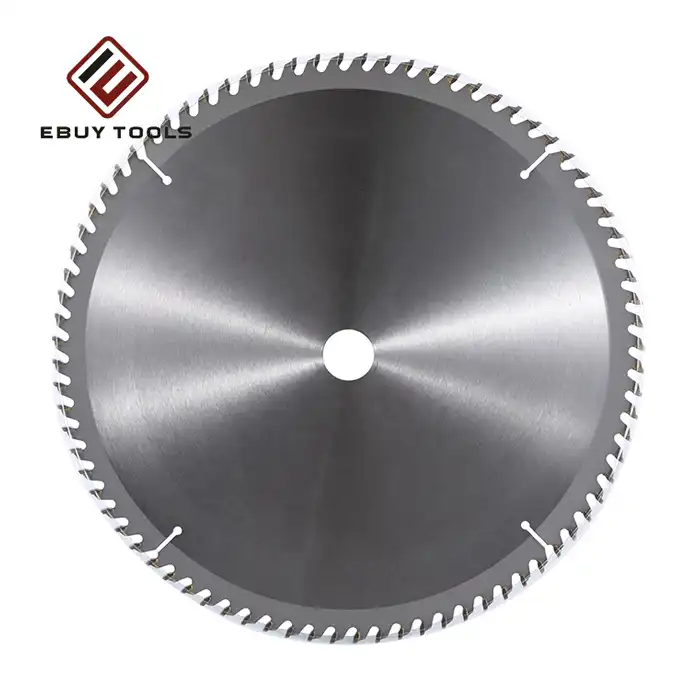
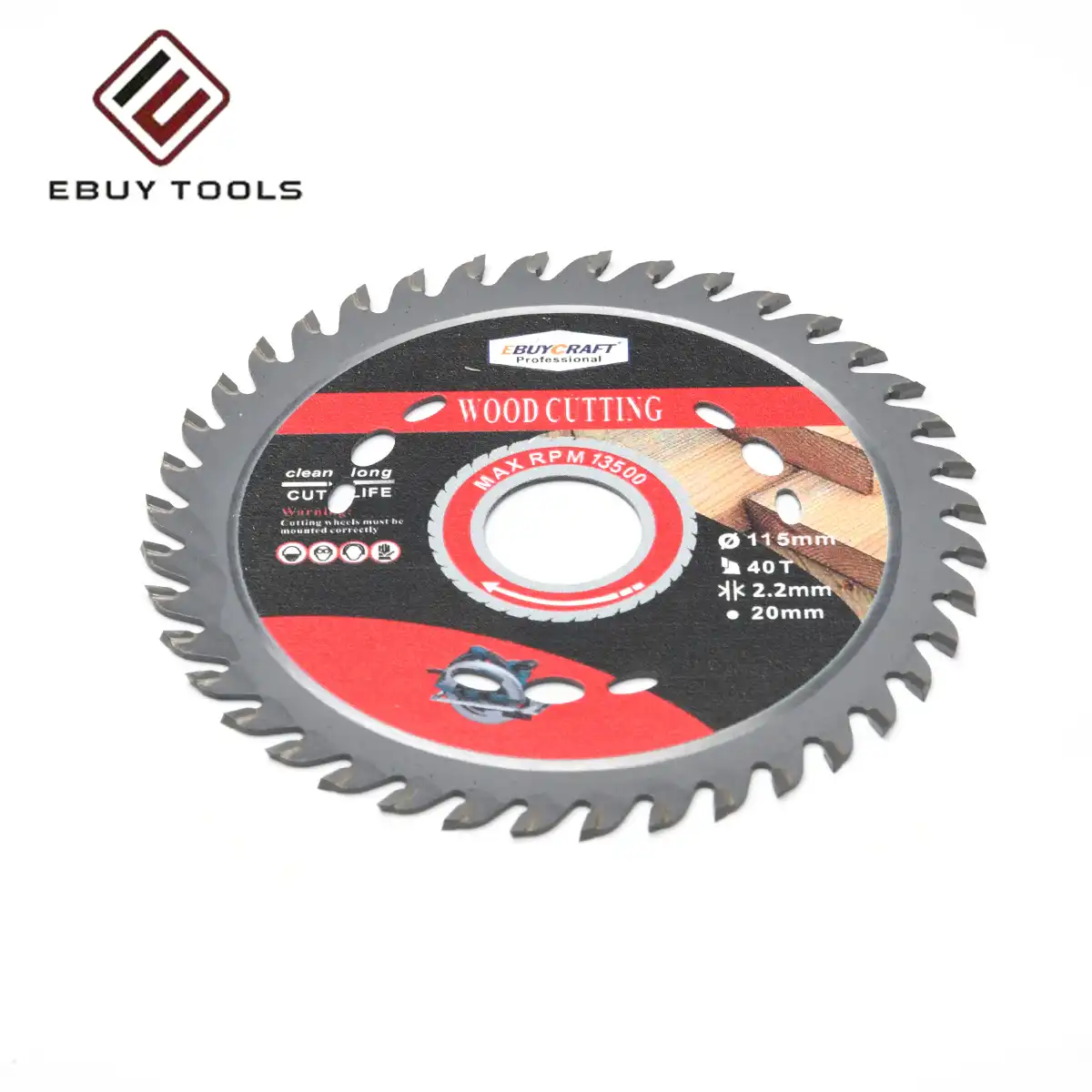
TCT stands for "Tungsten Carbide Tipped." A TCT saw blade is a precision-engineered cutting tool with a body made of sharpened steel and ultra-hard tungsten carbide teeth brazed onto the cutting edge. TCT saw blades stay sharp even at high temperatures up to 600°C, which means they can be used for 10 to 20 times longer than regular steel blades, which wear out quickly in rough conditions. For procurement managers in metals shops, car factories, and mold factories, this means less downtime, fewer replacements, and better cutting precision for a wide range of materials, from aluminum alloys to composite woods.
Understanding TCT Saw Blades: Definition and Core Functionality
If you go into any precision machine workshop today, you'll see that skilled workers always use TCT saw blade units with carbide tips for tough cutting jobs. This choice comes from the fact that every tungsten carbide-tipped cutting tool has basic technical benefits that make it better.
The Engineering Behind Tungsten Carbide Technology
The main new thing about these cutting tools is that they are made of different kinds of materials. The base of the blade is usually made of hardened tool steels like 75Cr1 or SKS51 that have been heated until they are 42 to 44 HRC hard. This gives it the flexibility it needs to handle operating stress without breaking. The cutting tips are made of sintered tungsten carbide, which is a ceramic-metallic hybrid material that is one of the hardest materials used in industrial tools (HRC 88 or higher).
An combination of silver, copper, and silver is used in the making process at Danyang Ebuy Tools to firmly attach the carbide tips to the steel body. This way of soldering makes sure that every tooth can handle the cutting force and the changing temperatures that happen during high-speed operations. When a TCT saw blade cuts into rough materials like MDF or aluminum extrusions, the carbide tips keep their shape for a much longer time than steel tips that are solid. This is one reason why these blades are so popular in industry.
How Cutting Mechanics Deliver Superior Performance
The operating concept is based on differences in the hardness of materials. At temperatures where regular steel would soften and bend, tungsten carbide keeps its cutting edge's integrity. When the machine is turning at speeds between 3,000 and 5,000 RPM, friction in the cutting zone makes it very hot. Blades made of regular carbon steel lose their shape above 200°C, but carbide tips keep their shape up to 600°C.
This thermal stability has a direct effect on three important performance measures that buying teams care about. The quality of the cuts stays the same over long production runs, so the surface finish doesn't get worse over time like it does with regular blades. Cutting speed can be kept at its best without having to adjust for tool wear, which keeps cycle times predictable in mass production settings. Tool life is greatly increased—customers who make parts for cars say they can get five to ten resharpening rounds before they need to replace the blades, which completely changes how they figure out how much their tools cost.
Key Types and Designs of TCT Saw Blades for Different Applications
To choose the right TCT saw blade design, you need to make sure that the tooth shape and layout are right for the cutting job. The market for industrial cutting tools has a lot of different types, each designed to deal with a different type of material.
Tooth Geometry Configurations for Material-Specific Cutting
Different tooth shapes work best with different types of materials. The Alternate Top Bevel design, which stands for ATB, has teeth that are ground at different angles, usually 10 to 15 degrees. This shape works great for cutting across the grain of wood because the angled teeth score fibers neatly on both sides of the kerf, which keeps plywood and oak from coming apart. When making furniture with plywood panels, 60- to 80-tooth ATB blades are often specified to get the clean lines needed for joints that can be seen.
Triple Chip Grind geometry, or TCG, uses two types of teeth: a "raker" tooth with a flat top and a "trapezoid" tooth with chamfers on both sides. This arrangement works especially well for cutting non-ferrous metals and rough mixed materials. The trapezoid tooth cuts the kerf center in aluminum extrusions for architectural fenestration systems, and the flat raker clears the corners. This makes divided chips that escape quickly without bonding to the blade surface. For aluminum work, our engineering team at Ebuy Tools suggests TCG designs with negative hook angles of about -5 degrees. This shape controls feed rate and keeps material from getting stuck in high-speed CNC operations.
Blade Specifications and Their Operational Impact
In addition to tooth geometry, cutting efficiency is also strongly affected by a number of three-dimensional factors. The number of teeth has a direct effect on how well cutting speed and surface finish work together. Blades with 36 to 40 teeth remove material quickly and forcefully, making them good for rough dimensional cutting in frame jobs where speed is more important than edge quality. 80-tooth versions, on the other hand, produce finer finishes that are needed for cabinets and accurate panel sizing, but they need slower feed rates to keep the gullet from getting too full.
Another important thing to think about is the blade thickness and kerf width. Thinner kerfs lose less material and use less motor power, but they make the blade less stiff. Our precision production plant makes blades with body thicknesses that are carefully matched to their diameter and the job they are meant to do. Larger diameter blades, like the 300mm to 450mm units used in industrial panel saws, need bodies that are relatively larger to stay rigid when cutting. Our facility's quality control makes sure that radial runout stays within a range of 0.05 to 0.1 mm. This is necessary for making glue-line quality cuts in difficult woodworking tasks.
Comparing TCT Blades Against Alternative Cutting Technologies
Procurement professionals can make better buying choices when they know how tungsten carbide-tipped designs fit into the bigger picture of cutting tools. High-Speed Steel blades are cheaper to buy at first, but they wear down quickly in rough materials, so they are only useful for cutting softwoods occasionally. It is true that diamond-tipped blades last a very long time when used on very rough materials like fiber cement and ceramic composites, but they are much more expensive to buy up front and break easily when hit.
Most metalworking shops and precise makers find that TCT circular saw blade offer the best mix of performance, versatility, and cost over their entire life. In a job shop, they work with a wide range of materials, such as metal profiles and customized wood products, without having to change tools. This operational freedom makes inventory simpler and setup time shorter, both of which have a direct effect on productivity in contract manufacturing operations.
Why Your Business Needs TCT Saw Blades: Value Proposition and Applications?
To understand the business case for tungsten carbide technology, you need to look at how better TCT saw blade performance leads to better operations across your production setting.
Quantifiable ROI Drivers in Industrial Operations
The most obvious cost benefit is that tool life extension works. When a carbide-tipped blade lasts 10 to 20 times longer than a regular steel blade, it means that tools don't need to be changed as often. This savings trickles down through your business, cutting down on the time workers have to spend changing tools, the time machines are down for changeovers, and the money you have to spend on inventory to keep enough tools on hand. Manufacturers of automotive parts who work multiple shifts say that moving to high-quality tungsten carbide blades cut their monthly tooling costs by 40 to 60 percent, even though the blades cost more per unit.
Cutting efficiency gains have a direct effect on how much work gets done. For processes to keep up their best feed rates, blades that stay sharp throughout their service life are better than tools that gradually lose their sharpness. This stability is very helpful in automated production lines where changes in cycle time can mess up processes further down the line. One company that makes aircraft parts that we supply said that our precision-ground blades improved the quality of the cuts so much that they didn't need to do any extra deburring. This saved them 2.5 minutes per part in their machining cell.
A benefit that is less visible but just as important is less machine wear. When cutting tools are dull, machine motors have to work harder, which causes too much heat and vibration that wears out bearings, drive components, and positioning systems more quickly. By keeping your carbide tools sharp, you can lower these parasitic loads. This will increase the time between machine service cycles and lower the cost of repair across your entire fleet of equipment.
Industry-Specific Application Scenarios
When making precision molds, the performance of the tools has a direct effect on the quality of the surface finish and the accuracy of the dimensions. When machining mold cavities, the surfaces are often very complicated and three-dimensional. Any tool movement or shaking will show up as flaws. Our High-Alternate Top Bevel blades, which have more than 80 teeth, make smooth cuts that are needed to cut down on the work that needs to be done by hand finishing injection mold parts. The better surface quality cuts down on the time needed to polish to a mirror finish. This is especially helpful for big car interior trim molds where labor costs are the most important factor in production costs.
When working with extruded shapes for window and curtain wall systems, architectural metal makers have to deal with some unique problems. If cutting forces aren't carefully managed, thin-walled hollow parts can easily change shape. Our TCG shape blades have negative rake angles that stop material from grabbing and distorting the profile. The improved chip clearance gullets stop aluminum buildup that causes bad cut quality. Manufacturers of fenestration say that moving to carbide blades that were properly sized cut down on the amount of scrap they got from cutting frames by more than 30%.
Quality TCT saw blades are useful for contract machine shops that work with a wide range of businesses because they can cut through a lot of different materials. Instead of keeping different sets of tools for wood, non-ferrous metals, and composite materials, shops can use standard carbide tools that are properly defined and can work with a range of materials. This simplified stocking system keeps workers' access to the right tools at all times, even if the jobs they're working on change. This saves money that would have been spent on cutting tools.
Conclusion
TCT saw blade are a tried-and-true technology that gives metalworking, manufacturing, and precision machining settings real operating benefits. Longer tool life, steady cutting performance, and a wide range of material compatibility make these blades important for businesses that want to be productive and save money. By understanding the engineering behind carbide technology, making sure that blade specifications match the needs of the application, following the right maintenance steps, and working with reliable suppliers, procurement teams can get the most out of these cutting tools. Investing in good carbide tools always pays off because they reduce downtime, improve cut quality, and lower the total cost of ownership.
FAQ
How long do tungsten carbide tipped blades typically last compared to standard steel blades?
With the same cutting conditions, good carbide-tipped circular saw blades last 10 to 20 times longer than regular carbon steel blades. The exact number varies on how rough the material is, how it is cut, and how it is maintained, but the big edge in terms of lifespan stays the same across all uses. Tungsten carbide is very hard and stable at high temperatures, so cutting edges can keep their shape even when they are exposed to heat and wear and tear that quickly dull steel teeth.
Can TCT blades cut both wood and metal materials?
Even though tungsten carbide blades are hard enough to cut a wide range of materials, for best performance, the blade shape needs to be matched to the properties of the material. Blades made for wood usually have positive hook angles and ATB tooth shapes that don't work well in metal, which can lead to violent grabbing and kickback. On the other hand, metal-cutting blades with negative rake angles and TCG shape don't cut wood very well. Material-specific blade selection is safer and better for performance, but some makers make blades that can work with more than one material, for shops that need them sometimes.
What safety precautions should operators observe when using carbide-tipped blades?
To fit a blade correctly, you need to make sure that the machine's rotation matches the direction of the rotation arrows and that the arbor nut is tightened to the manufacturer's specs. Before cutting material, operators should always let the blades hit full speed, and they should never force feed rates higher than what the blade can handle. The risks that come with high-speed cutting can be avoided by wearing the right safety gear, like safety glasses, hearing protection, and dust collecting systems. By checking for broken teeth on a regular basis, you can avoid the disastrous fails that can happen when blades with problems are used at high RPM.
Partner with Ebuy Tools for Your TCT Saw Blade Requirements
Our precisely made tungsten carbide-tipped circular saw blades use cutting-edge materials science and proven production quality to give your business the cutting power it needs. Our 77,000-square-meter factory at Danyang Ebuy Tools has state-of-the-art foreign equipment and 15 years of specialized research and development experience. This helps us make cutting tools that meet the high standards of the aerospace, automobile, and precision machining industries. Our expert team provides application support that helps you choose the best blades, whether you need standard setups from our large inventory or custom-engineered solutions for unique uses. You can talk to an expert TCT saw blade manufacturer about your cutting tool needs by emailing our sales team at [email protected]. They are dedicated to providing precision, reliability, and great value.
References
Kalpakjian, S. and Schmid, S.R. (2014). Manufacturing Engineering and Technology, 7th Edition. Pearson Education, Upper Saddle River, NJ.
Sandvik Coromant Technical Editorial Department (2010). Modern Metal Cutting: A Practical Handbook. AB Sandvik Coromant, Stockholm, Sweden.
Koch, A. (2006). "Tungsten Carbide Tools: Properties, Selection and Application." Tool Engineering Review, Vol. 48, No. 3, pp. 112-128.
American National Standards Institute (2018). ANSI B212.12-2018: Circular Saw Blades - Specifications and Safety Requirements. ANSI Publications, Washington, DC.
Weinert, K. and Lange, M. (2007). "Machining of Composite Materials with Carbide and Diamond Tools." International Journal of Advanced Manufacturing Technology, Vol. 34, pp. 870-876.
Society of Manufacturing Engineers (2016). Cutting Tool Applications: Principles and Practice of Metal Cutting. SME Publications, Dearborn, Michigan.