.webp)

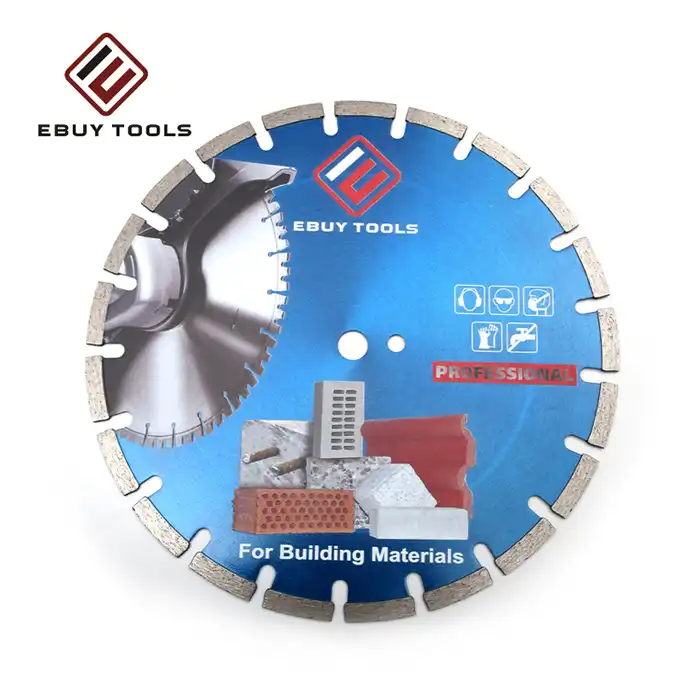
A diamond cutting disc can cut through a huge range of materials that would wear down or destroy most other sharp tools very quickly. It can cut through reinforced concrete, natural stone, asphalt, brick, masonry, and even some types of metals. These precision-engineered tools use industrial-grade synthetic diamonds set in metal matrices to make clean, efficient cuts through hard materials. The secret is in the diamond's high hardness (a grade of 10 on the Mohs scale), which lets the blade cut through thick materials while keeping its cutting edge sharp for long periods of time.
Understanding Diamond Cutting Blades and Their Cutting Capabilities
Diamond blades are a revolutionary way to cut materials because they use advanced engineering to mix industrial diamonds with carefully designed metal links. Unlike regular abrasive discs, which lose their effectiveness very quickly, these tools keep working well by revealing new diamond particles as the bond matrix slowly breaks down during cutting.
The Engineering Behind Diamond Cutting Technology
A diamond cutting disc is made using hot-pressed sintering, a process that fuses man-made diamonds with metal powders, usually ones that are based on cobalt, copper, or iron. This makes pieces that are connected to precisely-tensioned steel cores. Our manufacturing process at Danyang Ebuy Tools makes sure that these cores can work safely at speeds of up to 80m/s, which is in line with strict international standards such as EN 13236. Cutting properties for different materials depend on the diamond content, grit size, and bond strength. Because they wear off faster, softer ties work well on hard materials because they keep revealing sharp diamonds. On the other hand, harder ties work better with softer materials because they stop premature wear and tear.
Material-Specific Cutting Capabilities
Diamond blades are great for many uses because they can be made to work best with different types of materials based on their hardness, abrasiveness, and density. When cutting concrete, you need blades with medium-hard links that balance wear resistance with the ability to sharpen themselves. This is especially important when you come across steel reinforcements that are buried in the concrete. Different methods are needed for different types of natural stone. For example, diamonds need to be used aggressively on granite because it is made of crystals, while smaller grit sizes keep marble from chipping. Cutting asphalt is hard because it has rough gravel and a heat-sensitive bitumen binder, so you need special section formulas that don't glaze over. For building purposes, tile and ceramic need patterns with chip-free edges, like continuous rim or turbo designs. When buying workers understand these differences, they can choose blades that are both efficient and cost-effective.
Performance Advantages in Industrial Applications
Modern diamond cutting technology solves important problems in the aircraft, automobile, and industrial industries. Precision cutting shops benefit from regular cut quality that keeps standards tight, which is important for making parts. Automotive companies that work with engine blocks and transmission housings depend on diamond blades to cut composite materials without warping them. Aerospace companies that work with titanium alloys and superalloys like the smooth surface that cuts down on the need for extra finishing steps. Mold and die makers can also use this technology to make tools that don't wear out and can machine complex cavities without losing accuracy in the dimensions.
Choosing the Right Diamond Cutting Blade for Different Materials
To choose the best cutting tools, you have to make sure that the blade's building factors match the properties of the material and the job's needs. The rapid diamond cutting disc is a new idea that makes it possible to get a good finish while still working quickly.
Concrete and Asphalt Cutting Solutions
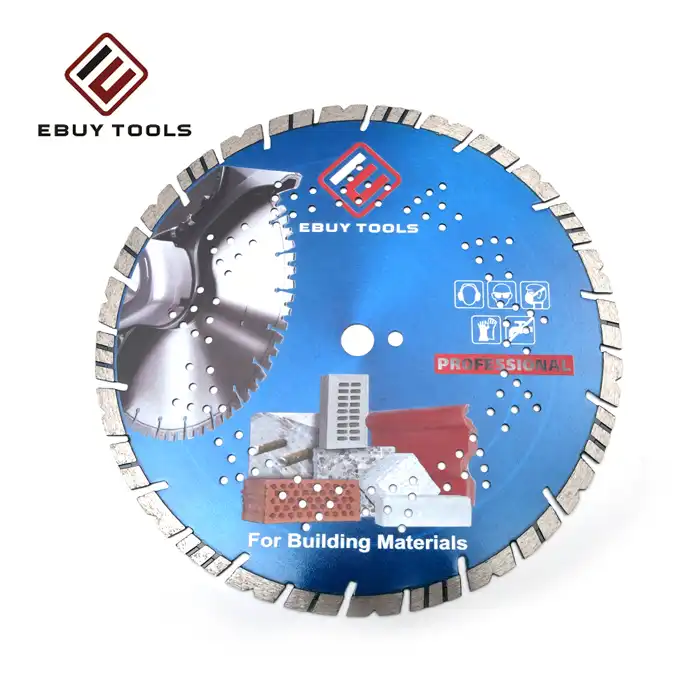
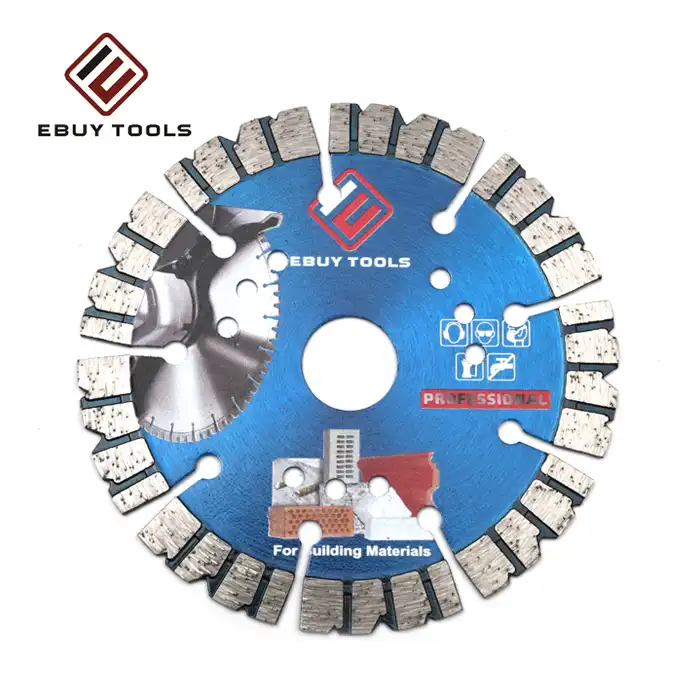
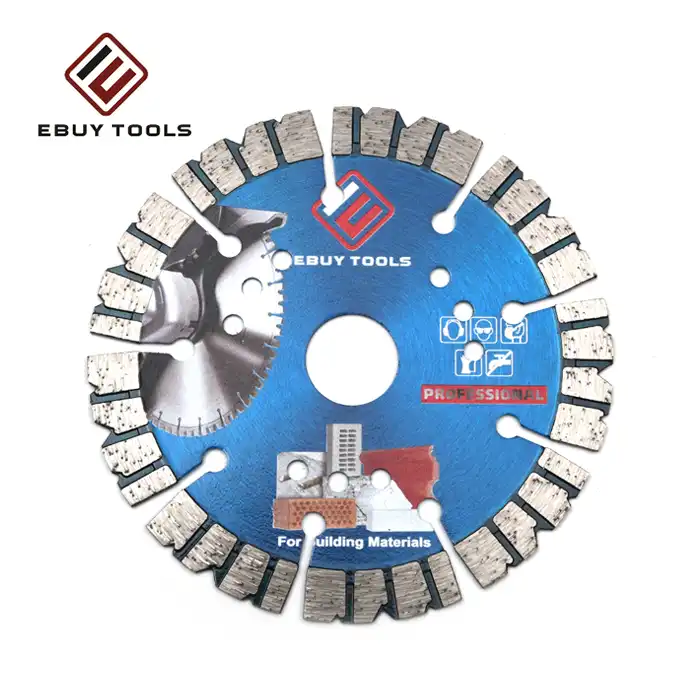
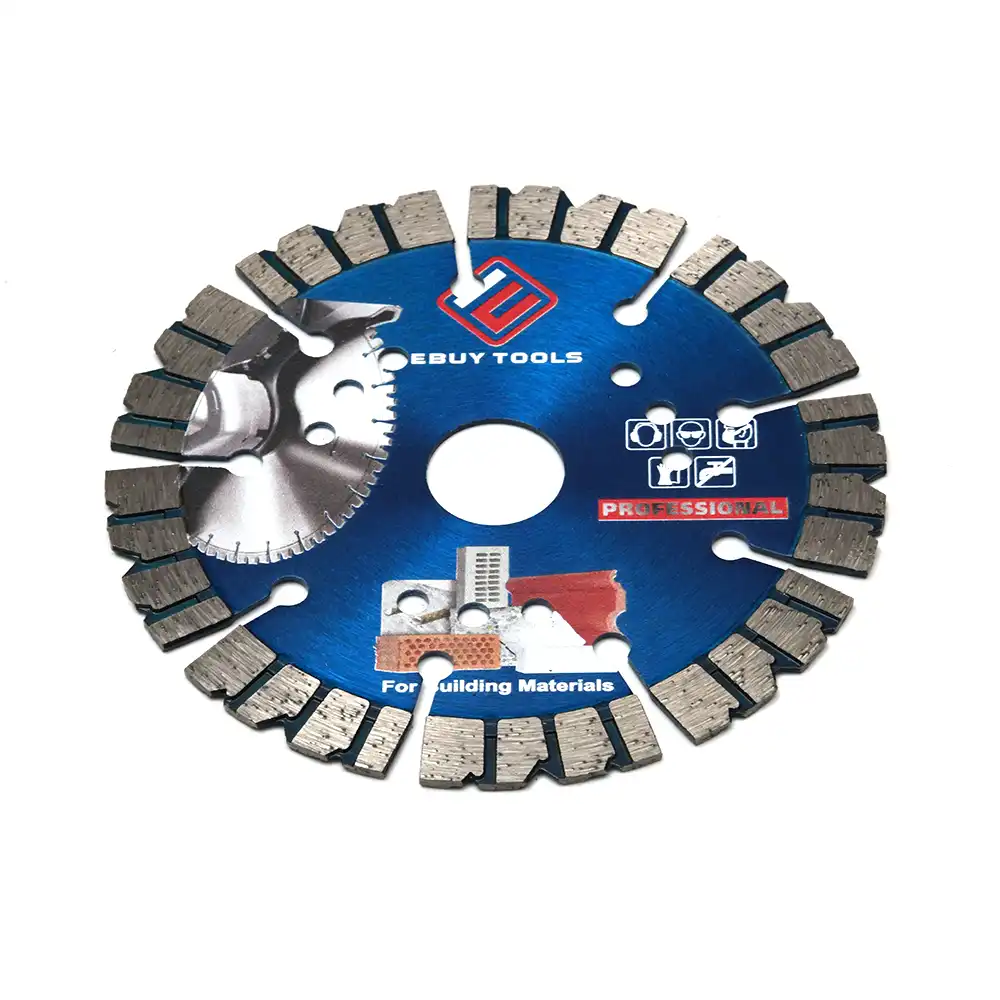
For reinforced concrete, you need diamond saw blade tools that are made to work with composite materials that have both concrete and steel support. Danyang Ebuy Tools' Turbo Diamond Cutting Disc has continuous serrated edges that bite into steel while keeping the right amount of friction for concrete surfaces. When normal blades hit rebar, they tend to bind and lose segments. This design stops that from happening. The turbo edge's built-in channels make better airflow, which gets rid of dirt and keeps the blade from getting too hot during deep cuts. For asphalt uses, there are special mixtures that don't let the bitumen's sticky qualities cause glazing. When choosing a blade, it's important to think about the aggregate's hardness (for example, river gravel wears differently than crushed limestone) and whether the cutting will be done wet or dry.
Natural Stone and Tile Applications
Professional stone makers who work with granite, marble, and engineered quartz need blades that are made of different materials. Class 4 and 5 hardness grades for granite call for bold cutting, which can only be done by turbo designs that combine speed with edges that don't chip. Our turbo disc gives you the same results as continuous rim blades, but it has much faster feed rates that are needed for clean miters and thick slab shaping. Because marble is soft, it needs to be cut more carefully, using finer diamond grits and softer links that keep crystal borders from microfracturing. Ceramic tiles made of porcelain are very hard and easily broken, so they need continuous rim designs that spread cutting forces equally along the edge. Having blades that can cut both wet and dry is useful for professional workers because it gives them options for jobs where managing water may be hard.
Specialized Metal Cutting Applications
Diamond blades are usually used for cutting stone and brickwork, but they are also being used more and more for cutting metal, where they are better than abrasive wheels in terms of accuracy and durability. Cutting non-ferrous metals like aluminum, copper, and brass doesn't produce much heat, which lets diamond blades keep the precise measurements needed for precision manufacturing. When working with cast iron, diamond technology is useful because it can handle the rough graphite flakes without wearing out quickly. When it comes to cutting, stainless steel and tool steel are more difficult, but special diamond formulas can help manufacturers who want to use less traditional methods. The main benefit is that the cut quality stays the same throughout the blade's life, which gets rid of the differences in size that happen with gritty discs that wear down quickly.
Maintenance, Safety, and Lifespan Optimization of Diamond Cutting Discs
To get the most out of blade performance and operating safety, you need to be proactive about maintenance and follow set rules. These steps protect both people and equipment while getting the most out of investments in tools.
Best Practices for Blade Maintenance
Diamond blades need to be oiled and sharpened regularly to keep cutting well and avoid breaking too soon. When bonds become covered, dressing methods bring back the cutting action by using rough materials like soft bricks or dressing stones to get rid of the metal matrix and reveal new diamonds. Cleaning gets rid of the waste that gets stuck in the segment gullets. This is especially important when cutting with water, because the slurry can harden inside the blade structure. How the blades are stored has a big effect on how long they last. Keeping them flat keeps them from bending, and keeping them away from moisture keeps the steel core from oxidizing. Danyang Ebuy Tools uses side run-out readings and segment torque tests as part of its quality control process to make sure that every blade meets professional standards before it is sent out. Procurement teams should set up check plans that find early signs of wear so that parts can be replaced before they fail completely.
Critical Safety Protocols
To safely use diamond cutting blade, users must strictly follow safety rules that protect other people around them. When installing blades, the right personal protective equipment includes safety glasses, hearing protection, breathing protection against silica dust, and gloves that won't cut. Verification of equipment compatibility makes sure that blades meet the tool's specs. For example, the highest RPM ratings, arbor sizes, and guard configurations must all be exactly the same. When put on angle grinders, circle saws, and tuck pointers properly, our turbo diamond cutting discs can safely go up to 80m/s. Never go faster than the maker recommends, because too much RPM creates rotational forces that can damage the core. Regular checks are needed on water cooling systems to make sure they keep the right flow rates that keep heat from building up during long cutting operations.
Performance Decline Indicators
By figuring out how blades wear, you can plan repairs that keep the quality of the cuts and avoid downtime. Lower cutting speed means that the bond is glazing over or the diamonds are wearing out, which means that the section needs to be dressed or replaced, based on how deep it is. If there is more shaking, it means that the core is warping due to thermal stress or collision damage, so it needs to be taken out of service right away. Loss of segments or cracks in them are signs of major failure that need to be fixed to avoid safety risks. Using operating logs to keep track of blade performance helps buying teams figure out when to replace blades and improves inventory management. Our ability to make 150,000 pieces every day means that you can always get what you need when your operations need new tools.
Procurement Guide: How to Source and Evaluate Diamond Cutting Blades for Your Business?
Effective sourcing strategies find a mix between lowering costs and making sure quality, source dependability, and expert help are all met. In both the manufacturing and building industries, operational success is driven by strategic ties with suppliers.
Supplier Evaluation Framework
When evaluating diamond cutting disc providers, you need to look at more than just unit price. The ability of suppliers to regularly meet volume needs depends on their manufacturing capabilities. Danyang Ebuy Tools' 77,000-square-meter facility with 319 trained workers provides the infrastructure needed for large-scale supply deals. Quality management systems that include R&D departments and strict testing methods make sure that products are always the same, which is important for uses that are very specific. Certifications like EN 13236 and OSA compliance show that the company is committed to following international rules for making superabrasive tools. When choosing the best blades for a job or fixing performance problems, being able to get technical help is very important. Suppliers who offer application engineering help buying teams find the best solutions that keep costs low and output high.
Pricing Structures and Value Analysis
Total cost of ownership includes more than just the price of the original buy. It also includes things like how long the blade lasts, how well it cuts, and how reliable it is in use. Even though they cost more to buy, premium blades with higher diamond ratios and precision-engineered bond formulas have lower per-cut costs. Volume purchasing deals can help you get better prices and make sure you always have what you need for your production. Strategies for managing working capital and making the most of inventory are affected by payment terms, minimum order amounts, and shipping wait times. Checking the warranty and return policies guards against broken goods and shows the seller that they trust the quality of the manufacturing. Forming partnerships with makers that offer a wide range of products and steady supply lines that support their resale operations is especially helpful for distributors and tooling suppliers.
Building Strategic Supplier Relationships
The long-term success of buying depends on relationships that go beyond simple transactions. Suppliers who put effort into building relationships with customers give the market useful information about new technologies and applications. Customization features allow for the creation of unique solutions that solve the specific operating problems that precise machining shops, automakers, and aircraft fabricators face. Our R&D department works directly with clients to create unique bond matrices and diamond specs that get the best performance out of certain combinations of materials. Quick problem resolution and easy access to technology experts make communication lines responsive and reduce production interruptions. People who work in procurement should look for providers who are dedicated to constant improvement and ready to change their products and services based on feedback from customers and changing industry needs.
Conclusion
Diamond cutting technology changes the way metalworkers, builders, and manufacturers work with materials by offering unmatched flexibility, accuracy, and efficiency. When buying teams know about the specific needs of each material, the rules for making blades, and the right way to keep them in good shape, they can make the best choices for tools that cut costs and boost productivity. The turbo diamond cutting disc is a big step forward in engineering. It combines strong cutting action with a smooth finish by using new edge designs and better materials. Businesses in the automobile, aircraft, mold and die, and general industrial sectors can gain long-term competitive benefits from strategic supplier relationships based on manufacturing capability, technical knowledge, and quick support.
FAQ
Can diamond blades cut through metal as well as concrete?
It is possible for diamond blades to cut non-ferrous alloys, cast iron, and some types of steels, but the blade specs for these uses are different from those for brickwork. When cutting metal, you need to use certain bond formulas and diamond ratios that are best for managing heat and getting rid of chips. Diamond blades work well with aluminum, copper, and cast iron. But when they come to ferrous metals, they make more heat, so you have to be careful with your speed and feed rate. In precision manufacturing, where uniform cut quality and longer tool life make the investment worthwhile, the technology is replacing grinding wheels more and more.
How do I know when to replace my diamond cutting disc?
If the cutting speed drops greatly even though the working conditions are correct, it means that the diamonds are wearing out or the bond is glazing over beyond what can be fixed. When section wear gets close to the steel core, it needs to be replaced right away to keep the core from being exposed to danger. If there is more shaking, strange noise, or pulling in one way while cutting, it means that the structure is damaged and needs to be taken out of service. Setting up operating logs that keep track of the number of cuts made by each blade allows for more accurate replacement scheduling, which stops unexpected failures during important production runs.
What maintenance extends diamond blade lifespan?
By removing the glazed bond matrix and revealing new diamonds, regular cleaning with rough materials brings back the cutting action. When cutting things that are wet, it's especially important to clean the blades after each use so that dirt doesn't build up in the section gullets. Keep blades flat and dry to keep them from twisting and the core from rusting. When cutting, don't put too much side pressure on the workpiece. This will speed up segment wear and could damage the core. Operating within the RPM ranges stated by the maker and using the right cooling methods when instructed greatly increases the life of the diamond cutting disc.
Partner with Ebuy Tools for Premium Diamond Cutting Disc Solutions
Danyang Ebuy Tools has modern production facilities spanning 77,000 square meters and 319 trained workers who are committed to making precision tools. Our turbo diamond cutting disc technology is a mix of cutting edge engineering and tried-and-true performance in tough metalworking, automobile, aerospace, and building tasks. We make 150,000 pieces every day, which makes sure that businesses that need regular quality and on-time delivery always have enough. Our Research and Development (R&D) team comes up with unique ways to solve material problems and meet business needs. As a reliable company that makes diamond cutting discs, we have strict quality control measures in place, such as segment torque testing, run-out readings, and performance verification, to make sure that every disc meets expert standards. Email our technical team at [email protected] to talk about your cutting tool needs and find out how our engineering knowledge can help you improve the speed of your production and lower your costs.
References
Jackson, M.R., & Thompson, K.L. (2021). Advanced Materials Processing: Diamond Tool Technology in Modern Manufacturing. Industrial Press Publishing.
Chen, W., & Rodriguez, P. (2020). Comparative Analysis of Superabrasive Cutting Tools in Precision Machining Applications. Journal of Manufacturing Science and Engineering, 142(8), 081-095.
National Institute for Occupational Safety and Health. (2022). Safe Practices for Diamond Blade Operations in Construction and Manufacturing Environments. NIOSH Publication Series.
Williams, D.A. (2023). Procurement Strategies for Industrial Cutting Tools: A Comprehensive Guide for Manufacturing Professionals. Technical Publishing International.
European Committee for Standardization. (2019). EN 13236: Diamond Tools - Rotating Diamond Tools for Cutting and Drilling - Safety Requirements. CEN Standards Database.
Martinez, S.J., & Kumar, R. (2022). Material-Specific Optimization of Diamond Blade Parameters for Enhanced Cutting Performance. International Journal of Advanced Manufacturing Technology, 118(4), 1247-1263.