.webp)

The development of high performance flap discs is a major turning point in the history of machining abrasive technology. These specialized grinding tools have coated abrasive flaps that overlap and are placed radially on strengthened backing plates. They offer a two-action solution that removes material quickly and precisely. In the last 20 years, new types of abrasive grains, like zirconia alumina and ceramic formulas, have helped fix major problems in the industry, such as short tool life, too much heat production, and uneven surface finishes. Today's flap discs have better sound canceling properties than older grinding wheels, so they last 40% longer and make the job easier for the person doing it.
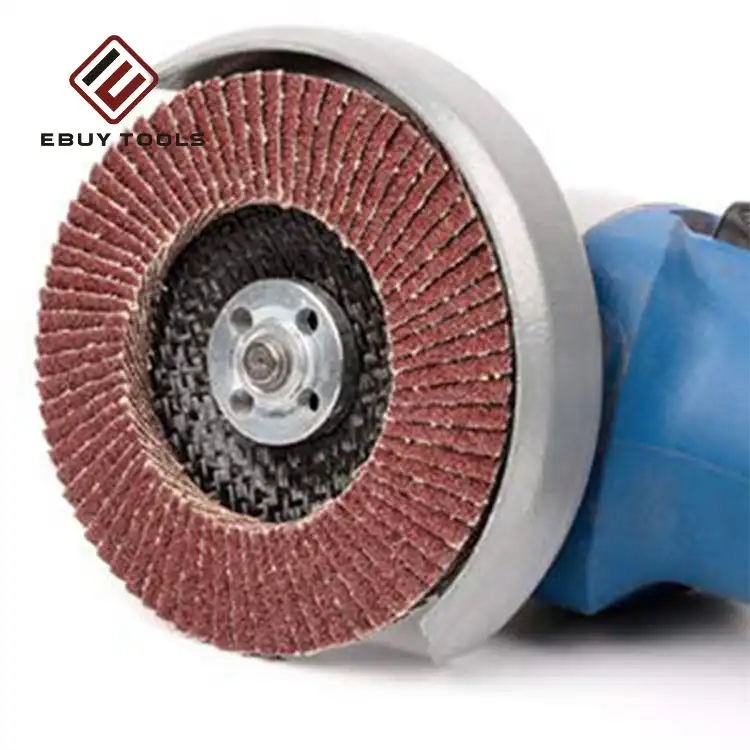
The Rise of High Performance Flap Discs: From Basics to Breakthroughs
Understanding how these flap discs are made and how they work is key to understanding why they are so important in precision manufacturing. The basic design is made up of overlapped pieces of abrasive cloth that are glued to a central hub. This makes a stacked structure that keeps showing new cutting edges as the outer material wears away.
Understanding Traditional Abrasive Limitations
Traditional grinding wheels and resin fiber discs were very hard for metal manufacturing shops to work with. Rigidly attached wheels caused too much shaking while they were working, which made the operator tired faster and caused uneven surface patterns. Because it couldn't adapt to odd shapes, it was necessary to switch between different tools for each stage of grinding. Resin fiber discs were flexible, but they broke down quickly when put under constant pressure, so they had to be replaced often, which slowed down production. As long grinding sessions went on, heat built up and discolored stainless steel parts, making them less resistant to rust, which is important for making equipment for food processing and pharmaceuticals.
Material Science Advancements Driving Performance
The creation of zirconia alumina grains was a major step forward in the field of abrasives. This designed material possesses self-sharpening properties through controlled micro-fracturing, keeping the same cutting edge throughout the disc's useful life. zirconia alumina is 30% tougher than regular aluminum oxide abrasives. This means that tools will last longer when they are used for heavy grinding loads. Sol-gel technology, which makes very sharp grain structures, was added to ceramic alumina formulas to improve their performance even more. When cutting heat-sensitive materials like titanium alloys and superalloys, which are often used to make aircraft parts, these modern ceramics keep their cutting efficiency.
Grain changes were paired with new manufacturing techniques in backing plate engineering. fiberglass-reinforced backing materials keep the structure strong while absorbing noises from operations that would otherwise reach the object and the person operating the machine. When you mix glass fiber substrates with high-performance glue systems, the flap stays in place even in tough situations, so you don't have to worry about rough surfaces getting messed up on perfectly smooth ones.
Design Evolution for Operational Efficiency
When Type 27 flat and Type 29 conical shapes were made, they were made to meet special application needs in industrial fields. Type 27 designs keep contact angles between 0 and 15 degrees, which makes surface mixing work best on flat shapes. The steep shape stops gouging and gives a smooth finish, which is important for getting paint to stick. Type 29 conical setups have flaps that are angled at fifteen to twenty-five degrees. This makes the most contact with the material for strong stock removal on curved surfaces and leveling weld seams.
Optimizing grit size is another important step in development. Coarse grits (36 and 40) quickly get rid of heavy weld beads and mill scale, while finer grits (80 and 120) give surfaces that are almost smooth and can be used in clean stainless steel applications. Because different grit levels can be found in the same tool format, there are no longer any breaks in work that were needed to switch between grinding and finishing tasks.
Comprehensive Comparison: Flap Discs Versus Other Abrasive Solutions
When procurement teams look at investments in flap discs, they need objective performance data to back up their spending and make the best use of business funds. Understanding how these tools stack up against other options is the first step in making smart buying choices.
Performance Metrics That Matter
Rates of material removal show how improved abrasive technology can boost production. ceramic alumina grain abrasives remove 18-22% more material per minute than normal aluminum oxide grinding wheels at the same working pressures, according to tests done on a quarter-inch carbon steel plate. This means shorter cycle times in places where a lot of things are being made and every second counts toward the processing capacity.
Measuring the level of the surface finish shows another big benefit. When carbon steel is ground with a flap disc, the Ra value is usually between 60-80 microinches, while it is 90-120 microinches when using traditional grinding wheels with the same conditions. The overlapping flap design softens each cutting action, stopping the rough slicing patterns that happen with rigidly attached wheels. This controlled material removal method works especially well for preparing body panels for cars and finishing aircraft parts.
The cost of using a tool over and above its initial buying price is directly affected by how long it lasts. A lot of tests in the field at shops that work with structural steel showed that ceramic mixtures last 250-300% longer than regular resin fiber discs. The self-sharpening grain technology keeps the cutting performance stable over the life of the tool, so there is no loss of productivity like there is with regular abrasives as they wear down. It is common for high-performance choices to have 40-50% cheaper costs per cubic inch of material removed, even though they cost more up front.
Supplier Selection Criteria for Procurement Success
When looking at possible manufacturing partners, you need to look at more than just unit price. Production capacity is one of the most important things to think about for businesses that need a steady supply of goods. Manufacturers with factories that make more than 150,000 units a day have the means to handle large-scale contracts without having to worry about delivery delays during times of high demand. Our 77,000 square meter facility and 319 trained workers at Danyang Ebuy Tools make sure that we always have the right tools in stock for jobs that need to be done quickly.
Professional makers can tell the difference between commodity providers and quality control systems. Look for partners who use thorough testing procedures to check the strength of the grain adhesion, the integrity of the backing plate, and the accuracy of the grit spread across all production runs. Suppliers who offer thorough design documents and performance testing data show that they have the technical know-how to support demanding applications.
Being able to customize gives distributors and original equipment makers (OEM) strategic benefits. Having the option to create custom abrasive mixtures for specific material combos or to include private labeling opens up more market possibilities. Talking about minimum order quantities with potential suppliers during the initial evaluation process helps you see if the customization choices fit with your business plan and volume needs.
Optimizing Flap Disc Performance: Best Practices and Safety Guidelines
To get the most out of your purchases in flap discs, you need to know how to use them correctly and what settings to set for safety and extended tool life.
Matching Specifications to Application Requirements
By choosing the right grit sizes for flap discs on the material and amount of finish you want, you can avoid premature tool wear and less-than-ideal results. Coarse grits (36 to 40) are great for getting rid of heavy weld gaps and mill scale on carbon steel structure parts. The rough cutting action quickly gets rid of surface flaws but leaves noticeable scratch patterns that aren't good for uses that need smooth finishes. Medium 60-80 grit options combine the rate of material removal with better surface smoothness. This makes them flexible choices for general manufacturing jobs involving aluminum and carbon steel. Fine 120 grit versions provide nearly smooth surfaces that are needed for stainless steel cleaning machinery and parts that need good paint adhesion.
Abrasive type selection is affected by material stiffness in more ways than just grit size. ceramic alumina mixtures work best on unusual metals and hardened tool steels, where regular aluminum oxide grains would wear down quickly. zirconia alumina is the best mix for heavy-duty carbon steel fabrication because it extends the life of tools without the high cost of ceramic choices. aluminum oxide still works for softer metals and upkeep tasks that don't require removing a lot of material.
Critical Safety Protocols for Industrial Environments
When you attach flap discs correctly, they don't break in terrible ways that could hurt the person using them. Always check the backing plates for damage or cracks before installing them, because structures that aren't strong enough will fall apart while they're being used. To make sure the connection is safe under working loads, the thread engagement depth must meet the manufacturer's requirements. When you tighten down attaching hardware too much, it can bend backing plates and cause stress concentrations that speed up failure.
The speed limits that are written on each tool must never be surpassed. If you use a four-inch disc with a maximum speed rating of 13,300 RPM on a grinder that can spin at higher speeds, the disc will break apart. When spinning at very high speeds, the centrifugal forces are stronger than the glue bonding strength. This causes the flaps to separate, which is very dangerous. Before you start working, you should always make sure that the grinder's specs match the tool's scores.
Personal safety equipment (PPE) rules cover more than just eye protection. Face shields give you extra protection against bigger objects that could get around safety glasses. When grinding for long periods of time and the noise level is above 85 decibels, hearing protection is required. Wearing respirators keeps you from breathing in metal particles and rough dust, especially when working with materials that give off dangerous fumes, like coated steel or alloys containing lead.
Maintenance Strategies That Extend Operational Life
The way flap discs are stored has a big effect on how well they work and how long they last. When fiberglass-reinforced backing materials and glue gluing systems are exposed to high humidity, they become less strong. Keeping storage places between 65-75°F and below 65% relative humidity will protect the integrity of tools for the usual three years. Stay away from places where the temperature changes quickly, which speeds up the breakdown of materials.
The way a tool is used affects how it wears and how well it works overall. Keeping touch angles between 15 and 30 degrees is the best way to get rid of material and keep flaps from wearing out too quickly. Too much pressure makes heat that isn't needed, which speeds up grain dulling and makes cutting less effective. Rather than pushing material removal, letting the tool's built-in cutting action do the work leads to better results and longer operating life.
Procurement Insights: How to Buy High Performance Flap Discs Effectively?
To make smart buying choices, you need to know how the market works and what the seller can do, because these things affect both short-term costs and long-term operating efficiency for flap discs.
Navigating Pricing Structures and Volume Opportunities
The market for flap discs uses tiered prices, which means that promises to buy in bulk have a big effect on unit costs. When you buy less than 100 units, the prices you see are usually the store prices, and you can't really change them. When you buy 500 to 1,000 units, you can access different price levels for distributors that lower costs by 25-35% compared to buying in small amounts. When you buy more than 5,000 units, you can get straight manufacturer price that's close to the production cost margins. This is the best way for businesses that do a lot of work to make money.
Knowing the difference between standard and customized goods affects how you plan your budget. Standard sizes and grit progressions that are already made and ready to ship within 10 to 15 business days with only minor price increases. Custom recipes that need unique grain mixes or private labeling have longer lead times and higher minimum order numbers, which start at around 2,000-3,000 units per standard. Checking to see if standard choices meet practical needs before going for customization avoids extra cost and complexity.
Supplier Evaluation Beyond Price Considerations
Professional manufacturers are different from transactional providers because they offer technical help for flap discs. Partners who offer application engineering help make the best choice of abrasives for different types of materials and work needs. This consultative method stops expensive loops of buying things over and over again and makes sure that specifications are met from the very first order. Technical data sheets with thorough information about performance make it possible to compare choices in a smart way.
More than small price differences, supply chain dependability affects the continuation of production. When suppliers keep a lot of goods on hand and enough production capacity, long backorders don't stop work from getting done. Talking about backup plans for times when demand goes up with possible suppliers helps you figure out if they can grow with your business. Shipping costs and delivery times are affected by how close two places are to each other. This makes domestic manufacturers appealing, even if their prices per unit are higher than those from foreign manufacturers.
Consistency in quality across production batches stops performance changes that come as a surprise and throw off operations planning. During the review process, ask for samples from more than one production lot to make sure they meet the requirements. Suppliers who use statistical process control systems show that they have the manufacturing discipline to keep important factors like grit distribution and backing plate thickness within tight ranges.
Future Trends in Flap Disc Technology and Industrial Applications
New technologies are expected to improve the performance of flap discs even more, while also addressing worries about sustainability that are growing in the manufacturing industry.
Next-Generation Material Development
Ceramic and zirconia properties are combined in research into mixed grain mixtures for flap discs to improve performance across a wider range of applications. These mixed abrasives keep ceramic's better cutting power on tough materials while showing zirconia's ability to handle heavy grinding loads. Lab tests show that when hybrid formulas are released to the market, they could provide 15-20% better performance compared to present single-grain technologies.
Nanotechnology uses in abrasive grain engineering show promise for making mechanical tasks more precise than ever before. Nano-structured grain surfaces make tiny cutting edges that lower the amount of friction and heat that is made while grinding. Prototypes show surface finish improvements on carbon steel that are getting close to Ra values of 40 microinches. This could mean that extra finishing processes aren't needed in some demanding situations.
Smart Manufacturing Integration
Embedded sensor technology that tracks tool wear in real time is one way that Industry 4.0 ideas are starting to change flap discs. Wirelessly-enabled backing plates with temperature and sound sensors give workers real-time information about how things are running. This data-driven method makes it possible for predictive maintenance plans to replace tools based on their real condition instead of random time intervals. This improves inventory management and stops tools from breaking down during important production runs.
Vision recognition technology is used in automated grinding systems to change the way they work based on a real-time study of the object. These smart systems choose the right contact forces and grinding angles to get the surface finish that is needed while also making the tool last as long as possible. When artificial intelligence is used in metalworking, investments in flap discs will be used more efficiently, which will help get the most out of them.
Sustainability Initiatives Reshaping the Industry
Eco-friendly flap discs options are being made because of environmental laws and business social responsibility promises. Manufacturers are looking into recyclable backing materials made from green resources that can still hold their shape for industrial uses. Recycling programs that take used sharp tools to recover materials reduce the amount of waste that ends up in landfills and get valuable minerals that can be used to make new products.
Water-based glue systems are another step forward for sustainability because they don't use volatile chemical molecules like traditional bonding agents do. These products are better for the environment and still give the same level of performance. They also make it easier to meet regulations and reduce worries about air quality in the workplace. Sustainable manufacturing practices are being used throughout the supply chain because more and more buyers want to do business with companies that care about the environment.
Conclusion
The development of high performance flap discs technology has completely changed how welding is done in all areas of precision manufacturing. Advanced grain engineering, optimized backing plate designs, and application-specific setups boost output and make premium investments worthwhile by extending tool life and improving finish quality. Procurement teams can get the most out of their tooling spending by learning about the differences in performance between types of abrasives, using the right operating methods, and choosing manufacturing partners who can do the job. As smart manufacturing integration and new developments in material science continue to move forward, these important workshop tools will offer even greater efficiency gains while meeting the sustainability standards that will shape the future of the industry.
FAQ
What causes glazing on abrasive grinding discs during operation?
When sharp grains wear down without breaking, new cutting edges show through. This is called glazing on flap discs. This state usually happens when there isn't enough operational pressure or the grain types of the material and the process don't match up. Most glaze problems can be fixed by using ceramic formulations on stainless steel, since the grain structure is designed to work with the stiffness of austenitic steels. If you change the grit specs to something coarser or raise the contact pressure, the micro-fracturing process starts up again. This is necessary for the tool to self-sharpen.
How do I determine whether Type 27 or Type 29 configurations suit my application?
Type 27 flat shapes work best for finishing and mixing surfaces that are flat. The small contact angle stops cutting and makes scratch designs that are all the same. Type 29 conical designs get rid of the most material on curved surfaces and smooth weld seams by covering more surface area. If you try to aggressively remove stock with Type 27 discs on shapes that aren't straight, you get mixed results. On flat surfaces, using Type 29 choices often leaves swirl marks that you don't want.
What storage conditions preserve abrasive tool performance and safety?
Keeping storage areas between 65-75°F and below 65% relative humidity will protect the stability of backing materials for the three years that is the usual shelf life in the industry. When there is too much humidity, fiberglass-reinforced surfaces become soft and glue bonding systems break down, which can be dangerous during operation. Changes in temperature speed up the breakdown of materials even when normal conditions are within safe limits. Setting aside climate-controlled storage areas just for your grit goods will protect your investment and make sure that your tools always work well.
Partner with Ebuy Tools for Superior Abrasive Solutions
Danyang Ebuy Tools manufactures high-quality flap discs that are designed to work with metal in tough situations in the aircraft, automobile, and precision fabrication industries. Our 77,000 square meter factory makes about 150,000 cutting tools every day, so we can always meet the needs of jobs that need to be finished quickly. We create three different types of abrasives: ceramic alumina, zirconia alumina, and aluminum oxide. Each is best for a certain type of material and process. When the minimum order quantity is met, our technology team works with procurement managers to come up with unique solutions, such as private labeling. Get in touch with our abrasive experts at [email protected] to talk about your needs with a reputable flap discs maker that is dedicated to making every product precise, long-lasting, and innovative. You can look at our full list of specs and request performance testing data at ebuy-tools.com to help your supplier review process.
References
Marinescu, I.D., Hitchiner, M., Uhlmann, E., Rowe, W.B., and Inasaki, I. (2016). Handbook of Machining with Grinding Wheels. CRC Press, Boca Raton, Florida.
Malkin, S. and Guo, C. (2008). Grinding Technology: Theory and Application of Machining with Abrasives. Industrial Press, New York.
Jackson, M.J. and Davim, J.P. (2011). Machining with Abrasives. Springer Science & Business Media, New York.
Klocke, F. (2009). Manufacturing Processes 2: Grinding, Honing, Lapping. Springer-Verlag, Berlin.
Webster, J.A., Cui, C., Bird, R.B., and Lindsay, R. (2007). Grinding Fluid Application System Design. CIRP Annals - Manufacturing Technology, Volume 56, Issue 2.
Brinksmeier, E., Aurich, J.C., Govekar, E., Heinzel, C., Hoffmeister, H.W., and Peters, J. (2006). Advances in Modeling and Simulation of Grinding Processes. CIRP Annals - Manufacturing Technology, Volume 55, Issue 2.
_1775721785360.webp)