.webp)

Choosing the right masonry drill bit can make your team's work on concrete, brick, and stone jobs go much more quickly and easily. After looking at hundreds of drilling jobs in factories, I've found the key differences between tools that work well and ones that break down and cost a lot to fix. This guide talks about the criteria for choosing cores, such as checking the carbide grade and the flute shape.
It helps procurement managers find drilling solutions that give them accurate holes every time while reducing the number of times they have to replace the tools. Knowing the differences between these technical terms is important for protecting your business budget and project timelines, whether you're stocking CNC workshops or selling to wholesale wholesalers.
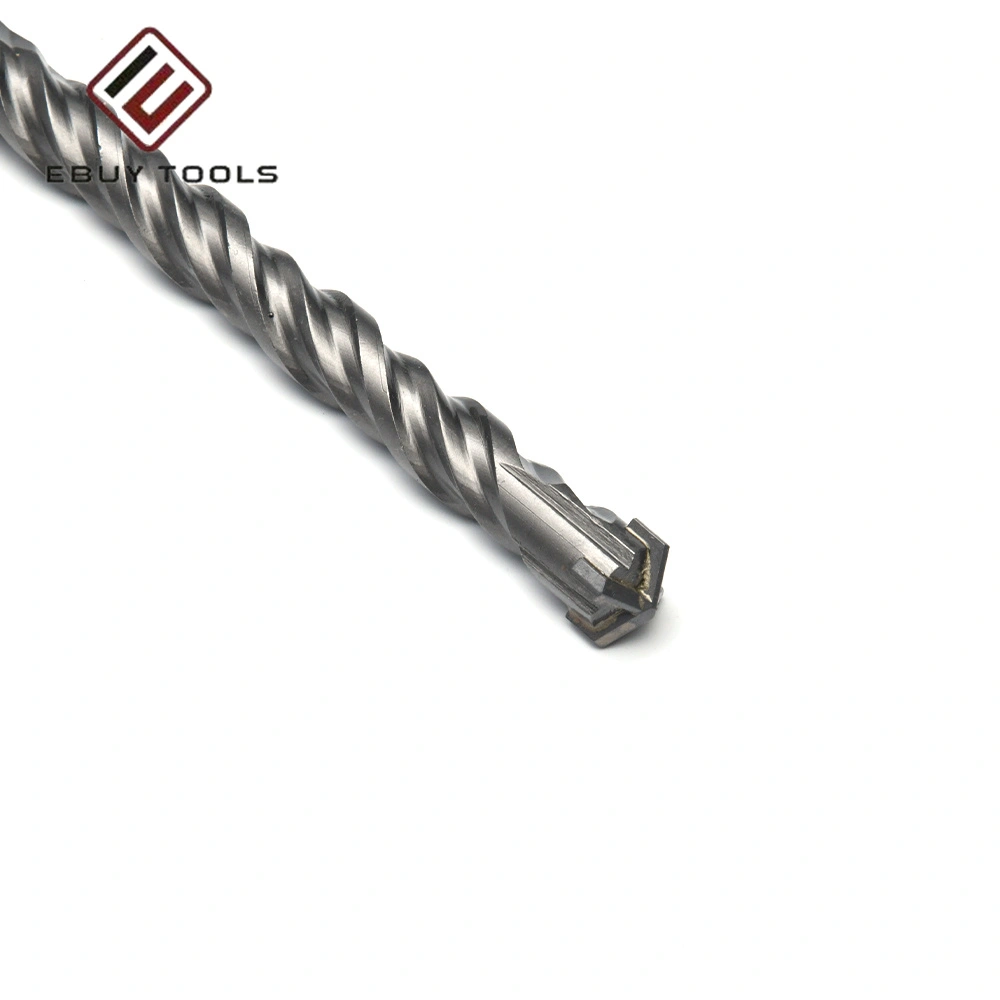
Understanding Masonry Drill Bits – What They Are and How They Work
Find out what masonry drill bits are and how they work. Standard metal-cutting bits and masonry drilling tools work in very different ways. These specialized tools use a fracture-and-crush system to cut through high-compressive-strength supports, while HSS bits cut through material by shearing it.
Core Design Architecture
A tungsten carbide plug is brazed onto a heat-treated steel stem, which is the basic structure. This combined structure solves three important problems: the thermal edge breaking down during long drilling sessions, fast penetration loss in reinforced concrete, and dust buildup that makes bits seize up in deep holes. The carbide tip can take multiple impacts and still keep its cutting geometry. This is something that regular drill bits can't do in brick work.
Chrome-Vanadium steel shanks that have been strengthened to HRC 48–52 give the required twisting resistance without breaking easily. The brazing bond between the carbide and steel is a key sign of quality. Top makers use copper or silver-based alloys that can withstand temperatures above 800°C to keep the tip from coming off during use.
Distinguishing Features from Standard Bits
Bits for cutting wood and metal have sharp cutting edges that are meant to separate fibers or break metal. Different types of masons use chisels with blunt 130° tips that focus impact energy on specific places of failure. The flute design's purpose is to remove dust rather than chips. Double U-flute or L-flute shapes create negative pressure that pushes the crushed material away from the cutting zone.
Types and Material Variations
Professionals mostly use bits with carbides on them, and YG8C grade tungsten carbide has HRA scores of 88 to 91. As long as this standard is followed, the silica particles in concrete will not wear down the material. For moderate-duty tasks, steel-bodied versions with brazed carbide inserts offer a good mix of price and performance. Solid carbide bits, on the other hand, meet the specific high-precision needs of aircraft tool manufacturing.
Standard sizes are based on metric standards and range from 4mm to 40mm in diameter. For through-wall penetrations, lengths range from 110mm to 1000mm. When you match the bit width to the anchor specs, you keep the structure's integrity. Holes that are too big weaken the pull-out strength, and holes that are too small fail anchor installations.
Key Factors to Consider When Choosing Masonry Drill Bits
Material longevity, operational compatibility, and lifetime costs must all be taken into account when making purchasing choices for a masonry drill bit. The following factors have a direct effect on how well a tool works in workplace settings.
Material Quality and Carbide Grading
Wear resistance and temperature stability depend on the quality of the tungsten carbide. The YG8C grade is the standard in the business. It has tungsten carbide particles and an 8% cobalt binder for the best toughness-to-hardness ratio. Lower cobalt amounts make the concrete harder, but they also make it less resistant to impact, which means that the tips break off too soon when they hit rebar in reinforced concrete.
The type of steel used in a shank affects how it transfers pressure and absorbs shock, and for a masonry drill bit, this becomes especially critical because the shank must endure repeated percussive forces; Chrome-Vanadium metals that have been heated past HRC 48 have the flexibility to bend instead of snap when suddenly loaded on the side, which is an important safety factor in heavy-duty rotary hammer uses.
Compatibility with Drilling Systems
Power tool interoperability is based on the shank design. Standard round shanks can fit into most three-jaw chucks, but they can slip when there is a lot of pressure on them. The SDS-Plus and SDS-Max systems use grooved shanks that lock into special chucks. This keeps the shanks from slipping while still allowing axial float, which sends as much hammer energy as possible to the cutting edge.
To make sure a hammer drill is compatible, the impact energy rates need to be checked. If you use a rotary drill, the carbide bonding strength isn't strong enough for impact tasks, so bits made for rotary drills will break before they're supposed to.
Geometry Influence on Performance
The shape of the tip has a big impact on how well and accurately the hole is drilled. Standard two-cutter designs work well for brick and unreinforced concrete. Four-cutter cross-head shapes, on the other hand, keep the cutter from getting stuck when it comes across embedded steel reinforcement. The extra cutting edges keep the tool aligned as it moves through different types of material, making holes that are rounder and more accurate in diameter.
Lifespan and Maintenance Considerations
Rates of dust removal depend on the depth and slope of the flutes. In deep holes, shallow flutes quickly get stuck, creating friction heat that wears away carbide edges. Professional-grade bits have flute sizes that are perfectly balanced between structural strength and evacuation capacity. This makes them last longer in tough situations.
How long a tool lasts relies on how it is used and its quality. When diameter loss affects hole accuracy, high-end bits have wear markers, which are usually lines on the flute helix. Once these marks are gone, continued use makes holes that are too small, which lowers the anchor load capacity. As part of regular upkeep, the flutes should be cleaned often while deep-hole drilling to keep the dust from building up and causing the machine to overheat. It doesn't work to try to sharpen carbide tips because the brazed junction shape can't be recovered by grinding them by hand.
Top-Rated Masonry Drill Bits for 2026 – Comparison and Reviews
Professional procurement means comparing well-known makers' performance to standards that are useful in industry settings for a masonry drill bit. The evaluation below is based on data from field tests and user comments from the manufacturing and building industries.
Leading Manufacturer Capabilities
Bosch has a strong market presence thanks to their Blue Granite carbide bits, which have improved tip shape that makes walking on smooth surfaces easier. Although their four-flute design makes dust removal faster, concentricity tolerances change between production batches, which is something to keep in mind for uses that need to be very precise with anchors.
The Rock Carbide line from DeWalt focuses on toughness in reinforced concrete. It has aggressive tip geometries that keep penetration rates high when hitting rebar. The downside is that the hole finishes aren't as smooth as those of precision-ground rivals. This is fine for mechanical anchor setups but could be a problem for chemical anchor uses that need clean hole walls.
Makita focuses on deep-hole drilling with longer models that have bigger blade sizes. Their masonry drill bits concrete feature carbide brazing that is always of good quality, even when the temperature changes. However, the joint stiffness isn't always as good as it should be, which can affect how much force is transmitted when the load is high.
Hilti's TE-CX and TE-YX lines, which go through strict PGM approval, give them a premium place. This European testing standard makes sure that the geometric accuracy of the drilling is in line with what the anchor maker requires.
Performance in Concrete and Brick Applications
For drilling concrete from C20/25 to C50/60 grades, the bits must be able to keep their edge shape under constant percussion loads. Cross-head designs have a 40–60% higher entry rate than standard two-cutter versions when they come across reinforcement, which cuts down on project times and equipment wear.
For brick uses, lower impact energy values with precisely ground carbide tips keep the base from cracking. Too much percussion can damage surfaces that people can see, which is especially bad for facade work where both structural performance and visual quality are important.
Value Analysis and Kit Considerations
You can buy individual bits for specific diameter needs, or you can buy kits that cover a range of diameters for typical anchor needs. The economics of a kit depend on how it is used. Facilities that do a variety of drilling tasks save money by buying complete sets, while specialized operations save money by buying large quantities of specific high-use sizes.
One important thing to think about is how the quality of cheap kits varies. To meet pricing goals, manufacturers sometimes mix high-end bits with lower-quality versions. This means that each bit needs to be inspected separately instead of thinking that the quality of the whole kit is the same.
Common Problems with Masonry Drill Bits and How to Avoid Them
Problems with operations make tools less useful and raise project costs. By understanding how failures happen with a masonry drill bit, you can take steps to keep bits from breaking and keep boring precisely.
Premature Bit Breakage
The main reason for breaking is lateral loading that happens during drilling. Binding in deep holes creates rotational stress that is higher than the shank's flexibility limits, which leads to a quick break. For prevention, the bit needs to be pulled out regularly to clear the flutes, drilling angles need to stay straight, and too much feed pressure that pushes the bit through difficult zones needs to be avoided.
Failure is also caused by thermal shock from not cooling enough between cycles. When you keep drilling at high speeds without stopping to cool down, the carbide temperature rises above the limits of the brazing alloy, which causes the tip to come off. In professional practice, bits are pulled out every so often to let the air around them cool down.
Accelerated Dulling and Edge Wear
Mismatched carbide grades to the intensity of the application speed up wear. When used with high-silica concrete materials, bits made for brick quickly wear out, so diameter improvements are needed in the middle of a job. Tool life is kept low by matching carbide hardness grades to material abrasiveness.
When spinning speeds are off, too much friction makes wear worse. Manufacturers list the RPM ranges that work best for each bit width. Going over these limits creates heat that softens the edges of the carbide, while not going fast enough makes it harder for the bits to break, which leads to too much feed pressure that speeds up mechanical wear.
Selection Errors and Compatibility Issues
A common buying mistake is matching the wrong type of shank to the wrong kind of drilling tools. It's not possible for SDS-Plus bits to fit into SDS-Max chucks and vice versa. Also, standard round shanks can't handle the pressure of heavy-duty rotating hammers. Checking stocks of equipment before buying in bulk stops problems with compatibility.
When using anchors, the diameter accuracy requirements for masonry drill bits concrete are important. Bits that don't have PGM certification or similar quality standards may make holes that are too big because of production run-out, which lowers the anchor pull-out strength and might be against structure engineering standards.
Buying Guide & Procurement Tips for Masonry Drill Bits
Strategic sourcing finds the best mix between unit prices right now, success over time, and supply stability for a masonry drill bit. The following method for buying things makes the total cost of ownership the lowest possible for industrial drilling activities.
Sourcing Channels and Supplier Evaluation
Online industrial markets offer a wide range of products at low prices, but it can be hard to verify the authenticity of the products sold there. Checking the seller's qualifications and asking for mill certificates with carbide specs can help keep you from getting fake tools that break too soon.
Distributors of specialized cutting tools can help with technical questions and give useful application advice for boring tasks that are more complicated. The extra money they charge over the direct maker price buys them knowledge in choosing bits, fixing problems, and managing warranties, all of which lower business risk.
Direct connections with manufacturers work well for businesses that need to produce a lot of goods and need regular quality and specific requirements. Setting up supply deals with factories that have strong quality systems—ISO 9001 certification is a good starting point—ensures stability from batch to batch, which is important for keeping production going.
Quality Verification Criteria
The supplier evaluation should check the brazing shear strength testing procedures to make sure that the carbide-to-steel joints can handle the temperatures needed for operation. Concentricity testing shows how precisely the parts were made—run-outs greater than 0.05 mm make oval holes that can't be used for precise anchor installations.
Warranty terms show that the company that made the product is confident in its longevity. Comprehensive coverage that addresses early failure due to material flaws rather than misuse is a sign of quality assurance investment.
Bulk Purchasing and Negotiation Strategies
When you agree to a certain amount of goods, you can get savings that range from 15% for small amounts to 35% for yearly contracts. More value is added than just headline discounts when you negotiate payment terms along with unit price. For example, longer net terms make it easier to handle cash flow.
When you combine purchases from several locations, you get more power with national wholesalers, who give priority to accounts with steady income streams. It's easier to negotiate when you present a list of all the cutting tools you need instead of just a few bit orders.
Customization and OEM Opportunities
Private labeling lets distributors and tools sellers build their own brands while still being able to use the production capacity of manufacturers. Minimum order numbers usually start at 5,000 units, and you can customize the packing design, the range of diameters, and the carbide grade.
A feature that can be changed is whether the packaging is specialized for store display or bulk industrial packing for wholesale sales. Companies that do their own packing have more options than companies that hire outside companies to do it, but this can change lead times and the cost of customization.
Conclusion
In conclusion, the success of masonry drill bit drilling rests on how well the carbide specs, geometry configurations, and shank systems fit the needs of the job. Premium bits with confirmed carbide grades, precise manufacturing tolerances, and strong brazing offer better lifetime value than cheaper options that lower operating efficiency by breaking down too soon. Strategies for buying things that focus on supplier quality systems, full warranty coverage, and easy access to expert help keep projects on schedule and lower the total cost of ownership. The differences described here help people make smart choices that balance the costs of getting something now with the trustworthiness of its performance in the long run.
FAQ
What determines the best masonry drill bit for reinforced concrete?
The four-cutter cross-head design keeps the cutter from getting stuck when it hits rebar, and the YG8C tungsten carbide can handle the wear and tear from high-strength concrete materials. SDS-Plus or SDS-Max shanks make sure that rotary hammers can transfer enough force, and PGM approval makes sure that the accuracy of the holes meets the requirements for structural anchors when selecting a masonry drill bit.
Can I sharpen worn carbide bits to restore performance?
Carbide tip cleaning doesn't work and could be risky. The brazed carbide insert geometry can't be properly recovered by grinding by hand, and when people try, they usually end up with uneven cutting edges that make the bit wobble and fail more quickly. Once the wear signs go away, replacement is the only safe option.
Why do budget bits fail faster than premium options?
When hit hard enough, lower-grade carbide that doesn't have enough cobalt as a binder breaks, and when the soldering metals aren't strong enough, the tip comes off. Tolerances in manufacturing that affect concentricity cause uneven wear patterns, and steel shanks that aren't hard enough cause them to break early when they're under a lot of stress.
Partner with Ebuy Tools for Professional Masonry Drill Bit Solutions
Our 77,000-square-meter factory in Danyang City, where 319 skilled workers make over 150,000 cutting tools every day, is where Ebuy Tools makes precision-engineered drilling solutions. Our line of masonry drill bits has four-flute designs that make it easier to remove dust and tight spec control that makes sure the anchor works perfectly. The premium carbide inserts are hardened to an HRA 88–91 level.
We work with companies that make cars, work in aerospace, and distribute goods to other businesses that need solid supply lines and full quality checks. Email our purchasing experts at [email protected] to talk about bulk prices, OEM customization, and technical specs that are specific to your needs. As a well-known company that makes masonry drill bits, we can give your projects the stability and performance they need.
References
1. German Institute for Standardization, "DIN 8039: Carbide-Tipped Masonry Drill Bits - Technical Requirements and Testing Methods," 2019 Edition.
2. American Concrete Institute, "ACI 355.2-19: Qualification of Post-Installed Mechanical Anchors in Concrete and Commentary," Farmington Hills, Michigan, 2019.
3. European Organisation for Technical Assessment, "ETAG 001: Guideline for European Technical Approval of Metal Anchors for Use in Concrete - Annex C: Anchor Installation Requirements," Brussels, 2013.
4. Construction Industry Research and Information Association, "CIRIA Guide C758: Drill Bit Selection for Post-Installed Fixings in Masonry Substrates," London, 2020.
5. International Organization for Standardization, "ISO 5468: Rotary Tools for Drilling - Carbide-Tipped Masonry Drill Bits with Cylindrical Shanks," Geneva, Switzerland, 2016 Edition.
6. National Institute of Standards and Technology, "NIST Special Publication 1500-10: Tool Wear Mechanisms in Carbide Drilling of High-Strength Concrete," U.S. Department of Commerce, 2021.
_1732239824901.webp)