.webp)

Increasing the diamond saw blade's lifespan has a direct effect on your bottom line because it cuts down on the number of times you have to replace it and the number of costly production stops. The key is to understand how blades work, choose the right types of blades for different materials, keep the cutting settings at their best, and do regular upkeep.
When cutting concrete, granite, or pottery, make sure the blade design—segmented, continuous rim, turbo, hot pressed, or brazed—is right for the job. This way, the diamonds will wear evenly and not come loose too soon. Good feed rates, the right way to cool the blade, regular dressing to stop glazing, and smart buying habits all work together to make blades work better and save money in industries like metalworking, automobile, aircraft, and mold making.

Understanding Diamond Saw Blades and Common Wear Issues
Blade Construction and Design Variations
A diamond saw blade is made up of a heat-treated steel core—usually SAE 1050 or 1070 for everyday use, or 75Cr1 for high-stress situations—that has diamond-filled pieces connected to it. There are different ways to connect the blades: laser welding is best for general-purpose blades, silver brazing makes the blades more resistant to heat, and integral sintering (hot pressing) makes the bond stronger. The diamond particles are man-made grinds that are either monocrystalline or polycrystalline and are set in a metal matrix that acts as a bonding material.
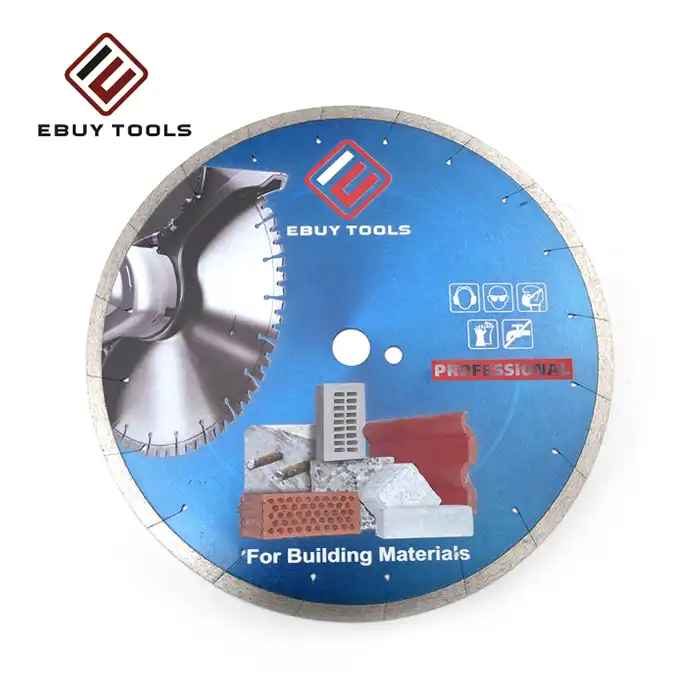
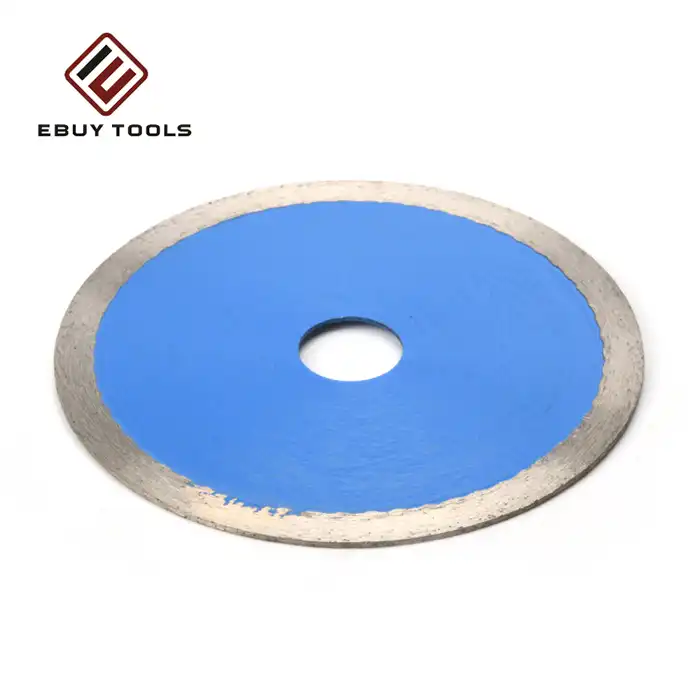
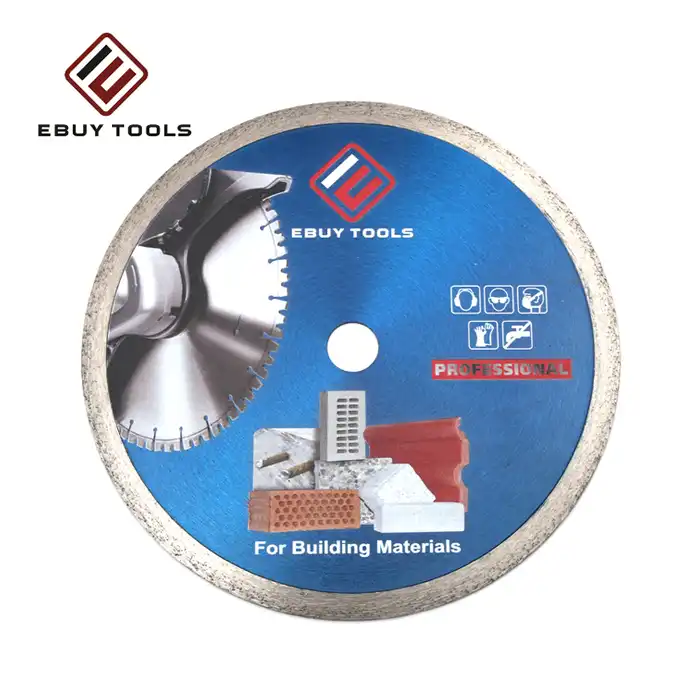
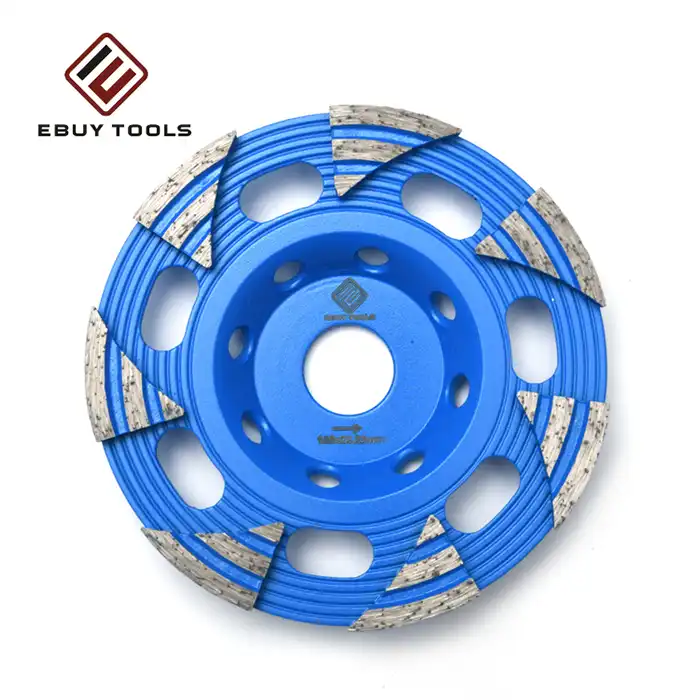
Different rim configurations meet the needs of different applications. Segmented blades are great for dry cutting concrete and brickwork because they have gullets (gaps) between the segments that make it easier to remove debris and let heat escape. Continuous rim blades keep an edge that doesn't break, which keeps brittle materials like china and glass from breaking. However, they need to be used with water to prevent heat buildup.
Turbo designs have sharpened edges and streamlined channels that balance cutting speed and finish quality, making them useful for working with granite, marble, and building materials. According to industry tests, hot pressing technology makes segments with higher densities and better diamond retention than cold pressing options. This increases the segments' lifespan by 30 to 50 percent. Vacuum metallurgical bonding lets brazing methods achieve 70–80% diamond exposure height, which stops diamonds from pulling out too soon, which is a problem with mechanically-embedded designs.
Primary Wear Mechanisms and Failure Modes
Deterioration of blades happens in regular ways that workers can spot and stop. It is normal and good for the metal link to slowly wear away, revealing new diamond bits. This is called abrasive wear. Wear that isn't even can be caused by inconsistent feed pressure or not enough cooling. This makes pieces wear unevenly and lowers the cutting efficiency. When heat generation is higher than dissipation capacity, it can cause core warping, segment breaking, or total bond failure. This is especially common when dry cutting with continuous rim designs that don't have thermal expansion holes.
When the metal bond gets too hard compared to the material being cut, bond erosion stops and diamonds get stuck under a smooth metal surface. This is a very important but often misunderstood problem. Even though there are still a lot of diamonds left in the blade, it stops cutting effectively. This usually happens when cutting non-abrasive materials, like some manufactured stones, or when the strength of the bond isn't right for the job.
Diamond pull-out happens when mechanical forces are stronger than the bond strength. This most often happens with traditional sintered blades when cutting very hard materials or when they are hit too hard. Loss of segments due to bond failure at the connection contact means that the brazing or welding was not done well or that the temperature was raised above what was allowed by design. Knowing how these things work lets you quickly figure out what's wrong and fix it before the blade completely breaks.
Effective Techniques to Extend the Life of Your Diamond Saw Blades
Optimizing Cutting Parameters for Maximum Longevity
The peripheral speed, which is the straight speed at the cutting edge of the blade, has a big effect on both how well it cuts and how quickly it wears down. Wet cutting pottery and stone should usually be done at 30 to 40 meters per second, but this can change depending on the medium. For a diamond saw blade, a 250mm (10-inch) blade can do this at about 2,800 to 3,800 RPM, while bigger 350mm blades need to spin at slower speeds to keep their ideal peripheral velocity. Going faster than the recommended speeds creates too much heat and speeds up bond wear. Going too slowly leads to loading and premature dulling.
Feed rate needs the same level of care. When you move the cutter too quickly, you overload the diamond particles, which breaks the workpiece instead of abrasively roughening it. Operators often think that slow cutting is caused by dull blades and raise the feed pressure to fix the problem, but this makes the wear happen faster. The blade should be able to cut easily without needing too much force. If a lot of force is needed, the blade probably needs to be dressed or is no longer useful. Setting written feed rates for certain pairings of material and blade in production settings makes sure that all workers and shifts follow the same rules.
Material-blade matching stops both bad performance and failure before it's time. Granite and other natural stones with big grains can be cut well with segmented or turbo blades that have a medium bond hardness and larger diamond mesh sizes that can get into the crystal structures. To keep the edges from breaking, porcelain and glass need continuous rim shapes with smaller diamond grits and stronger ties. Because the rock in concrete isn't all the same hardness, the ties need to be made to wear well against a variety of abrasives. To handle the high cutting forces needed for aerospace metals like titanium and Inconel, blades that are brazed or hot-pressed and have the most diamond retention are needed.
Wet Versus Dry Cutting Considerations
Water does more than just cool things down. It keeps the cutting surface smooth, takes away swarf that would otherwise get in the way of cutting, and stops dust from forming. Because they are solid and don't have any gaps for thermal growth like segmented blades do, continuous rim blades must be cut with water. Running them dry quickly overheats them, warps the core, and leads to catastrophic failure. Even split blades work better and last longer when they're wet, but they can also work without water if they have the right bonding materials and enough space between the gullets.
Dry cutting is better when water gets in the way, like when working inside where managing slurry is hard, when it's cold outside and freezing is a worry, or when you need to cut something quickly and move on to the next job. Blades made for dry cutting have softer metal links that wear away more easily so that new diamonds are always being exposed. This makes up for the tougher temperature environment. The price to pay is that segments usually wear out faster than with wet cutting. Allowing the blade to spin freely in air every 30 to 60 seconds is an intermittent cooling method that greatly increases the life of dry cutting blades by keeping them from getting too hot.
Maintenance Protocols That Prevent Premature Failure
Cleaning it regularly gets rid of the buildup of dust that insulates segments and stops cooling from working properly. We suggest using a dry diamond disc or a wire brush to get rid of any metal chips, tile glue, or concrete paste that is stuck in the gullets and on the segments after each work session. Soaking blades in the right liquids (concrete dissolver for construction blades, degreaser for metal-cutting blades) and then brushing them clean brings them back to their best state. Our field tests show that this simple action can increase the life of diamond saw blades by 15 to 20%.
Blade cleaning gets rid of glazing by abrading the metal bond on purpose to bring diamond bits back to the surface. If the cutting slows down even though the RPM and feed rate are right, go through an aluminum oxide sharpening stick, a concrete block, or a silicon carbide brick more than once. The rough substance wears away the polished bond layer, showing brand-new cutting edges. It's especially important to follow these steps when switching between materials that aren't as hard or when using a new blade that hasn't set up its cutting pattern yet.
The way blades are stored affects how long they last, especially laser-welded pieces that can come apart if they are hit or corroded. Keep blades flat or hanging upright in a dry place. Never lean them against walls, as this can cause them to bend. Regularly check the mounting flanges and arbors for debris buildup that causes runout. Even small wobbles (usually more than 0.05mm) focus wear on the cutting surface's edges instead of spreading it out equally. Damaged flanges should be changed right away because the cost is very small compared to the cost of blade failure before its time.
Operator Practices That Reduce Tool Stress
Making sure the directed signs line up with the spindle's rotation is the first step in installing something correctly. If they don't, the section could come off. Flanges should be clean, flat, and the right size (usually one-third of the blade width) to hold the blade properly without causing stress to build up. When you tighten arbor nuts, you need to be strong, but not so tight that you damage the mounting hole or bend the core.
When the machine is in use, don't load it from the side or tilt it. Doing so will focus the force on the section corners instead of the cutting face. Let the blade reach full speed before touching the material, and keep the feed steady. Stopping in the middle of a cut could cause burn marks and limited heating. When cutting reinforced concrete, slow down the feed rate when you hit rebar instead of pushing through because the sudden change in hardness can break diamond particles. In the same way, finish cuts neatly instead of breaking off the last piece, which puts the blade under unpredictably high impact loads.
Procurement Strategies for Sustainable Diamond Saw Blade Use
Leveraging Volume Purchasing and Customization Options
Buying in bulk can save you a lot of money because you can get things at market prices and the shipping costs per unit are lower. From our experience, buyers usually save 15–25% on costs when they make larger buys every three or six months instead of making many small purchases all the time. Different manufacturers have different discount structures, but for common sizes, the minimum order quantity is usually between 500 and 1,000 pieces. For custom diamond saw blades, the minimum order quantity is smaller.
Custom blade development is used in situations where normal stock blades aren't the best choice. We often help automakers improve the blade specifications for certain transmission housings or engine parts, aerospace workers who need blades for certain titanium alloys, and mold makers who need exact specifications for areas that have been EDM-finished. Usually, the process of customization includes looking at the application, making a sample blade, trying it in the field, making changes, and then putting it into production.
This costs money up front for engineering time and test materials, but the better performance of the blades that come out of it makes up for the cost over the blade's entire life. Add a new sentence: For applications involving hard, abrasive materials, the dry diamond disc is often integrated into the blade design to enhance cutting efficiency and extend tool life without the need for coolant.
Supplier Selection Criteria Beyond Unit Price
Your production efficiency is directly affected by how reliable your supply chain is. Check potential suppliers' manufacturing capacity (can they increase to meet your growing demand?), inventory practices (do they keep stock or make to order?), quality systems (ISO 9001 certification gives you basic peace of mind?), and logistics (what shipping options and lead times do they offer?). The fact that our plant can make 150,000 diamond saw blades every day means that we can handle large orders without having to rush deliveries, even when demand is high.
Technical help is important, especially when fixing problems with cutting or making processes run more smoothly. Suppliers who help with application engineering, suggesting cutting parameters, and figuring out what's wrong add value on top of the actual product. We keep expert staff on hand who can look at your cutting needs, suggest the best blade specs, and help you figure out what's wrong when cutting doesn't work as expected. These are all services that can help you do more in-house and solve problems faster.
When thinking about geography, you have to weigh the benefits of being close to a product with low prices. Domestic sellers can deliver quickly and make handling easier, but they usually charge more because of how much things cost in the area. International suppliers, especially Asian makers, offer big savings on costs and often better customization options, but they come with longer lead times and more complicated operations. Buyers who are good at their jobs often use a mix of tactics. They keep standard sizes and styles in stock locally, but they also buy specialized or large quantities of goods from other countries when the cost savings are worth the planning for transportation.
Technology Integration for Inventory Optimization
Modern buying uses data-driven methods that keep track of how blades are used, guess when they will need to be replaced, and find the best stocking levels. A simple spreadsheet keeps track of when the blades are installed, how much they cut, and when they are taken off. This creates baseline usage trends that help with planning when to buy new blades. For more advanced operations, tool management software is used to keep track of each blade's identification number, connect it to a particular job or machine, and look at failure modes to find ways to make the process better.
Usage data show places where specifications could be improved. If certain kinds of blades regularly have longer lives in certain situations, then standardizing on those details simplifies inventory while also making performance better. On the other hand, finding blades that aren't working right leads to an investigation into whether they were used incorrectly, weren't properly kept, or were just of poor quality, which requires a reevaluation of the provider.
Stock-outs that slow down production can be avoided with automated rearranging systems. Setting minimum stock levels based on how things are used and how long it takes to get them, and then placing buy orders when inventory hits those levels, makes sure that there is always something available without keeping too much capital in inventory. We work with wholesalers and big end users to set up vendor-managed inventory programs. In these programs, we keep track of how much you use our products and ship you more when you run low. This takes the responsibility of managing your inventory off of your purchasing department and puts it on our logistics team.
Conclusion
To get the most out of your diamond saw blade investment, you should think about how to choose one, how to use it, and how to keep it in good shape, not just how much it costs. Knowing the differences between blade constructions like segmented, continuous, turbo, hot-pressed, cold-pressed, sintered, and brazed makes it easier to match tools to tasks. Using the right cutting settings, such as the right peripheral speed, a controlled feed rate, and enough cooling, keeps the cutting efficiency high and stops premature wear.
Regular upkeep tasks, such as cleaning, dressing, and storing things correctly, greatly increase the useful life of things at very little cost. Strategic sourcing that uses volume buying, expert support from suppliers, and usage data can help you get the best total cost of ownership while keeping production going. The case studies show that paying attention to these factors on a regular basis leads to measurable changes in blade life, cutting quality, and operational costs in a wide range of industry settings.
FAQ
How often should I dress or sharpen my diamond cutting blades?
Dressing is needed when the cutting speed slows down even though the RPM and feed rate are correct, or when the blade starts glazing, which means that the segments look shiny and polished instead of slightly rough when the blade is actively cutting. The frequency changes a lot depending on what is being cut and how hard the blade bond is.
When cutting non-abrasive materials like some manufactured stones, you might need to dress the blade every 10 to 15 cuts. On the other hand, the abrasive action of the concrete may easily dress the blade. The simple test is how well it works: if cutting slows down noticeably, dress the blade by running it several times through an aluminum oxide stick or a concrete block to remove the glazed bond and reveal new diamonds.
Can I use continuous rim blades for dry cutting applications?
No, versions with a continuous rim don't have the expansion holes needed to get rid of debris and heat, so they can't be used for dry cutting. If you run them without water cooling, they get too hot very quickly, which can cause the core to bend, the section bonds to break, and the blades to break in a very bad way. If you need to cut without chips but can't use water, you might want to look into turbo rim designs. They cut more smoothly than segmented blades and have heat management features that let you work without water. It won't quite match the quality of a wet-cut continuous rim, but it's the best alternative when water application isn't possible.
What causes my blade to stop cutting even though segments appear intact?
This means the metal bond has become too hard compared to the material you're cutting, stopping bond erosion that should reveal new diamond particles. The diamonds are stuck under a smooth metal surface that makes it impossible to cut. This usually happens when the hardness of the material and the hardness of the blade link don't match up, or when cutting materials that aren't very rough. Blade cleaning is the answer.
This is done by purposely wearing away the glazed bond layer with a rough stick or block. To avoid this, you need to choose the right bonds for the material. For example, softer bonds work best with hard materials because they wear down easily and leave diamonds visible, while harder bonds work better with soft materials because they stop unnecessary bond wear.
Partner with Ebuy Tools for Superior Diamond Saw Blade Solutions
Ebuy Tools blends large-scale production with technical accuracy to offer diamond saw blades options that improve the efficiency of your cutting tasks and purchasing. Our 77,000-square-meter factory makes about 150,000 diamond saw blades every day, so we can reliably meet the needs of customers in the metalworking, automobile, aircraft, mold-making, and general manufacturing industries. When it comes to developing custom blades, we know how to deal with tricky materials and tight tolerances that normal catalog goods can't handle.
Our research and development team works with customers to come up with the best segment formulations, bond specs, and core designs that keep the cutting accuracy your operations need while also extending the life of the blade. As a diamond saw blade provider that cares about your business's success, please email our technical sales team at [email protected] to talk about your unique application needs, ask for samples to test, or look into our volume pricing structures.
References
1. Xu, X., Malkin, S., "Comparison of Methods to Measure Grinding Temperatures," Journal of Manufacturing Science and Engineering, 2001, Vol. 123, pp. 191-195.
2. Konstanty, J., "Theoretical Analysis of Stone Sawing with Diamonds," Journal of Materials Processing Technology, 2002, Vol. 123, pp. 146-154.
3. Tönshoff, H.K., Hillmann-Apmann, H., Asche, J., "Diamond Tools in Stone and Civil Engineering Industry: Cutting Principles, Wear and Applications," Diamond and Related Materials, 2002, Vol. 11, pp. 736-741.
4. Huang, H., Xu, X., "Interfacial Bond Mechanisms of Diamond-Coated Tools," International Journal of Refractory Metals and Hard Materials, 2004, Vol. 22, pp. 81-88.
5. Wright, D.N., Wapler, H., "Investigation of the Damage Free Cutting of Glass by Laser Ablation and Diamond Saw Blade," Proceedings of the Institution of Mechanical Engineers, 2006, Vol. 220, pp. 1471-1479.
6. Luo, S.Y., Liao, Y.S., "Study of the Bond Material Selection for Diamond Saw Blades Used in Stone Cutting," Journal of Materials Processing Technology, 1995, Vol. 51, pp. 348-361.