.webp)

Yes, if you choose the right TCT saw blade, it can cut metal, especially non-ferrous metals like aluminum and copper, as well as light steel. When tungsten carbide tips are attached to a body made of hardened steel, the body stays very hard and the edges stay sharp even when welding at high temperatures. The tooth geometry, RPM rate, and material-specific design traits all have a big impact on how well the blade works. With the right specs, like negative hook angles and Triple Chip Grind setups, these cutting tools can safely handle tough industrial tasks.
Understanding TCT Saw Blades and Their Capabilities
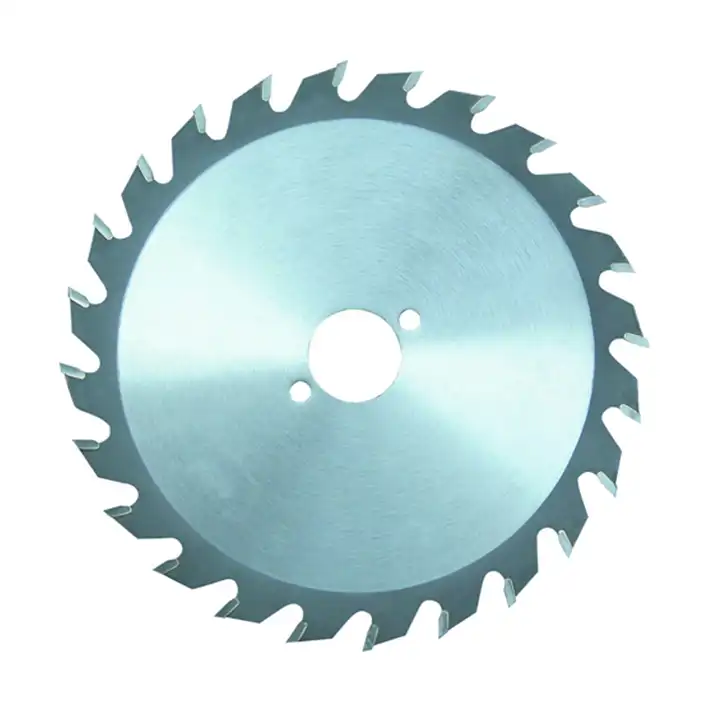
TCT saw blades are a big step forward in the making of cutting tools. They solve important problems that metalworking and precision production industries have been having for a long time. These composite tools have a body made of heat-treated steel and ultra-hard carbide tips that are brazed onto each tooth. This makes a structure that isn't uniform, which makes the tools last longer and cut more precisely.
What Makes TCT Blades Different from Standard Cutting Tools?
The main benefit comes from material science. Standard High-Speed Steel blades lose their cutting edge quickly when they are heated to about 250°C and are used to cut metal over and over again. Tungsten carbide tips stay hard up to 600°C, which means they can be used for 10 to 20 times longer than other options. The steel body, which is usually made from 75Cr1 or SKS51 metal, absorbs shocks and is flexible enough to keep it from breaking completely when it's stressed from the side. This two-material design solves the long-standing problem of having to shut down a lot to change tools in mass production settings.
These blades are made by Danyang Ebuy Tools using precise tensioning methods that follow DIN 8083 standards. This makes sure that the radial and axial runout stays within a range of 0.05 to 0.1 mm. This level of accuracy has a direct effect on the quality of the cut and the life of the blade.
Key Technical Parameters That Define Metal Cutting Capability
In order to choose the right carbide-tipped TCT saw blade, you need to know a few important facts:
- Tooth Count and Geometry: Lower tooth counts (36T-60T) provide the strong chip clearance needed for solid metal bars and thick-section aluminum extrusions. When you have more teeth (80T to 120T), the surface finish on thin-walled profiles and precision parts is sharper. The tooth angle has a big effect on how the material cuts. Negative hook angles (usually -5° to -10°) limit feed rates and keep material from getting stuck during high-speed operations.
- Blade Diameter and Thickness: Most industrial blades have a diameter between 180 mm and 500 mm. The kerf width needs to be a mix between how well it cuts and how much material it wastes. Thinner kerfs need more rigid blade bodies to keep them from bending. The blade's resonant frequency and how well it works with certain saws are determined by the link between its outer diameter, inner diameter (arbor hole), and thickness.
- Maximum Safe RPM: The fastest speed that a blade can go is based on its width, the type of material it is made of, and how tight it is wound. If you go beyond these limits, the blades could fail in a very bad way. Most metal-cutting tasks run at speeds between 3,000 and 5,000 RPM, which is much slower than woodworking.
These factors work together, so buying teams need to look at all of them at once instead of focusing on just one or two at a time. The wrong mix can cause the blades to wear out faster, cut poorly, or even pose a safety risk.
Material-Specific Design Considerations
To cut aluminum with a TCT circular saw blade, you need special tooth shape. During high-speed cutting, the Triple Chip Grind design, which has trapezoidal teeth alternating with flat-top teeth, keeps the metal from welding to the carbide tips. Filling laser-cut expansion slots with polymer resin stops vibrations and gets rid of heat, lowering noise levels by up to 10 decibels while keeping the shape stable.
When working with mild steel, you need to take a different method. Because ferrous metals are rough, types K10 to K20 of carbide offer the best protection to wear. Silver-copper-silver brazing alloys hold tips to the body and are better at handling shocks than other brazing materials. Electrophoretic coating or chrome plating are two surface processes that protect against rust and make cutting easier.
Can TCT Blades Cut Metal? Technical and Practical Insights
The simple answer hides important details about how well materials work together, how the machine works, and the trade-offs between performance and cost that have a direct effect on metalworking facilities' purchasing choices.
Performance Against Different Metal Types
- Aluminum and Non-Ferrous Metals: Tungsten carbide-tipped TCT saw blades are great for cutting aluminum in fenestration manufacturing, making auto parts, and building systems. The material is soft compared to carbide, so the tip doesn't wear down as quickly, and the metal's good thermal transfer helps get rid of cutting heat. When using a double mitre saw to cut thin-walled hollow extrusions for window frames, blades that are set up correctly make 45-degree cuts without damaging the profile walls. The fact that each blade makes more than 500 cuts per day shows that the tool is reliable in the commercial setting.
- Mild Steel and Ferrous Alloys: Cutting steel makes a lot more heat and stress on the machine. Carbide tips are better at handling these conditions than HSS options, and they keep the edge sharp over long production runs. But choosing the right blade becomes more important because a sudden tip split can happen if the tooth backing isn't strong enough or the carbide grade is wrong. In industrial billet cutting, special designs with strengthened gullets are used to get rid of large amounts of chips quickly and prevent catastrophic blade failure.
- Stainless Steel: Stainless steel is a difficult material to work with because it hardens when it is heated and doesn't conduct heat well. Specialized coats and changed tooth shapes make cutting possible, but feed rates need to be carefully managed.
Comparative Analysis: TCT vs. Alternative Blade Technologies
Knowing the differences in performance helps procurement managers make choices that are cost-effective and meet business needs.
When compared to High-Speed Steel blades, tungsten carbide tips are much better at withstanding heat and have a much longer useful life. At first, HSS blades are cheaper, but they need to be replaced often, which adds to the costs of production downtime and waste. TCT blades keep their cutting accuracy over time, while HSS edges wear down over time, which can affect the accuracy of measurements in precision industrial tasks.
Although they are very expensive, diamond blades work very well on very hard surfaces. TCT blades offer the best mix of price and performance for uses with aluminum, light steel, and copper. In non-ferrous metal uses, the cost per cut is usually 40–60% less than with diamond options.
Noise and shaking have very different properties. TCT blades with expansion holes and polymer dampening make better cuts with less machine stress than solid HSS designs when they are properly tensioned. This means the shaft bearings will last longer and the workplace will be more comfortable for everyone.
Real World Industrial Applications
When making auto parts, CNC machining centers use TCT saw blade circular saws with carbide tips to cut cast aluminum engine parts while mist lubricating keeps them running smoothly. The blade's ability to resist chip soldering—a process in which molten aluminum joins to cutting edges and destroys cutting geometry—is shown in these high-temperature settings. Blades that work 8-hour shifts keep the accuracy of measurements to within ±0.1mm after thousands of cuts.
Contract makers who cut aluminum extrusions for industrial equipment say that blades can be used for more than 10,000 linear meters before they need to be resharpened by a professional. This level of performance helps lean production efforts by lowering the number of tools that need to be stored and the number of times they need to be changed. Because the blade's cut quality stays the same over its lifetime, the machine doesn't need to be re-calibrated as often, which is a big plus in high-mix, low-volume production settings.
Heavy industrial uses that cut solid metal bars and ingots test the blades' limits to the fullest. Specialized designs with positive rake angles and stronger tooth backing effectively remove large amounts of swarf. Operators say that choosing the right blade and optimizing operating parameters can cut cutting time by 25–35% compared to general-purpose designs. This directly increases production output.
Selecting the Right TCT Saw Blade for Metal Cutting
When making a procurement choice, you have to weigh technical requirements, business needs, and the total cost of ownership. Modern manufacturing is very complicated, so it needs to be evaluated in a planned way across many dimensions.
Critical Technical Specifications for Metal Applications
- Tooth Design and Count: The cutting speed and quality of the finish depend on how the tooth geometry interacts with the features of the material. Alternate Top Bevel setups work well for most tasks, but they aren't good at breaking up chips in metal. High-Alternate Top Bevel shapes keep layered materials from chipping, but they make metal cutting too hot. The TCG shape is the best choice for most non-ferrous metal tasks because it combines center kerf cutting with corner cleaning to make chip separation better.
- The choice of tooth count is based on the thickness of the material. Cutting 3–5 mm aluminum extrusions needs 60–80 teeth to keep each tooth from being overloaded with chips, which builds up heat and wears down the tip. On the other hand, 40-60 tooth shapes work well for 10-20 mm solid bar stock because they allow chips to be emptied properly.
- Blade Diameter and Arbor Compatibility: The diameter that can be used is often limited by the machinery that is available, but this feature can be made to work better by adjusting it. When the RPM stays the same, larger sizes keep the surface speed higher, which lets the feed rate go faster. They do, however, need stronger saw frames and more power from the motor. The diameter of the arbor hole must exactly match the diameter of the spindle. A difference of even 0.5 mm can cause dangerous runout and premature bearing wear.
- Kerf Width and Body Thickness: Narrow kerf TCT saw blades cut down on waste, which is important when cutting expensive materials like titanium or aluminum metals. Thin bodies, on the other hand, need more active tensioning to keep them from deflecting when cutting forces are applied. The body of the blade needs to be both thick and thin. It needs to be thick enough to stay rigid after being sharpened many times and thin enough to make cutting easier.
Heat Resistance Coatings and Surface Treatments
These days, carbide-tipped blades have better cutting ability and last longer because they use improved surface engineering. Titanium nitride coats make surfaces harder and less likely to rub against each other, which makes cutting less hot. These golden coats show that the blade is of high quality and also make it work better in a way that can be measured.
Electrophoretic covering methods on a TCT circular saw blade make even layers of protection that stop sap from sticking to wood and keep aluminum from building up when cutting metal. Chrome treatment makes blades more resistant to rust, which is important for blades that are stored in damp places or used with cutting fluids. These treatments don't cost much more, but they usually make blades last 30–50% longer, which increases the return on investment.
Procurement Strategies for B2B Clients
Look at more than just the unit price when judging a provider; look at the total value delivered as well. The 77,000-square-meter factory that Danyang Ebuy Tools uses makes more than 150,000 cutting tool pieces every day, making sure that big industrial users can always get what they need. This output capacity gets rid of the weak spots in the supply chain that cause problems for lean manufacturing processes.
Being able to change lead times gives you a competitive edge. We ship stock items from our huge collection within days, and special designs that need a certain diameter, tooth count, or coating combination take about 15 days to deliver. This flexibility lets you use just-in-time inventory methods without giving up the ability to customize.
Protocols for quality verification are very important. Each blade is made to exact specs thanks to fifteen years of research and development work and foreign precision equipment. Certifications from a third party and written quality control methods give procurement managers the proof they need to pass internal clearance processes.
The way prices are set encourages people to buy in bulk while still being competitive for smaller sales. Gradual discounts in bulk buying plans lower the cost per unit without needing too much inventory investment. Transparent pricing models get rid of secret costs, which makes it easier to plan budgets and compare prices from different providers.
Enhancing Cutting Performance with TCT Blades in Metalworking
To get the best results, you need to know how operational factors, material properties, and TCT saw blades specs all work together. With this information, workers can get more work done while also making tools last longer.
Optimizing Cutting Speed and Feed Rates
Cutting temperature and tip wear are directly related to surface speed, which is recorded in meters per minute. Mild steel needs slower speeds of about 800 to 1,200 meters per minute to keep the heat from building up, while aluminum is usually cut at 1,500 to 2,500 meters per minute. Based on the diameter of the blade, these speeds correspond to specific RPM sets. For example, a 300mm blade cutting metal at its best surface speed uses about 2,000 RPM.
The chip width for a TCT saw blade is controlled by the feed rate, which in turn controls the cutting forces and heat production. While aggressive feeds boost output, they also pose the risk of tip overload and poor surface finish. Conservative feeds make blades last longer but slow down production. The best balance relies on the thickness of the material, the number of teeth on the blade, and how stiff the machine is. Setting standard settings for production operations means trying out different combos while keeping an eye on the quality of the cuts and the temperature of the blades.
Troubleshooting Common Cutting Issues
- Excessive Noise and Vibration: These signs mean that the blades are not properly tensioned, the RPM is wrong, or the machine is not stiff enough. Sound problems are often fixed by slowing down the cutting speed by 10 to 15 percent. When the speed is changed and the shaking still happens, it means that the blade is damaged or not mounted correctly. Common fitting mistakes can be avoided by checking the state of the arbor flange and making sure the washer is installed correctly.
- Uneven or Rough Cuts: This is a sign of dull teeth that they need to be sharpened again. However, rough cutting can also be caused by choosing the wrong blade, especially if it doesn't have enough teeth for the thickness of the material. During cutting, when clamps aren't tight enough, the material can move, which has the same effect. Systematic analysis finds the reasons and the right steps to take to fix them.
- Rapid Tip Wear: Too fast of a cutting speed, the wrong feed rate, or the wrong carbide grade all speed up tip wear. Aluminum parts that wear out quickly usually have chip welding because the chips aren't broken up enough or there isn't enough cutting fluid. By comparing operational factors to what the maker suggests, changes can be found.
Emerging Innovations in Carbide Blade Technology
The performance of blades is still getting better thanks to new covering technologies. Multi-layer coatings made of different materials improve characteristics at different levels. The harder layers on the outside prevent wear, the softer layers in the middle reduce friction, and the harder layers on the inside make it easier for the coating to stick to carbide substrates. These specially made coats make blades last 40 to 60 percent longer than regular titanium nitride treatments.
By using computer models to improve tooth shape, chip flow is improved and cutting forces are lowered. Changing the rake angles and relief angles to fit certain metal types makes the surface finish better while using less power. Some makers make designs that work best with certain types of steel or aluminum alloys.
Better resistance to heat lets you cut at faster speeds without shortening the life of the blade. Better soldering methods and higher carbide grades keep the tip secure at high temperatures. These improvements help places that make a lot of things, because faster cutting speeds directly boost productivity and lower the cost of each part.
Environmental concerns push scientists to make blades that last longer, need fewer repairs, and make less waste. Longer service life lowers the damage that making and throwing away blades does to the earth. When cutting more efficiently, less energy is used per cut. This helps with green efforts and lowers running costs.
Conclusion
Tungsten carbide-tipped TCT saw blades are proven to be good at cutting metal in a wide range of industrial settings, from precisely cutting aluminum extrusions to working heavy steel bars. When you combine ultra-hard carbide tips with designed steel bodies, you get cutting tools that last longer, cut more precisely, and cost less than standard High-Speed Steel options. The best performance for certain materials and tasks is guaranteed when the right blade is chosen based on its tooth geometry, carbide grade, and operating factors. Regular care, such as cleaning, resharpening, and storing the blades correctly, will extend their life and increase your return on investment. As factories need to be more productive and keep a closer eye on quality, carbide-tipped blades are a smart choice for tools that can help them stay ahead of the competition by reducing downtime, maintaining quality, and having a lower total cost of ownership.
FAQ
Can standard TCT blades cut all metal types universally?
Standard TCT saw blades work well on light steel, aluminum, and copper, but they need to be matched to the qualities of the material. When cutting harder metals like stainless steel or tool steel, you need specific types of carbide, changed tooth shape, and slower cutting speeds. Material-specific blade selection keeps machines safe and stops blades from wearing out too quickly.
How do the prices of buying TCT blades in bulk compare to buying HSS blades?
At first, carbide-tipped blades cost three to four times more per unit than HSS blades, but because they last ten to twenty times longer, the cost per cut is much lower. Volume savings make buying in bulk even more cost-effective. When you add up all the costs, like resharpening, downtime, and waste, TCT technology usually saves you 60 to 70 percent when it comes to metal-cutting.
What kind of protection do industrial-grade carbide circular saw blades come with?
When you buy a blade from a reputable company, you should be covered for 6 to 12 months against material faults and production flaws. Damage caused by misuse, poor storage, or use beyond the stated specs is not covered by warranties. When blades are used according to the application rules, good suppliers offer technical help and performance guarantees. If the blades fail early under the right working conditions, the seller will replace them or give you credit.
Partner with Ebuy Tools for Professional TCT Saw Blade Solutions
Because Danyang Ebuy Tools is an engineering company, we can help you cut metal with precision-made TCT saw blades that are made for tough industrial uses. We have been doing research and development for 15 years and can make more than 150,000 pieces every day. This means that we can provide consistent quality and a dependable supply for businesses of any size. Our technical experts are here to help you make the right choice, whether you need stock things that can be shipped right away or custom setups that work best with certain materials. We have carbide and high-speed steel (HSS) materials, and you can choose to have them coated in a way that makes them ideal for working with aluminum alloy, stainless steel, and other metals. Our competitive pricing system rewards orders of a lot of items while keeping prices low for orders of fewer items. You can talk to our buying team at [email protected] about your needs and get personalized quotes from a reliable TCT saw blade maker that cares about your business's success.
References
Machinery's Handbook, 31st Edition (2020). Industrial Press. "Metal Cutting Tools and Machining Practices."
Society of Manufacturing Engineers (2019). "Fundamentals of Tool Design: Circular Saw Blade Engineering for Metal Applications."
American National Standards Institute, ANSI B7.1-2017. "Safety Requirements for the Use, Care, and Protection of Abrasive Wheels and Cutting Tools."
Deutsches Institut für Normung, DIN 8083 (2015). "Circular Saw Blades - Technical Delivery Conditions and Testing."
Kalpakjian, S. and Schmid, S.R. (2021). "Manufacturing Processes for Engineering Materials," 6th Edition. Pearson Education.
International Organization for Standardization, ISO 9001:2015. "Quality Management Systems - Requirements for Cutting Tool Manufacturing."