.webp)

The main difference between SDS drill bits and HSS drill bits is how their shanks are made and what they are used for. An SDS drill bit has a special slotted drive system with holes that fit into rotating hammer drills and give you the most impact energy for working with stone and concrete. High-Speed Steel (HSS) drill bits, on the other hand, have smooth, cylinder-shaped shanks that are made to fit normal chuck drills and work great in metal and wood. This difference has a direct effect on how well your tools work together, how efficiently you drill, and the results of your projects in a number of different industries.
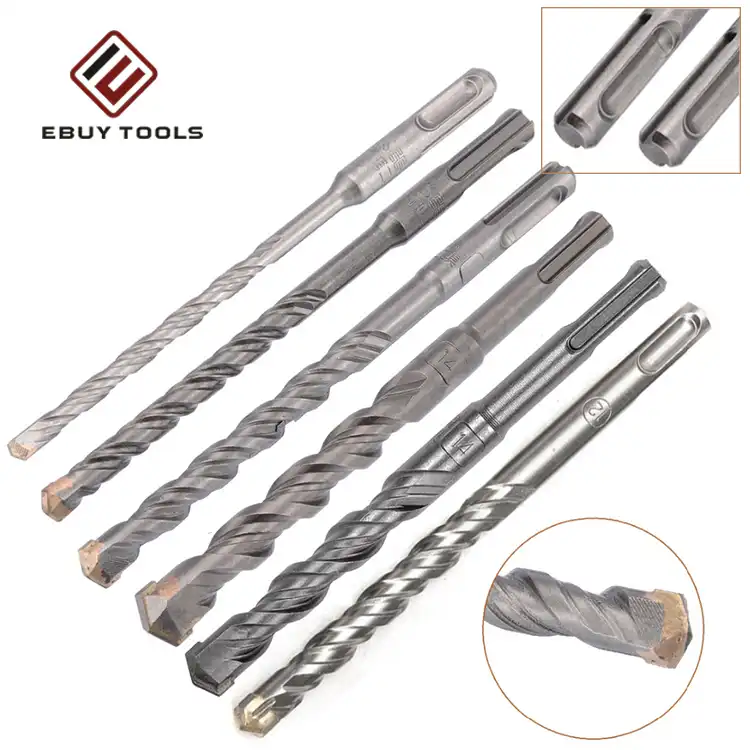
Understanding Drill Bit Types: SDS vs HSS
What Defines an SDS Drill Bit?
The Slotted Drive System is a big step forward in the technology used to drill into brickwork. The SDS drill bit shank is different from other bits because it has two open grooves and two closed grooves that fit into rotary hammer drills that are specially made for them. This set-up lets the bit move lengthwise within the chuck while keeping rotational drive. This makes a decoupled hammering device that sends the most impact energy straight to the work area.
This technical method completely gets rid of chuck slippage, which is a common issue in high-torque brick work. This dependability can't be compromised when making anchor holes in reinforced concrete with a compression strength of more than 3,000 psi. The method greatly lowers operator tiredness because the hammer drill's pneumatic action does most of the work without the user having to apply too much pressure.
High-Speed Steel Drill Bits Explained
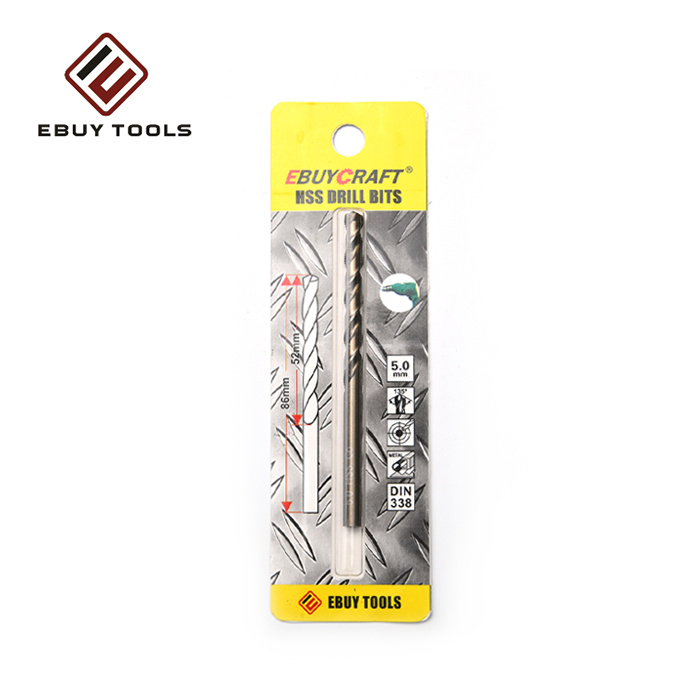
The name "HSS" comes from the high-speed steel alloy that is used to make them. This metal usually has tungsten, molybdenum, chrome, and vanadium in it. Due to its unique metal makeup, the cutting edges stay hard even when heated to high temperatures during high-speed grinding operations. The round, smooth shank fits into normal three-jaw chucks that are used on milling tools, drill presses, and hand drills.
The constant cutting edge design of these bits makes clean holes with little grit formation when drilling through metals, plastics, and wood. When making car parts, HSS bits are used to make pilot holes for bolts in steel transmission housings or aluminum engine blocks. These bits give the accuracy and smooth surface finish needed for later tapping operations.
Shank Design and Compatibility Differences
The fact that these systems don't work with each other physically stops misuse, but it requires careful control of the tools that are used. For holes up to 1-1/8 inches, SDS-Plus bits have a 10mm shank, while SDS-Max bits have an 18mm shank for holes bigger than 2 inches. These requirements must be met by your tools perfectly. Standard drill chucks can't hold SDS shanks, and SDS hammer drill chucks can't hold smooth-shank HSS bits.
Because of this skill, you need to think about different tool environments when planning your purchases. Machine shops that work with a variety of materials usually keep both rotary hammer drills for rare masonry work and standard drill presses for most of their metalworking. Each needs its own set of bits.
Dimensional and Performance Comparison of SDS and HSS Drill Bits
Size Standards and Variations
Based on the size of the application, SDS technology is split into several groups. In industrial building, SDS-Plus is still the most popular design. It can handle diameters from 4mm to 32mm and lengths longer than 1000mm for deep penetration work. Heavy-duty demolition and large-diameter coring are both tasks that SDS-Max can handle. It can handle sizes ranging from 12 mm to 55 mm, with impact energy values that are proportionally higher.
HSS drill bits have more uniform sizes that are in line with fractional inches or metric units. Jobber length bits are the most common type, but you can also ask for stub lengths for more rigidity in precision work or extra-long bits for cutting deep holes in aircraft structure parts. Compared to the more specialized SDS versions, HSS sizes are more consistent, which makes managing supplies easier.
Material Suitability and Penetration Performance
When performance is compared to certain materials, the differences are very clear. Premium SDS drill bits made with bodies made of 40Cr alloy steel and tips made of tungsten carbide that are 89+ HRA hard can cut through finished concrete, granite, and fired brick at speeds that HSS bits can't. The hammering action breaks up the solid structure of building materials, and the carbide tip doesn't wear down easily.
When cutting flexible materials, HSS bits work better because they remove material by slicing instead of breaking it. When making molds and dies and drilling cooling channels through hardened tool steel, cobalt-enhanced HSS bits keep their cutting edge shape even when they hit work hardening. Metal chips are effectively evacuated by the continuous spiral flute, which stops the welding and galling that would destroy smaller bits.
At Danyang Ebuy Tools, our SDS product line incorporates precise heat treatment methods that make the blade HRC 48–52 hard. This localized treatment stops the tool holder from mushrooming and keeps the core tough against the torsional loads that happen when you hit rebar that is buried in structural concrete. Our 77,000-square-meter factory makes these bits under strict quality control. Before they are shipped, each piece is checked by our team of 319 skilled workers.
Heat Management and Durability Factors
In demanding uses, thermal control directly affects how long a bit lasts. SDS bits work best with flute shapes that quickly remove brick dust. These can be double, U-shaped, or quad-flute. The shielding effect that leads to catastrophic carbide failure is stopped by this constant clearing. Our copper braze material can handle temperatures above 1100°C, which means the carbide tip will stay firmly lodged even after long drilling sessions in rough aggregates.
When it comes to heat, HSS bits have different problems. When metal is cut at a high speed, the friction can quickly reach the tempering temperature of the metal, making the edges soften and dull quickly. To make them last longer, good HSS bits have through-hardening and sometimes surface coats like titanium nitride. In places with a lot of output, like making car parts, using the right cutting fluid is important to keep the temperature down and make sure the tools last as long as they're supposed to.
Procurement Considerations: How to Choose Between SDS and HSS Drill Bits?
Matching Drill Bits to Application Requirements
The choice between these methods comes down to the specifics of your subject. Specialized SDS hammer drill systems are needed for tasks like shaping concrete, building with bricks and mortar, or fixing up old buildings. The purchase includes both the SDS drill bits and the power tools that work with them, but the increased efficiency in masonry work makes it worth it.
On the other hand, blacksmith shops, precision machining shops, and mold makers get the most out of having a wide range of HSS bits, along with carbide-tipped and solid carbide versions for the toughest jobs. When you work with aluminum, steel, stainless metals, or rare aircraft materials like Inconel, HSS technology gives you the cutting power and hole quality you need.
Both methods are usually kept up by mixed-use buildings that do general industrial manufacturing. They are separated by work cell or department. This method stops people from making the common mistake of trying to drill into brickwork with metal-cutting tools, which always ends badly and could be dangerous.
Cost-Benefit Analysis and Long-Term Value
The price differences between economy and expensive SDS drill bit may seem big at first, but lifetime analysis shows how they really work. Many times, entry-level SDS bits break after only 50 to 100 holes in reinforced concrete, even though they cost 30 to 40 percent less than professional-grade bits. When used in the same way, premium bits with better carbide grades and optimal shapes regularly drill 500 holes or more.
At Ebuy Tools, we put this long-term value promise at the top of our manufacturing process. The YG8C micro-grain carbide that our SDS-Max bits use costs more than other grades, but it lasts longer, which lowers your cost per hole by a large amount. Because we can make up to 150,000 pieces every day, we can take advantage of economies of scale to offer high quality at prices that are competitive for people who buy in bulk.
Supplier Reliability and Support Infrastructure
Distributor ties are another important thing to think about when buying something. Well-known brands like Bosch, Makita, and DeWalt keep their service networks and new parts readily available, which lowers the risk of downtime. But having direct links with specialty manufacturers can give you better technical help and the ability to customize products for specific uses.
We work closely with procurement teams to create custom solutions that solve unique business problems. Our research and development (R&D) team works directly with your engineering team to change flute shapes, carbide tip configurations, or make unique lengths that aren't available in standard catalogs. This adaptability is especially useful in industries like aircraft and mold making, where unique tooling needs happen a lot.
Best Practices for Using and Maintaining SDS and HSS Drill Bits
Proper Usage Techniques for Maximum Efficiency
To use SDS drill bits correctly, you need to know how spinning speed, impact rate, and feed pressure are connected. When you use too much force, the bit can't clear away debris between hammer hits, which makes the digging less effective. When you keep the pressure steady and let the tool's impact mechanism do the work, you get the best entry rates and bit life is greatly increased.
Our skilled SDS bits have a four-cutter shape that doesn't change when they meet rebar, but technique is still important. When you feel resistance, it means that the reinforcements are making contact. Lowering the feed pressure a little while keeping the spinning speed the same lets the carbide tips wear through the steel bar more slowly instead of hitting the bit hard all at once, which could break the tips.
When using an HSS drill bit, you need to pay attention to the cutting speeds that are right for the material. When drilling mild steel at 3,000 surface feet per minute, the results are great. But when drilling stainless steel at the same speed, too much heat ruins the cutting edge in seconds. Bit failure can be avoided by using the right speed charts and adjusting your tools properly.
Maintenance Protocols and Storage Recommendations
Bits last a lot longer when they are cleaned regularly. When masonry dust is mixed with water, it turns into cement. If this happens for a long time, it could lock SDS shanks inside tool cases. Wiping the bits clean and putting on a light coating of corrosion-preventive oil after each work session keeps the precise fit needed for the pressing action.
Cutting edge shape on HSS bits should be checked every so often. If you can see that the chisel point or cutting lips are getting round, you need to sharpen them again. Many places of business keep bench mills with tools that can sharpen drill bits. This makes bits last three to four times longer than if they were just thrown away when they get dull. This method works especially well for bits with bigger diameters, where repair costs are high.
The damage that happens when bits touch each other can be avoided by storing them properly in organized boxes or cabinets with indexes. When the carbide tip gets chipped from rough treatment, stress builds up in places that cause it to fail catastrophically during use. A small investment in good storage solutions pays off by lowering the number of times things need to be replaced and increasing their operating readiness.
Troubleshooting Common Operational Issues
If the chuck slips when using HSS bits, it means that either the bits are not tight enough or the chuck jaws are worn out and need to be replaced. For the three-jaw chuck device to work properly, the areas it grips must be clean and not damaged. Tool holding is stable for thousands of drill cycles as long as the jaws are checked regularly and sometimes replaced.
Sharp carbide tips on SDS bits that don't penetrate as well often have worn shank holes that stop them from locking properly in the tool holder. This kind of wear usually happens when you drill into very rough materials or when there is contamination that stops the proper greasing. Replacing the damaged bits right away stops them from ejecting during operation, which is a very serious safety risk.
Too much heat during drilling means that either the speeds are wrong, there isn't enough cutting fluid, or the cutting edge is dull and needs quick attention. Not stopping to work under these circumstances could damage the bit, the object, and even cause hurt if the bit breaks. Instead of just pushing through, getting to the root of the problem saves money on tools and keeps safety standards high at work.
Conclusion
Whether you use an SDS drill bit or an HSS drill bit relies on your needs and the materials you want to drill through. When hammer action is needed, SDS technology is most common in brickwork, concrete, and stone work. For drilling in metal, wood, and plastic, HSS bits are still the standard. Knowing these basic differences will help you avoid expensive mistakes and get the most out of your tooling purchases. From advanced metals to precision manufacturing, the high level of engineering that goes into making luxury bits directly translates to better performance in tough industrial settings. When making your purchasing choices, you should weigh up the initial costs against the long-term value, taking into account things like bit durability, operational efficiency, and the supplier's ability to provide help that goes beyond the initial purchase price.
FAQ
Can I use SDS bits in regular drill chucks?
No, the special slot system on SDS shanks can't be held in place with a regular drill's three-jaw chuck. The bits won't lock properly, and they could fly out in a dangerous way while the machine is running. SDS drill bits need special spinning hammer drills called SDS-Plus or SDS-Max that have chuck mechanisms that work with them. If you try to change these systems that don't work together, you could damage the tools or seriously hurt yourself.
Which drill bit type works better for stainless steel?
The best performance comes from HSS bits that are made to work with stainless steel and often have cobalt alloys or special finishes on them. Because stainless steel works hardens under stress, it needs sharp cutting edges and the right speeds to keep heat from building up too quickly. SDS bits made for brickwork don't have the right shape to cut metal, so they would fail right away. Choosing cobalt HSS bits and using the right cutting fluids will make sure that the holes are clean and that the tools last a long time.
When should I choose SDS-Max over SDS-Plus bits?
When making holes bigger than 1-1/8 inches in diameter or when working in very hard concrete that needs the most impact energy, SDS-Max is needed. The bigger 18mm shank sends a lot more force than the smaller 10mm SDS-Plus setup. Heavy removal, large-diameter coring for HVAC penetrations, and deep anchoring in structure concrete are all made easier by SDS-Max, even though it costs more to buy the tools.
Precision Drilling Solutions from a Trusted SDS Drill Bit Manufacturer
Ebuy Tools sells industrial-grade drilling products that are made for the toughest jobs in the precise engineering, metalworking, and car making industries. Our SDS drill bit collection is made of high-quality 40Cr alloy steel that has been precisely heated to an HRC 48–52 hardness. The tips are made of tungsten carbide, which has an HRA of 89 or higher, which makes them very resistant to wear. Our 77,000-square-meter building has 319 expert technicians who check the quality of every bit. This makes sure that the bits always work well in high-stress situations.
We understand the difficulties you face in sourcing things: you have to find the right balance between low costs and dependability while still meeting production deadlines. We understand that your business needs are unique, so we offer custom branding options, special shapes for specific uses, and open bulk buying options that fit your needs. Email our technical team at [email protected] to talk about your unique drilling needs and find out how our factory knowledge can help your business run more smoothly.
References
American National Standards Institute. (2019). ANSI B212.15: Specifications for Rotary Masonry Drill Bits. ANSI Publications.
Machinery's Handbook, 31st Edition. (2020). Drilling and Reaming Operations: Materials and Methods. Industrial Press Inc.
Society of Manufacturing Engineers. (2018). Tool and Manufacturing Engineers Handbook: Machining Processes and Equipment. SME Publications.
European Committee for Standardization. (2017). EN 13236: Drilling and Impact Drilling Tools - Shanks and Chucks. CEN Standards.
ASM International. (2021). Heat Treatment of Tool Steels: Metallurgical Principles and Applications. ASM Handbook Series.
Construction Industry Research and Information Association. (2020). Best Practice Guidance for Drilling in Reinforced Concrete Structures. CIRIA Publication C796.