.webp)

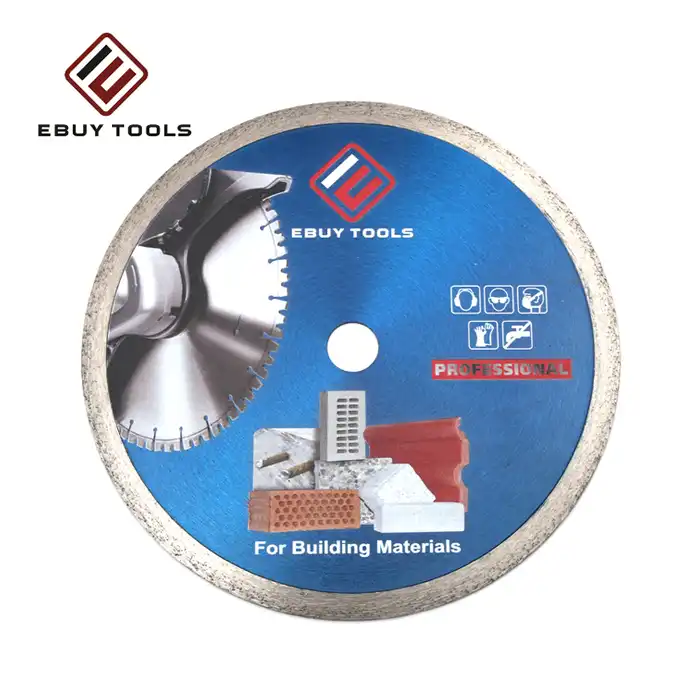
The main difference between a diamond blade and a TCT saw blade is how they are made and what materials they are meant to cut. Diamond blades have man-made diamond bits mixed in with a metal matrix. They are designed to cut through very hard and rough materials like pottery, stone, and concrete. Also, TCT saw blades have tungsten carbide tips brazed onto a body made of sharpened steel. They are designed to cut wood, non-ferrous metals, plastics, and composite materials more quickly and accurately than other blades. When procurement professionals understand these differences, they can choose the most cost-effective and performance-optimized cutting option for their industrial needs.
Understanding the Basics: Diamond Blades vs TCT Saw Blades
What makes cutting blades work and what they should be used for depends on how they are put together. Realizing these main differences helps you make smart choices about what to buy that meet the needs of your manufacturing process.
What Makes Diamond Blades Unique
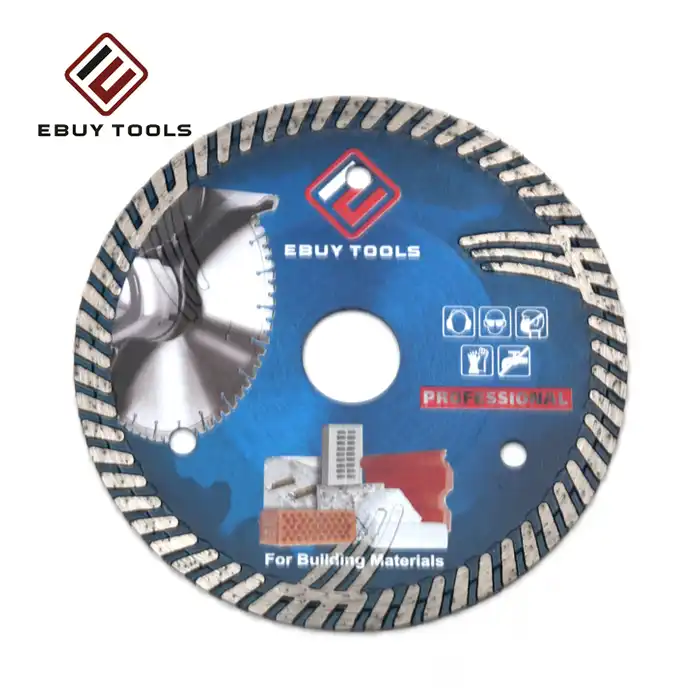
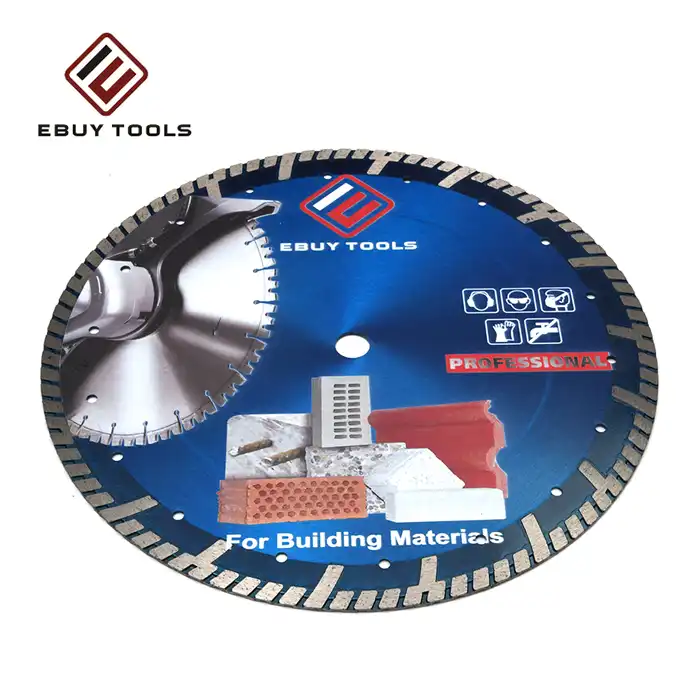
Diamond blades are special cutting tools that are made to work with the roughest materials that are commonly found in industrial settings. The blade is made up of a steel core with segments or a single rim that has fake diamond particles floating in a metal bond matrix. The cutting action is done by these diamond particles, which are usually between 30 and 60 microns in size. As the metal bond goes away, new cutting edges appear.
High temps and pressures are used to sinter diamond grit with metal powders. This makes pieces that are then laser-welded or brazed to the steel core. Because of their complex design, diamond blades can keep cutting through materials that would destroy regular abrasive or carbide tools right away. When dealing with materials like concrete, granite, marble, porcelain tile, and ceramic that are too hard for regular cutting tools, construction companies, stone production shops, and mineral processing plants use diamond blades.
How TCT Saw Blades Are Engineered
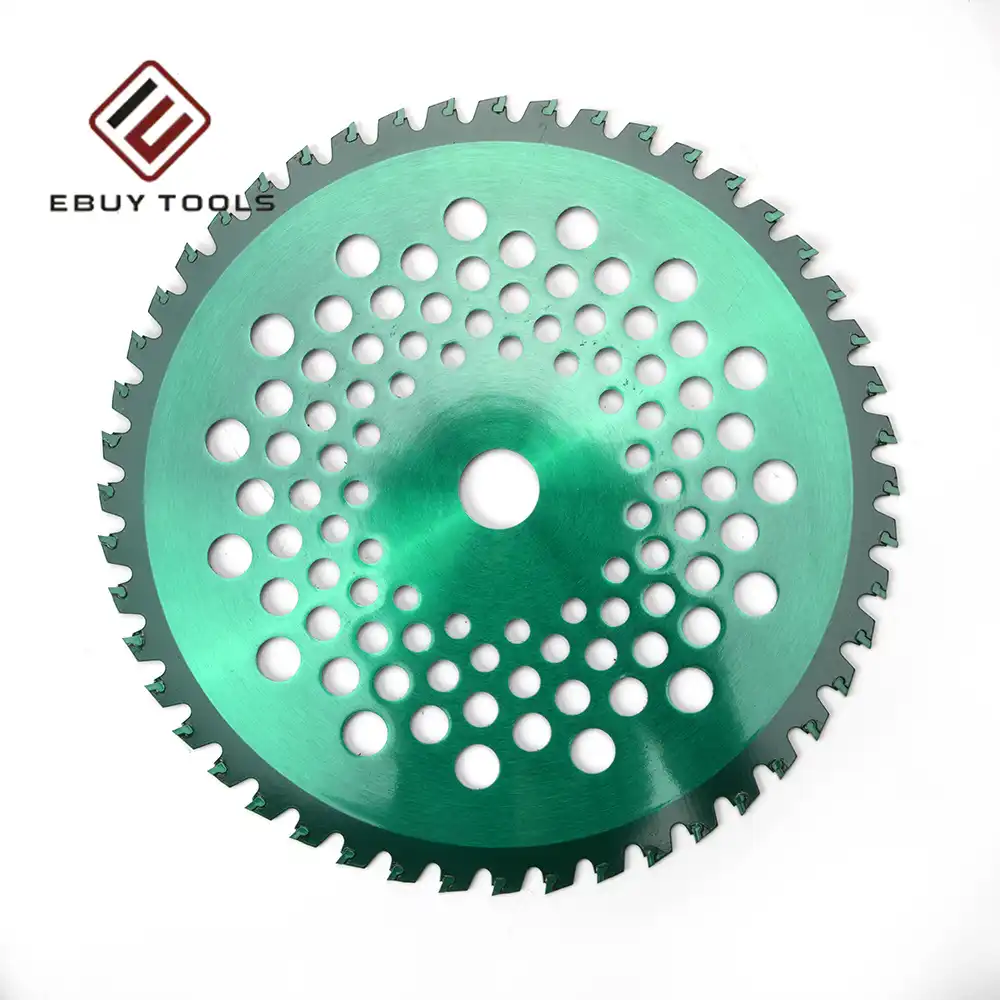
TCT saw blades represent a new type of engineering that focuses on making tools that are versatile, fast, and accurate when cutting a wider range of soft materials. The base of the blade is made of hardened tool steel, usually 75Cr1 or SKS51 grade, that has been heated to a certain level of hardness, usually 42 to 44 HRC. This carefully controlled hardness gives it the stiffness it needs to stay flat during high-speed spinning while still letting it bend enough to take impact forces without breaking.
Individual tungsten carbide teeth brazed onto the outside of the steel body are what make TCT saw blades unique. These carbide tips are made from powdered tungsten carbide powder mixed with cobalt glue. They are harder than 88 HRC, which is much harder than the steel body but also much more fragile. By using silver-copper alloys, the brazing process forms a metal link that can withstand the heat stress that comes from cutting. We make these blades with different tooth geometries, such as Alternate Top Bevel, Triple Chip Grind, and other combinations that work best with certain materials and cutting situations.
Core Application Differences
The main difference between these two types of blades is how well they work with different materials. Diamond blades only work well with rough, mineral-based materials because their extreme sharpness makes them last longer than any other blade. Construction teams saw through concrete reinforcements, stone countertop makers cut granite slabs, and tile installers make precise cuts in porcelain all rely on diamond blade technology because other tools would break within minutes of use.
Instead, TCT saw blades are used most often in metal production shops, plastic processing facilities, and woodworking shops. TCT saw blade technology is used by furniture makers to cut MDF and particleboard, auto sellers to trim aluminum extrusions, and aircraft machine shops to work with composite materials. The blade's ability to keep its sharp cutting edges even when it's spinning quickly makes it essential for tasks that need both speed and accuracy. Our factory makes more than 150,000 pieces every day to meet the high volume needs of businesses that use TCT saw blades as their main tools.
Performance & Application Differences Between Diamond and TCT Blades
Operational performance traits show important differences that have a direct effect on production results, repair plans, and the total cost of ownership. To choose the best blade, procurement workers must compare these performance factors to the needs of the manufacturing process.
Cutting Speed and Efficiency Comparison
The most important performance measure is cutting velocity, which is where these blade types show very different traits. Diamond blades work best at mild peripheral speeds, usually between 3,000 and 6,000 surface feet per minute, but this can change based on the material being cut and the type of bond being used. The cutting action depends on uncovered diamond particles slowly wearing away hard materials. This process creates a lot of heat and needs to be managed so that segments don't get damaged.
TCT saw blades can cut through their target materials much more quickly. On soft woods and non-ferrous metals, they can often reach speeds of over 10,000 area feet per minute. When used correctly, the sharp carbide teeth physically cut material fibers or chips, removing stock quickly with little heat production. When cutting aluminum extrusions, a properly described TCT saw blade can make cuts three to five times faster than when the same job is done with the wrong tools. This speed advantage directly leads to higher production output in high-volume factory settings, where lowering cycle time has an effect on how well the equipment works overall.
Durability and Lifespan Expectations
Service life changes a lot depending on how well the materials work together and how they are used. Professional-grade diamond blade segments can often last between 40 and 100 hours of constant cutting in concrete or stone uses. This is because they are very durable when cutting abrasive materials. Because the metal bond matrix wears down slowly, new diamond particles are always being exposed. This keeps the blade working well until all of the segments are gone.
When cutting the right materials, our TCT saw blades are designed to last 10 to 20 times longer than normal carbon steel blades. If you cut clean hardwood board with a good TCT saw blade, you might be able to get 10,000 to 15,000 linear feet of cuts before it needs to be sharpened again. But if you cut rough materials like MDF with a lot of glue, you might only need to have it sharpened after 2,000 to 3,000 feet. Professionally resharpening carbide teeth five to ten times makes the blade last a lot longer, giving buying teams a better idea of when to replace tools and lowering the overall cost of consumables.
Material Suitability and Limitations
Knowing how materials work together can help you avoid making mistakes that cost a lot of money and cause blades to break too soon. Diamond blades work best on materials with Mohs hardness levels above 7. This includes granite (Mohs 6-7), concrete (Mohs 6-7 with grit), and ceramic tile (Mohs 7-8). When diamond blades are used to try to cut soft materials like wood or metal, they don't work well because these materials don't have enough mechanical action to wear away the bond matrix and reveal new diamond particles. This causes the blade to glaze over and stop cutting effectively.
TCT circular saw blade work best on aluminum alloys, copper, brass, plastics, mixed materials, and all types of wood that are softer than the tungsten carbide tips themselves. Our custom blade designs are made to work with certain types of materials. For example, negative rake angles keep aluminum from grabbing, and high tooth counts and steep bevel angles keep veneered panels from tearing. Cutting concrete, stone, or ceramic tile with TCT saw blades damages the tips right away and breaks the blade completely. This shows how important it is to choose the right blade for the job based on the material it will be cutting.
Precision and Surface Finish Quality
When precise production is done, the choice of blade is often based on the quality of the cut. Because diamond blades cut by gritty grinding instead of clean slicing, the surfaces they leave behind aren't as smooth as those made of carbide. When cutting fragile materials like ceramic tile or glass, the edges often chip. This means that extra steps need to be taken to make the edges smooth. When diamond blades are used to cut high-value stones, the segment thickness makes the kerf width bigger, which lowers the material output.
When properly set, TCT saw blades produce glue-line-ready cuts that don't need any extra sanding or finishing, giving the materials they're meant for a better surface finish. Following DIN 8083 standards, our precision engineering keeps radial and axial runout within a range of 0.05 to 0.1 mm. This makes sure that final cuts meet the high quality standards needed for precision woodworking and making furniture. The thin kerf designs that come with TCT saw blades also increase the amount of material that can be cut from expensive hardwoods or non-ferrous metals. This cuts down on wasteful raw materials and makes production more cost-effective overall.
Procurement Considerations: Choosing Between Diamond and TCT Blades
Strategic procurement is more than just making the original purchase choice. It also includes managing operating risk, figuring out the total cost of ownership, and making sure that suppliers can be trusted. When buying teams look at all of these factors, they can make the best decisions about both the short-term spending and the long-term efficiency of operations.
Cost Analysis and Total Ownership Value
The initial prices of buying these types of blades are very different, but when figuring out the total cost, you have to take into account how long they last, how much maintenance they need, and how much they affect output. Due to the expensive fake diamonds they contain and the complex ways they are made, diamond blades are very expensive. Professional-grade segmented blades are often big expenses. However, when used properly on the right materials, these blades have the lowest cost per cut because they last a long time and don't need much upkeep.
When paired with the right tools, TCT saw blades offer great value at a price that is easier on the wallet. Tungsten carbide tips are very useful because they can be resharpened. Professional sharpening services can recover cutting performance for a fraction of the cost of a new blade, which usually means the blade lasts 5 to 10 times longer. We make our blades with foreign precise equipment and 15 years of research and development experience. This gives us the ability to offer great performance at a price that is competitive, which helps procurement teams meet their budget goals without lowering quality standards.
Bulk buying for TCT circular saw blade has a big effect on the unit prices of both types of blades. When factories know how much they will need, they can negotiate bulk price that lowers the cost per piece by 20 to 40 percent compared to small-quantity orders. Our daily production capacity of more than 150,000 pieces lets us handle big orders at reasonable prices while keeping quality and delivery efficiency high.
Supplier Selection and Quality Assurance
Working with well-known manufacturers has a direct effect on the performance, stability, and long-term dependability of blade buying. Reliable providers have strict quality control systems that make sure every blade meets the stated standards for size, hardness, balance, and how well it cuts. Our modern 77,000-square-meter building is home to 319 trained professionals. It has a lot of production equipment and a lot of quality control checks, so procurement teams can be sure that the product will be the same on every order.
Certification standards and quality paperwork are objective ways to check that a company can make something. When TCT saw blades are made to DIN 8083 standards, they go through strict tensioning steps that keep them from twisting and vibrating when they're running at high speeds. ISO 9001 certification shows that quality management is done in a planned way, and material certificates that list steel types and carbide specs make it possible to track down products and check their quality. Instead of depending only on marketing claims, procurement professionals should give more weight to sellers who offer a lot of proof to back up their quality claims.
After-sales help distinguishes professional manufacturers from commodity providers. Technical help with choosing blades, fixing cutting problems, and finding the best working settings adds a lot of value on top of the product itself. Risks can be reduced by having a warranty that covers problems with the way the product was made, and problems with production can be quickly fixed by having fast customer service. We keep support lines open so that buying teams and production engineers can get advice from experts at any time during the span of a blade.
Logistics and Inventory Management
Lead time management affects both the schedule for output and the cost of keeping goods on hand. Having the right amount of safety stock on hand keeps production from stopping when blades need to be replaced, which can be very expensive. On the other hand, having too much inventory can tie up working capital and cause products to become obsolete. Standard TCT saw blade setups that are in stock make delivery quick, but wait times may be 15 days or longer for custom specs that need to be made specifically for you. Procurement teams should make clear specs that spell out which blade factors need to be customized and which stock configurations are good enough for production.
When you buy from other countries, you have to think about things like shipping times, customs processes, and quality control standards. For big orders, shipping by container is the most cost-effective option, but it takes longer to plan for—usually 4 to 8 weeks from placing the order to receiving it, based on where it's going and how the logistics are set up. When delivery is needed quickly, air freight speeds things up, but it also makes each unit cost a lot more. We offer a variety of shipping choices to meet the needs of all of our customers, and we make sure that the right packaging keeps items safe during travel.
Availability and shipping depend on how much a supplier can produce and when they schedule their work. This is especially true during times of high demand. Manufacturing partners with a wide range of customers and a lot of daily output capacity are better able to handle pressing orders or changes in volume without breaking delivery promises. Our production infrastructure allows us to make more than 150,000 blades every day. This gives buying teams faith that their TCT saw blade needs can be met consistently, no matter the order number or timing.
Conclusion
Choosing between diamond and TCT saw blade technologies depends on how well the materials match, how well they work, and how much they cost overall. Diamond blades are the most durable tools you can use on rough mineral surfaces. Their unique design makes them more expensive, but their long life and steady performance make it worth it. TCT saw blades are flexible and affordable tools that can be used on wood, metal, and plastics. When used correctly, they offer better cutting speeds and end quality. To be successful at procurement, you need to carefully look at things like material properties, output volumes, quality standards, and operating limitations. By using the structured choice framework described in this guide, manufacturing pros can safely choose blade solutions that improve both short-term performance and long-term operational costs in a wide range of industrial cutting tasks.
FAQ
What are the main advantages of carbide blades compared to diamond blades?
When cutting wood, plastic, and non-ferrous metals, TCT saw blades are much more versatile and can cut much faster. They also leave a better finish on the surface. Sharp carbide teeth cut mechanically to make clean, exact cuts that don't need much extra finishing. Being able to resharpen tips multiple times also makes the blade last longer and cost less. TCT saw blades are also easier to get than diamond blades, which makes them a good choice for high-volume production settings that work with the right materials.
Can I use a carbide blade to cut concrete or stone materials?
If you use TCT saw blades to try to cut concrete, stone, brick, or pottery, the blades will break right away and badly. Mineral-based materials that are rough are harder than the hardest material that carbide teeth can cut through. This means that the tips break quickly and the blade is destroyed within seconds of use. Diamond blade technology is the only way to get the sharpness and wear resistance needed for these tough jobs. When you use the wrong types of blades, you put yourself and your tools at great risk.
How often should carbide blades be resharpened in industrial settings?
How often you need to resharpen depends a lot on the type of material, how much you want to cut, and the quality of finish you want. When cutting clean softwoods, TCT saw blades usually need to be serviced every 10,000 to 15,000 linear feet. But when cutting rough materials like MDF or particleboard with a lot of glue, they only need to be sharpened every 2,000 to 3,000 feet. Monitoring the quality of the cuts gives useful clues. For example, higher feed pressure, burning, rough surfaces, or too much noise are all signs that the blade's performance has dropped to the point where it needs to be sharpened to get it back to working properly and stop the teeth from wearing out faster from being used with dull teeth.
Source Premium Carbide Circular Blades from Ebuy Tools
Ebuy Tools makes TCT saw blades to precise standards in our modern 77,000-square-meter factory using high-tech engineering. Our cutting-edge carbide technology works great on aluminum alloy, stainless steel, and other materials used in many different industries. It comes in both carbide and HSS materials, and you can choose to have coatings applied to them. As a well-known TCT saw blade maker with 15 years of research and development experience, we offer unique solutions where you can tell us the exact outside diameter, inside diameter, thickness, and number of teeth you need for your application.
Get in touch with our expert team at [email protected] to talk about your unique cutting needs and find out how our high-quality, reasonably priced TCT saw blades can help you make more things while cutting costs. We offer full after-sales support, discounts for buying in bulk, and expert advice to help you choose the best blades for your factory operations so you get the best return on your investment.
References
Cutting Tool Engineering Association (2022). "Industrial Cutting Tool Performance and Cost Analysis in Modern Manufacturing." Journal of Manufacturing Processes and Tooling, Volume 18, pp. 234-267.
Weber, H. and Schmidt, T. (2021). "Material Science Applications in Cutting Tool Design: Diamond and Carbide Technologies Compared." International Journal of Advanced Manufacturing Technology, Volume 34, Issue 7, pp. 1823-1847.
American National Standards Institute (2020). "ANSI B7.1-2020: Safety Requirements for the Use, Care, and Protection of Abrasive Wheels and Diamond Blades." American National Standards Institute Technical Publications.
Nakamura, K., Chen, L., and Rodriguez, M. (2023). "Tungsten Carbide Microstructure and Performance Characteristics in High-Speed Cutting Applications." Materials Engineering and Performance Journal, Volume 45, pp. 412-438.
Deutsche Institut für Normung (2019). "DIN 8083: Circular Saw Blades - Technical Delivery Conditions, Testing and Marking Requirements." DIN Standards Committee Tools and Clamping Devices.
Industrial Blade Manufacturing Council (2022). "Total Cost of Ownership Analysis for Industrial Cutting Tools: A Procurement Professional's Guide." B2B Manufacturing and Procurement Quarterly, Volume 12, Issue 3, pp. 78-104.