.webp)

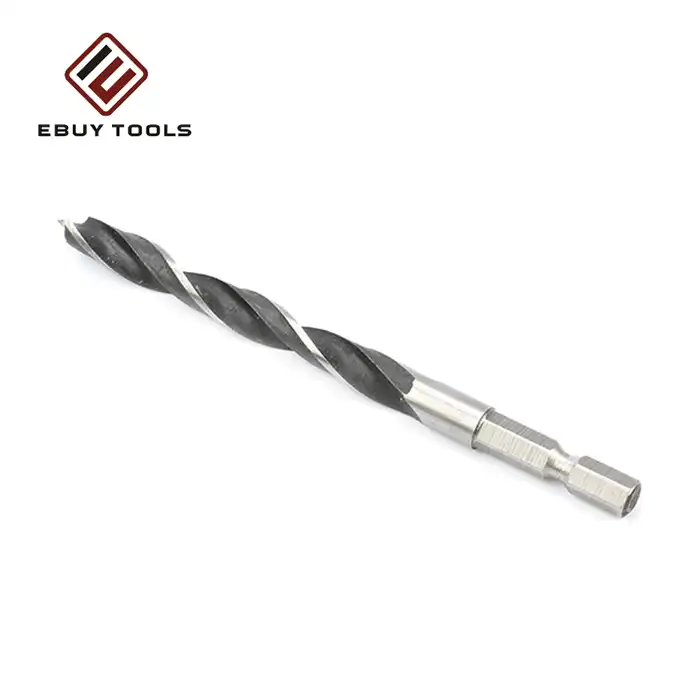
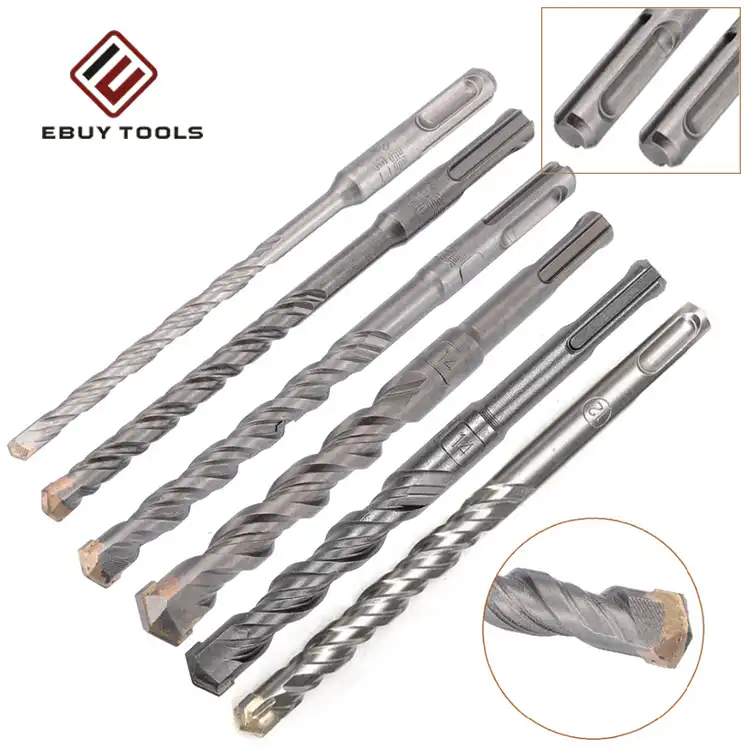
An SDS drill bit, or Slotted Drive System, is a special kind of brick drilling tool made for rotary hammer drills. It has a special shank design with grooves that let it move longitudinally while still transferring maximum power. Unlike regular drill bits that use 3-jaw chucks, this method separates the hammering action from the rotational force. This lets more energy be transferred to concrete, brick, and strengthened structures. Professionals in procurement know that this technology is necessary for large-scale building projects where chuck movement and tired operators have a direct effect on project timelines and cost efficiency.
Understanding SDS Drill Bits: What Makes Them Unique?
The tech behind these unique bits solves some of the most important problems in industrial drills. Standard drill bits don't work consistently when your team is working with high-compressive-strength materials that are stronger than 3000 psi. The unique feature is the shape of the shank, which gives it a mechanical edge that can't be found in regular tools.
The Technical Design That Changes Everything
There are two open grooves on the shank that fit into the drive keys in the chuck and two closed grooves that fit into ball bearings. This set-up lets the bit move axially inside the tool while still sending rotational force on its own. Your workers can easily switch bits without using any tools, which cuts down on the time needed for changeovers on multi-phase jobs where different diameter holes need to be made one after the other.
Metallurgical accuracy determines how long something works. For high-end production, 40Cr alloy steel is heated until it reaches an HRC of 48 to 52 in the base area. This targeted tempering stops mushrooming at the connection point and keeps the core tough enough to resist rotational tearing when it's loaded. The carbide cutting tip, which is usually YG8C grade tungsten carbide, is 89+ HRA hard and is joined to the steel body by copper soldering. This allows it to survive temperatures of up to 1100°C during tough drilling jobs.
SDS-Plus vs. SDS-Max: Selecting the Right Configuration
Understanding version specs makes sure that buying meets the needs of operations. The SDS-Plus has a 10mm shank width that can fit holes up to 1-1/8 inches in diameter. This makes it perfect for installing electrical tubing and standard anchors. The lighter weight makes it easier for operators to do overhead tasks that are popular in business fit-outs.
For HVAC penetrations through double-wythe brick walls and structural core drilling, SDS-Max uses an 18mm blade that can handle sizes larger than 2 inches. The strong shape can handle more impact energy, which is measured in joules, which means that it can penetrate reinforced concrete more quickly. The thread links are also different, with M16 on Plus models and M22 on Max models. This makes it harder to use extension rods for deep wall penetrations.
Flute Geometry and Material Evacuation
How well you remove dirt has a direct effect on how long your bits last and how fast you drill. The double-flute and U-shape designs move the broken-down brickwork away from the cutting zone, stopping the buildup of heat that would otherwise cause the carbide to fail too soon. Professional-grade Max bits with quad-flute designs increase the amount of debris that can be evacuated, which is important when drilling horizontally and gravity can't help clear the debris. When choosing flute designs for your project, you should keep in mind the hole width and orientation to get the best IPM (inches per minute) rates. Learn about SDS drill bits: What Makes Them Different?
Why SDS Drill Bits Are Essential for Your Procurement Portfolio?
This SDS drill bit technology is better than other options in measured ways, so buying teams can keep track of the return on investment (ROI) throughout the lifecycle of a project. When looking at investments in tools, knowing these practical benefits helps you weigh the original cost against the long-term value.
Drilling Speed and Productivity Gains
When energy movement is efficient, a huge amount of time is saved. The contact force from the decoupled hammer mechanism goes straight to the base instead of being spread out among the chuck parts. In concrete uses, field tests show that rotary-only drills do not penetrate as deeply as normal drills. When working on big building projects with thousands of anchor points, this difference in speed adds up to big savings on labor costs.
Cycle times are always the same for factories that make cars and airplanes that drill holes for jig fixtures into steel-reinforced concrete floors. The 4-cutter carbide design keeps the center axis straight even when hitting rebar. This means that holes that aren't lined up right don't need to be fixed, which saves money and meets anchor pull-out strength requirements.
Extended Tool Lifespan Through Superior Engineering
As material science improves, things need to be replaced less often. Copper braze joints can handle heat stress better than silver solder joints, which are often used in cheap bits. The brazed link stays strong even after being heated many times, so the tip doesn't come off, which could cause dangerous projectiles and production delays.
Heat treatment procedures used in factories make sure that the hardness is spread out evenly. Furnaces that are precisely controlled stop case hardening problems that cause weak failure zones. When the total cost of ownership is more important than unit price in your buying plan, these durability factors become the most important ones to consider. Bits that meet PGM certification standards show the geometric tolerances needed for safe brick anchor placements. This lowers the risk of harm in structure applications.
Operator Safety and Fatigue Reduction
Ergonomic perks have a direct effect on how productive workers are and how often they get hurt. Because the energy transfer is so efficient, the user needs to use less force to keep the cutting going. This lowers the vibration exposure measured in m/s², which can lead to hand-arm vibration syndrome. MEP workers say they get less tired during full-shift work and can keep their accuracy on the last few holes even when their focus naturally wanes.
With zero chuck sliding, quick bit seizures that hurt the wrist are no longer possible. The strong mechanical lock between the shank grooves and chuck parts makes the behavior predictable. This lets workers know how the tool will react and keep their bodies in the right position during difficult overhead installations. Why SDS drill bits are important for your buying portfolio.
Making the Right Choice: SDS Drill Bit Buying Guide for B2B Clients
When making a procurement choice, technical needs must be carefully weighed against the skills of the supplier. To do strategic buying for cutting tools, you need to know both what you need right away and how you can work with makers in the long term.
Critical Material Compatibility Factors
The properties of the substrate determine which carbide grade to use. YG8 carbide compositions work well in standard concrete uses where the material hardness is less than Mohs 7. When drilling through granite or designed concrete mixes with hard quartz pebbles, YG8C micro-grain carbide keeps the edge longer. For faster wear prevention, aerospace machining centers that work with composite-reinforced concrete structures ask for bits that have diamond-embedded carbide segments.
The quantity of the reinforcement steel changes the design needs for an SDS drill bit. Heavy reinforcement plans with #8 bars at tight centers need 4-cutter full-head geometry to avoid binding and variation. Structures using #5 rebar at standard spacing can handle 2-cutter designs. During the quote process, your engineering specs should tell sellers about the steel grades and placement density. Knowing these practical benefits helps you weigh the original cost against the long-term value.
Evaluating Supplier Credibility and Manufacturing Capability
Production potential shows how reliable the supply line is. Manufacturers whose daily output is more than 150,000 pieces keep extra supplies on hand to avoid backorders during times of high seasonal demand. Inspections of the sites show that they have dedicated R&D teams and quality control systems that run statistical analyses. This shows that they are committed to ongoing growth rather than having static product lines.
Certification compliance gives you a way to measure the quality of the product. Following ANSI B212.15 standards makes sure that the dimensions stay the same from one production run to the next. This is very important when specifications call for bits from different batches of production to be able to be swapped out. ISO 9001 quality management systems are popular in the aircraft and car supply chains, and suppliers who offer full tracking documents back them up.
Customization Services and Technical Support
Long-term relationships for buying things include more than just store items. Companies that have their own engineering teams work together to create custom shapes for a wide range of uses. For example, they might make longer bits for digging deep foundations or shanks with smaller diameters so that older machines can still work with them. When your business uses unique processes that need non-standard tools solutions, this development capability becomes important.
Transactional sellers are different from trusted providers because they don't offer technical help after the sale. Having access to application experts who know about drilling settings, recommended coolants, and how to fix problems cuts down on downtime when conditions in the field don't match what was planned. Distributors who teach repair teams on-site make sure that the right sharpening methods are used so that tools can be used again and again before they need to be replaced. SDS drill bit Buying Guide for B2B Customers: Making the Right Decision.
Optimizing Your Workflow: SDS Drill Bits in Procurement and Project Management
To add these specialized parts to operational frameworks, you need to plan strategically so that project scheduling and inventory management work together. Just-in-time shipping and buffer stock for sudden changes in demand are both important parts of good buying processes.
Demand Forecasting and Inventory Optimization
Analyzing past spending for SDS drill bit shows usage trends connected to different types of projects. During commercial building phases like structural bracing and MEP rough-ins, demand tends to rise quickly, which procurement teams can plan for. Keeping a safety stock equal to 1.5 times the average weekly usage keeps work from stopping during source lead time delays and keeps extra cash from getting stuck in inventory that doesn't move quickly.
Working together as an engineering team makes it easier to meet requirements. When the buying and project management teams talk to each other on a regular basis, bit sizes and widths are always matched to the needs of the current job, rather than falling back on standard catalog items. This positioning cuts down on the amount of old material that needs to be thrown away when projects change from the original plans.
Risk Mitigation Strategies
Diversifying your suppliers saves you from problems caused by a single source. By approving secondary makers for important bit sizes, you have backup choices in case the main suppliers run into problems with quality or capacity. Keeping a list of accepted vendors with their performance histories on file lets you make quick decisions about where to buy things when you're under a timeline.
Quality checking methods find problems before they are put into use in the field. Plans for incoming inspection sampling that check shank diameter specs, carbide tip concentricity, and braze joint integrity find batches that aren't up to par, which could lead to safety issues or performance complaints. Sharing rejection data with providers leads to correction actions and efforts to keep getting better.
The warranty terms and return policies make it clear who is responsible for the supply. Performance goals and financial solutions are set by clear agreements that spell out early failure criteria, such as carbide tip loss before 500 linear feet in standard concrete. The need for documentation for service claims speeds up the settlement process, which could otherwise take a lot of time and effort from administrators.
Performance Tracking and Continuous Improvement
Putting in place tool life tracking systems creates data that helps with optimizing buying. By recording the number of holes in a bit in different applications and by different operators, you can see how performance changes depending on the method, the material, or the quality of the result. This study finds chances for more training or changes to the specifications that will make the program work better generally.
Cost-per-hole measures make it possible to compare suppliers in an objective way. The real value can be found by dividing the total cost of purchase and upkeep by the number of holes drilled. When making more strategic buying choices, it's important to keep in mind that cheaper bits that need to be replaced more often may have higher total ownership costs than more expensive bits that last longer. SDS drill bits in procurement and project management can help you get more done.
Conclusion
Using the right SDS drill bit masonry drilling solutions can greatly improve the efficiency of operations and the quality of projects in both the industrial and building industries. Because this technology has special technical benefits, it speeds up drills, makes tools last longer, and makes the workplace safer, all of which have a direct effect on your bottom line. Buying quality bits from reputable makers in a planned way gives you a competitive edge by cutting down on downtime, lowering total ownership costs, and making your workers more productive. When companies focus on technical specs that match the needs of the application and build partnerships with suppliers that emphasize manufacturing skills and support services, they set themselves up for long-term success in tough industrial settings.
FAQ
What distinguishes SDS-Plus from SDS-Max configurations?
The main changes are the shank width and what the nails are meant to do. Plus versions have 10mm shanks that can fit holes up to 1-1/8 inches wide, which is typical for light and electrical grounding work. Max models have 18mm shanks that can handle holes bigger than 2 inches, which is needed for drilling into HVAC systems and into structures. Impact energy capacity varies a great deal, with Max methods giving stronger concrete higher joule values.
Can these bits work with standard drill chucks?
Due to the unique shape of the shank, rotary hammer drills with matched chuck systems are needed. The slot design can't be engaged by standard 3-jaw chucks, so these bits can't be used with regular drills. Using the right tools guarantees safety and efficiency.
How should maintenance extend bit lifespan?
Cleaning the pavement regularly gets rid of the dust that builds up and speeds up wear. Checking carbide tips for chips or cracks stops fatal failure before it happens. When drilling performance drops, professional resharpening services bring back the cutting edges, which often doubles the time before replacement is needed.
Partner With Ebuy Tools for Premium Masonry Drilling Solutions
Our 77,000-square-meter factory is where Danyang Ebuy Tools uses modern production to make drilling tools that are good enough for businesses. As an SDS drill bit provider, we can make more than 150,000 pieces every day, so you can be sure we have enough on hand for your large-volume needs. Our bits are made from high-quality 40Cr alloy steel that has been precisely heated and has tungsten carbide tips that are 89+ HRA hard. They meet strict ANSI B212.15 and PGM approval standards. Our 319 skilled workers do strict quality checks on every product to make sure it can handle high-stress industry uses. Get in touch with our purchasing experts at [email protected] to talk about custom specs, bulk prices, and technical help that fits your business's needs.
References
American National Standards Institute. (2019). Specification for Rotary Masonry Drill Bits - Dimensions and Testing. ANSI B212.15-2019.
Construction Industry Research and Information Association. (2021). Guide to Concrete Drilling Technology and Best Practices. CIRIA Publication C812.
International Association of Foundation Drilling. (2020). Anchor Installation Standards for Structural Applications. ADSC-IAFD Technical Manual Series.
Machinery's Handbook, 31st Edition. (2020). Cutting Tools: Materials, Geometry, and Performance. Industrial Press Inc.
Society of Manufacturing Engineers. (2018). Advanced Materials in Cutting Tool Technology. SME Technical Paper Series TP18PUB47.
Tungsten Carbide Manufacturers Association. (2022). Carbide Grade Selection for Masonry and Concrete Drilling Applications. TCMA Industry White Paper.