.webp)

A metal cutting disc is a bonded abrasive wheel specifically engineered to sever ferrous and non-ferrous metals through high-speed friction and controlled material removal. Unlike traditional saw blades that chip away material mechanically, these discs employ abrasive grains—typically aluminum oxide, silicon carbide, or zirconia alumina—bonded with phenolic resin and reinforced with woven fiberglass mesh. They attach to angle grinders and chop saws, delivering precise cuts through steel, stainless steel, aluminum, and specialty alloys. The primary applications span structural steel fabrication, automotive component manufacturing, aerospace engineering, pipeline maintenance, and general metalworking operations where speed, precision, and minimal heat distortion are critical.
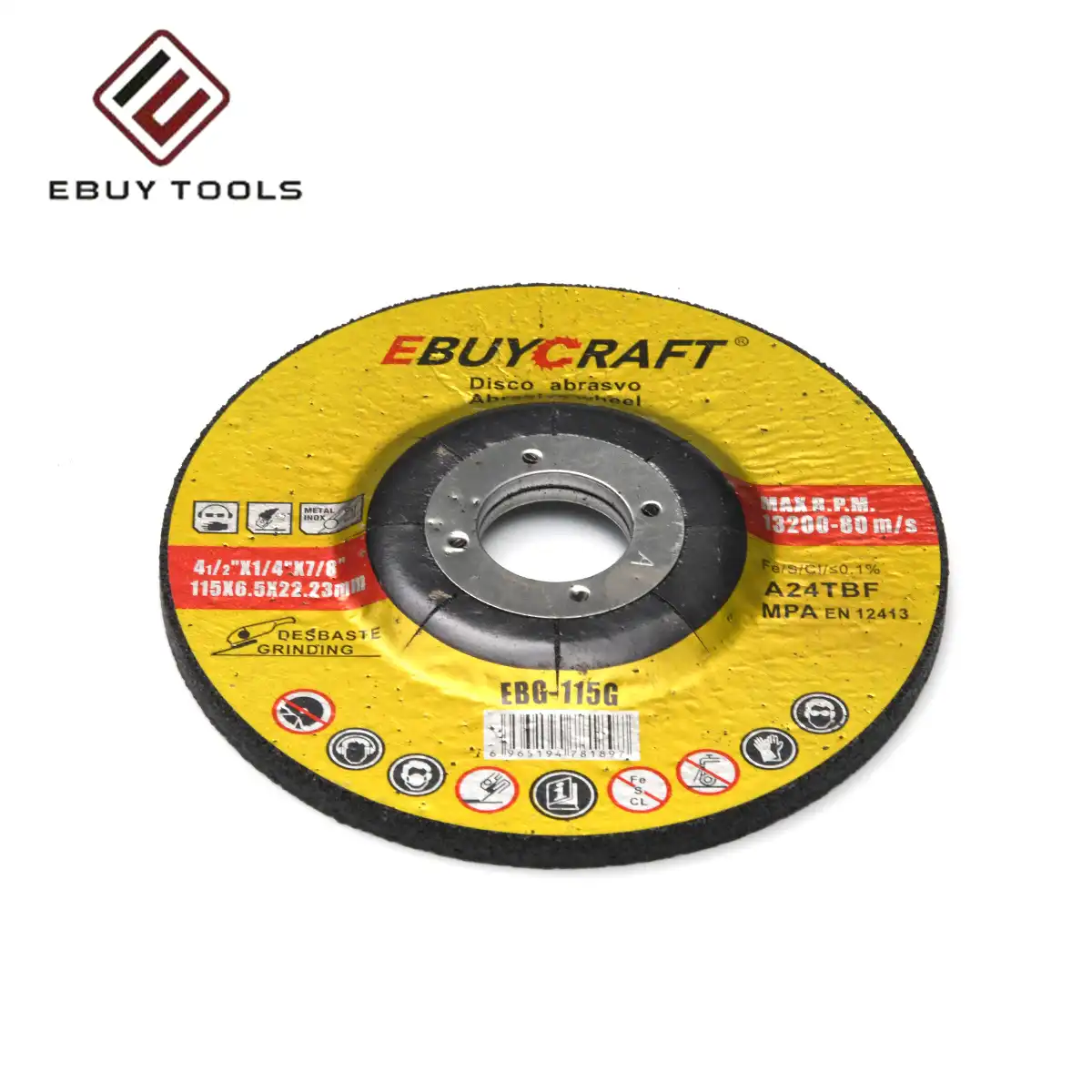
Understanding Metal Cutting Discs: Definition and Key Uses
What Makes an Abrasive Cutting Wheel Different
These specialized tools are very different from saw blades and grinding wheels. Abrasive metal cutting discs work by rubbing against other wheels at high speeds. Saw blades and grinding wheels remove material through their teeth. The gritty grains on the disc break apart very small while it is being used, revealing new, sharp cutting edges that keep working well for the whole life of the disc.
There are many levels of engineering accuracy in the building. A phenolic resin matrix holds abrasive bits in place, making a hybrid material that is both hard and wear-resistant. Double or triple layers of fiberglass mesh are sewn into the body of the disc to make it stronger. This mesh keeps the disc from breaking in a big way if it faces side loads that weren't expected or if the user makes a mistake while cutting.
Core Functions Across Industrial Applications
These metal cutting discs are used to cut everything in manufacturing shops, from thin-walled tubing to solid steel beams. Their flexibility comes from their ability to focus heat on the cut line, softening the metal without changing the qualities of the material around it. When you're working with tight specs, this controlled heat impact keeps the dimensions straight and stops the material from warping.
metal cutting discs are used in factories to work with parts at different stages of production. They are used by auto makers to separate stampings from sheet metal, clean up casting gates, and get welds ready. The discs keep the same cut quality over thousands of cycles, which is useful for mass production where every second of cycle time counts.
Angle grinders with metal cutting discs that can be taken to the job site are essential for construction and repair crews. These tools are more flexible than fixed equipment because they can be used to cut rebar for concrete reinforcement, remove rusted bolts during equipment repairs, or change structure elements during improvements. Because they are portable and have a lot of cutting power, they are essential for field work.
At Danyang Ebuy Tools, we've seen that buying teams judge metal cutting discs on three main factors: how well they work, how much they cost per cut, and how reliable the supply is. Our daily production capacity of 150,000 pieces takes care of supply chain issues that often cause production plans to slip. When the availability of tools is important to your business, working with a seller who has a proven production system is more than just a buying detail.
Types and Specifications of Metal Cutting Discs Explained
Thin Cut-Off Wheels vs. Standard Thickness Options
Ultra-thin abrasive cutting disc versions running from 0.8 mm to 1.6 mm offer a number of practical advantages. They cut away less material each time, which cuts down on waste when working with expensive metals or parts that have already been made. The smaller shape also needs less power to keep the cutting speed steady, which means less heat and a longer life for both the metal cutting disc and the grinder motor. These traits are especially helpful for precise work, like cutting metallic samples into sections or making final cuts on made parts.
Standard thickness disks, which are usually 2.5mm to 3.2mm, are more stable on the sides and last longer. They can handle higher side loads without bending or breaking, which makes them good for general manufacturing work where cutters might not always keep the angles just right. Because there is more grit on each metal cutting disc, it can make more cuts before it needs to be replaced. This lowers the number of times that the discs need to be changed in high-volume processes.
Abrasive Composition and Material Compatibility
Brown fused alumina is the most common type of grit used on carbon steel and mild steel. The combination of its toughness and ability to sharpen itself makes it a great choice for basic crafting. When cutting pressure is applied, the grains break apart in a predictable way, showing new cutting edges that keep the rate of material removal steady.
When cutting stainless steel, especially in food preparation, medicinal, or marine settings, white fused alumina is a must. The total amount of iron, sulfur, and chlorine in these INOX-specification discs is less than 0.1%. Cross-contamination that would cause rust spots on corrosion-resistant metals can't happen because of this purity. This is very important when cutting parts for cleaning equipment or installations near the coast.
Zirconia alumina is the best type of abrasive and is designed to work with tool steel, sharpened steel, and rare metals. The crystal structure of the material makes it self-sharpen more quickly than regular aluminum oxide. This means that it can keep cutting effectively when working with materials that dull regular abrasives quickly. When total cutting costs are taken into account, this performance is worth the money for shops that make aerospace parts and tools out of high-alloy materials.
Size and Specification Factors in Product Choice
Cutting depth and peripheral speed are directly related to the width of the metal cutting disc. Common 4-inch (100mm) discs are good for general repair and manufacturing work because they are easy to move and work with normal angle grinders. The 7-inch (180mm) size gives you more cutting depth for structural work while still working with bigger professional grinders that are popular in fabrication shops.
The bore size must match the spindle setup of your machine. For smaller grinders, the bore size is usually 16mm, and for North American market tools, it's 22.23mm (7/8-inch). Maximum RPM rates make sure that the mill can be used safely at all speeds. Putting a 13,300 RPM metal cutting disc on a 15,000 RPM grinder can lead to dangerous overspeed situations where rotational forces are higher than what the support was designed to handle.
At Danyang Ebuy Tools, our engineering team has created cutting-edge grain and bond systems that work best across this range of specifications. The ultra-thin metal cutting discs we make have better grit distribution that keeps vibrations to a minimum while they're cutting. This stability directly leads to better cut accuracy when accuracy is important and more comfort for the operator during long work times. Our discs remove a lot of metal because they have carefully balanced porosity that lets cutting waste escape while keeping the structure strong. This is a balance that needs to be carefully controlled during production to be achieved every time.
Metal Cutting Disc Safety Best Practices for Industrial Operations
Personal Protective Equipment Requirements
Wearing eye protection is still required when using metal cutting disc. Electrical sparks and metal chips that are released during cutting can hurt your eyes very badly because they move so quickly. Side shields on safety glasses aren't very good at protecting your eyes, but full face shields are much better, especially when cutting from above or dealing with materials that make very violent spark patterns.
When cutting for a long time, hearing protection is important. Cutting with metal cutting discs can make high-frequency noise that can damage your hearing over time. Giving employees earplugs or earmuffs and making them use them saves their health in the long run and shows that you are following occupational health laws.
Protecting your hands needs careful thought. Gloves keep you safe from hot surfaces and sharp edges, but they can get caught on moving parts. A lot of places say that you have to wear cut-resistant gloves that don't have any free fabric that the metal cutting disc or cutter could grab. The choice of gloves should strike a mix between protection against cuts and the precision needed to safely operate machinery.
Wearing respirators is important when cutting metals that make a lot of dust or when working with polished metals that give off dangerous fumes. When you cut through galvanized steel, painted surfaces, and some metals, toxic bits can fly out. During these tasks, the health of the operators is protected by proper air systems and the right respirators.
Proper Disc Handling and Installation Protocols
Visual checking should be done automatically before attaching. Look at the metal cutting disc surface and support mesh for any cracks, chips, or other damage. Even small harm that you can see can weaken the structure and cause the disc to fail while it's being used. Even with brand-new discs, it's important to check them before use because things in the environment, like being wet or not storing them properly, can weaken the resin bond.
The ring test is a simple but useful way to figure out how much damage something has. Put the metal cutting disc on your finger through the hole in the middle and tap it gently with something that isn't metal. A disc that isn't broken makes a clear, powerful sound. When discs are cracked or broken, they make a dull, dead sound. This sound test finds damage inside that can't be seen with the naked eye.
Mounting methods have a direct effect on the safety of operations. Make sure that the metal cutting disc's highest RPM rate is at least as fast as your cutter can go. When you put the backing plates in the right place, they should touch the disc all the way across, with no breaks. Make sure the locking nut is tight, but don't overtorque it. If you do, you could damage the disc or cause stress to be distributed unevenly. Before applying cutting pressure, let newly placed discs run at full speed for one minute. This will give you time to check for unbalance or vibration problems without touching the material.
Operational Mistakes That Compromise Safety
The most common mistake made by operators is side loading. metal cutting discs are made to handle radial forces when they are being used for straight cutting. When side pressure is applied, either on purpose for grinding or by accident because of a bad cutting angle, it puts forces on the disc that its support structure wasn't made to handle. This pattern of stress greatly raises the chance of failure and can lead to a fatal disc break.
Using old metal cutting discs past the end of their useful life causes many risks. As the disc wears down, the speed of rotation at the disc's edge changes in relation to the motor speed. This could cause the surviving disc structure to exceed the safe working limits. Worn discs also lose their ability to cut, which makes workers put too much pressure on them, which raises the risk of failure.
Heavy pressure that cuts through metal cutting discs shortens their life and makes them more likely to break. metal cutting discs don't use force to cut; they remove material in a controlled way. Too much pressure makes heat, which breaks the resin bond, dulls the grains too soon, and can cause thermal stress cracks in the disc structure. Letting the disc cut at the speed it was meant for makes work safer and more efficient.
Accidents caused by outside forces can be avoided by being aware of the environment. Make sure there is enough light so you can see the cut line clearly and keep the right cutting angle. Clear the work area of anything that could catch fire. Cutting sparks can start fires fairly quickly. Properly secure the workpieces so they don't move around while they're being cut, which could jam the metal cutting disc or make the tool move in a way that wasn't expected.
Compliance Standards and Certification Requirements
EN 12413 sets the safety standards for rough metal cutting discs in Europe. It includes rules for making them, how they should be tested, and how they should be marked. Discs that meet this standard have been tested for fast speed and quality, which lowers the risk of operation. When looking for metal cutting discs for work that is supervised by international safety authorities, EN 12413 compliance gives proof that the product is genuine.
Abrasive product safety standards are made and pushed by the Organization for the Safety of Abrasives (oSa), which is made up of producers, users, and safety officials. When oSa guidelines are followed, the products that are made follow the best methods in the business for design, production, and quality control. With this approval, you can be sure that the maker keeps an eye on safety throughout the whole production process.
ANSI B7.1 sets the safety standards for metal cutting discs in North America. It includes everything from how they should be made to how they should be used. Facilities that are regulated by OSHA should make sure that the metal cutting discs they buy meet the requirements of ANSI B7.1. This will show that they are following the rules during workplace checks.
At Danyang Ebuy Tools, these safety standards are built into every step of the manufacturing process. Burst speed testing is done on each metal cutting disc at 1.5 times its rated RPM to make sure the triple fiberglass mesh support stays strong under practical stress. We went above and beyond the bare requirements for this testing procedure because we know that suppliers are responsible for more than just the safety of the people who work in demanding industrial settings using our goods.
Conclusion
Selecting appropriate metal cutting disc directly impacts your operational efficiency, consumable costs, and workplace safety. The technical considerations extend beyond simple disc diameter—abrasive composition, bond formulation, reinforcement structure, and thickness specifications must align with your specific materials and cutting parameters. Strategic procurement requires evaluating supplier capabilities, establishing quality verification protocols, and structuring sourcing relationships that ensure consistent product availability. Safety protocols encompassing proper PPE, installation procedures, and operational practices protect your workforce while maintaining regulatory compliance. Understanding these factors empowers your procurement and operations teams to make informed decisions that optimize both immediate cutting performance and total cost of ownership across your metalworking operations.
FAQ
What factors should guide my disc selection for stainless steel cutting?
For stainless steel, you need special discs made to INOX standards with white aluminum oxide as an abrasive. These discs have very little iron, sulfur, and chlorine—usually less than 0.1% all together. This keeps the cross-contamination from happening that makes corrosion-resistant metals get rust spots. The type of grit is important because regular brown aluminum oxide discs have iron in them that sticks to the cut surface and creates places where rust can start. No matter how much more expensive they are, companies that cut stainless steel parts for food processing equipment, medicinal uses, or marine settings should ask for INOX-grade discs. Fixing pollution problems costs a lot more than the price difference between normal discs and INOX-specification discs.
How can I extend cutting disc service life without sacrificing productivity?
Several practical factors have a direct effect on how long a disc lasts. By keeping the right cutting pressure, the abrasive can work at its intended speed instead of pushing cuts through too much feed force. Let the spinning disc and its rough surface remove the material. Pushing harder causes heat, which breaks the resin bond and speeds up wear. Side stress that leads to early failure can be avoided by always cutting at angles perpendicular to the work area. When you choose the right disc thickness for your purpose, you can balance cutting speed and disc life. Ultra-thin discs cut the fastest, but they wear out faster than normal thickness discs. By matching the abrasive's formula to the hardness of the material, the grain structure will break apart correctly, leaving behind sharp cutting edges all the time. Keeping discs in dry places away from high temperatures protects the plastic bond, stopping degradation that lowers performance before it even starts to be used.
Why do some discs stop cutting effectively and just generate heat?
When the plastic link gets too hard for cutting, this effect known as "glazing" happens. As gritty grains get worn down, they should break apart and fall off, showing new, sharp edges. When ties are too strong, used grains stay in place instead of breaking free. The disc's surface gets dull and smooth, making contact heat instead of cutting action. The answer is to choose discs with softer bond formulas that are right for the hardness of your material and the cutting conditions. To keep the grain from shifting, harder materials need softer bonds and softer materials need stronger bonds. Manufacturers recommend different bond types for different uses; following these suggestions will keep glass problems from happening. Once coating happens, the disc can't get back to being able to cut. It needs to be replaced with the right tools.
Partner with Ebuy Tools for Reliable Metal Cutting Disc Solutions
At Danyang Ebuy Tools, we manufacture professional-grade abrasive metal cutting discs engineered for demanding industrial applications. Our 77,000 square meter facility produces over 150,000 pieces daily, ensuring consistent supply reliability for operations of any scale. Every disc undergoes rigorous burst speed verification at 1.5x rated RPM and meets EN 12413 safety standards. Whether you need ultra-thin precision variants or standard thickness options for heavy fabrication, our advanced grain and bond systems deliver low vibration, high metal removal rates, and extended service life. Contact our technical team at [email protected] to discuss your specific requirements and discover how partnering with an experienced metal cutting disc manufacturer can optimize your procurement strategy while reducing total tooling costs.
References
American National Standards Institute. "Safety Requirements for the Use, Care, and Protection of Abrasive Wheels." ANSI B7.1-2017, Industrial Safety Standards for Grinding Operations.
European Committee for Standardization. "Abrasive Products - Safety Requirements for Bonded Abrasive Products." EN 12413:2007+A1:2018, Technical Standards for Cut-Off Wheel Manufacturing.
Marinescu, I.D., Hitchiner, M., Uhlmann, E., Rowe, W.B., and Inasaki, I. "Handbook of Machining with Grinding Wheels." CRC Press, Second Edition, 2016.
Organization for the Safety of Abrasives. "Safe Use of Cutting-Off Wheels: A Guide for Industrial Users." oSa Technical Publication Series, 2019.
Salmon, Stuart C. "Modern Grinding Process Technology." Society of Manufacturing Engineers, 2009.
U.S. Occupational Safety and Health Administration. "Abrasive Wheel Machinery - Safety Regulations and Compliance Guidelines." OSHA Standard 1910.215, Industrial Equipment Safety Requirements.
_1732239824901.webp)