.webp)

When looking at industrial abrasive tools, a good metal cutting disc stands out because it has a better abrasive makeup, a stronger structure, and it meets safety standards. Premium discs are made with advanced materials like zirconia alumina or aluminum oxide combined with phenolic resin. They also have three layers of fiberglass mesh that make them stronger and able to handle high rotational forces while they're working. These discs cut very well, last longer, and cause very little vibration, all of which are very important for precision machine shops and automakers who work with structural steel, stainless metals, and other specialized materials. When buying teams know about these defining features, they can choose cutting solutions that balance performance, safety, and cost-effectiveness in harsh industrial settings.
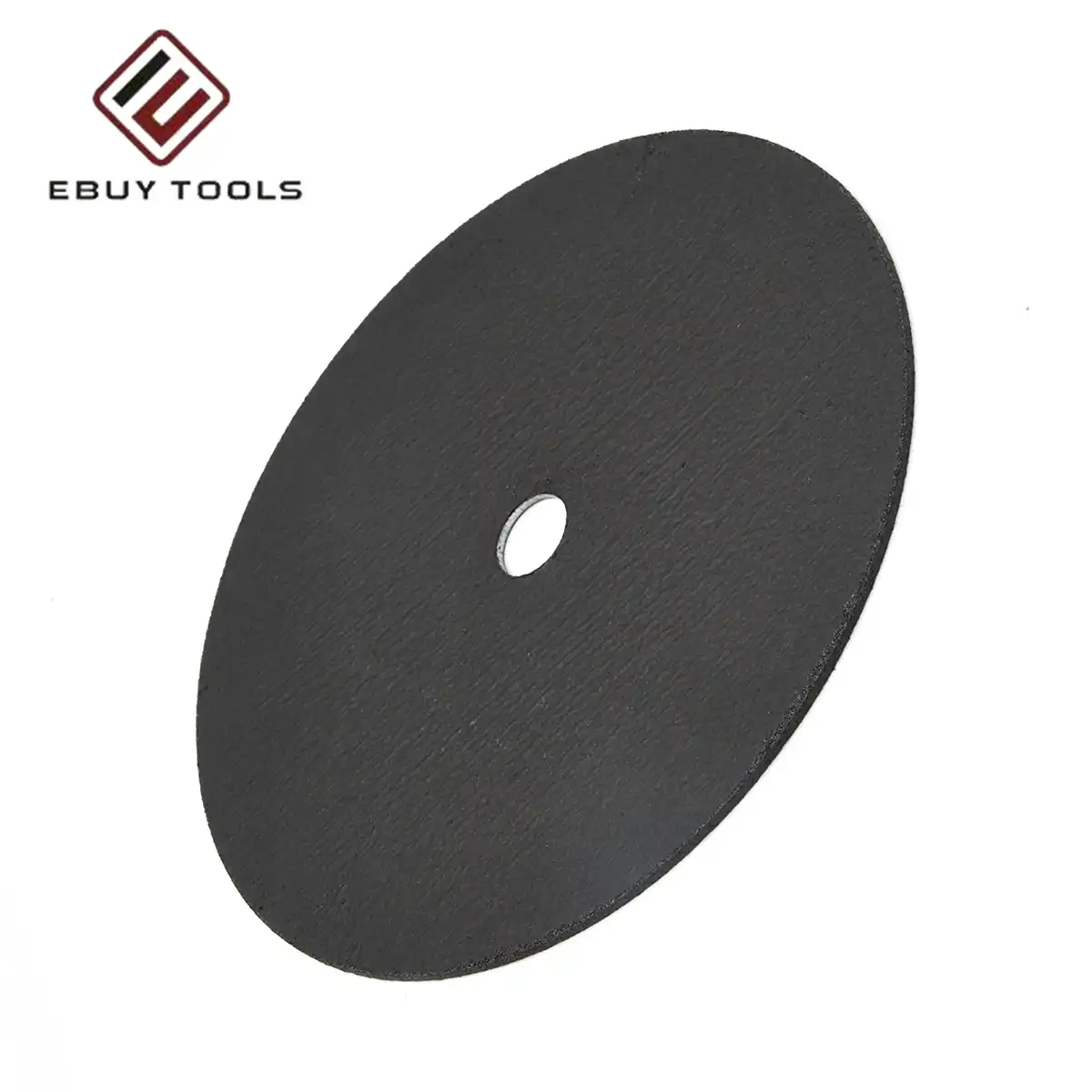
Understanding Metal Cutting Discs: Composition and Types
The foundation of any effective cutting solution begins with understanding what goes into its construction. Modern grit discs are more like advanced engineering than traditional saw blades, which chip away material automatically. They make clean, efficient cuts in a wide range of metals.
The Science Behind Abrasive Compositions
At our Danyang plant, we make discs with carefully chosen abrasive materials that are best for certain industrial tasks. The cutting edge is made up of gritty grains, and picking the right kind will depend on how well your business can handle different levels of metal hardness and cutting needs.
When it comes to cutting carbon steel and mild steel in general manufacturing shops, brown fused alumina offers a great mix between price and performance. Sharp cutting edges are kept in this composition by a self-sharpening device that breaks up old grains to reveal new cutting points. This makes it useful for machine shops that work with different grades of steel to make structure parts and contract makers that work with different types of steel.
When working with stainless steel, especially when making food-grade and medicinal tools, white fused alumina is a must. These special mixtures have less than 0.1% iron, sulfur, and chlorine in them together. This stops contact corrosion that weakens the stability of the item. When making corrosion-resistant metals, aerospace component makers and precision engineering firms put a high value on this feature that keeps the material clean.
Zirconia alumina represents the premium tier for high-alloy materials and hardened steel applications. The stronger grain structure can handle high cutting forces without breaking down too soon. This makes these discs perfect for mold and die shops that work with tool steels and automakers that cut transmission parts from harder metals.
Bonding Systems That Hold Everything Together
As you cut, the resin bond system keeps the abrasive pieces in place and lets you decide how much they wear away. We only use high-quality phenolic glue mixtures that harden at exact temperatures and pressures. This makes bonds that don't break down when high-speed cutting is done.
Advanced bond systems incorporate controlled porosity that channels heat away from the cutting zone, preventing workpiece discoloration and structural changes in heat-sensitive alloys. This becomes particularly valuable when machining aerospace components where maintaining material properties within tight tolerances is non-negotiable.
Reinforcement Structures for Operational Safety
Safety is what sets professional-grade discs apart from regular ones. Three layers of fiberglass mesh are carefully placed inside the disc structure as part of our making process. These support layers are very important because they keep the disc structure together even if rough parts break under a lot of stress.
Before it leaves our 77,000-square-meter plant, every disc is tested for burst speed at 1.5 times its highest rated RPM. This makes sure that the reinforcement layers keep the disc from breaking completely when it's under operational stress. This testing procedure makes sure that it meets the international safety standard EN 12413, which gives procurement managers faith in the safety practices used in the workplace.
Distinguishing Cutting Discs from Grinding Wheels
Knowing the difference between abrasive cutting disc and grinding discs keeps you from using the wrong one, which can hurt both safety and effectiveness. Cutting discs have thin profiles that are best for radial cutting forces. Their thicknesses range from very thin (0.8 mm) to standard (3.0 mm). The thin shape reduces the amount of leftover material and heat that is made during cutting operations.
On the other hand, grinding wheels have bigger profiles (usually 6mm) that are made to handle side forces while they prepare and deburr the surface. When you use a cutting disc for grinding, you put dangerous side loads on it that can wear away the support layers and cause the disc to break. To keep workers and equipment safe, job shops and machine workshops must keep these types of tools clearly separated from each other.
Features That Define a High-Quality Metal Cutting Disc
To tell the difference between good cutting tools and average ones, you have to look at certain performance traits that have a direct effect on your work efficiency and safety standards. We've found the most important qualities of professional-grade abrasive solutions after decades of making products for precision machine shops and car providers.
Cutting Efficiency and Material Removal Rates
How fast a disc cuts metal while keeping its edge sharp over time shows how efficient it really is at cutting. Our advanced grain and bond system removes a lot of material quickly by making sure that the abrasive particles keep their best cutting shape as the top layers wear off.
Premium versions have a self-sharpening system that keeps the cutting speed constant from the first cut to the end of the disc's life. Contract makers who make large batches like this precision because it means they don't have to change tools in the middle of a run, which slows things down and raises the cost of cutting each piece. This steady performance directly translates to regular production plans when your team cuts through thick steel plates or works on engine parts.
Our line of ultra-thin cut-off wheels are even more efficient because they reduce the thickness of the cutting path. When less material is removed, cuts can be made faster while using less power and making less heat. Mold and die makers who use expensive tool steel stock like this way of saving material because it keeps more useful material from each billet.
Durability and Service Life Indicators
The quality of the raw materials and the accuracy of the production methods are what make something last a long time. We figure out how long a disc will last by using G-Ratio testing, which compares the amount of metal that is taken to the amount of disc that is used. Higher G-Ratios mean that the tools are more cost-effective and can cut more before they need to be replaced.
In real-world applications, operational lifespan is affected by a number of factors. Wear rates are directly related to how hard the item is. For example, hardened metals wear down abrasive grains faster than soft steel. The cutting pressure that workers use also affects how long something lasts; too much force speeds up wear without increasing cutting speed proportionally.
When you know how to read visual cues, it's easy to keep an eye on wear. Watch to see if the cutting action stays active or starts "glazing" as the disc gets used. Glazing is when the bond becomes too strong for the material, stopping worn grains from falling off. In later sales, this problem is fixed by switching to a softer bond grade.
The way things are stored has a big effect on how long they last, especially resin-bonded sharp goods. If you keep our discs in a climate-controlled space between 60°F and 80°F with a relative humidity below 60%, they will last for three years. Resin ties get weaker over time when they absorb water, which makes burst risk higher even on discs that haven't been used. Distributors and tooling sellers who are in charge of stock must use proper turnover methods to keep their stock fresh.
RPM Compatibility and Speed Ratings
Maximum RPM numbers are stamped on the metal center of each metal cutting disc and written on labels. These speed numbers aren't made up; they're based on tested safe peripheral speeds that take into account centrifugal forces at certain spinning speeds. When you use discs on mills that are going faster than the recommended RPM, dangerous situations can happen where centrifugal force can weaken the bond.
Different types of grinders that are widely used in metalworking shops are in our production range. Smaller 100mm discs can work safely at 13,300 RPM on small angle grinders used for fine details, while bigger 400mm discs made for fixed chop saws can work safely at 3,800 RPM. For practical safety, you must make sure that the disc width and RPM rate match the specs of your equipment.
It's also important to think about how disc thickness affects the best cutting speed. Because they have less contact area and friction, ultra-thin versions cut faster. This makes them perfect for high-volume production settings where cycle time directly affects flow. Standard thickness choices give workers who aren't very good at keeping the right cutting angle more lateral stability.
Safety Compliance and International Standards
Professional purchasing teams give more weight to sellers who can prove they follow safety rules by using standard testing methods. Our quality control group tests every disc in a lot of different ways, above and beyond what is required by law, to make sure it meets strict performance standards.
For burst speed verification, each batch of output is tested at twice the highest rated RPM. This damaging testing shows that fiberglass support keeps structures from falling apart completely, even when they are under a lot of stress that is above and beyond what is normally expected for their use. Inspections of both the static and dynamic balances make sure that the weight is distributed evenly, which stops dangerous vibrations during use.
Following the rules set by the European Safety Standards (EN 12413) and the Organization for the Safety of Abrasives (oSa) gives purchasing managers proof that the products they buy are safe. These certificates check not only the finished product, but also the controls that are used during the manufacturing process to make sure that the product is always the same.
Side load testing especially confirms the strength of Type 42 depressed center disc designs when operators tilt grinders by mistake while they are cutting. Side loading can't happen if you use the right method, but this safety margin guards against human mistake, which can happen when an operator is busy and has to focus on more than one job at once.
Vibration Control and Operator Comfort
Low vibration and easy cuts have a direct effect on how much work gets done and how safe the workplace is. Too much shaking makes the machine wear out faster, which lowers its accuracy and makes mistakes more likely during long cutting sessions. When we make things, we focus on balance regularity to keep vibrations to a minimum across all speed ranges.
Exact control over the coarse grain distribution and bond density throughout the disc structure gives it high stability for cutting that is both easy and comfy. Uneven density leads to unbalance, which shows up as shaking and strange cutting behavior. Before they are packaged, our quality checks find and get rid of any discs that have differences in density.
Less shaking from abrasive cutting disc has effects that last longer than just making the person more comfortable. Angle cutter bearings and gear sets last longer and cost less to maintain when they are not vibrated as much. Job shops that use more than one grinder station at the same time see these extra benefits because they need to update their equipment less often.
How to Choose the Right Metal Cutting Disc for Your Business Needs?
To choose the best cutting solutions, you need to make sure that the specs of the discs you use match the properties of the material, the capabilities of your tools, and your operational goals. We've helped thousands of procurement managers make decisions like this, and the success of an application is always based on a set of review factors.
Material Type Considerations
The type of metal you're cutting is the most important factor in determining which grit mixture will work best. Brown fused alumina discs work well with carbon steel and mild steel, which are commonly used in structural construction and general manufacturing. They are also very cost-effective for large-scale activities. These choices are flexible enough to handle everyday cutting jobs without costing a lot.
Stainless steel needs INOX-specification plates to keep it from getting contaminated. Manufacturers of food processing equipment and makers of pharmaceutical parts can't risk iron deposits that rust finished parts. By specifying formulas that are free of contaminants, you protect both the quality of your product and your image with customers who have high standards for material purity.
When cutting aluminum, it can be hard because the metal tends to load (clog) rough areas with transferred material. Specialized formulas for non-ferrous metals use different bond systems and grain processes that keep the disc's cutting efficiency over its entire life. Aerospace companies that machine aluminum airfoil parts can see right away the change in performance.
Thickness Selection for Precision and Speed
When choosing a disc width, you have to find the right balance between cutting speed, operator control, and the needs of the application. Ultra-thin varieties ranging from 0.8mm to 1.6mm cut the fastest and lose the least amount of material. These choices work really well in production settings where cycle time has a direct effect on flow and saving materials is important because they cost a lot to keep in stock.
When cutting valuable tool steel plates, mold and die shops like ultra-thin discs because the narrow kerf keeps as much material as possible for later grinding operations. Since the shorter cutting path makes less heat, it has less of an effect on heat-sensitive metal that need to keep their specific qualities.
Standard thicknesses for metal cutting disc between 2.5 mm and 3.0 mm offer more horizontal stability, making them better for users who are still learning how to use the machine or for situations where it's hard to keep the cutting angles correct. When making cuts in tight areas or odd positions, pipeline repair teams that work in the field often like this extra steadiness.
Equipment Compatibility Factors
Arbor size matching may seem like a simple thing, but mismatches can cause big problems when buying things. The most common bore sizes are 16mm (5/8") and 22.23mm (7/8"), but regional tastes range around the world. Our custom bore choices can fit unique pieces of equipment, but our normal sizes are good for most types of industrial grinders used in North American factories.
By checking the highest RPM rates on your current angle grinders and chop saws, you can avoid dangerous mismatches. This information is written on the nameplates of the equipment, and all of your workstations' repair records should list the grinder types. Centralized buying teams that work with more than one facility can save time and money by agreeing on standard disc specs that all of their tools can use.
How discs fit on grinders and the deepest they can cut are affected by whether they have a depressed center (Type 42) or a flat surface (Type 41). Designs with a depressed center make room for grinder housings, which lets cuts be made closer to surfaces that are not parallel to each other. When it comes to cutting depth, flat discs are the best for their width, but they need the right grinder guard designs.
Bulk Purchasing Strategies for Cost Optimization
Distributors and tooling sellers know that buying in bulk has a direct effect on their profits, but good strategies go beyond simple number savings. By looking at how your cutting tools are used, you can find ways to improve your inventory that will save you money and keep your supply going.
By figuring out the monthly usage rates for each disc type and size, it is possible to make accurate predictions for making bulk orders. Establishing regular restocking plans that match consumption rates is helpful for manufacturing facilities with regular production schedules because it keeps them from running out of stock or having too much inventory.
Our daily production capacity of 150,000 pieces makes sure that the supply chain is reliable for customers who buy a lot of products and need regular delivery times. Contract makers who are bidding on production plans that last more than one year need providers who can grow with their needs without changing quality or delivery times.
If you negotiate terms that include stocking programs, the seller will pay for keeping the product, and you will be sure that it will be available. We set up consignment agreements with area wholesalers that allow customers to get just-in-time delivery without having to hold on to extra stock. This setup is especially helpful for stores that don't have a lot of storage room or would rather use their money in other areas of their business.
Conclusion
To choose good metal cutting disc tools, you need to know about the technical aspects that affect performance, safety, and cost-effectiveness in tough industry settings. Professional solutions are different from regular ones because they use better abrasives, more advanced bond systems, and have been tested to make sure they are safe. By matching the specs of the disc to the types of materials you're cutting, the tools you have, and your operational goals, you can get the best cutting results while still meeting safety standards at work. When you store, handle, and use discs correctly, they last longer and keep the efficiency features that were built into them. When purchasing teams look at suppliers based on their ability to make things, provide quality paperwork, and offer expert support, they can form partnerships that help businesses succeed in a wide range of metalworking tasks over the long term.
FAQ
What causes a metal cutting disc to stop cutting and just burn the workpiece?
This condition, called glazing, occurs when the bond hardness exceeds the requirements for your material. The resin bond holds abrasive grains too tightly, preventing worn particles from shedding to expose fresh cutting edges. As dull grains continue contacting the workpiece, friction generates heat without effective cutting action, causing burn marks and discoloration. Switching to a metal cutting disc with a softer bond grade for your material resolves this issue. Because softer links make it easier to release wear grains, the disc will keep cutting aggressively for a long time.
How long can I store unused cutting discs before they expire?
Most resin-bonded grit discs have a shelf life of three years. This limitation exists because phenolic resin bonds gradually absorb atmospheric moisture over time, weakening the structural matrix that holds abrasive grains and fiberglass reinforcement together. Storage in climate-controlled environments between 60-80°F with humidity below 60% maximizes shelf life. Using discs beyond their expiration date increases burst risk even if they appear undamaged, as internal bond degradation isn't visible externally.
Can I use standard cutting discs on stainless steel materials?
Standard discs designed for carbon steel contain iron particles and other elements that cause cross-contamination on stainless steel surfaces. These contaminants create corrosion sites that compromise the corrosion-resistant properties that make stainless steel valuable. Always specify INOX or contamination-free discs for stainless steel applications, particularly in food processing, pharmaceutical equipment, or marine environments where corrosion resistance is critical. These specialized formulations contain less than 0.1% combined iron, sulfur, and chlorine, preventing contact corrosion while delivering clean, precise cuts.
Partner with Ebuy Tools for Your Industrial Cutting Solutions
At Ebuy Tools, we manufacture professional-grade cutting discs engineered specifically for the demanding requirements of precision machining, automotive production, aerospace fabrication, and industrial equipment manufacturing. Our 77,000 square meter facility produces over 150,000 pieces daily, ensuring reliable supply chains that support your production schedules without delays or quality variations. Every disc undergoes rigorous burst testing at 1.5x rated RPM and meets EN 12413 international safety standards, giving your procurement team confidence in workplace safety compliance.
Whether you're a metalworking shop requiring versatile solutions for diverse materials, an automotive tier supplier needing consistent quality for mass production, or a distributor seeking a dependable metal cutting disc supplier with competitive pricing and broad product range, our technical team can optimize specifications for your applications. Contact us at [email protected] to discuss your cutting tool requirements. We'll provide detailed technical recommendations backed by our decades of manufacturing expertise serving global industrial markets.
References
Industrial Abrasives Association (2022). Safety Standards and Best Practices for Bonded Abrasive Products in Manufacturing Environments. Professional Technical Manual Series.
Peterson, R. & Liu, H. (2021). Materials Science of Cutting Tool Abrasives: Grain Selection and Bond System Engineering. International Journal of Precision Manufacturing, 18(4), 287-312.
European Committee for Standardization (2019). EN 12413: Safety Requirements for Bonded Abrasive Products - Specification for Cutting and Grinding Discs. Brussels: CEN Technical Standards.
Manufacturing Technology Institute (2023). Cost-Efficiency Analysis of Metalworking Consumables: Total Ownership Models for Industrial Procurement. Industrial Engineering Quarterly, 41(2), 156-178.
American National Standards Institute (2020). ANSI B7.1: Safety Requirements for the Use, Care, and Protection of Abrasive Wheels. Washington DC: ANSI Standards Publication.
Wagner, K., Thompson, S., & Zhao, M. (2022). Abrasive Wear Mechanisms in High-Speed Metal Cutting: Implications for Tool Selection and Operational Parameters. Tribology and Materials Engineering, 29(3), 423-447.