.webp)

Metal cutting discs are highly precise abrasive tools made to cut through ferrous and non-ferrous metals by controlled friction and material removal. At their heart, these discs are made up of carefully chosen abrasive grains, mostly silicon carbide, zirconia alumina, or aluminum oxide. These grains are joined together with high-strength phenolic resin and strengthened with several layers of woven fiberglass mesh. This complex mix makes it possible for the disc to resist strong rotational forces while keeping its shape when it's spinning at high speeds. Unlike regular saw blades, which remove material by mechanical means, a metal cutting disc cuts through abrasive action that leaves behind few heat-affected zones. This protects the metal's properties and allows for cleaner, more precise separations in a wide range of industrial settings.


Understanding Metal Cutting Discs – Composition and Core Materials
Industrial metal cutting discs are the result of decades of progress in materials science that have been honed to meet the specific needs of metalworking. When you look at a professional-grade cutting disc, you see a system that is carefully tuned and where each part plays a key role.
Abrasive Grains: The Cutting Engine
Abrasive particles are what make every cutting tool work. Although brown fused aluminum oxide is very useful for cutting carbon steel and mild steel, it also has self-sharpening properties that keep the disc cutting efficiently for a long time. White aluminum oxide is used for specific tasks, especially when working with stainless steel and keeping the work from getting dirty is very important. The best abrasive is zirconia alumina, which is made for high-alloy materials and harder steels, where regular abrasives would break down quickly. When these tiny cutting edges are put under pressure, they break apart, revealing new, sharp surfaces that keep cutting well.
Bonding Agents: Structural Adhesion
Phenolic resin links create a sticky matrix that keeps abrasive pieces in place while still letting them move around freely during cutting. This organic link system is flexible under thermal stress, which lowers the chance of a catastrophic disc failure when cutting causes heat spikes in certain areas. It's important that the bond hardness is right for the job. For example, softer bonds work best with harder metals because they let dulled grains fall off more easily, while harder bonds work best with softer materials because they keep grains in place longer. In more advanced formulas, heat-resistant additives keep the bond strong at high temperatures, which extends the product's useful life in settings where it is used continuously.
Reinforcement Architecture: Safety Foundation
Professional cutting discs are different from consumer-grade ones because they are reinforced with fiberglass mesh. For normal uses, double-layer mesh construction is safe enough, but triple-layer designs, like those in Danyang Ebuy Tools' high-end products, let you work safely at speeds of up to 80 meters per second. This support keeps the disc from exploding when it's under stress, which is a very important safety factor because of the high spinning energies involved. The direction of the mesh and the amount of resin in the disc directly affect its lateral strength, which shows how well it can handle side loads when it is cut at an angle or when an operator makes a mistake.
Thickness Considerations and Performance Trade-offs
Disc thickness has a big effect on how cutting works. Ultra-thin versions running from 0.8mm to 1.6mm work best in precise tasks that need to lose as little material as possible and produce as little heat as possible. These thinner shapes cut more quickly with less strain on the motor, but they give up some support on the sides and durability over time. Standard thicknesses between 2.5 mm and 3.2 mm offer better stiffness for heavy-duty cutting tasks, resulting in longer service life at the cost of slightly wider kerfs and more heat production. When making your choice, you should think about how important cutting speed is and how important longevity is for the amount of work you need to do and the material you are using.
Cutting Discs Versus Grinding Discs
Knowing the difference between an abrasive cutting disc and grinding discs can help you avoid mistakes that cost a lot of money and put you at risk. Cutting discs have coarse grains that are tightly packed together and don't have many holes in them. This makes them ideal for using rotational force during straight cuts. Grinding discs have bigger, rougher grains that are spaced farther apart. They are usually 6 mm thick or more and are made to handle side pressure while surface preparation work is being done. If you grind with a thin disc, the reinforcing layers will be stripped away, which will lead to a catastrophic failure. Each tool is used for a specific task, and using the right disc type for the job keeps everyone safe and productive.
Types of Metal Cutting Discs and Their Material Variations
For industrial cutting tasks, metal cutting discs need to be set up in specific ways that work with certain materials and cutting situations. Knowing about these differences helps buying workers get the most out of the money they spend on tools.
Depressed Center Discs (Type 42)
The cutting surface is below the spindle level on depressed center designs because the mounting hub is sunken. This lets you make smooth cuts against vertical surfaces and into corners. This shape is very important in manufacturing shops where removing weld seams and preparing edges need to be easy to get to. Quality depressed center discs have extra side load tests done on the support structure to make sure it is strong on the sides. This makes sure the disc can handle small changes in slope without breaking. At Danyang Ebuy Tools, our Type 42 setups have three layers of fiberglass that are specially made to handle the complicated stress patterns that these uses create.
Reinforced High-Stress Variants
Heavy industrial settings that cut through thick steel plates and structure beams need discs that are designed to keep up the high power for a long time. These strengthened versions have better bonding formulas and extra mesh layers that stop glazing, which is when bond material stops softened grains from flaking off. When cutting through 20 mm steel plate over and over again during a work shift, normal discs may get clogged with metal shavings and stop cutting as well. High-stress formulas keep the cutting edge sharp by letting the grains break and release in a controlled way. This keeps productivity high in tough situations.
Diamond Cutting Discs for Specialized Metals
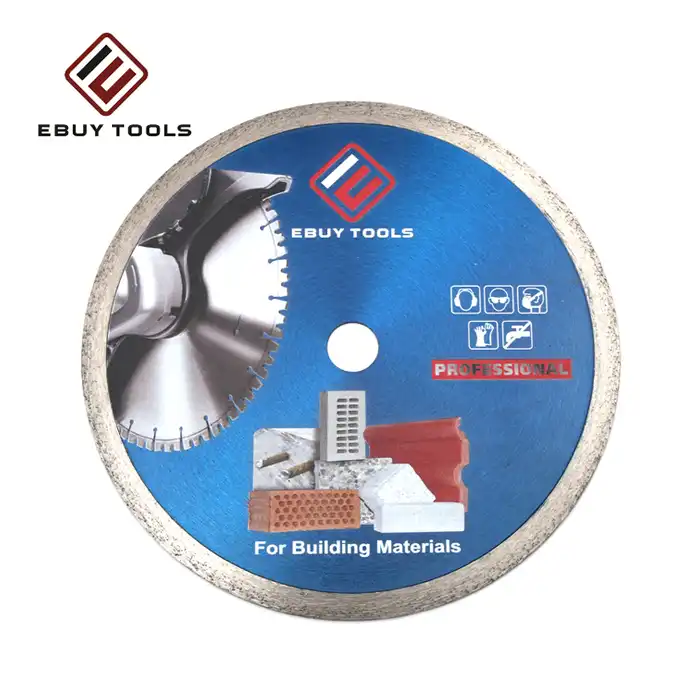
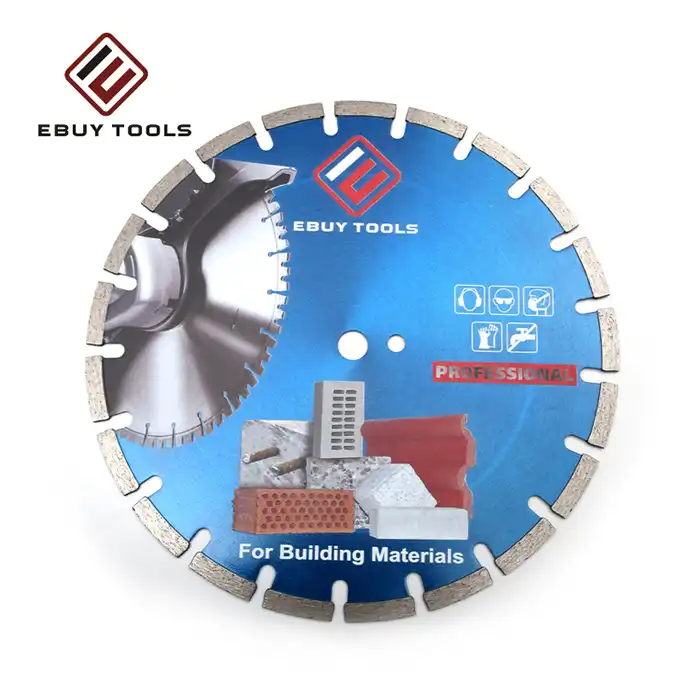
Traditional abrasive discs are used most of the time in metalworking, but diamond-segment discs are only used for very hard materials or situations where the discs need to last a long time. Industrial diamond bits are bonded to a steel body by these discs. This makes a tool that can cut for a much longer time than regular abrasives. The purchase makes economic sense when there are a lot of items to make or when cutting exotic metals that are too expensive to use regular discs on. Diamond technology is good for cutting cast iron, sharpened tool steels, and some non-ferrous metals that are hard for other types of abrasives to cut.
Material-Specific Formulations
Manufacturers of discs make sure that the abrasives and bonds they use are right for each type of metal. INOX-specification discs with less than 0.1% total iron, sulfur, and chlorine are needed to work with stainless steel. Standard discs that are contaminated cause rust blooms on finished stainless surfaces. Aluminum and other metals that aren't iron-based need special abrasives and softer bonds that keep them from loading. Silicon carbide abrasives are good for cutting cast iron because they can handle the weak, rough nature of the metal. Materials that are rusted or polished need grain structures that are rough so they can cut through top contamination and get to the base metal. Matching the disc's makeup to the material of the workpiece makes both cutting more efficiently and disc life longer.
Thin Versus Thick Disc Performance
The argument about thickness for a metal cutting disc is mostly about how to balance cutting speed and service life. Despite being very thin (0.8 mm), our discs cut through metal very quickly, with very little heat being produced and narrow cuts that reduce material loss. Even though they wear out faster, these thin shapes are often preferred in production settings that value speed over disc cost. On the other hand, 3.0mm discs allow for much longer cutting time before they need to be replaced, which cuts down on downtime for disc changes during long production runs. Job shops that do a lot of different kinds of work should keep a variety of thicknesses on hand so that they can choose the best shape for each job instead of using a one-size-fits-all method.
How to Choose the Right Metal Cutting Disc for Your Industrial Needs?
To choose the right metal cutting discs, you need to carefully consider a number of technical and practical factors that have a direct effect on output and cost-per-cut efficiency.
Evaluating RPM and Tool Compatibility
Every cutting disc has a maximum allowed RPM that should never be surpassed. This is not a suggestion, it is a very important safety rule. Since angle grinders and chop saws have set speeds, the disc you choose must work with your machine. A 230mm disc that is rated for 6,600 RPM will fail completely if it is put on a machine that is going at 8,500 RPM. On the other hand, using a small disc with a high speed rating on a machine with a lower RPM loses the disc's abilities. Check the no-load speed of your tools and choose discs that have the right grades. Professional makers like Danyang Ebuy Tools clearly mark the fastest speeds that can be used on the metal center ring of each disc. This makes it easy to find when setting up the tools.
Material Type and Thickness Assessment
The type of grit you need depends on the features of the workpiece. Standard aluminum oxide formulations work well with mild steel and carbon steel, giving cost-effective results in general manufacturing work. To keep the surface of stainless steel and high-alloy materials from getting scratches, they need special abrasives and a makeup that doesn't contain any contaminants. The thickness of the material also affects the choice of disc. For example, cutting 2 mm sheet metal is very different from cutting 50 mm solid beams. More heat is made by thicker materials, so they need discs that are better at keeping their shape at high temperatures. On the other hand, smaller disc designs that let less heat in and less distortion are better for thin gauge work.
Performance Expectations and Disc Lifespan
Setting reasonable goals for success helps make the best procurement choices. A luxury disc that costs more up front might have twice as much cutting time as a cheaper disc, which lowers the total cost-per-cut and keeps production running smoothly while discs are being changed. Figure out how much you usually cut and decide if changing discs too often slows down your work enough to make it worth the money to buy recipes that last longer. Long-lasting discs are much better for high-volume production lines, while cheaper choices may be better for situations where they are only used occasionally. Good makers give G-ratio data, which shows the amount of material removed compared to disc wear. This lets you compare goods based on data.
Brand Considerations and Material Technologies
Well-known brands put a lot of money into quality control methods and abrasive technology that have a direct effect on how well they cut. Companies like Norton, Makita, and Bosch have strict testing procedures and material requirements that make sure that all of their production runs are the same. New makers may offer great deals, but before you buy a lot of them, make sure they meet international safety standards like EN 12413. Our 77,000-square-meter factory at Danyang Ebuy Tools makes more than 150,000 cutting discs every day, and all of them are strictly inspected for quality. Every disc goes through burst speed testing at 1.5 times its rated RPM. This manufacturing size, along with thorough testing, makes sure that the consistency that production settings need is met.
Bulk Purchasing and Machine Compatibility
OEMs and people who buy a lot of abrasive cutting disc should look into bulk buying choices that lower the cost per piece while still making sure the supply chain is reliable. It's usually cheaper to buy directly from manufacturers than through dealer networks, but there may be a minimum order quantity. Setting standard disc sizes and specs across your building makes managing inventory easier and lowers the chance of picking the wrong disc. Make sure that the provider you choose can meet your volume needs and keep their wait times stable. Production delays caused by a lack of tools cost a lot more than any savings you might get from shopping around. Also, look at the warranty terms. Reputable makers stand behind their goods with clear policies that cover manufacturing flaws or failures that happen too soon.
Procurement Best Practices for Metal Cutting Discs – Sourcing and Logistics
When buying metal cutting disc supplies strategically, you have to weigh the current cost against the total cost of ownership and the dependability of the supply chain.
Cost Optimization Through Strategic Purchasing
When you buy in bulk, you usually save a lot of money per unit. But the best order amounts balance the benefits of discounts with the costs of keeping goods and the limits of shelf life. Figure out how many discs you'll need each month and think about buying them every three months. This way, you can get big savings and make sure the discs last as long as their recommended shelf life. Compare prices for different pack sizes. Sometimes, bigger boxes don't save you much more, so buying in bulk is cheaper when you think about how much space you'll need. When looking at new providers, ask for samples. Cutting performance and disc life vary a lot between makers, and testing under your specific conditions gives you information that marketing claims can't.
Direct Manufacturer Sourcing Advantages
When you buy directly from makers like Danyang Ebuy Tools, you avoid the markups that distributors add on top of the price. You can also get professional help and customization choices that you can't get from resellers. Direct ties let you talk to makers about your specific application needs, so they can suggest the best formulations for your materials and cutting conditions. It's easier to plan ahead for production lead times, and buyers who buy in bulk may be able to reach better payment terms or consignment inventory deals that help their cash flow. As a trade-off, direct sourcing usually requires larger minimum order amounts than buying from a wholesaler. This means that direct sourcing is best for established businesses that know they will be using a lot of products.
Logistics and Quality Verification
How the discs are shipped affects how they look when they arrive. Cutting discs can handle regular shipping vibrations well, but big changes in temperature during transport, especially in the summer or winter, can damage resin bonds. While expedited shipping cuts down on travel time, it also costs more. Standard freight is usually enough for planned purchases. As soon as you get the package, check it for damage and take a random sample of the discs to see how they are before taking big shipments. Check that the discs you receive have the right safety markings, such as the highest RPM rate and a statement that they meet the relevant standards. Suppliers you can trust give you certificates of approval that show their material standards and quality control tests.
Certification Verification and Counterfeit Prevention
There are sadly fake cutting discs on the market that have fake safety certifications and brand marks. These low-quality discs are very dangerous because they often use cheap materials and skip important quality checks. Only buy from well-known companies whose records can be checked, and stay away from deals that seem too good to be true. Real companies that make goods give a lot of information about their products, like material safety data sheets and test certificates. Make sure that EN 12413 or oSa marks are on the discs themselves, not just the packing. All of Danyang Ebuy Tools' goods come with full quality paperwork. This lets customers know exactly where their purchases came from and that they are safe according to international rules for abrasive products.
Conclusion
Knowing the engineering principles and materials used to make metal cutting discs helps you make smart purchasing choices that improve both operating efficiency and safety at work. Abrasive grains, bonding systems, and support design work together in complex ways to make tools that can precisely cut metal in a wide range of industrial settings. Carefully choosing the right disc specifications requires thinking about the materials of the workpiece, how well they work with other tools, and the needs of the operation. Following the right handling and safety rules keeps people safe and makes the most of manufacturing investments. Strategically buying from reputable companies makes sure that you can get regular quality and technical help that you can't get with generic options. As the needs for manufacturing keep changing, working with well-known companies that are dedicated to new materials and strict quality control will give your business a long-term competitive edge.
FAQ
Why does my cutting disc stop cutting and just burn the metal?
Glazing is what happens when the bond material stops worn-out sharp grains from flaking off to reveal new cutting edges. The disc mostly shines instead of cuts, which causes too much heat and staining. Glazing usually means that the bond's hardness isn't right for the material of the workpiece—it's too hard for the job. By switching to a metal cutting disc with a softer bond formulation, you can control the release of grains, which makes cutting more efficient again. Glazing can also be caused by too much feed pressure, which pushes grains too deeply into the material before they can break properly.
Can I use standard cutting discs for stainless steel work?
When you use regular discs on stainless steel, they get dirty and leave rust marks on the finished surface. Standard recipes have iron bits and other things in them that move to the stainless steel when it is cut, making it less resistant to corrosion. For stainless steel work, you should always ask for INOX or contamination-free discs. These types of discs have less than 0.1% iron, sulfur, and chlorine mixed. INOX discs are a little more expensive, but they keep the valuable metal qualities of stainless steel and keep expensive repairs from having to be done.
Do metal cutting discs have expiration dates?
Over time, phenolic resin bonds soak up water, which weakens the matrix that holds the sharp grains and support layers together. Most makers mark the brass center ring with the date it was made and the number of years it can be stored. Using old discs raises the chance of failure even if there are no clear problems when looking at them. Keeping discs in dry, safe settings helps them stay in good shape for as long as their shelf life says they should. Companies that don't use many discs should buy fewer of them more often in smaller amounts instead of getting a lot of discs at once, which could go bad before they're used.
Partner with Ebuy Tools for Your Metal Cutting Disc Requirements
Danyang Ebuy Tools can help you with your rough cutting needs by providing high-quality metal cutting discs that are backed by a lot of manufacturing power and strict quality control. Our 77,000-square-meter factory makes more than 150,000 cutting disks every day, so we can keep up with tight production plans. Before it is shipped, each disc goes through a thorough burst test and quality check to make sure it meets EN 12413 safety standards. Our expert team offers application advice to help you find the best disc specs for your materials and cutting needs, whether you're working with stainless steel to make pharmaceuticals or cutting structural beams for heavy fabrication. As a direct manufacturer of metal cutting discs, we can offer reasonable prices on large orders and give you customization choices that distributors don't have. Get in touch with our purchasing experts at [email protected] to talk about your cutting disc needs and find out how our advanced abrasive technology can help you run your business more smoothly.
References
Marinescu, I.D., Rowe, W.B., Dimitrov, B., and Inasaki, I. (2013). Tribology of Abrasive Machining Processes. William Andrew Publishing, Norwich.
Malkin, S. and Guo, C. (2008). Grinding Technology: Theory and Application of Machining with Abrasives. Industrial Press, New York.
Jackson, M.J. and Davim, J.P. (2011). Machining with Abrasives. Springer Science & Business Media, New York.
European Committee for Standardization. (2016). EN 12413:2016 - Safety Requirements for Bonded Abrasive Products. CEN, Brussels.
Klocke, F. (2009). Manufacturing Processes 2: Grinding, Honing, Lapping. Springer-Verlag, Berlin.
Webster, J.A. and Tricard, M. (2004). "Innovations in Abrasive Products for Precision Grinding." CIRP Annals - Manufacturing Technology, 53(2), 597-617.