.webp)

It is very important to understand diamond cutting disc technology when you are looking for cutting tools for precise machining or high-volume production. Compared to regular abrasive wheels, these superabrasive tools are a big step forward. They last longer, cut faster, and work better on hard materials like granite, reinforced concrete, and high-density composites. Industrial-grade fake diamonds are joined within a metal matrix to make the diamond cutting disc work consistently in tough situations. This knowledge base will show you how to choose the right suppliers, improve their performance, and make purchases that help your business reach its goals.
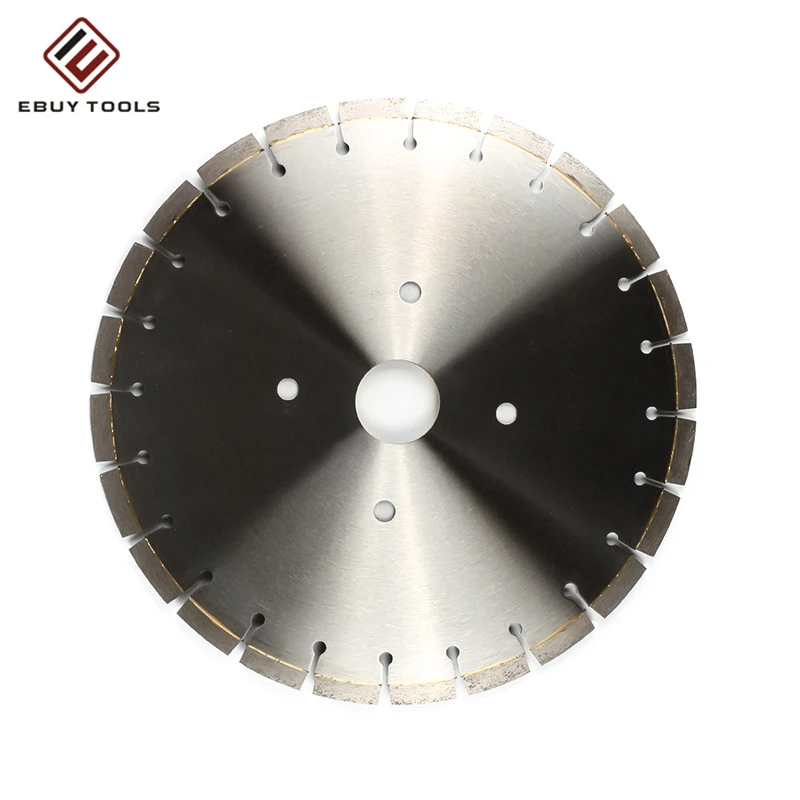
Understanding Diamond Cutting Discs: Types, Functions, and Benefits
Key Types of Diamond Cutting Blades
Different types of blade designs are used for different tasks. Knowing about these differences helps you choose the right tools for the job.
- Continuous Rim Blades: These have a diamond edge that goes all the way around the edge, so they cut smoothly and with little breaking. The setup works great for wet cutting jobs because the water cools the blades and keeps them from getting too hot. Professional tile setters and stone makers who work with ceramic or marble depend on designs with continuous rims when the quality of the edges affects the value of the whole product. The downside is that they cut more slowly than split options, so they are better for precise work than large-scale destruction projects.
- Segmented Blades: These blades have clear gaps between the diamond pieces that help remove dirt and keep heat from building up during dry cutting tasks. The gaps let air flow and make it easier for slurry to drain when the coating is wet. When cutting hardened concrete, asphalt, or brick outside, construction workers choose segmented designs because they cut more aggressively and can work for longer amounts of time without stopping to cool down. Each piece works on its own, which lowers the chance of a catastrophic failure if one section gets broken when it comes into touch with rebar or aggregate.
- Turbo Rim Diamond Cutting Disc: This design combines a smooth continuous rim with a fast split blade. The constant serrated edge, which experts refer to as the "turbo edge," has built-in ducts that work as small air systems. We at Danyang Ebuy Tools use this cutting edge technology in our Turbo Diamond Cutting Disc to get rid of the constant trade-off between feed rate and finish quality. The castellations make it harder for surfaces to line up with each other, which raises the cutting pressure per square inch and speeds up the removal of material. At the same time, the channels allow natural airflow to get rid of heat while the machine is running. This stops the core from twisting due to thermal expansion, which happens in standard continuous rim designs.
We use hot-pressed sintering technology and precision-tensioned steel cores that can safely work at speeds of up to 80 meters per second in our manufacturing process. This spec is important when using angle grinders or bridge saws with high RPM, as blade steadiness directly affects the safety of the user and the accuracy of the cut. We make a special diamond matrix that works well on reinforced concrete, granite Class 4 and 5 stones, and high-density brickwork without the glaze effects that make regular discs less useful for cutting.
Core Benefits Driving Procurement Decisions
Industrial buyers who are in charge of tooling funds and business efficiency metrics use three measured benefits to help them decide what to buy.
Cost-per-cut economics are directly linked to durability. When cutting the same kind of material, diamond blades usually last 50 to 100 times longer than resin-bonded rough wheels. This longer operating lifespan cuts down on the downtime needed to change blades, which is very important in contract manufacturing settings where machine performance affects delivery promises. As the metal bond wears down, the self-sharpening mechanism constantly reveals new diamond grit. This keeps the cutting speed constant throughout the blade's useful life, unlike traditional abrasives that lose their effectiveness over time.
Depending on the strength of the material and the needs of the application, speed increases for diamond saw blade can be anywhere from 30% to 200%. If you're working with marble slabs or cutting control joints in industrial flooring, faster feed rates let you get more done without lowering the quality of the edges. Diamond crystals have five times better thermal conductivity than copper. This means that they don't let heat build up and change the shape of cutting edges, even when they are under constant load.
Safety benefits come from a number of technical factors. When compared to abrasive wheels, diamond blades make less dust per linear foot of cut. This lowers exposure to respirable silica, which is a big worry because of OSHA's rules on crystalline silica that affect industry and building. Properly chosen diamond tools have less of a tendency to kickback, which keeps operators from getting tired and hurt during long cutting sessions. Also, the catastrophic failure mode is very different: abrasive wheels can break apart explosively, but diamond blades usually break down slowly over time, with warning signs that can be seen during regular inspection.
Industrial Applications Across Sectors
Diamond cutting technology is used in a wide range of situations, and each one has its own performance needs that affect the choice of blade.
Diamond abrasive wheels are used to cut hardened tool steels and carbide parts in welding and CNC machine shops when other methods don't work well. Ultra-thin diamond blades with limits measured in microns are used by precision machining shops to cut ceramic alloys or silicon chips. When working with expensive materials like medical-grade titanium or aircraft metals, the minimal kerf width cuts down on waste.
In factories that make cars, diamond tools are used to cut brake pads, transmission parts, and structural supports. The constant cutting action keeps standards on sizes even when thousands of parts are being made at once, and the long blade life lowers the cost of replacements in high-volume settings. Mold and die makers use diamond grinding wheels to smooth out cavities and make complex shapes, and the sharpness of the surface has to be less than 0.4 micrometers to meet standards.
Demolition and construction workers have to deal with a variety of problems that need strong blades that can handle buried rebar, aggregate contact, and the heat stress of long dry cutting jobs outside. When you make deep cuts in clay pavers or other hard materials, friction can build up and cause normal blades to break. The grooved design of turbo rim setups helps get rid of dust quickly, so you don't have to worry about that problem.
Maintenance, Safety, and Performance Optimization of Diamond Cutting Discs
Preventative Maintenance Routines
Cleaning it regularly gets rid of the buildup of dirt and dust that makes cutting less effective and causes vibrations. Rinse blades well with clean water after wet cutting so that mineral deposits don't cause cement mix to harden on segments. These layers make surfaces uneven, which causes vibrations and wear to happen too soon. Compressed air cleans the gullets and cooling tubes of dry cutting tools by getting rid of dust buildup. Every two to four hours of cutting time, the machine should be inspected to look for cracks in the segments, strange wear patterns, or damage to the steel core.
Proper storage extends blade life between uses. Hanging blades upright keeps them from warping from their own weight, which is especially important for blades with widths bigger than 14 inches. Do not stack blades on top of each other directly, as the weight can break diamond pieces. Climate-controlled storage areas keep the bonds on steel cores from rusting and keep the bond stability in resin-matrix blades that are sensitive to changes in humidity.
Blade Dressing and Sharpening Procedures
When cutting materials that are softer than expected for their bond makeup, diamond blades can sometimes get shiny. This problem happens when the bond matrix wears too slowly, diamonds become smooth and hidden instead of breaking apart to show their sharp edges. Glazing will show up as a slower cutting speed, more work for the motor, and a shiny look on the segment surfaces.
Dressing a diamond cutting blade takes off a small layer of bond material on purpose to recover cutting action. In the old way, you had to make several cuts in rough materials like concrete blocks or soft firebricks. This careful wear takes off the polished layer, showing off new diamonds. A more controlled method is to use special treatment sticks that contain silicon carbide or aluminum oxide. Lightly press down on the dressing stick with the spinning blade for 10 to 15 seconds, and then check how well it cuts. If you need to, repeat the process, but don't use too much dressing because it speeds up the section intake.
Safety Guidelines and PPE Requirements
Eye protection must meet ANSI Z87.1 standards, and side guards must stop projectiles from entering from the side. When cutting from above or when particles bounce off of nearby objects, regular safety glasses aren't enough to protect you. In these situations, full-face shields are better. When using high-speed cutoff saws or large-diameter blades that make noise levels higher than 85 decibels, you must wear hearing protection. For most situations, disposable foam earbuds with an NRR 32 rating are enough to protect your ears. However, electronic hearing protection lets you talk to other people on a team while still blocking out dangerous frequencies.
The type of respiratory protection needed depends on the cutting method and the material being used. Wet cutting greatly lowers the amount of floating particles that are released, so in well-ventilated places, respirators are often not needed. Crystalline silica, which is found in large amounts in dry cutting dust, is classified by the International Agency for Research on Cancer as a Group 1 cancer. When operations create clouds of visible dust, workers must wear at least N95 respirators. For longer exposure times or confined areas, P100 cartridge respirators are suggested. Powerful air-purifying respirators (PAPRs) offer better safety and comfort during full-shift cutting operations.
When it comes to making workplaces safe, work habits are just as important as PPE. Keep all of your equipment's blade guards in place and change them so that they only show the blade part that is needed for the cut depth. Never take off or weaken guards to make the blades more cutting-capable; this is what causes a lot of serious blade-contact injuries. Before installing, make sure that the highest RPM values on both the blade and the equipment are the same. When you run blades faster than their stated speed, they create centrifugal forces that are higher than what was intended. This can cause catastrophic failure, where segments or blade bits become high-speed missiles.
Performance Optimization Strategies
Feed pressure adjustment is the most important element that an operator can change. Too much force makes friction worse, heat up, and speed up wear without boosting cutting speed in the same way. When there isn't enough pressure, diamonds shine instead of break, which causes glaze. The best feed rate creates a steady flow of fine dust or sludge that doesn't slow down the motor or bend the blades. Operators with more experience learn to feel the right amount of pressure, while operators with less experience can keep an eye on the motor power to make sure the load stays within the equipment's stated capacity.
How you cut affects both how much you get done and how long your blade lasts. When you plunge cut, which means driving the blade straight down into the cloth, you create the most friction and heat. When you can, use tangential entry, which means slowly bringing the blade into touch with the surface while it is already moving at full speed. This method spreads heat more evenly across parts and lowers the impact on diamond crystals. For cuts deeper than half the blade's width, making multiple passes at rising depth works better than trying to make one pass, which can overload the equipment and cause the blades to get too hot.
Procurement Guide: How and Where to Buy Diamond Cutting Discs for B2B Clients?
Identifying Reliable Manufacturers and Distributors
Direct connections with manufacturers are helpful for buyers who buy a lot of products and have to budget a lot of money every year for tools. Manufacturing partners give you access to technical know-how, the ability to make custom products, and price systems that are based on actual production costs instead of markups for distribution. When looking at possible manufacturers, you should ask to see their facilities or see thorough paperwork that shows their production capacity, quality control systems, and how they get their raw materials.
Danyang Ebuy Tools has a factory that is 77,000 square meters big and is in Danyang City, China. Every day, they make about 150,000 diamond saw blade and other goods that go with them, like diamond cup wheels, TCT saw blades, cutting discs, and drill bits. Our production size makes sure that distributors who are in charge of area markets and big companies who need to buy things for projects always have enough. Our dedicated Research & Development department makes it possible to make custom products for specific uses, and our thorough quality control system makes sure that all of our production batches are the same by following strict testing methods.
Regional wholesalers are helpful for buyers who need a wide range of products, smaller orders, or professional support in their area. Established industrial wholesalers have partnerships with many makers, which means they can offer a wider range of products than a single-source procurement method. As a result, prices may be higher to cover the costs of distribution, and wait times may be longer if desired goods need to be backordered from the manufacturer.
Online Marketplaces and Industrial Supply Platforms
Digital buying platforms have changed the way businesses buy things by making prices more clear and making the shopping process faster. Major industrial supply platforms collect products from many makers and wholesalers and make them available on one platform. This lets users search for products based on specifications and directly compare prices. These platforms work well for maintenance and repair jobs that need to quickly get standard goods, but the benefits of ease are sometimes outweighed by problems with technical support and shipping times.
When utilizing online marketplaces, verify seller credentials and product certifications through documentation review rather than relying solely on platform ratings or reviews. Ask for specifics like the number of diamonds, the type of bond, and safety standards. Established makers keep consistent product paperwork, while inconsistent or incomplete specs suggest questionable manufacturing practices.
Negotiation Strategies for Favorable Terms
Most of the time, buyers can get better prices when they commit to buying in bulk, but they have to weigh the cost saves against the risk of going out of style and the cost of keeping supplies. When dealing with makers, make sure that prices are based on the number of items you buy each year instead of the size of each individual order. This method gives budget planners a way to be sure of the prices while still letting them choose when to place their orders and what products to include.
Payment terms have a big effect on cash flow, especially for smaller businesses. Standard terms for foreign trade call for a 30% deposit, with the rest due before the shipment. This format makes it hard for many buyers to have enough cash on hand. When you have a long-term business relationship with a clear payment history, you can often get net-30 or net-60 terms that match your payment obligations with the money you make from finished jobs. For the first time working with a supplier, you might want to negotiate smaller test orders with standard payment terms. If the orders are successfully fulfilled, you can build trust that will allow you to get better terms on bigger orders in the future.
After-Sales Support and Technical Services
Full provider ties include more than just delivering products; they also include expert advice, application troubleshooting, and warranty support. Talk to possible suppliers about their technical help, reaction times, and ways of communicating when you're reviewing them. When there are language hurdles or big time zone differences that require asynchronous contact, suppliers with technical staff that speaks English and work hours that overlap make it easier to solve problems.
Product guarantees should make it clear what the coverage terms are, what the failure factors are, and how to file a claim. Manufacturers with a good reputation will guarantee their blades against production flaws like segment loss due to attachment failure, core warping beyond stated limits, and premature bond deterioration under normal working conditions. It's also important to know what the warranty doesn't cover. For example, most guarantees don't cover damage caused by user mistake, improper equipment mounting, or going faster than the rated working speed. Ebuy Tools backs up our goods with quick technical help that you can reach by email at [email protected], helping customers optimize blade selection and resolve operational challenges that affect cutting performance.
Conclusion
Successfully specifying, procuring, and operating diamond cutting disc technology requires comprehensive understanding of performance factors, application requirements, and supplier capabilities. The information presented demonstrates how diamond cutting discs deliver measurable advantages over conventional abrasives through extended service life, superior cutting speed, and enhanced precision. Selection criteria encompassing material characteristics, operational environments, and equipment compatibility guide appropriate blade specifications for diverse industrial applications. Proper maintenance protocols and safety practices maximize tooling investment while protecting operator wellbeing. Procurement strategies balancing supplier capabilities, pricing structures, and support services optimize total cost of ownership for organizations ranging from precision machine shops to high-volume manufacturing operations.
FAQ
What Diameter Diamond Cutting Disc Should You Choose for Different Applications?
Blade diameter selection depends on equipment specifications and required cut depth. Handheld angle grinders typically accommodate 4-inch to 9-inch blades, suitable for cutting depths up to 3 inches. Walk-behind saws utilize 14-inch to 20-inch diameters for road cutting and deep slab work reaching 6 to 8 inches. Bridge saws and masonry saws employ larger diameters from 24 to 36 inches for thick stone slabs. Always verify your equipment's arbor size and maximum RPM rating matches blade specifications to ensure safe operation.
Can You Use the Same Diamond Blade for Both Wet and Dry Cutting?
Some diamond blades are specifically engineered for dual-purpose operation, though performance optimization typically requires dedicated wet or dry designs. Wet cutting blades feature bond formulations and segment configurations that depend on water cooling for temperature regulation. Using these blades dry often causes segment loss or core warping from excessive heat. Conversely, dry cutting blades incorporate design features promoting airflow and heat dissipation that function optimally without water. The Turbo Diamond Cutting Disc from Ebuy Tools delivers reliable performance in both applications, though water usage extends service life significantly.
How Do You Know When a Diamond Blade Needs Replacement?
Several indicators signal blade replacement timing. Cutting speed reduction exceeding 30% compared to new blade performance suggests segment wear approaching end-of-life. Visible steel core exposure between segments indicates complete diamond layer consumption. Unusual vibration or wandering cuts suggest core warping or uneven segment wear requiring immediate blade retirement to prevent equipment damage or safety hazards. Segment cracks or missing sections mandate immediate replacement regardless of remaining diamond material to prevent catastrophic failure during operation.
Partner with Ebuy Tools for Professional Diamond Cutting Disc Solutions
Danyang Ebuy Tools combines extensive manufacturing capabilities with engineering expertise to serve your precision diamond cutting disc requirements. Our production capacity of 150,000 diamond saw blades daily ensures reliable supply for bulk procurement needs, while our experienced technical team provides application-specific guidance optimizing blade selection for your operational challenges. Whether you need Turbo Diamond Cutting Discs for reinforced concrete demolition, continuous rim blades for stone fabrication, or specialized configurations for unique materials, we deliver consistent quality backed by comprehensive testing and ISO-certified manufacturing processes.Contact our team at [email protected] to discuss your requirements, request technical specifications, or arrange sample evaluation. As a trusted diamond cutting disc manufacturer serving precision machining, automotive, aerospace, and tooling industries, we're committed to supporting your productivity goals with reliable products and responsive service.
References
Jackson, M.J., and Davim, J.P. (2014). "Machining with Abrasives: Engineering and Manufacturing Perspectives on Diamond Tool Technology." Springer International Publishing.
Marinescu, I.D., Hitchiner, M., Uhlmann, E., Rowe, W.B., and Inasaki, I. (2006). "Handbook of Machining with Grinding Wheels." CRC Press.
Salmon, S.C. (1992). "Modern Grinding Process Technology." Society of Manufacturing Engineers Technical Paper.
Occupational Safety and Health Administration (2016). "Crystalline Silica Exposure in Construction: Final Rule and Standards." U.S. Department of Labor OSHA Publication 3681.
European Committee for Standardization (2010). "EN 13236: Machines and Plants for Mining and Tooling of Natural Stone - Safety Requirements for Diamond Tools and Machines." CEN Technical Committee 151.
Construction Industry Research and Information Association (2006). "Diamond Blade Selection and Use: Best Practice Guide for Cutting Concrete and Masonry Materials." CIRIA Publication C644.