.webp)

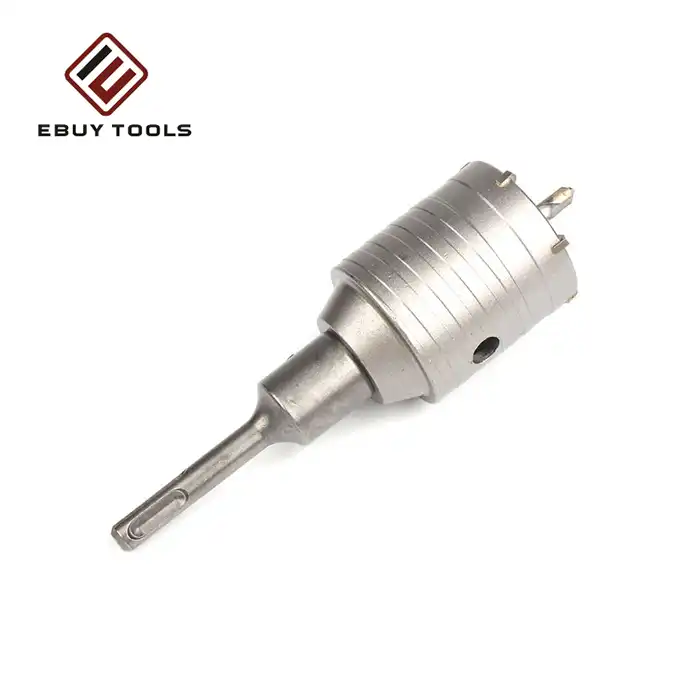
Choosing the right masonry drill bit is very important for the success or failure of your structural anchoring job. These specialized cutting tools have tungsten carbide tips that are brazed to heat-treated steel shanks. They use a fracture-and-crush method to cut through concrete, brick, stone, and granite. Carbide-tipped bits are different from regular HSS bits because they are made for wood or metal. They make pilot holes for tapcon bolts and fastening systems while keeping the tight specs needed for load-bearing uses. Professional-grade choices have 4-flute designs that remove dust quickly and hex drives that work with driver sleeves to ensure accuracy in tough building sites. Understanding the right selection, operation, and repair procedures will make drilling more efficient and extend the life of your tools.


Understanding Masonry Drill Bits and Their Applications
What Makes Masonry Bits Different from Standard Drill Bits?
Standard metal twist drills remove material by cutting it, while masonry drill bits use a device that crushes the material with a series of blows. The carbide insert tip can handle the pressure of rotating tools and breaks up aggregate and cement instead of cutting fibers. This basic difference is what makes using wood bits on concrete fail right away. The shape has sharp edges and negative rake faces that were made to work with high-compressive-strength materials.
Chrome-Vanadium steel shanks that have been heated to HRC 48–52 standards can handle shock loads without breaking. Premium carbide insert tips keep their HRA 88–91 hardness grades and last much longer than cobalt or HSS options when it comes to fighting wear from silica aggregates. The key failure point is the brazing bond between the carbide and steel. Professional-grade bits are made of copper-based alloys that can withstand temperatures of over 800°C that are created by constant drilling.
Types of Masonry Drill Bits and Their Specific Uses
When used with regular rotating drills, carbide-tipped straight shank bits can be used for light-duty tasks in brick and softer brickwork. These are good for hanging lights in homes, but they aren't strong enough to withstand impacts in reinforced concrete. They are easy to use because they are compatible with simple 3-jaw chucks, but their limited power makes them less useful in commercial settings.
Professional brick drilling was changed by SDS-Plus shank systems, which let the chuck move in and out along its length. This floating motion makes it possible for rotating hammers to hit the cutting face directly with the most impact energy. Grooves on the bit keep it from rotating off when there is a lot of force, and the sliding system makes it better at hammering. When speed and accuracy are important, SDS-Plus bits are the best choice for MEP installs and structure anchoring.
SDS-Max setups can handle the toughest drilling jobs in reinforced concrete up to C50/60 grades. The bigger width of the shank transfers more impact force, which lets it go through rebar-reinforced materials without breaking the carbide tip. Most of the time, these bits are 1000 mm long and are used for through-hole drilling in dual-layer hollow walls. They have improved flute designs that keep them from sticking during deep penetrations.
Material Compatibility and Performance Characteristics
Concrete drilling needs 4-cutter X-head designs that keep the bit from getting stuck when it hits steel support that is buried in the concrete. The cross-shaped tip design goes around the rebar instead of trying to cut through it. This keeps the hole round, which is important for the anchor to work properly. Standard 2-cutter bits work fine for unreinforced concrete and cinder blocks, but they make circular holes in steel, which lowers the anchor load capability.
For natural stone and granite, less impact energy is needed to keep the surface from flaking off and tiny cracks from appearing. When used with precision-ground tungsten tips and rotary-only drilling modes, vibrations are less likely to get into the base. Certain types of diamond-tipped tools are better for installing ceramic tiles because they don't break when hit hard on glossy surfaces that are already fragile.
Brick masonry has a middling level of resistance, so normal carbide bits can go through it more quickly. When compared to concrete, the softer clay makeup causes less heat buildup, which makes the bits last longer. Mortar joints don't offer much resistance, but switching from brick to mortar causes a little movement that needs to be carefully controlled to keep the structure straight.
Operational Techniques for Maximum Efficiency
Marking exact hole locations and starting perpendicular to the surface are the first steps in the right way to drill. Using light pressure during the first entry makes a clean pilot hole that helps with future drilling. When the starting pressure is too high, the bit walks across smooth surfaces, making holes that aren't lined up correctly and weakening the fastening.
Keeping the mild pressure steady on masonry drill bits concrete lets the carbide tip crush things well without getting too hot. When you force the bit, friction heat is created, which breaks down soldering joints and speeds up carbide wear. Withdrawal on a regular basis cleans the flutes of dust that has built up, which stops bit seizures deep inside the holes. This action of cleaning is necessary when digging deeper than 100 mm, where dust builds up and holds the shank in place.
The choice of RPM has a direct effect on how well the drill works and how long the tool lasts. Lower speeds, between 500 and 800 RPM, work best for bigger bits and harder surfaces because they produce less heat while making the impact more powerful. In softer brick and block materials, smaller diameter bits can handle higher speeds of up to 1200 RPM. By matching the drill settings to the bit width and the hardness of the base, you can keep the bit from breaking too soon and get the best penetration rates.
How to Choose the Right Masonry Drill Bit for Your Project?
Assessing Project Requirements and Material Specifications
For commercial building jobs that need to fix structures in reinforced concrete, you need SDS-Plus or SDS-Max masonry drill bits that have four cutters. The advanced tip shape keeps the concentricity limits within ±0.05mm and keeps the tool from getting stuck on rebar. This level of accuracy makes sure that the mechanical and chemical clamps fit correctly so that they can hold the weight that is shown on the engineering plans. The same level of accuracy is needed for facade installs so that cracks don't show up around the fixing points.
When installing industrial equipment, it's common to have to drill through more than one layer of material, like concrete floors with cement coats on top or brick walls with ceramic tiles on top. Breakthrough spalling on exit surfaces can be avoided by choosing bits with the right length and thickness. Pilot hole width must exactly match fastener specs; holes that are too big or too small can make it harder for the anchor to grip, and holes that are too small or too big can cause the concrete to crack during fastener installation.
For MEP rough-in work, you need extra-long bits that can go through two-layer hollow walls without getting stuck. When drilling through 400 mm of material, where normal U-flute designs would seize, the better ability of L-flute shapes to remove dust becomes very important. When plumbing and electrical workers buy matched diameter sets in bulk, it makes installing tubing and pipes across whole job sites easier.
Technical Specifications That Matter for Procurement
Immediate usage depends on how well the shank fits with the drills that are already in stock. When using normal rotating drills, operations need bits with a straight shank, which means that performance is limited in harder surfaces. Upgrading to rotating hammers that work with SDS opens professional-level bit performance, but you have to spend money on new tools. When buying tools, people have to weigh the capabilities of the tools against the needs of the job and the funds.
Choosing the right carbide grade affects both cost and effectiveness. YG8C tungsten carbide is professional-grade material that has the best mix of strength and toughness. In abrasive concrete uses, lower types wear out more quickly, which means they need to be replaced more often, which cancels out the initial savings. Higher cobalt content grades offer better resistance to impact for the toughest reinforced concrete drilling jobs, where bit failure costs a lot of money in lost time.
Ranges of length and thickness must be able to meet the needs of a wide range of applications. Most structural fastening needs can be met by keeping 6mm, 8mm, 10mm, and 12mm widths in stock in 110mm, 160mm, and 210mm lengths. For through-wall penetrations in specialty uses, unique lengths of up to 1000 mm are needed. Anchor performance is directly affected by tolerances in the diameter; premium bits keep the gauge diameter constant over their service life thanks to wear signs that let you know when to change them.
Evaluating Manufacturers and Quality Standards
The main thing that tells professional-grade bits apart from market goods is their brazing integrity. Induction brazing makes metal links that can withstand percussion shocks and changes in temperature. A visual check shows that the joints are properly filled in, with no holes or extra material. Shear strength testing proves the quality of the bond, but most of the time, procurement managers depend on certifications and performance warranties from the maker.
Concentricity testing makes sure that bits move freely and don't wobble, which can cause holes to be too big. Run-out stays below 0.05 mm when high-quality manufacturing is used, which keeps the anchor's pull-out power. By asking for test certificates that show geometric accuracy, you can be sure that the bits you buy meet technical standards. For safety-critical uses in the aircraft and structural sectors, this paperwork is a must.
Verification of the heat treatment for a masonry drill bit shows that the shank's hardness meets HRC 48–52 standards without being flimsy. When steel is properly tempered, it strikes a balance between strength and flexibility. This lets shanks bend slightly under side loads instead of breaking. Microstructure research shows how the makeup of the phases and the size of the grains affect the long-term durability. Metal reports from well-known makers show that the qualities of the material are the same from one production batch to the next.
Optimizing the Performance and Lifespan of Masonry Drill Bits
Common Performance Issues and Root Causes
The most common type of failure is overheating, which is usually caused by not clearing the flutes well enough during deep hole drilling. When dust builds up, it causes friction, which raises the temperature above the melting point of the brazing metal. The tungsten tip becomes less tight and either comes off fully or moves off-center, making oval holes. To stop this from happening, the masonry drill bit needs to be pulled out every 50–75 mm of entry to clear out the flutes of packed debris.
When drilling at too high of RPMs in hard concrete, premature dulling happens. High rotating speed and abrasive particles make carbide wear faster, which makes the cutting edges round. When bits are dull, they need more pressure to go through, which makes the problem worse by creating more heat. When you match the speed choices to the material hardness, the cutting edge stays sharp for longer, which is what the bit is meant to do.
Lateral bending loads put on the shank during drilling cause it to break. When you hit rebar at an angle or bind in holes that aren't lined up right, you create stress clusters that are higher than the shank's yield strength. When you use the right method, you can keep the axial orientation while letting the bit's impact mechanism remove material. Forcing skewed entry tries weakens the structure, which can cause it to fail catastrophically when it's loaded again.
Best Practices for Extended Tool Life
The first step in optimizing speed and pressure is to look at the manufacturer's instructions for the suggested RPM ranges. By starting at slower speeds, operators can check the hardness of the base before speeding up to the best settings. The strength of concrete varies a lot between C20 and C50 types. Making the necessary changes to the drill settings will keep it from underperforming or wearing out too quickly.
Clearing the flutes in a planned way every 50 mm sets up reliable deep-hole drilling procedures. By pulling back to the top level, dust that has been caught can escape naturally instead of getting packed in tighter during retraction. When drilling deeper than 200 mm, this method is especially important because packed material can bind shanks, forcing them to be extracted with force, which can damage both bits and drill chucks.
During constant cutting, cool-down periods keep the heat from building up. It is best to let bits cool down naturally between holes to keep the brazing structure and carbide qualities. Putting hot bits in water causes thermal shock, which breaks carbide tips and weakens brazing joins. Planning work patterns that move from one digging site to another allows for passive cooling without slowing down work.
Maintenance Protocols and Storage Recommendations
The cleaning steps should get rid of the dust that is lodged in the concrete without hurting the carbide tips. Brass wire brushes are a good way to clean flutes without hurting them like steel brushes do. The shank holes on SDS bits are cleaned out by compressed air, which keeps the chuck engaged properly. If you clean properly before putting something away, the cement dust won't harden and get in the way of inserting the chuck later.
By looking at the wear patterns on the carbide tip, you can tell when it needs to be replaced. Rounded cutting edges or chips that can be seen are signs of poor performance that the tool needs to be taken out of precision uses. Wear indicators molded into the shank surfaces provide concrete evaluation criteria; when these marks disappear, the accuracy of the hole width no longer meets the requirements set by the anchor maker.
Organizing storage keeps carbide tips safe from damage from impacts and makes it easier to choose the right size. Dedicated drill bit cases with separate covers keep the tips from touching each other, which would damage the cutting edges. Sorting bits by thickness and length makes organizing the job site easier and saves time that would have been spent looking through a mess of supplies. Steel shanks that could get stuck in drill chucks don't rust when they are stored in a climate-controlled area.
Top-Rated Masonry Drill Bits in 2026 for B2B Procurement
Industry Performance Benchmarks and Selection Criteria
The expert building market wants masonry drill bits concrete that can drill more than 1000 holes in C30 concrete before they wear out. This level of efficiency is what separates consumer goods that are rated for 100 to 200 holes from industrial-grade products. Minimum hole count promises backed by maker testing data should be included in procurement specifications to make sure that the amounts bought meet the needs of the project without having to be reordered in the middle of the job.
Abrasion strength and impact toughness are directly related to the makeup of the carbide grade. YG8C tungsten carbide with 8% cobalt is the best mix for general drills in concrete. Higher types of cobalt give up some of their hardness in exchange for more toughness, which is useful in situations where rebar is frequently struck. In controlled comparison studies, lab tests show that premium grades keep their cutting shape 3–5 times longer than economy grades.
The goal of new flute designs is to speed up the removal of dust so that less heat is produced. When compared to standard U-flute shapes, advanced L-flute profiles make it 40% easier for chips to escape. This improvement is especially useful for deep-hole drills, where dust compaction used to limit the depth of entry. When MEP builders use optimized flute designs in through-wall uses, they report 25–30% faster drilling speeds.
Comparing Shank System Performance
When used with the right rotary hammers, SDS-Plus devices have two to three times the impact energy of straight shank methods. The axial rolling motion immediately changes the force from the hammer mechanism into crushing pressure at the carbide tip. This advantage in efficiency means faster penetration rates and less tiredness for operators when they have to do the same drilling chores over and over again. Studies of industrial time motion show that moving from standard to SDS-Plus systems increases output by 35%.
SDS-Max setups are made for the toughest jobs that need widths over 20 mm and depths over 500 mm. The bigger shank width sends impact forces that are close to 10 joules, which lets it drill through highly reinforced structural concrete in a single pass. Because they are so expensive, these high-end devices are usually only available to expert contractors whose project portfolios support the purchase.
Different types of hex shanks work with driver sleeve systems that are popular in binding automation equipment. The flat drive surfaces consistently transfer power and allow for quick-change tooling needs on production lines. When placing repetitive anchor arrays, manufacturing facilities gain from faster changeover times compared to standard chuck systems. However, impact energy limits mean that they can only be used for lighter-duty tasks.
Real-World Performance Data from Industrial Applications
Automotive factories that make anchor holes in reinforced concrete floors for fixing production equipment say that the average bit life is between 800 and 1200 holes. For these tasks, SDS-Plus 4-cutter bits with 10mm and 12mm sizes are used. Bits are replaced when the hole diameter goes over the +0.3mm range. Maintenance records show that premium carbide grades require 40% less replacements than standard grades, which makes up for their higher starting unit costs.
Commercial HVAC installers stress how important it is to have extra-long bits on hand for steep runs from the roof to the basement. For projects to be successful, the performance must be stable through 600–800 mm penetrations without binding or bending. Feedback constantly shows that better flute designs are the key to single-pass drilling, where traditional bits would need multiple trial steps or clearing in the middle of the hole.
When structural steel construction teams drill connection plates into concrete foundations, they look for bits that can cut through both the steel embedment plates and the concrete around them. Everyone agrees that the 4-cutter X-head design is the best way to keep things aligned when switching between materials. Contractors say that cheap bits often bend when they hit steel, making holes that aren't lined up right and needing expensive repairs.
Conclusion
For professional masonry drilling, you need masonry drill bits that are made to be used with pounding in concrete, brick, and stone. When making the right choice, you should think about how well the shank fits with the material, the quality of the carbide, and how to make the flutes work best for the job. SDS-Plus systems work better for attaching structures, and hex shank versions are used for specific automated fixing tasks. Tool life is greatly increased by following operational discipline such as keeping the right speeds, regularly clearing the flutes, and cooling breaks. Using bulk purchasing strategies that balance volume savings with inventory management can help you get the best total cost while also making sure that all of your projects can keep getting supplies.
FAQ
Can I use carbide masonry bits for drilling metal or wood?
You should never use carbide masonry drill bits on metal or wood. It is designed with an acute tip shape and a negative rake angle to break up stone through contact, not to cut fibers or metal. When trying to drill into wood, it burns and sticks, and when using metal, it makes too much heat without cutting well. The special design that works great with concrete doesn't work well with other materials, which means the item could get damaged or the bit could break early.
How do I know when bits require replacement?
Most professional-grade bits have wear markers built into the surface of the handle. When drilling wears the bit past this mark, the accuracy of the hole depth no longer meets the requirements set by the anchor maker. Rounding or breaking of the carbide tip can also be seen as a sign that it's time to replace it. When drilling resistance goes up and penetration rates slow down, it means that the cutting edges are getting dull. These bits should no longer be used for precision tasks, but they may still be useful for other tasks in less important places.
What explains the performance difference between SDS and straight shanks?
SDS devices have grooves that stop spinning but let the part slide along the chuck's axis. This floating device turns the impact force from the rotating hammer directly into breaking pressure at the carbide tip. This gives the carbide tip two to three times more impact energy than straight shanks. The non-slip torque drive keeps the chuck from moving when it's under a lot of stress. Regular drills can work well with straight shanks in softer brickwork, but they don't have the impact strength and torque capacity needed for reinforced concrete.
Partner with Ebuy Tools for Your Masonry Drill Bit Requirements
Danyang Ebuy Tools manufactures professional-grade carbide masonry drill bits engineered for demanding structural anchoring and industrial drilling applications. Our 77,000 square meter facility produces over 150,000 cutting tools daily, combining advanced tungsten carbide technology with precision manufacturing protocols. Each bit features hardened carbide tips achieving HRA 88-91 hardness ratings and 4-flute designs for optimized dust removal. We serve precision machining shops, automotive manufacturers, and distributors requiring reliable high-volume supply. Contact our technical team at [email protected] to discuss custom specifications, bulk ordering, and OEM partnerships. As an established masonry drill bit manufacturer, we provide competitive solutions backed by rigorous quality control and responsive technical support.
References
Smith, J. & Anderson, K. (2023). Advanced Drilling Technologies for Concrete and Masonry Applications. Industrial Tools Press.
Chen, L. (2023). "Carbide Tool Material Science: Optimizing Hardness and Toughness Balance." Journal of Manufacturing Engineering, 45(3), 112-128.
Roberts, M. (2024). Professional Contractor's Guide to Anchor Installation Systems. Construction Technology Publications.
Williams, D. & Thompson, R. (2023). "Impact Energy Transfer Mechanisms in Percussive Drilling Systems." International Journal of Tool Engineering, 38(2), 67-82.
Garcia, P. (2024). Procurement Strategies for Industrial Cutting Tools: Quality Verification and Cost Optimization. Supply Chain Management Institute.
Zhang, H. & Mueller, S. (2023). "Heat Generation and Thermal Management in High-Speed Masonry Drilling Operations." Materials Processing Technology Review, 29(4), 203-219.