.webp)

Choosing the right metal cutting disc can make your shop more productive and safer to work in. This detailed guide looks at grinding wheel technology, how to use them, and buying things that are important for precise metalworking. Whether you're cutting structural steel in manufacturing shops or processing stainless steel parts for aircraft uses, knowing about disc makeup, thickness requirements, and bond systems has a direct effect on how much you save per cut and how safe your workplace is.
Understanding Metal Cutting Discs: Types and Functional Differences
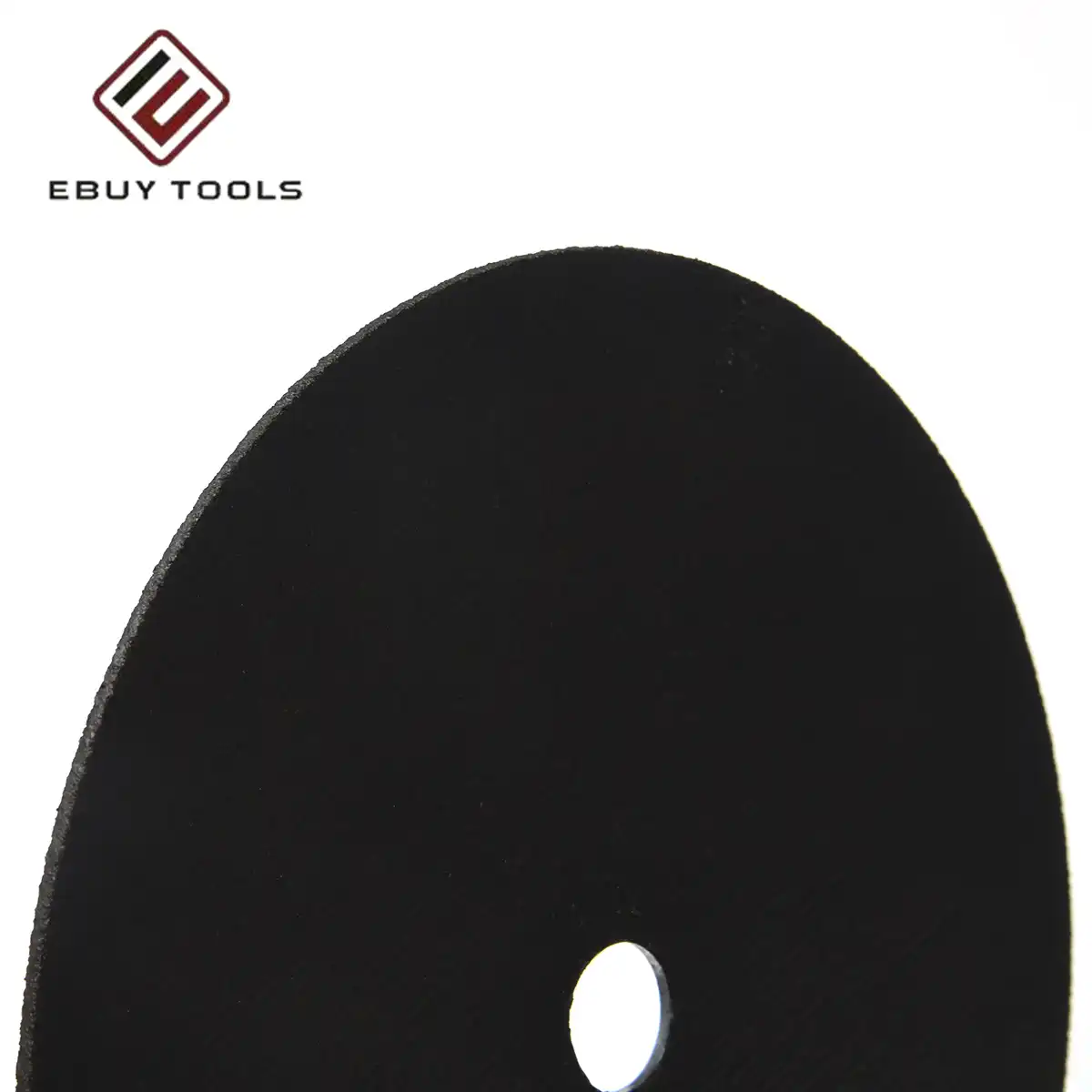
Metal cutting discs are specialized grinding tools that are bound together and are used to cut through ferrous and non-ferrous metals by controlling friction and material removal. Instead of physically chipping away material like regular saw blades do, these discs use abrasive grains (usually silicon carbide, zirconia alumina, or aluminum oxide) that are bound with phenolic resin and strengthened with woven fiberglass mesh. Because of how they are built, they can survive rotational forces greater than 80 meters per second while still being structurally sound.
Abrasive Cutting Discs vs. Grinding Wheels
A lot of workers get cutting and grinding mixed up, which leads to dangerous tool abuse. Metal cutting discs are made with thin shapes that are between 0.8 mm and 3.2 mm thick and are designed to cut in a circular direction. Their thin form lets them cut quickly while also wasting little material and making little heat. Grinding wheels, on the other hand, have bigger profiles—usually 6 mm or more—and can handle side pressure during operations like deburring and surface preparation.
If you use a cutting tool for side grinding, something terrible could go wrong. The side force wears away the layers of fiberglass support, which makes the disc break at normal speeds. We've seen this mistake made in a lot of manufacturing shops where workers think discs are flexible. Knowing this basic difference will help you protect your employees and make tools last longer.
Types of Metal Cutting Discs by Composition
How well an abrasive works on different metal materials depends on its makeup. For carbon steel and mild steel uses, brown fused alumina discs offer a great mix between price and performance. Because they are self-sharpening, they keep cutting even as the top layers of grain wear away, revealing new, rough edges. These discs work well in general manufacturing settings where the ability to work with different types of materials is more important than specific performance.
When stainless steel is being processed, white fused alumina mixtures keep it from getting dirty. INOX-specification discs with less than 0.1% total iron, sulfur, and chlorine content are needed for food-grade and pharmaceutical production. This clarity stops touch corrosion on metal surfaces that are easily damaged. To meet strict industry certifications, we make these customized versions with strict material controls.
Zirconia alumina abrasives can be used on hardened steel and other unusual metals, as well as other high-alloy materials. Even when the pressure and temperature are very high, the grain structure keeps the cutting efficiency. High-precision engineering firms and companies that make aerospace parts use these premium discs to machine titanium, Inconel, and other difficult materials. The higher initial cost is justified by the longer service life and better quality of the surface finish that come with increased toughness.
Impact of Disc Thickness on Performance
Metal cutting discs that are very thin (0.8 mm to 1.6 mm) make precise cuts with little kerf loss. These versions cut down on trash when processing high-value parts, which makes them cost-effective even though they wear out faster. Because there is less friction, there is less heat, so the part doesn't change color or become different in any way in the heat-affected zone. When tolerances call for precise measurements, makers of automotive transmission parts prefer these thin-kerf choices.
Standard width abrasive cutting disc with a range of 2.5mm to 3.0mm offer stability on the side for a wide range of uses. The extra amount of grit makes the service life longer, which means better cost-per-cut economics during longer production runs. Fabricators who work with structural steel like I-beams and thick plates because they are strong and last a long time. Our production skills cover the whole range of thicknesses, so we can make sure that the specs of the discs we make meet your exact practical needs.
How to Use Metal Cutting Discs Safely and Effectively?
When metal cutting discs are used correctly, they protect workers and make tools last longer and work better. There are natural risks in industrial metalworking settings that can be reduced by using proper skill and following established procedures. Safety is more than just following the rules; it's also about running the business efficiently. Accidents stop work, damage tools, and make workers lose faith in their bosses.
Step-by-Step Installation and Operation
First, make sure that the disc works with your angle grinder or chop saw. Perfectly match the bore size—forcing a disc onto an arbor that doesn't work creates a risky unbalance. Look at the number stamped on the metal center ring of the disc that says "max RPM." Do not go faster than this, because centrifugal forces get stronger as the speed of spin goes up. If you go faster than the recommended speed, the disc could fail completely, even if the grit looks fine.
Check each disc before you mount it. Check the fiberglass for chips, cracks, or layers that have come apart. Even very small harm weakens the structure at working speeds. If you gently tap the disc while it's in the air, it should make a clear ring. If it's broken, it will sound dull or dead. This easy sound test finds problems that can't be seen with the naked eye.
Put the piece of work safely in a vise or clamp. Do not try to cut loose material by hand. Put steady, gentle pressure on the disc face in a straight line. Instead of pushing the tool, let the rough bits do the work. Too much pressure makes the disc surface hot, which stops the grain from releasing and stops cutting effectively. When coating happens, the disc starts to burn the metal instead of cutting it.
Essential Safety Protocols and PPE
Wearing safety gear is the best way to protect yourself from abrasive wheel dangers. Safety glasses aren't enough to protect your face; you need full face covers to protect against high-speed particle hits. When a disc breaks, pieces can fly through the air at speeds of more than 200 miles per hour. We have records of situations where poor eye safety caused lifelong vision loss.
Hearing safety is very important during long cutting processes. Noise levels higher than 85 decibels that last for a long time hurt your hearing over time. Even though modern low-vibration discs lower the sound level, you should still wear earplugs when you play for long periods of time. Metal particles and rough dust that build up in workshops are filtered out by respiratory equipment. When breathed in regularly, these tiny particles can damage your lungs over time.
Heavy leather gloves keep your hands safe from hot workpieces and sharp burrs, but don't wear types that are too loose because they can get caught on spinning tools. Instead of being right behind the disc, move your body to the side of the cutting line. In this position, you are not in the way of the release path if the disc fails. Make sure you keep your balance and a firm stance throughout the operation so you can still control the tool if it accidentally gets stuck.
Maintenance Practices That Extend Disc Life
Metal cutting disc should be kept in controlled settings that are away from extremes of temperature and moisture. Over time, phenolic resin bonds take in water from the air, which makes the matrix that holds the sharp bits weaker. Because of this breakdown, bonded abrasives have expiration dates, which are usually three years from the date they were made. Using old discs raises the risk of breaking because the glue loses its ability to stick together and hold things together.
Before cutting, clean the sides of the item to keep them from getting dirty. Paint, rust, and scale all make the cutting resistance uneven, which leads to vibrations and early wear. When working with painted or coated pipe or structural parts, you need to take off the coatings or paints in the cut zone. This mixture makes cuts go more smoothly and stops chemical reactions between disc materials and surface contaminants.
Keep an eye on how well the disc is cutting throughout its life. Either coating or worn rough grain are signs of a slower cutting speed. Instead of adding more pressure, change the disc when it starts to work less well. When you push old discs past the point where they should be replaced, heat, pressure, and possible safety risks are created. Our G-ratio testing compares the amount of material removed to the amount of wear on the disc. This helps buying managers figure out the real running costs instead of just looking at the purchase prices.
Procure the Right Metal Cutting Discs: Buying Guides and Supplier Overview
Strategic buying of metal cutting discs affects both short-term prices and the security of the supply chain in the long term. When professional buyers start working with a seller, they look at more than just the unit price. Consistency in quality, expert support, on-time delivery, and compliance documents are all things that help realize total value.
Evaluating Supplier Capabilities and Certifications
A supplier's ability to regularly meet your volume needs is based on their manufacturing capabilities. Every day, we make more than 150,000 cutting discs in a wide range of specifications. This way, we can guarantee a steady supply even when demand goes up. This level of production lets us keep a buffer stock that saves buyers in case there are unexpected supply problems. It can be hard for smaller makers to keep up with service level promises and the costs of keeping inventory.
Quality management systems show that processes are controlled and products are always the same. While ISO 9001 approval shows that a company takes an organized approach to quality control, making cutting discs needs higher safety standards. Conformity with EN 12413 makes sure that goods meet European safety standards for highest speeds and resistance to bursts. As part of our testing procedures, we check the burst speed at 1.5 times the maximum RPM, check the balance to make sure there is no vibration, and test the side load on designs with a sunken center.
Professional manufacturers are different from commodity providers because they can offer technical help. Our tech team helps with fixing problems with applications, making specifications better, and making unique products. When standard store items don't exactly meet your needs, we use our research and development (R&D) team to make custom solutions. This way of working together has solved cutting problems in uses like aerospace machining, pipeline repair, and making precise molds.
Bulk Purchasing Strategies and Contract Terms
Most of the time, promises to buy in bulk for abrasive cutting disc open up better prices and earlier scheduling for output. Buyers should look at how much they usually buy each year to figure out the best amount to order. Too much inventory wastes money and puts products at risk of going bad, and placing lots of small orders makes managing the business more expensive and the supply chain more complicated. We work with procurement managers to make blanket buy deals that take all of these factors into account.
Payment terms affect both managing cash flow and how relationships work. Longer terms may come with extra costs, but savings for early payment can lower the net cost of purchase. Instead of just looking at the written prices, you should think about how the total cost affects things. It is easier to make budgets and keep track of costs when prices are clear and show base costs, bulk savings, and logistics charges.
Logistics plans have a big effect on landing costs and the consistency of supply. For businesses that buy a lot, container-load orders are the most cost-effective per unit, while less-than-container numbers are better for smaller businesses. We work with freight forwarders to make sure that shipping plans are optimized and that travel times are kept to a minimum. Knowing Incoterms and how to handle customs issues can help you avoid delays and extra fees that you didn't expect. Our export staff handles the necessary paperwork to make sure that customs clearance goes smoothly at the ports of arrival.
Brand Reputation and Customer Feedback Analysis
Well-known names like Dewalt, Bosch, and Makita have a lot of marketing money to keep people aware of them. These companies make good items, but because their brands are well known, they often charge more for them. Professional buyers should check to see if the higher price of a brand really does mean better performance for their specific needs. Most of the time, blind tests show that well-made, unbranded goods work just as well as branded ones but cost less.
Customer reviews and case studies give useful information about how something works in the real world. Look for comments from businesses that do similar work to yours. For example, machining for aircraft is very different from fabricating steel for buildings. We keep detailed application files that show how well our cutters work in a wide range of materials and businesses. This real-world proof backs up choices about specifications better than marketing claims or theoretical performance predictions.
Testing and certifications by a third party give maker promises extra support. Standardized testing procedures are used by groups like the Abrasive Engineering Society to make it possible to compare products in an objective way. Under controlled settings, these tests check the cut speed, the rate of disc wear, and the safety performance. We send our goods to outside testing labs on a regular basis to make sure that our manufacturing methods always meet the performance standards we set.
Conclusion
To choose the right metal cutting disc, you need to know how the rough material, the shape of the disc, the needs of the application, and safety issues all work together. Cutting vs. grinding, disc recommendations based on material, and correct usage methods all have a direct effect on both efficiency and safety in the workplace. As industrial technology improves, knowing about new developments in bond systems, quality control methods, and abrasive grain chemistry helps people make smart choices about what to buy. Professional welding shops do better when they work with makers who can meet their needs in terms of production, professional know-how, and quality control. When you choose the right discs and work with the right suppliers, you'll get better cutting performance, longer tool life, and safer operations in a wide range of workplace settings.
FAQ
What distinguishes cutting discs from grinding wheels?
Cutting discs are designed to have thin profiles that stay between 0.8 mm and 3.2 mm. They are also made so that the cutting power acts straight to the disc face. Their slim form lets them cut quickly while wasting as little material as possible. Grinding wheels are usually 6 mm or more thick, which makes them able to handle side pressure during operations like deburring and surface preparation. When cutting discs are used for side grinding, the horizontal force that is applied wears away the support layers, which can lead to a catastrophic failure.
Can standard discs cut stainless steel effectively?
Standard aluminum oxide discs have small amounts of iron compounds that can stick to stainless steel surfaces and make corrosion-resistant metals rust. INOX-specification discs don't have more than 0.1% iron, sulfur, or chlorine, which stops touch rusting. To keep the protective oxide layer intact and meet material purity standards, these contamination-free discs are needed for food-grade manufacturing and medicinal equipment manufacture.
Why do cutting discs have expiration dates?
Over time, phenolic resin bonds soak up water from the air, which weakens the matrix that holds the sharp grains together. This wear and tear usually happens three years after the date of manufacture. Using old discs raises the risk of breaking because the glue loses its ability to stick together and hold things together. Keeping discs in controlled settings away from high and low temperatures and humidity helps keep their integrity for the full rated shelf life.
Partner With Ebuy Tools for Superior Metal Cutting Disc Solutions
Work with Ebuy Tools to get the best metal cutting discs. Ebuy Tools offers rough cutting options for businesses that are backed by a strong manufacturing infrastructure and strict quality standards. Our 77,000-square-meter factory makes more than 150,000 cutting discs every day, making sure that industries with strict needs have stable supply chains. We are a reliable company that makes metal cutting discs. Our products are made with modern aluminum oxide and silicon carbide formulas and triple fiberglass reinforcement, which meets EN 12413 safety standards. For processing structural steel, stainless alloys, and materials used in aircraft, our research team gives advice based on the particular needs of each job. Email us at [email protected] to talk about your cutting disc needs and find out how our technical knowledge, consistent quality, and quick service can help your manufacturing processes around the world.
References
Marinescu, I.D., Hitchiner, M.P., Uhlmann, E., Rowe, W.B., and Inasaki, I. (2006). Handbook of Machining with Grinding Wheels. CRC Press.
Malkin, S. and Guo, C. (2008). Grinding Technology: Theory and Application of Machining with Abrasives. Industrial Press Inc.
Jackson, M.J. and Davim, J.P. (2011). Machining with Abrasives. Springer Science & Business Media.
Shaw, M.C. (1996). Principles of Abrasive Processing. Oxford University Press.
Salmon, S.C. (1992). Modern Grinding Process Technology. McGraw-Hill Professional.
Klocke, F. (2009). Manufacturing Processes 2: Grinding, Honing, Lapping. Springer-Verlag Berlin Heidelberg.