.webp)

When precision meets longevity in building drilling, the masonry drill bit is a tool that workers in all fields can't do without. These special cutting tools are made to work with high-compressive-strength materials like concrete, brick, stone, and tile. Instead of the usual slicing action, they use a fracture-and-crush method. We make professional-grade carbide-tipped bits at Danyang Ebuy Tools. These bits have Chrome-Vanadium steel shanks that have been heat-treated and tungsten carbide inserts. Our 77,000-square-meter factory makes more than 150,000 units every day, dealing with important problems like low entry rates, heat degradation, and dust buildup during deep-hole operations. Procurement workers can get the most out of their tooling purchases by understanding the composition, types, and selection factors.
Understanding Masonry Drill Bits: Composition and Use Cases
Masonry drill bits are different from regular drill bits because of how they are built. Unlike HSS bits made for metal or wood, these specialized tools have hardened carbide cores that can handle the high compressive forces found in brickwork.
Core Material Composition
Forged Chrome-Vanadium steel that has been heated and treated to reach HRC 48–52 hardness levels is used to make the shank. This base strength gives the best power resistance and impact shock absorption when using a hammer drill. The cutting tip is made of YG8C-grade tungsten carbide that is firmly brazed to the steel body using copper or silver-based metals that can handle temperatures over 800°C. With hardness grades between 88 and 91 HRA, these tips can handle silica particles that are mixed into concrete.
Precision soldering methods are used in our manufacturing process to make sure that materials that are not the same will always stick together. In normal setups, the carbide insert geometry has a chisel edge at 130°. More advanced X-head designs have four cutting edges that are specially made for use with reinforced concrete. This multi-cutter method keeps masonry drill bits from getting stuck when they hit buried rebar during structure drilling.
Material Application Compatibility
Different types of masonry surfaces need drilling tools that can do certain things. High-strength structure concrete graded C50/60 needs premium carbide quality to keep the edge shape during the drilling cycle. Standard concrete blocks rated C20/25 have mild drilling resistance. Bricks are usually not as hard as concrete, but they need to be carefully controlled in terms of speed to keep the base from breaking.
Because they are fragile and need a certain finish, ceramic tile and real stone uses are more difficult. These materials work better with lower hammer impact settings and special tip shapes that keep the spalling around the edges of holes to a minimum. Granite setups are especially hard for normal bits because the rock is so hard that diamond-tipped versions work best.
Proper Usage Techniques and Tool Compatibility
To drill into concrete successfully, you need to match the right bit design with the right power tool system. Straight-shank bits that are placed on a standard chuck work well for light-duty tasks in soft brick or cinder block. When drilling through tough concrete, rotary hammer tools with SDS-Plus or SDS-Max shanks work better than others.
With the Slotted Drive System, the chuck mechanism can move in a horizontal direction, which sends more impact energy straight to the cutting tip. This mechanical edge makes entry rates much higher while keeping operators from getting tired during long drilling sessions. When working with reinforced concrete, keeping the feed pressure reasonable lets the pounding action break up the material well without putting too much stress on the carbide insert.
For correct technique, the masonry drill bit should be withdrawn every so often to clear the flute channels of dust that has built up. This cycle of cooling and cleaning stops heat buildup that can weaken soldering joints and speed up tip wear. Controlling the rotational speed based on the bit diameter keeps it from breaking too soon; for example, to keep the right surface cutting speeds, bigger sizes need proportionally lower RPM settings.
Types of Masonry Drill Bits and Their Differences
There are a number of different types of masonry drill bits concrete on the market, and each one is best for a certain type of purpose. Knowing about these differences helps you make smart purchasing choices that meet business needs.
Carbide-Tipped Standard Bits
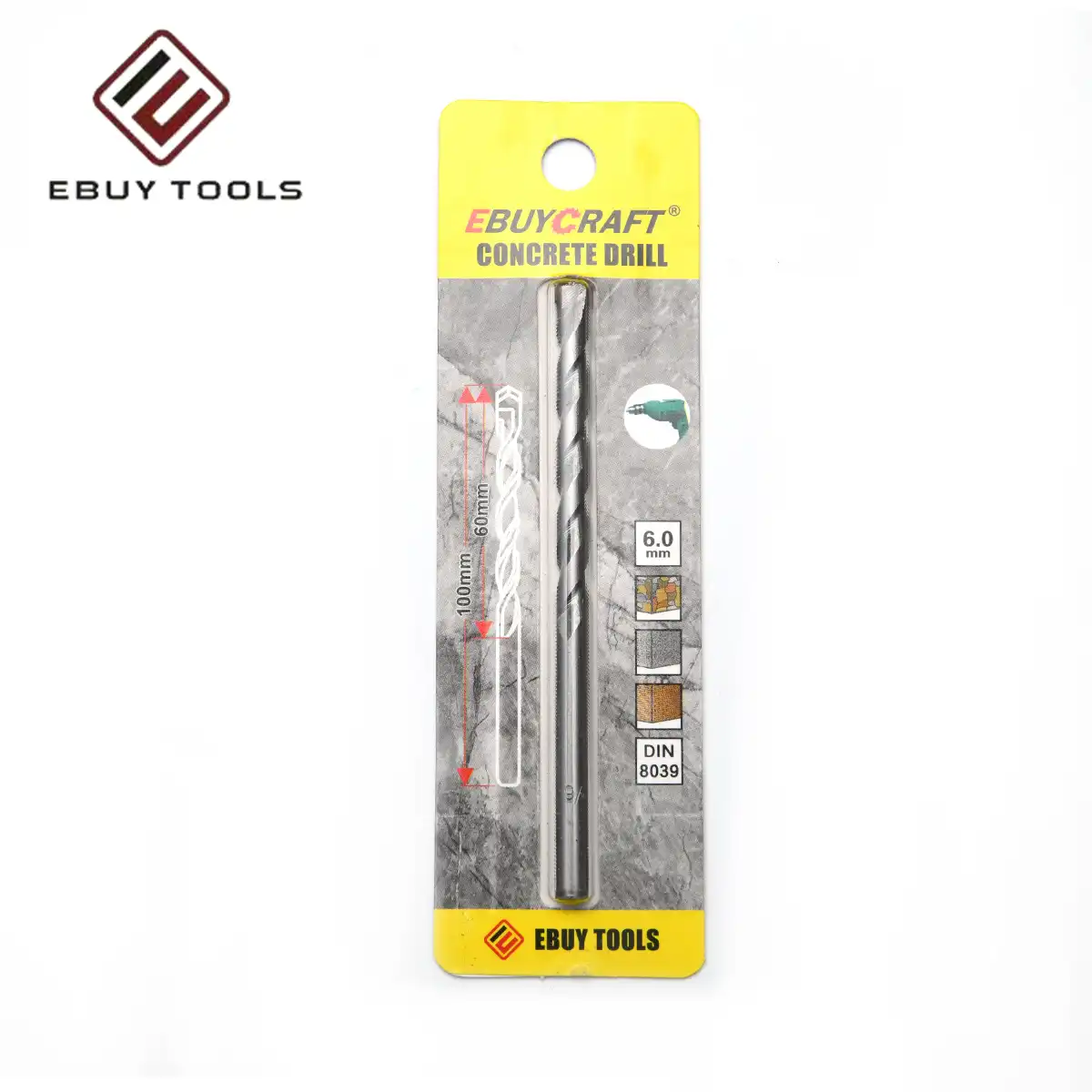
Carbide-tipped bits have a single tungsten carbide core brazed to a steel body. This is the most popular design. These tools are great for general construction tasks like making mortar joints, bricks, and standard concrete blocks. The design strikes a good mix between being cost-effective and working well enough for everyday construction jobs.
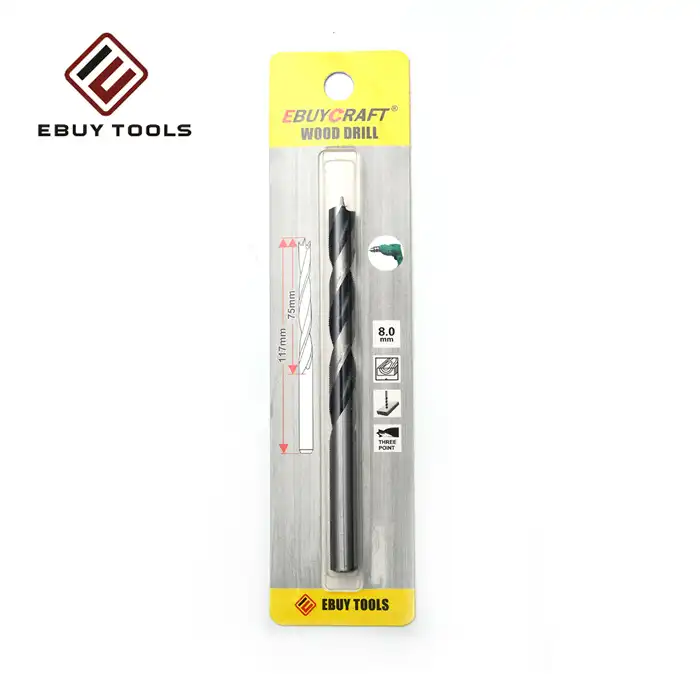
Standard two-flute designs are good for small to medium-depth holes because they can remove enough dust. The double U-flute shape makes helical paths that move the crushed material away from the cutting zone while keeping the bit body's structure solid. Most of the time, these masonry drill bits have straight shanks that work with standard three-jaw chucks on rotating drills.
Four-Flute Reinforced Concrete Bits
Four-flute X-head shapes are necessary for projects that use structural concrete with steel support. The cross-pattern cutting geometry spreads the cutting forces out over four separate lines instead of putting all the stress on two places that are at right angles to each other. This arrangement greatly lowers the chance of jamming when masonry drill bits touch inserted rebar.
At Ebuy Tools, our four-flute versions have deeper flutes that run along the body of the bit to help remove as much dust as possible. During deep-hole drilling, where dirt can clog bits and stop the motor, this feature comes in very handy. The strong design can handle the higher power loads that come with using a hammer drill in thick concrete. Because these masonry drill bits have a hex drive built in, they can be used with hex sleeve drive tools and brick fastening systems. This makes sure that the power is transmitted securely and there is no slippage.
SDS-Plus and SDS-Max Professional Systems
Professional builders who use heavy-duty spinning tools depend on SDS shank systems, which change the way energy is transferred and how efficiently it works. The curved shank design lets the tool lock into certain chucks while still allowing controlled movement along the axis. This set-up of parts lets the hammer move the masonry drill bit forward with each hit, and it keeps the bit from rotating off-center.
Masonry drill bits with sizes from 4mm to 25mm can be used with SDS-Plus systems, which can handle working lengths of up to 460mm. The bigger SDS-Max base can handle widths from 12mm to 40mm and lengths longer than 1000mm for specific through-wall uses. These longer versions are used by mechanical builders to drill through thick base parts and two-layer cavity walls.
Specialty Diamond-Tipped Variants
When working with very hard things like natural stone, porcelain tile, or glass, normal carbide tips aren't good enough. Diamond-grit cutting surfaces that are attached to the tips of the masonry drill bits give these tough materials the hardness and wear resistance they need. When diamond particles come together, they grind instead of breaking like carbide tips do.
To keep the base from breaking, these specialty bits usually work at faster spinning speeds with less or no hammer action. The smooth cutting action makes clean hole edges that are needed for works that will be seen from the outside or inside of a building. Professional tile fitters keep diamond-tipped tools separate from tools used for normal building work.
How to Choose the Right Masonry Drill Bit for Your Business Needs?
For strategic buying to work, operational needs must be carefully matched with product specs. Structured decision frameworks that match tool selection with project portfolios are helpful for both manufacturing facilities and contractor organizations.
Durability and Performance Metrics
The cost of downtime and replacements for a masonry drill bit directly affect the economy of a project. When compared to cheaper options, premium masonry drill bits with precision-brazed carbide inserts and tight manufacturing standards last longer. The concentricity specification is very important—differences greater than ±0.05mm lead to holes that are too big, which makes anchor holding ability in structural uses less reliable.
The quality of the brazing decides how well it works thermally under long-term cutting conditions. In the brazing cycle of our production process, controlled-atmosphere furnaces keep exact temperature profiles. This attention to mechanical detail makes sure that the bond stays strong across the whole temperature range that the masonry drill bit can work in. When subpar goods are heated and cooled over and over again, the tips often come off before they should. Good brazing stops this from happening.
Compatibility Assessment Across Drill Platforms
Companies that keep a variety of power tools need to be careful when choosing the blade type to get the most out of the tools they already have. Straight-shank masonry drill bits in commonly used sizes should be kept on hand in places that use standard rotating drills with keyless chucks. With matching SDS-shank bits, construction companies that buy specialized rotary hammer systems can get more work done in less time.
Which platform to use (SDS-Plus or SDS-Max) depends on the usual hole width needs and the substrate density. SDS-Plus systems work well for light business work that involves installing anchors in concrete block walls. Drilling through structural concrete for post-tension cable tunnels in heavy civil work needs SDS-Max's strength and longevity.
Application-Specific Selection Criteria
When installing HVAC systems, mechanical workers have to follow different rules than structural steel erectors who are putting anchor bolts. When MEP workers have to drill cable holes through firewalls, they prefer long masonry drill bits with better flute capacity that can handle deep holes without sticking. When digging horizontally or at an angle upwards, where gravity makes it harder for debris to escape, the better dust removal becomes very important.
For structural uses, the holes must have exact shapes to make sure the anchors connect properly and the load is transferred correctly. Tight tolerance bits that meet PGM approval standards ensure the accuracy in dimensions needed for fastening systems that are safety-critical. These high-end goods cost more at first, but they are reliable enough for code-compliant setups where an anchor failure could leave the owner with a lot of legal problems.
Maintaining width across bit types while focusing on depth in high-velocity areas is good for distributors who serve a wide range of customers. Understanding how people build in a certain area and what kinds of materials they like lets you best allocate your goods. In places where brick construction is common, different types of stock are needed than in places where poured concrete construction is common.
Performance Optimization and Best Practices for Masonry Drill Bits
To get the most out of a tool's performance and service life, you need to pay attention to its working factors and maintenance procedures. When companies follow best practices in a planned way, they can measureably lower costs per hole while also increasing productivity.
Common Drilling Challenges and Solutions
Too fast of a rotating speed compared to the bit width often causes premature masonry drill bits concrete wear. When you run a 20mm bit at speeds that are right for 6mm sizes, the carbide tip experiences too much surface velocity, which speeds up abrasive wear. Checking the manufacturer's speed suggestions and making the necessary changes to the drill's settings greatly increases its useful life. Modern tools with varying speeds let you precisely control the RPM to match the bit's requirements.
When there is too much heat, the shanks turn a different color, the brazing joints get weaker, or you can see cracks in the carbide. Continuous drilling without regular breaks to cool down lets heat build up past what the material can handle. It is possible for air to flow around the masonry drill bit and object by using a boring cycle with short breaks every 15 to 20 seconds. This easy action lowers heat stress and gets rid of dust buildup.
Problems with hole size accuracy are often caused by masonry drill bits that run out too far, which can be caused by worn chuck jaws or bent shanks. Gripping power and accuracy are kept up by inspecting and replacing the chuck on a regular basis. If you keep using bent bits, you'll end up with circular holes that aren't good for installing anchors and could be dangerous because the tool can act in unpredictable ways.
Maintenance and Handling Protocols
The right way to store things keeps masonry drill bits from getting damaged or contaminated, which lowers their performance. Keeping bits in segmented boxes or racks that are fixed on the wall keeps the tips from touching, which can damage the carbide edges. Cutting tools can't get dirty if they are kept away from screws and other gear. Corrosion of steel shanks is stopped by keeping storage areas clean and dry. Corrosion weakens the structure.
Cleaning after use gets rid of concrete residue and dust particles that got stuck in the flute ducts. Simple wire brushing or applying compressed air keeps the design in good shape for later processes. By checking tips for damage or wear after each part of a project, the masonry drill bits can be replaced before they completely stop working during important operations.
Carbide tips wear down naturally as material is removed during normal use. Watching how wear compares to reference marks cast or stamped on bit bodies shows how much service life is left. When the wear signs go away, the masonry drill bit is no longer accurate in terms of size and should not be used for precision tasks anymore. Keeping using bits that are too worn out leads to unpredictable results and raises the risk of breaking them.
Feed Pressure and Speed Management
To get the best entry rates, you need to find the right balance between feed pressure and material resistance. Too much force overloads the cutting tip, which leads to early failure or catastrophic damage. When there isn't enough pressure, the material doesn't break down properly, so the masonry drill bit polishes instead of cuts. As workers gain experience, they learn to feel the right amounts of pressure and can make adjustments automatically as the conditions of the substrate change.
When drilling for a long time in thick concrete, cooling techniques become very important. Water cooling devices that flush out waste and soak up frictional heat can be useful in some situations. In dry drilling situations, there should be a lot of breaks so that air can flow around. Checking the masonry drill bit temperature by touching it during cooling periods lets you know how well thermal management is working.
Procurement Insights: Where and How to Buy Quality Masonry Drill Bits?
Strategic choices about where to get things affect both the short-term costs of a project and its long-term efficiency. Total cost of ownership benefits can be measured when companies use organized buying methods.
Market Channel Evaluation
Direct relationships with manufacturers of masonry drill bit are better for large customers who need a steady flow of goods and technical help. Setting up accounts with companies like Ebuy Tools gives you access to technical tools, the ability to make custom products, and better terms based on how much you buy. Our customer service team works directly with buying managers to make sure that the product specs match the needs of the application.
Industrial wholesalers help customers who need masonry drill bits right away and in close proximity to where they are needed. Regional sellers keep a wide range of products in stock, which lets customers buy from a single source and makes buying management easier. When compared to direct sourcing, convenience costs more, but this is a trade-off that benefits companies that value fast delivery over small unit cost saves.
Online B2B sites connect buyers with sellers around the world, giving them more ways to find goods. These platforms make it easier to compare prices and look up specifications, but suppliers need to be carefully screened to make sure the quality and dependability of the products they sell. Trading companies and buyers who can't be verified are more of a risk than established producers whose production capacity and quality systems can be checked.
Bulk Purchasing Strategies
Volume pledge programs lower unit costs by a lot while also making sure that supplies don't run out. Companies that plan to use a wide range of standard diameters every year discuss tier price structures that take into account breakpoints in terms of quantity. These deals are good for everyone: buyers get good prices, and sellers can see what people want, which helps them plan their production.
How the packaging is set up affects how easy it is to handle and how much space it needs. Individually carded bits work well in retail and light business settings where over-issuing is avoided by controlling each unit individually. Larger amounts are needed by companies and factories that make a lot of the same masonry drill bits, so they buy them in bulk packs. Bits are quickly used up by industrial users drilling production holes in repeated tasks, so large packing is the best option.
Before making big promises, quality assurance steps should be taken. Before making a big financial commitment, asking for sample amounts of masonry drill bits to be tested in the field confirms performance qualities. Testing in real-world situations shows things that aren't shown on standard sheets, like how vibrations behave, how fast they penetrate, and how long they last in certain kinds of substrates.
Evaluating Supplier Credentials and Support
The warranty terms show that the company that made the product is confident in its quality and durability. Premium providers that offer extra masonry drill bit guarantee coverage show that they care about their customers' happiness after the sale. Knowing what the guarantee covers in terms of normal wear and tear versus defective materials or work makes expectations clear and protects purchase investments.
In competitive markets, providers who can offer technical help set themselves apart. When manufacturers hire application engineers, they can give useful advice on things like bit selection, working factors, and fixing problems. This knowledge is especially helpful when going into new areas or working with substrates that you haven't worked with before. Having direct access to technical tools through contact methods adds real value that goes beyond product specifications.
Conclusion
To choose the right masonry drill bits, you need to know about basic composition, be aware of differences between types, and use smart purchasing techniques. Precision-brazed inserts and improved flute shapes in carbide-tipped bits make them reliable for use in all building tasks. When companies fit bit specifications to project needs and follow operational best practices, they get higher output and lower costs. At Danyang Ebuy Tools, our production skills make professional-grade cutting tools that meet strict industry standards. Our technical help also makes sure that customers get the most out of the money they spend on tools.
FAQ
What distinguishes masonry bits from standard drill bits?
Masonry drill bits have hardened tungsten carbide pieces that are designed to break high-compressive-strength materials through contact. Standard HSS bits made for metal or wood use cutting action that doesn't work with concrete or brick. The carbide hardness grade of HRA 88–91 is much higher than what HSS can do, which makes it possible to effectively penetrate rough concrete aggregates.
Can I use masonry bits for materials other than concrete?
It is technically possible to use these specialized masonry drill bits on metal or wood, but it is not recommended because it could damage the material. The blunt tip angle that works best for breaking up stone doesn't work well for cutting fibers or slicing metal. When used on wood, it burns and dulls quickly, and when drilling metal, it makes too much heat without removing the material well. Keeping separate stocks of bits for different types of substrates improves both speed and tool life.
How do I know when bits require replacement?
Visible wear signs that are formed into the bodies of the masonry drill bits serve as measuring guides. Once these marks are gone from regular wear, the cutting diameter has shrunk below the standards that were set. As the operation goes on, holes that are too small are made, which hurts the performance of the anchors and the safety of the structure. Monitoring penetration rates also shows that performance is decreasing—bits that need a lot more time to drill than they did when they were new are getting close to the end of their useful life.
Partner with Ebuy Tools for Premium Masonry Drill Bit Solutions
Danyang Ebuy Tools makes professional-grade carbide-tipped masonry drill bits that are designed for tough industry and building jobs. Our 319-person team works out of a modern 77,000-square-meter building that has both cutting-edge production technology and strict quality control systems. Before being sent out, each bit goes through a series of checks to make sure it meets the requirements for concentricity, soldering integrity, and size accuracy. We are experts at making unique solutions that fit the needs of your business, whether you are a precision machining shop, an automaker, or an industrial dealer. You can talk to our expert sales team at [email protected] about your requirements and get quotes from experienced masonry drill bit sellers who know how important it is to find the right mix between performance, durability, and cost-effectiveness when buying professional tools.
References
Construction Industry Institute. "Best Practices for Anchor Installation in Structural Concrete Applications." Technical Report Series, 2022.
International Concrete Repair Institute. "Guide to Selection and Use of Drilling Equipment for Concrete Substrates." ICRI Technical Guidelines, 2021.
American Society of Mechanical Engineers. "Material Specifications for Carbide-Tipped Cutting Tools in Masonry Applications." ASME Standards Publication, 2023.
National Association of Home Builders. "Power Tool Selection and Safety in Residential Construction." NAHB Research Center, 2022.
European Organisation for Technical Approvals. "Assessment Criteria for Anchor Performance in Concrete and Masonry." EOTA Technical Report, 2021.
Industrial Fasteners Institute. "Hole Preparation Requirements for Mechanical and Chemical Anchor Systems." IFI Technical Bulletin, 2023.