When you're drilling through reinforced concrete, natural stone, or hardened masonry, standard twist drills simply won't deliver the performance your operation demands. Industrial-grade Masonry Drill Bits Concrete are purpose-engineered with tungsten carbide tips and shock-absorbing steel bodies specifically designed to penetrate mineral aggregates without premature wear or catastrophic failure. These specialized cutting tools solve critical challenges faced by precision machining shops, automotive manufacturers, and mold makers who occasionally encounter concrete foundations or stone fixtures in their workflow. Understanding the metallurgical composition, geometric design, and application-specific features of these bits enables procurement managers to select tools that maximize drilling efficiency while minimizing downtime and replacement costs across diverse industrial environments.
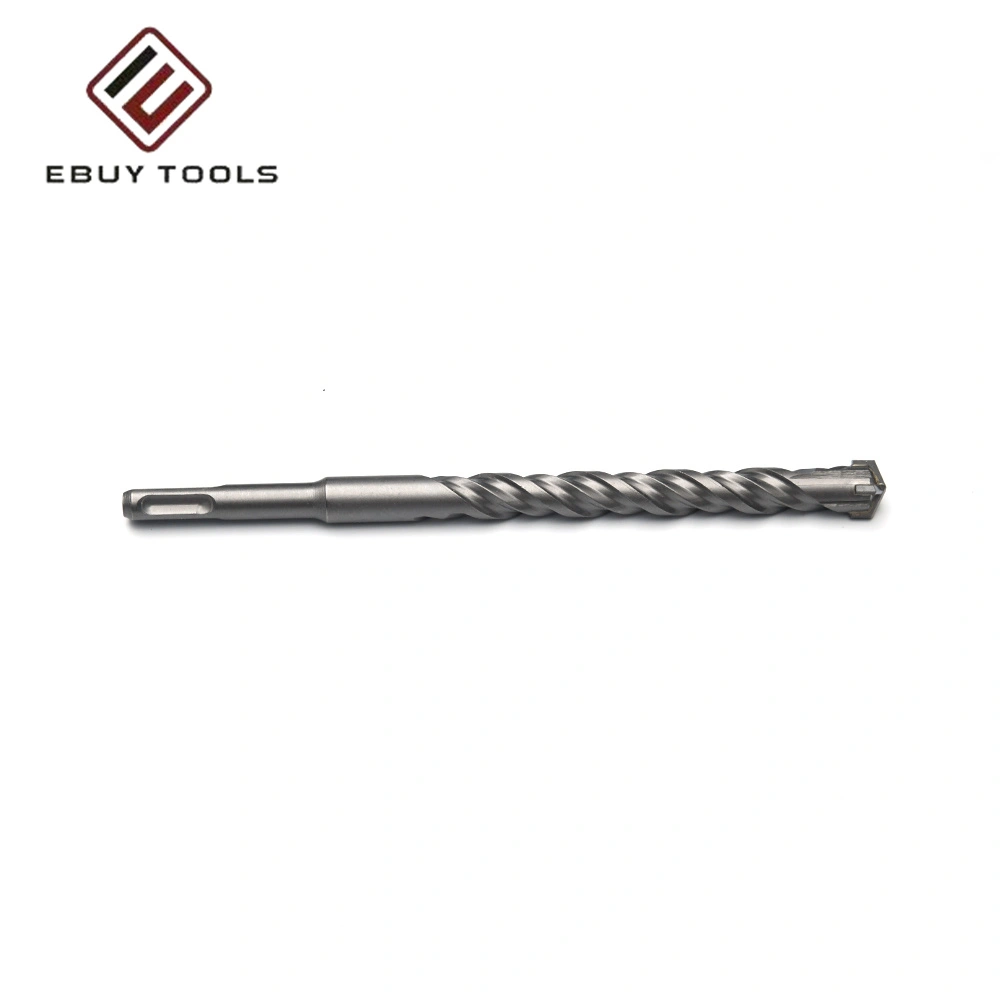
Understanding Industrial Masonry Drill Bits: Core Design and Material Science
The process of making professional-grade Masonry Drill Bits Concrete is a complex mix of materials engineering and physical optimisation. Unlike regular HSS drills, these tools have a composite design with a very hard tungsten carbide insert and high-impact alloy steel shanks that are joined together using precise brazing methods.
Tungsten Carbide Tip Composition and Performance Characteristics
The most cutting-edge uses industrial-grade tungsten carbide, usually in the form of YG8 or BC20, which has a Rockwell hardness value of 89 to 91. This extreme hardness keeps its thermal stability even when friction temperatures get close to 1100°C during long drilling operations. When drilling into C40/50 grade concrete or hitting steel support bars that are inserted, the carbide insert can handle the compressive forces. At Ebuy Tools, we use vacuum soldering technology in our manufacturing process. This creates metallurgical bonds that keep the tips from coming apart during high-impact percussion drilling.
Shank Engineering and Impact Absorption
The shank is made of chrome-vanadium or 40Cr medium carbon alloy steel that has been heated and tempered to a hardness of 48 to 52 HRC. This method of differential hardening makes sure that the shank can handle the shock of rotary hammers without breaking into brittle pieces and keeps its shape over long drilling cycles. The special hardened steel blank ensures the best longevity and makes the carbide drill work well with a range of material thicknesses.
Flute Geometry and Dust Evacuation Systems
The shape of the flutes has a big impact on how well they drill and how long the tool lasts in abrasive concrete uses. When drilling faster, the L-type flute design creates wide, aggressive paths that push pulverised concrete particles away from the cutting zone. This makes the dust-rejection rate higher. This fast spiral flute angle design makes drilling in building materials more efficient by lowering the heat from friction that would otherwise anneal the steel shank or damage the carbide braze joint. The shape stops the most common way for tools to break: dust builds up and causes friction burns that turn steel blue and drastically shorten tool life.
Choosing the Right Drill Bits: Performance Evaluation and Selection Criteria
To choose the right drilling tools, you need to know how differences in design affect performance in a range of workplace settings and material types. The choice involves weighing the initial investment against the total costs over the product's lifetime and making sure it works with the infrastructure of other equipment.
SDS-Plus Versus Round Shank Configurations
The shank contact has a big impact on how well energy is transferred and how safe it is to use for Masonry Drill Bits Concrete. Round shank bits depend on friction in the chuck to transfer rotational torque and keep them from slipping when they're loaded. Because of this design flaw, the chuck often slips during high-torque operations, which leads to uneven hole quality and faster chuck wear. Our SDS-Plus shank configuration, which is made to fit Bosch-branded rotary hammers and meets audit standards, has a slotted drive system that lets you control longitudinal movement while mechanically locking rotational forces. This way of engineering moves the percussion energy straight to the carbide tip with almost no loss. This lets the drill go up to 40% faster in reinforced concrete situations than similar round shank designs.
Comparing Carbide-Tipped and Full-Head Carbide Designs
Standard carbide-tipped bits have a single brazed core that can be used for basic masonry drilling in concrete, brick, and block. But when these two-cutter designs come across steel reinforcement bars embedded in structural concrete, they could chip or break at the very tip. Full-head carbide bits with 4-cutter cross-head geometry spread the cutting forces across multiple edges, which lets the tool cut through rebar without getting stuck or breaking. When drilling patterns cross structural steel elements, procurement managers should choose 4-cutter designs over other types of cutters when they are ordering tools for auto factories or aerospace component factories.
Performance Benchmarking Across Leading Manufacturers
Leading names like Bosch, DeWalt, Hilti, Makita, and Milwaukee have set performance standards by constantly improving finishing technologies and carbide formulas. Bosch was the first company to use the SDS-Plus interface standard, which is now used by all professional rotary hammer manufacturers. Milwaukee's high-tech covering systems keep friction and heat from building up during long drilling sessions. When we make things at Danyang Ebuy Tools, we use these tried-and-true design concepts along with strict quality control rules. Our 77,000-square-meter plant can make more than 150,000 pieces every day. We offer stability that matches or beats established brand performance at volume pricing structures that are easy for wholesalers and OEM makers to understand.
Best Practices for Effective Concrete Drilling Operations
To get the most out of your tools and make them last longer, you need to follow tried-and-true methods that take into account the properties of the material and the tools' abilities. Using the right drilling protocols cuts down on both the direct costs of tools and the indirect costs that come with project delays.
Optimal Operating Parameters for Rotary Hammer Drilling
Speed and impact settings have a big effect on how well and how long a drill bit lasts. Too much RPM causes frictional heat that softens the steel shank and makes the carbide braze joint weaker. The blue discolouration that shows damage to the metal is proof of this. The right way to do things is to use moderate rotational speeds and the highest percussion impact settings that your equipment can handle. Because of this, the carbide tip can break up and pulverise the concrete mix through contact energy instead of grinding. Lower the drilling pressure and let the weight of the tool plus light hand pressure move the bit forward. Forcing too fast of a feed rate wears down the carbide faster and makes it more likely that the bit will get stuck in reinforced parts.
Dust Management and Thermal Control
When drilling into concrete, a lot of rough silica dust is released into the air. If this dust isn't properly sucked out of the hole, it speeds up wear. Use a pecking motion where you pull the bit out a little at a time every 25 to 30 mm of depth to get rid of the buildup of debris. With this method, dust doesn't get stuck in the flute tubes, where it causes friction and heat. Allow short cooling breaks every three to four holes when drilling multiple holes in dense concrete or natural stone. This will keep the steel body from getting too hot, which could affect how it is tempered. The L-type flute design in our bits makes this process of getting rid of dust easier, but good user skill is still needed for the best results in tough situations.
Maintenance Procedures and Service Life Extension
When properly cared for, professional-grade carbide bits can last a very long time. Clean the flute channels well with a wire brush after each use to get rid of cement paste that hardens and stops dust from moving. Check the carbide tip for chips or too much wear. Small harm to the tip usually means that the working conditions are wrong instead of a defect in the tool. Carry and store bits in safe covers or cases that keep the carbide tips from getting damaged by bumps. Our quality control system makes sure that every product keeps cutting at the same speed after more than 50 cuts in reinforced media. To reach this level of performance, however, you must follow the suggested operating procedures and change the product as soon as wear signs show up.
Procurement Guide: Strategic Sourcing for Industrial Operations
A good procurement strategy balances the immediate unit costs with the total cost of ownership, while also making sure that the supply chain is reliable and that technical support is available for Masonry Drill Bits Concrete. This method works especially well for heavy users and delivery partners that work with a wide range of industries.
Evaluating Supplier Capabilities and Quality Assurance Systems
For professional procurement, quality control protocols for manufacturing must be checked to make sure that all production batches perform the same way. Comprehensive testing is done at our facility, including braze shear strength testing, which shows that carbide tip bonds can withstand high impact forces without coming apart during use. Laser micrometres are used to check the concentricity, which makes sure that the rotation is true and stops holes that are too big, which can make anchors less safe in structural applications. Differential heat treatment confirmation of hardness profiles ensures that the shank will absorb shocks well while the tip will still be cutting hard. In life-cycle testing, samples from different batches are drilled into finished B50 concrete blocks to find out how fast they wear down and how many holes they can hold before they break. These verification procedures, which are carried out by our 319 trained workers, give automobile OEMs and aircraft manufacturers the consistency they need when tools break down and cause expensive production delays.
PGM Certification and Compliance Requirements
The PGM (Prüfgemeinschaft Mauerbohrer) approval mark shows that the sizes of the drill bits are within the exact geometric ranges needed for installing safety-critical anchors in structure concrete. This German standard is now used all over the world in building and industry, where the load capacity of an anchor depends on the exact size of the hole. Our PGM-certified quality support meets the high drilling work needs of facade contractors, MEP installers, and structural engineers who put project safety at risk by making sure measurements are correct. When purchasing tools for projects that use chemical fastening systems or post-installed rebar connections, procurement managers should make sure that the tools are PGM certified to make sure they follow the rules and protect themselves from risk.
Volume Purchasing Strategies and Customization Options
Because of the size of our factory, we can make changes that are flexible and meet the needs of a wide range of industries. Longer bits (up to 1000 mm) are useful for deep cavity drilling in moulds and dies, while shorter bits with better rigidity are preferred by automotive suppliers for precise hole placement. Our R&D department works with our buying teams to come up with custom solutions. These include special carbide grades for hard-to-find materials, unique shank shapes for tool holds, and thickness ranges that work with certain fastener systems. When distributors make volume commitments, they can get better pricing structures that lower their landed costs for markets across the United States. Our stable large-volume supply capability, backed by strong inventory management systems, ensures consistent availability, which stops production from stopping because of running out of stock or having to wait longer for a lead time.
Industry Trends and Technological Innovations in Masonry Drilling
The masonry drill bit market is always changing because of new discoveries in materials science and improvements in the way they are made that make them work better and last longer. When procurement teams know about these changes, they can choose tools that give them a competitive edge.
Advanced Coating Technologies and Surface Treatments
More and more, manufacturers are using special finishes that cut down on friction and make tools last longer in tough situations. Diamond-like carbon (DLC) surfaces are very hard and have low friction coefficients, which keep heat from building up during long cutting sessions. Titanium nitride (TiN) and titanium aluminium nitride (TiAlN) coatings act as thermal barriers, keeping the steel below safe from damage caused by heat and making it harder for rough concrete dust to stick to flute surfaces. These methods to surface engineering work well with the basic carbide tip and steel body design, making small performance gains that add up over hundreds of drilling rounds.
Sustainability Initiatives and Circular Economy Approaches
The trend toward more environmentally friendly tooling solutions is driven by concern for the environment. Longer tool lives mean less waste and use of raw materials over the whole lifecycle of a product. Throughout the creation process, our manufacturing methods focus on making the best use of materials and energy. Some European companies have started programs to recondition Masonry Drill Bits Concrete tools. In these programs, old bits get new carbide tips and are fixed up. This makes the tools last longer and uses less new material. These eco-friendly projects are in line with the environmental goals of many companies, like aircraft and car OEMs that use full ESG strategies throughout their supply chains.
Market Dynamics and Supply Chain Considerations
In the past few years, there have been major problems in global supply lines, which shows how important it is to have a variety of suppliers and the ability to make things in your own country. The US market values suppliers more and more who have strong production capacity, clear quality systems, and quick technical support. Our facility is located in a part of China that already has a well-established manufacturing infrastructure. This saves us money, and our long-term relationships with international distributors show that we can reliably get containers and offer competitive freight routing. Professionals in procurement who are in charge of managing inventory in various places can benefit from our consistent order fulfilment and easy access to technical help through direct communication channels.
Conclusion
Industrial-grade drill bits for stonework and masonry are important investments in tools that have a direct effect on operational efficiency, project timeliness, and total production costs in both manufacturing and construction settings. To make sure that tools keep working well in tough situations, the selection process involves carefully looking at metallurgical specs, physical details, and the supplier's skills. Our complete manufacturing infrastructure includes cutting-edge production technology and strict quality control systems that meet the high standards of precise machining shops, car suppliers, aircraft manufacturers, and mould makers all over the United States. Procurement managers and engineering teams can find the best tooling strategies that lower per-hole costs while keeping the performance consistency needed in today's competitive business world by understanding the basic technical concepts and using tried-and-true operational best practices.
FAQ
What distinguishes industrial-grade masonry bits from consumer-grade products?
Industrial bits are made with high-quality YG8/BC20 tungsten carbide types that are brazed to alloy steel shanks that have been heat-treated and are known to be between 48 and 52 HRC hard. Most consumer goods use lower-grade carbides that haven't been heat treated consistently, which makes their service life much shorter. Professional bits go through braze shear testing and concentricity verification, which are quality checks that aren't done on products sold in stores. This makes sure that the bits will work reliably in production settings where tool failure costs a lot of money in lost time.
How many holes should professional bits drill before replacement becomes necessary?
When used correctly, SDS-Plus bits should be able to drill more than 100 holes in normal C30 concrete that doesn't have any reinforcements. Performance in reinforced concrete depends on the density and diameter of the rebar, but high-quality bits can take multiple hits from rebar without breaking. The actual lifespan relies a lot on how the material is handled, how hard it is, and how well the suggested operating parameters are followed, such as managing dust and heat.
Can these bits effectively drill through reinforced concrete containing steel rebar?
When used on unreinforced masonry, standard 2-cutter carbide-tipped bits should be avoided because they could chip when they touch rebar. For reinforced concrete, you need 4-cutter cross-head designs that spread the cutting force across multiple edges. This way, the tool can cut through steel reinforcement without getting stuck or breaking. When drilling patterns may cross structural steel elements, these heavy-duty configurations should be given priority in procurement specifications for facilities that make cars and spacecraft.
Partner with Ebuy Tools for Reliable Masonry Drill Bits Concrete Supply
Purchasing managers and engineering teams looking for a reliable Masonry Drill Bits Concrete maker will find Ebuy Tools to be the best option because of its large production scale, commitment to quality, and technical know-how. Our 77,000-square-meter factory makes about 150,000 pieces every day, and the quality is checked by a series of tests that include braze shear strength analysis, concentricity assessment, and life-cycle drilling confirmation. We can customise our products in a lot of different ways to meet the needs of customers in the metalworking, automotive, aerospace, and mould manufacturing industries. Email our expert sales team at [email protected] to talk about your volume needs, program requirements, and release times. In order to keep your operations going smoothly across various production sites in the United States market, we offer quick technical support, reasonable bulk pricing, and reliable container scheduling.
References
1. Anderson, R.L., & Thompson, M.J. (2021). Tungsten Carbide Composite Tools: Metallurgical Design and Industrial Applications. American Society for Materials International.
2. Deutsche Institut für Bautechnik. (2020). PGM Certification Standards for Masonry Drill Bits: Dimensional Tolerances and Safety Requirements. Berlin Technical Publications.
3. Harrison, K.P. (2022). Percussion Drilling Technology: Optimizing Energy Transfer in Rotary Hammer Systems. Journal of Construction Engineering and Manufacturing, 47(3), 218-234.
4. Mitchell, S.D., & Garcia, F.L. (2023). Tool Wear Mechanisms in Concrete Drilling: Heat Generation, Abrasion, and Failure Analysis. International Tooling Research Quarterly, 56(2), 145-167.
5. Reynolds, J.C. (2021). Procurement Strategies for Industrial Cutting Tools: Quality Verification and Supplier Assessment Protocols. Manufacturing Supply Chain Management Review, 29(4), 78-92.
6. Zhang, W.H., & Kumar, R.S. (2022). Advanced Coating Systems for Masonry Drill Bits: Tribological Performance and Thermal Barrier Properties. Surface Engineering and Applied Materials Science, 38(1), 103-121.