.webp)

When contract makers and precision machining shops have to deal with having to change tools often and getting uneven cuts, they often find that the cutting tools they choose have a direct effect on how efficiently they can make things. These problems can be solved by using a TCT saw blade, which has tungsten carbide tips brazed onto a sharpened steel body. This type of blade has a longer life and cuts better through wood, metal, and composite materials. This technology combines the toughness of tool steel with the extreme hardness of carbide to make a blade that lasts 10 to 20 times longer than regular steel blades and keeps its sharp edges even when it's hot.


Understanding TCT Saw Blades: Composition, Design, and Function
Core Material Architecture
TCT saw blades are the result of decades of progress in metalworking engineering. At Danyang Ebuy Tools, we make each blade with a body made of hardened tool steel, specifically 75Cr1 or SKS51 grade. This grade was chosen because it can absorb vibrations while keeping its shape during high-speed spinning. The tungsten carbide tips are made by fused ultra-hard powder metallurgy alloys, which makes them hard enough to stay sharp at temperatures up to 600°C. This mixed design solves a problem that has been bothering the industry for a long time: it finds a balance between the need for high wear resistance at the cutting edge and flexibility in the blade body.
The area where we make things is 77,000 square meters, and 319 skilled workers use foreign precise machinery. Every day, more than 150,000 diamond saw blades are made, and TCT saw blades are also made at the same time to meet the needs of a wide range of markets. Following DIN 8083 standards, each blade goes through tight tensioning steps that keep radial and axial runout within a 0.05-0.1mm range. This level of control keeps the machine from wobbling while it's working and promises what we call "glue-line quality" cuts, which are areas that are clean enough to be put together right away without any extra work.
Tooth Geometry and Cutting Mechanisms
How well a TCT saw blade cuts through different materials depends on the way its teeth are arranged. The Alternate Top Bevel (ATB) design has teeth that are curved in different directions. This makes it perfect for cross-cutting solid wood and plywood. A High-Alternate Top Bevel (Hi-ATB) setup with steeper angles keeps both the entry and exit surfaces from splitting when you need to make better cuts on laminates and veneered panels.
Triple Chip Grind (TCG) shape is useful for manufacturing processes that cut aluminum extrusions. The teeth in this design change between "raker" teeth with a triangular shape that rough-cut the middle of the kerf and "flat-top" teeth that clean the sides. This leads to controlled chip formation that stops aluminum from welding to the blade surface, which is a typical way for things to go wrong when the tooth designs aren't right. For non-ferrous metals, our engineering team has created special versions with negative hook angles of about -5 degrees. These control feed rates and keep the material from grabbing during high-RPM operation.
Thermal Management Features
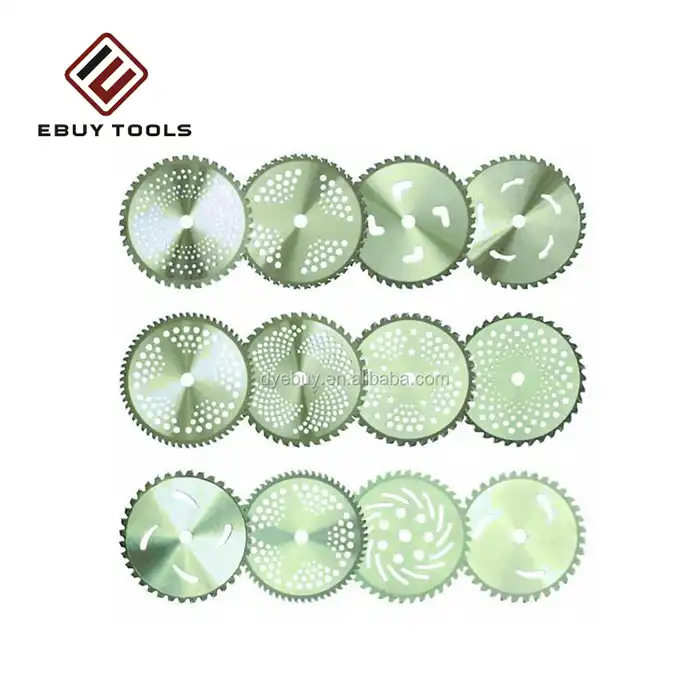
When you keep cutting, heat can build up and cause the blade to bend and the carbide tip to fail before it should. To fix this, we carefully placed laser-cut expansion holes around the base of the blade. These holes let the material expand in a controlled way as the temperature rises, which keeps the surface flat during the cutting cycle. Some of our higher-end models have polymer resin-filled slots that do two things: they reduce noise levels by up to 10 decibels by dampening vibrations, and they get rid of heat more quickly than open slots.
These thermal management features for TCT circular saw blade are very useful for the aircraft and mold industries, especially when working with heat-sensitive materials or on ongoing production plans. A blade that stays stable in size even when heated up makes limits that stay the same over thousands of cuts. This has a direct effect on part quality and lowers the amount of scrap that is made.
Types and Applications of TCT Saw Blades for Different Industries
Industrial Woodworking Applications
When making engineered wood goods, it can be hard for places that make furniture and plants that process panels. Medium-density fiberboard (MDF) and particleboard have rough glues that wear down regular steel blades quickly. The TCT saw blades we sell are specially made to work in these situations. The tungsten carbide tips don't get worn down by wood glue and composite resins, so the edges stay sharp even during production runs that would damage many steel blades.
A case study from a North Carolina company that makes cabinets showed this benefit. They changed tools more often after moving to our TCT saw blades with 60-tooth ATB setup. Before, they changed tools every 400 linear feet of MDF cutting. Now, they change tools every over 5,000 linear feet. This meant that changing blades took 92% less time, which led to a rise in output. Because the edges were better, they didn't need to be sanded again to get rid of burn marks and rough spots.
Metalworking and CNC Machining Environments
Precision machining shops that work with aluminum metals need cutting tools that can cut quickly and leave a smooth surface. Our special TCT saw blades for aluminum have micro-grain carbide grades (K10 to K20) that can handle the rough aluminum oxide that forms when the metal is cut. The TCG tooth shape separates chips well, stopping the growth of sticky material that leads to bad finishes and wrong measurements.
Automotive tier providers that make parts for engines and transmissions have tested our blades in high-volume production settings and found them to work well. Our 15 years of research and development knowledge, along with strict quality control systems that make sure every blade meets specifications before shipping, give them the stable quality and reliable performance they need. Our blades keep their tolerances within ±0.1mm when cutting metal extrusions for heat radiators in cars, even when more than 10,000 pieces are being made.
Aerospace and High-Precision Engineering
Cutting tools that can work with rare materials like titanium alloys and superalloys are needed by companies that make parts for the aircraft industry. TCT saw blades work great with aluminum and composite materials that are popular in aircraft structures. However, it is very important to choose the right carbide grade and tooth geometry. For OEMs with specific material needs, we can make products just for them by changing the carbide composition and coating choices to get the best performance.
TCT saw blades are used in the fenestration industry to make cuts at compound angles without burrs. This industry makes metal windows, doors, and curtain wall systems. If cutting forces aren't balanced, thin-walled hollow extrusions are easy to bend. Our blades have the right amount of tooth spacing and negative rake angles to control cutting forces. This keeps walls from collapsing and keeps the exact 45-degree miters needed for weathertight seals.
Comparative Performance Analysis
When buying teams compare TCT saw blades to other options, such as diamond blades or abrasive cutting wheels, they look at a number of things. Diamond blades work better on stonework and other very hard surfaces, but they are a lot more expensive. Abrasive wheels cut fast, but they make a lot of heat and dust and wear out quickly. TCT technology is the best of both worlds for most metalworking and woodworking tasks. It is durable enough to justify the initial investment, fast enough to meet output goals, and flexible enough to work with a wide range of materials.
You can get our TCT saw blades in either tungsten carbide or high-speed steel (HSS) materials, and you can choose to have them coated if you want to. We can match the exact blade specs to your working needs because of this, whether you're cutting stainless steel bar stock or aluminum extrusions. You can make sure that it works with your current tools by choosing the outside diameter, inside diameter (bore size), thickness (kerf width), and tooth count.
Optimizing TCT Saw Blade Performance and Longevity
Proper Installation and Setup Procedures
Even the best TCT saw blade won't work as well if it's not put correctly or used beyond its design limits. To make sure the clamping force is spread out equally, mounting flanges need to be clean, flat, and the right size—usually one-third the blade width. When the flange width is too small, the blade can bend, which causes vibrations and bad cut quality. Before installing, make sure the arbor runout is less than 0.05 mm. If it is, the extra runout will pass to the blade and make it impossible to make precise cuts, no matter how good the blade is.
Optimizing cutting speed for TCT circular saw blade strikes a balance between output and blade life. Our TCT saw blades are tensioned for certain RPM ranges, like 3,000 to 5,000 RPM for cutting metal and up to 6,000 RPM for working with wood. Operating much above or below these speeds slows things down and makes them wear out faster. Changing the feed rate is also very important. Pushing material through too fast can damage the carbide tips if the teeth are overloaded, and feeding too slowly makes too much heat from contact.
Maintenance Protocols and Sharpening Services
Regular cleaning greatly increases the life of blades. After each shift, clean the blades with the right chemicals to get rid of any buildup of pitch, resin, or metal. Tooth edges that have built up material change the cutting shape and make heat, which speeds up wear. Strong chemicals that could damage soldering joints or cause rust should not be used to clean blades. Instead, we suggest using special cleaning solutions.
Professional resharpening can bring back 5–10 times the cutting power before the blade needs to be replaced. When you resharpen, you grind new relief angles into the carbide tips while keeping the tooth shape the same. Each turn of resharpening only takes away a small amount of material, so good blades can be used for many repairs. We work with qualified sharpening partners who know exactly what shapes are needed for different tooth shapes. When you try to sharpen TCT saw blades with regular grinding tools, you usually ruin the carefully designed tooth angles that give you the best performance.
Troubleshooting Common Operational Issues
Several things could be to blame when blades make rough cuts or burn even though they were installed correctly. It's clear that dull carbide tips are to blame, but problems can also be caused by not enough chip space. Cutting too deeply in one pass makes gullets too full, which stops chips from leaving the machine properly. This leads to friction, heat buildup, and a rough surface. Usually, the problem goes away when the depth of cut is lowered or when a blade with bigger gullets is switched to.
Problems with vibration are often caused by damaged blades or bad tensioning. Check blades often for broken or missing teeth, cracks coming from expansion holes, and twisting from being exposed to heat. Even if a blade passed the first round of quality control, it can still have problems if it is used incorrectly or gets damaged by accident. Keeping extra blades in your tool crib makes it easier to get work done when something goes wrong.
When making laminates or veneers, chipping on the exit sides means that either the teeth are dull or the shape of the teeth is wrong. This problem is generally fixed by switching to a Hi-ATB setup with steeper angles and more teeth. Breakout can also be avoided by properly supporting the item at the cut line. This is especially important for materials with brittle top layers.
Conclusion
TCT saw blades use tried-and-true technology to solve cutting problems that come up in metalworking, woodworking, and making composite materials. The mix of a body made of sharpened steel and tips made of ultra-hard tungsten carbide improves performance in a way that directly affects how much is made and how much it costs. When you work with a reputable manufacturer that offers full technical support, the ability to customize products, and dependable supply chain management, your investment in tooling pays off in a big way: longer tool life, better cut quality, and less production downtime in tough industrial settings.
FAQ
How often should TCT saw blades be replaced or resharpened?
Change-out times vary on the type of material, the amount that needs to be cut, and the working conditions. When processing wood, the blade might need to be resharpened every 40 to 60 hours of constant use. When cutting metal, it could go up to 80 to 100 hours. Instead of just sticking to plans, keep an eye on the quality of the cuts—rough surfaces, burning, or more cutting resistance are all signs that the machine needs to be serviced. A professional resharpening returns performance for about 20–30% of the cost of a new blade. This makes it a good investment until the blade body is damaged or the carbide wears out too quickly, at which point it needs to be replaced.
Can TCT blades cut multiple material types effectively?
Even though TCT saw blades are flexible, they work best when the blade specs are matched to the main materials. A blade that is made to cut hardwood will work on softwood or plywood, but not as well as a blade that was made just for those materials. When switching between similar types of materials, like different types of wood or different metal alloys, it's possible, but when switching between completely different types of materials, like wood and steel, you usually need to change the blade. We help our customers build blade supplies that are both flexible and work well with the materials they use.
What advantages do custom-made blades offer for OEM applications?
Custom blade development lets specific optimizations be made for each production need. Standard stock blades might not work well when production processes need special materials, a wide range of thicknesses, or high quality standards. To meet your specific needs, our technical team can change the carbide grades, the tooth geometry, the kerf width, or add special coatings. Production validation with prototype samples makes sure that the final design meets performance goals before you start mass production. This lowers the risk of mistakes and improves the efficiency of production.
Partner with Ebuy Tools for Premium TCT Saw Blade Solutions
Its main business is making high-performance TCT saw blades that are designed for tough industrial uses. We are a well-known TCT saw blade seller with 15 years of experience in development. To help you reach your production goals, we mix cutting-edge manufacturing technology with helpful customer service. We offer a wide range of products, including stock versions that can be shipped right away and custom development services for OEMs with specific needs. Email our expert team at [email protected] to talk about your unique cutting problems, get information on how well your materials work, or set up a sample review. We offer reasonable prices without lowering the quality standards needed for precise machining, making cars, and aircraft engineering.
References
Chryssolouris, G. (2013). Manufacturing Systems: Theory and Practice. Springer Science & Business Media. (Chapter on Material Removal Processes and Cutting Tool Technology)
Davim, J.P. (ed.). (2011). Machining of Hard Materials. Springer London. (Discussion of carbide tool materials and their applications in industrial cutting)
Machinery's Handbook, 31st Edition. (2020). Industrial Press. (Reference sections on circular saw blade specifications, tooth geometry, and material selection)
Trent, E.M. & Wright, P.K. (2000). Metal Cutting, 4th Edition. Butterworth-Heinemann. (Analysis of cutting tool materials including tungsten carbide compositions)
Shaw, M.C. (2005). Metal Cutting Principles, 2nd Edition. Oxford University Press. (Fundamental principles of cutting mechanics applicable to saw blade operations)
Koch, A.R. (1998). Circular Saw Blade Technology: Design, Selection, and Application. Wood Machining Institute Technical Publication. (Specialized reference on saw blade design parameters and industrial applications)