.webp)

Getting the right masonry drill bit can mean the difference between a job that goes easily and one that has a lot of downtime, broken tools, and pricey repairs. The bit you choose decides both how fast and accurately you can drill through reinforced concrete, brick, or natural stone in heavy-duty jobs. A good carbide-tipped bit made for materials with a lot of compression will cut neatly, keep the hole's accuracy, and be able to handle the thermal and mechanical loads that come with tough drilling jobs. Engineers and procurement workers can find tools that are reliable and will last for a long time if they know about the technical features, material makeup, and application needs.
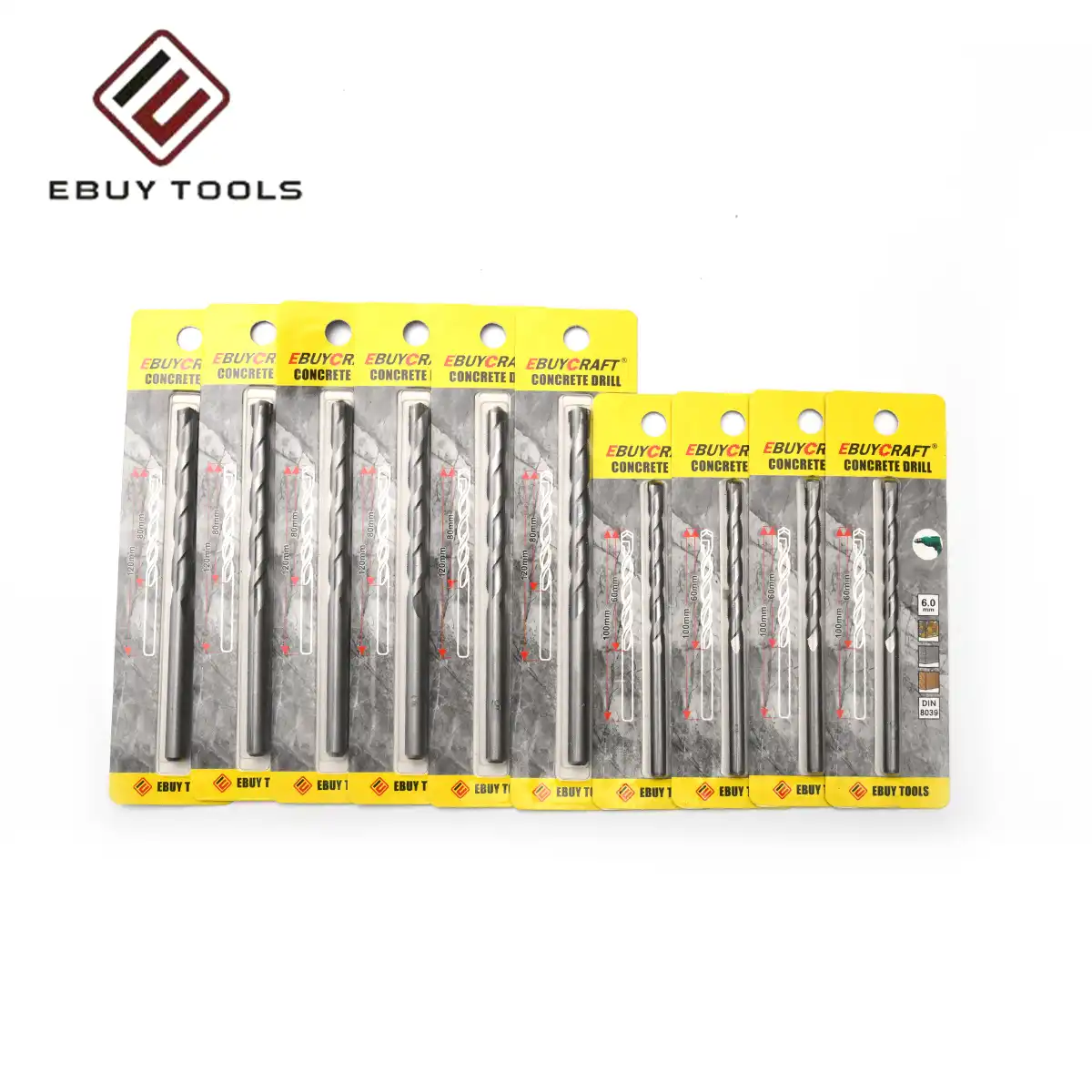
Understanding Masonry Drill Bits: Types and Uses
Masonry drilling tools are specialized rotary percussion implements made to work with materials that are much harder than metal or wood. Standard HSS bits cut through materials by cutting them, but these tools break and crush materials to get through concrete, brick, granite, ceramic tile, and cinder block.
Core Material Composition and Tip Technologies
Tungsten carbide (WC-Co) pieces are brazed onto cast steel shanks to make the cutting edge. The extreme hardness of Tungsten carbide (usually HRA 88–91) makes it possible for the tip to fight wear from silica grains and stay sharp during long drilling cycles. Chrome-Vanadium steel shanks that have been heated to HRC 48–52 give the necessary rotational strength and shock absorption to keep the bars from breaking when they are hit hard. Premium bits are made with YG8C grade carbide, which is tough and resistant to wear, so they work consistently even in situations involving reinforced concrete.
Diamond-tipped versions are useful for some specific tasks. When cutting clay tile and natural stone, diamond bits work much better than carbide bits, which can chip or spall the material. But because they are more expensive, they are not used as often for general structure support work.
SDS vs. Standard Shank Systems
The shape of the shank has a huge effect on efficiency. Standard round shanks work with standard three-jaw chucks and are good for light-duty work in soft block or brick. They slip when there is a lot of torque on them, which makes them less useful in tough situations.
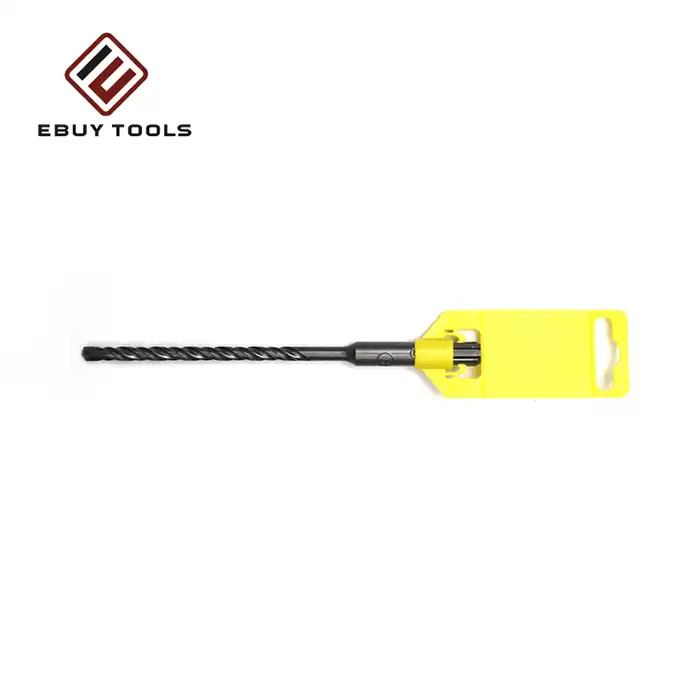
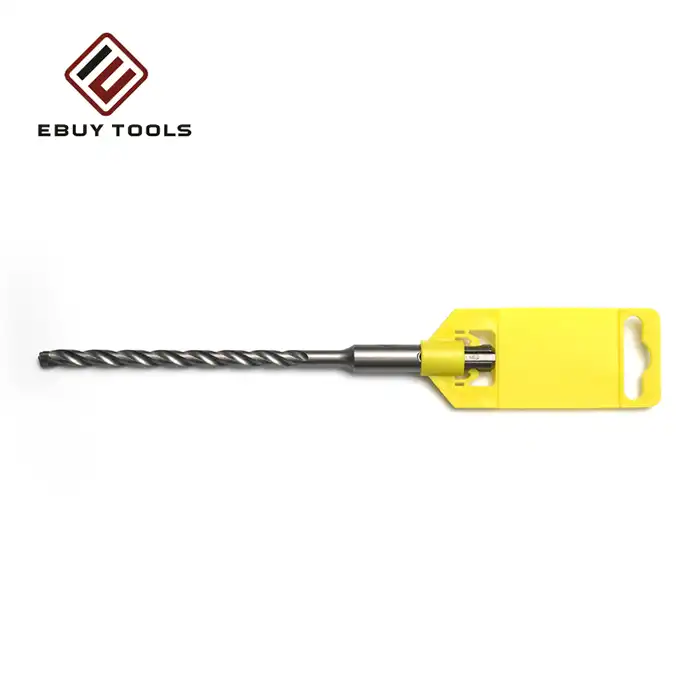
Shanks with the SDS (Slotted Drive System) get around this problem by having grooved surfaces that lock into chucks that are suitable. Different types of SDS-Plus can handle sizes up to 18mm and work well in most building situations. For heavy structure work, SDS-Max devices can handle bits up to 40mm in size. The slotted design lets the tool move axially, which sends the most impact energy from the hammer mechanism straight to the carbide tip. This makes adoption rates go faster and keeps operators from getting tired.
Size Ranges and Material Compatibility
Professional-grade masonry drill bits come in lengths and sizes ranging from 110mm to 1000mm and 4mm to 40mm. Choosing the right diameter depends on the pin or fastener, while the length needs to take into account the thickness of the wall and the space for the breakout. Extra-long bits (600mm to 1000mm) are used for MEP installations that need to drill through two layers of hollow walls.
What materials work with each tip shape is different. Two-cutter bits work well with brick and concrete that isn't strengthened. When cutting through reinforced concrete, four-cutter cross-head designs are necessary to keep the hole round, which is important for the anchor load capacity and to keep the drill from stopping when it hits the rebar.
Heavy Duty Project Challenges and How to Choose the Right Drill Bit
Tools used for heavy-duty drills are put through harsh conditions that speed up wear and raise the risk of failure. Knowing about these problems helps you choose the right tools.
Common Operational Issues and Root Causes
Too much RPM without enough dust clearance usually causes bits to wear out too quickly. When they are used, carbide tips produce a lot of contact heat. When material builds up in the flutes, heat builds up and weakens the brazing joint between the carbide and steel, which leads to the tip coming off. This problem is made worse by the fact that drilling C50/60 concrete needs different conditions than drilling C20/25 concrete.
Bit breakage often results from lateral loading or binding in deep holes. In order to make up for dull tips, workers put too much side pressure on the steel shank, which bends too far and breaks. In the same way, flutes that aren't big enough lead to chip packing, which locks the bit in the hole and causes rotational failure.
Inefficient penetration rates are often caused by equipment that isn't matched up properly. When you use normal bits in rotary hammers made for SDS devices, the impact energy doesn't get transferred properly. The bit moves around instead of crushing the material, which requires too much downforce, which wears out workers and damages equipment.
Selection Principles for Demanding Environments
Material review is the first step in matching bit specs to project needs. For sizes above 18mm, reinforced concrete needs four-cutter designs that work with SDS-Max. The cross-head shape cuts through steel without distorting, keeping the hole shape that is necessary for the chemical anchor to work.
Wall thickness and access constraints dictate length requirements. To drill through thick concrete, you need extra-long bits with better flute shapes. Double U-flute or L-flute shapes let a lot of dust escape quickly over long distances, which stops chip packing that leads to mid-bore seizure.
Concentricity tolerance becomes critical when drilling for structural anchors. To make sure the base fits properly, bits must keep their measurements within ±0.05mm. Pull-out strength is lower when holes are too big or oval, which weakens the structure. Because of this level of accuracy, manufacturing quality controls are needed, such as run-out testing and thickness proof.
Real-World Application Insights
Rehabilitating bridge decks as part of infrastructure projects show how these ideas work. To place new fence posts in reinforced concrete decks, you need bits that can drill through both high-strength concrete and rebar without breaking. When contractors use four-cutter SDS-Max bits, they report 40% faster penetration rates compared to normal designs, and a lot fewer broken bits over the course of the job.
Similarly, high-rise facade installs demand bits optimized for natural stone and clay materials. With precision-ground carbide tips and lower impact energy sets, masonry drill bit surface cracking is kept to a minimum. This keeps expensive materials from going to waste and work from having to be redone when putting rainscreen cladding systems on ornamental stone.
Comparing Masonry Drill Bits for Heavy Duty Use: Features, Performance, and Cost
There are a lot of choices on the market, and each one has its own performance and value promises. Knowing about these differences helps people make smart decisions about buying masonry drill bits.
Performance Characteristics Across Carbide Grades
Standard YG8C carbide has great tolerance to wear and is good for most concrete and brick uses. Its cobalt binder percentage combines hardness and impact toughness, so it doesn't break easily when hit hard. In C30/37 concrete, a typical service life hits 500 to 800 holes before the width wears out too much.
This performance range is expanded by high-end carbide formulas. The improved grain structures and adjusted cobalt content make the material more thermally stable, which lets it be used for longer at higher drilling speeds without the carbide breaking down. These high-tech materials are useful in places where a lot of things need to be made and where tool switching time has a direct effect on project plans.
Diamond-tipped options are unique in a certain way. Because they are so hard, they are perfect for clay tile, granite countertops, and stonework for decoration. Diamond bits, on the other hand, can only be used in rotary drilling modes, which limits their usefulness in structure uses that need percussion action.
Shank System Advantages and Limitations
Round shank bits work with all standard drill chucks, which is helpful for general builders who need to keep a wide range of tools in good shape. Because they are easier to make, they are more affordable and can be used for light-duty tasks in softer building materials.
Professional building markets are dominated by SDS-Plus platforms. The positive drive contact stops the chuck from slipping, so rotary hammers with up to 4 joules of impact energy can send their full power. The quick-change feature speeds up bit swaps, which cuts down on downtime during busy drilling periods. SDS systems have an axial float device that makes sure the impact is transferred perfectly, and this design is especially beneficial for masonry drill bits concrete, where efficient energy delivery directly determines drilling speed and hole quality. This means that penetration rates are usually 30–50% faster than with round shank bits of the same size.
SDS-Max designs serve heavy structural applications. The strong shape of their shanks lets them handle the high power and impact forces that big rotating hammers produce. Because of this, they are required for drilling anchor points in bridge building, tube boring, and heavy industry installations.
Cost-Value Analysis for Procurement
Price alone doesn't tell you everything you need to know to make a buying choice. A cheaper bit that breaks too soon adds up to secret costs in the form of replacement costs, lost work time, and possibly having to redo the anchor installation.
To find out how much a tool really costs, divide the total cost of buying it by the number of holes that were drilled to specification. It costs 25% less per hole to use an expensive bit that costs 50% more but can drill twice as many holes before it wears out. This approach is especially strong for large projects where tool life directly affects sticking to the plan.
Warranty coverage and help after the sale are very valuable for people who buy a lot of things. Large purchases are less risky when they come from suppliers with faulty replacement plans. Having access to technical support helps fix problems with applications before they cause project delays.
Strategic Bulk Procurement Considerations
Buying in bulk can help you get better prices and make sure you always have enough supplies. Creating partnerships with makers who keep a lot of stock, like factories that make more than 150,000 units every day, reduces supply chain problems that could stop work from moving forward.
Verification of certification compliance guards against fake goods that are common in the market for cutting tools. Real bits with the right hardness grades and size standards meet the needs of structural engineering. Quality conformance can be guaranteed by asking for batch test results that include measures of concentricity and brazing strength.
When you work directly with makers who have their own research and development departments, you can make your own requirements. Suppliers who can build custom solutions instead of pushing standard goods into less-than-ideal uses are better for projects that need specific lengths, tip shapes, or coatings that aren't available anywhere else.
Procurement Guide: How to Buy Masonry Drill Bits for Heavy Duty Projects
Strategic buying makes sure that you can get good tools at good prices and avoid common problems.
Critical Evaluation Criteria
Verification of product identity guards against fake tools that might look the same on the outside but are made of lower-quality materials. Requesting maker paperwork, such as carbide grade certificates and heat treatment records, is a good way to make sure that the specs are correct, especially for masonry drill bits concrete, where material quality directly impacts drilling performance and safety. Well-known companies keep up quality systems that allow batch tracking, which lets problems be looked into if they happen.
Supplier certificates show that they are committed to quality that is always the same. Registration under ISO 9001 shows that you handle quality in a systematic way, while certifications that are specific to your business show that you have specialized knowledge. Modern manufacturers with specific R&D teams, like those with 77,000 square meters of space, usually have stricter quality controls than smaller businesses.
Warranty terms show that the company that made the product is confident in its longevity. Procurement risk is lower when there is full covering against material and production flaws and prompt replacement processes. On the other hand, short guarantee terms or strict claim requirements may be signs of quality issues.
Balancing Cost and Long-Term Value
Cost and long-term value must be balanced. When buying tools, going for the lowest price often doesn't work out. Cheap bits made from lower-quality carbide or steel that hasn't been heated properly break early, causing repair costs and project delays that are much higher than the initial savings.
The total cost of ownership study makes figuring out value easier. Figure out how many holes you can expect per bit based on the manufacturer's instructions and the materials for the project. To find the per-hole cost, divide the total cost of purchase by the expected number of holes. This metric makes it possible to compare goods objectively across price ranges, and it often shows that mid-range items offer the best value.
By making a volume promise, you can get better prices from makers and make sure you can always get what you need. Setting up yearly buy deals with a series of deliveries spread out over time is a good way to balance good prices with managing inventory. This method works well for workers who need to do the same kind of drilling on various jobs.
Engaging Manufacturers for Custom Requirements
Standard goods need to be changed sometimes for specialized uses. When you work directly with the maker, you can get extra-long lengths for custom wall assemblies, custom tip shapes for your own fastening systems, or special coatings for corrosive conditions.
Customized solutions can be made by suppliers who have their own tech departments. Technical teams can suggest the best designs if you give them specific information about the application, such as the type of material, its hardness, the needed hole tolerances, and the production numbers. Before committing to mass production, prototype runs let you test the product in the field.
OEM deals are good for resellers and big builders who want tools with their own brand on them. Private label programs can work with manufacturers who have a lot of space, like those that make more than 150,000 units every day. In this way, buyers can give unique goods while using well-known manufacturing skills and quality control systems.
Conclusion
To choose the right drilling tools for heavy-duty jobs, you need to know about the material, how it should be used, and best practices for operation. When properly heat-treated shanks are brazed to Tungsten carbide tips, they provide the toughness needed for reinforced concrete and hard brickwork. Professional rotary hammers with SDS shank systems move power more efficiently, and four-cutter designs, combined with a masonry drill bit, keep them from getting stuck in bases that are full of rebar.
When making purchases, people should think about the total cost of ownership instead of just the original price. They should also think about how long the tools will last and how much work they can do with them. Maintenance plans that include regular cleaning, proper keeping, and repair at the right time keep things from breaking down too soon. Working with well-known companies that offer engineering help and quality standards makes sure that you can get the tools you need for structural work.
FAQ
What makes brick bits different from regular concrete bits?
The words "masonry bits" and "concrete-specific bits" are often used interchangeably. Masonry bits are tools that are made to work with a wider range of materials, such as brick, block, and stone, while concrete-specific bits are made to work best with high-strength Portland cement. Both types of bits have carbide tips, but concrete bits may have more aggressive tip shapes to get deeper into thick materials.
For heavy-duty jobs, how long should carbide-tipped bits last?
Service life rests on how hard the material is, how it is drilled, and how well it is maintained. Most good bits can drill between 500 and 800 holes in normal concrete before they wear out too much. With reinforced concrete, this number drops to 300 to 500 holes, and with softer brick, it goes above 1,000 holes. Proper practice and regular cleaning have a big effect on how long something lasts.
Can regular masonry bits work well with granite or ceramic tile?
Standard carbide bits can be used to make holes in tiles, but they can chip artistic surfaces. Granite is very hard, which speeds up carbide wear a lot. Diamond-tipped bits that are used in rotary-only mode are good for certain tasks because they cut smoothly without the percussion impact that breaks down rigid materials.
Partner with Ebuy Tools for Professional-Grade Masonry Drill Bit Solutions
Precision carbide-tipped drilling tools made by Ebuy Tools are designed to work well in tough building situations. Our Danyang City plant is 77,000 square meters and has advanced quality controls. It can make more than 150,000 units per day, which guarantees a steady supply for large buyers. Each bit has YG8C Tungsten carbide tips that are brazed to Chrome-Vanadium shanks that have been heated.
This gives the bits HRA 88–91 hardness grades and ±0.05mm concentricity limits, which are necessary for anchoring structures. Our research and development team creates custom solutions that fit the needs of your individual project, whether you need standard settings or specific details. Get in touch with our technical experts at [email protected] to talk about buying in bulk, getting sample kits, or looking into OEM relationships with a reputable masonry drill bit maker.
References
1. Anderson, T.P. (2021). Advanced Materials in Construction Tooling: Carbide Compositions and Performance. Industrial Press.
2. Construction Specifications Institute. (2020). MasterFormat Division 05: Metals - Anchoring and Fastening Systems. CSI Publications.
3. European Organisation for Technical Assessment. (2019). ETA Guidelines for Mechanical Fasteners in Concrete: Drilling Accuracy Requirements. EOTA Technical Report.
4. Mitchell, R.K. & Stevens, L.A. (2022). Rotary Percussion Drilling Technology: Principles and Applications. Engineering Publishers Ltd.
5. National Institute of Standards and Technology. (2020). Tungsten Carbide Tool Materials: Composition, Properties and Performance Metrics. NIST Special Publication.
6. Wilson, D.H. (2021). Construction Equipment and Methods: Tool Selection for Concrete and Masonry Operations. McGraw-Hill Professional.
_1732239824901.webp)