.webp)

When using metal cutting discs, it's important to follow certain safety rules that keep workers and tools safe in all metalworking sites. When people use a metal cutting disc, there are risks that come with it, such as the disc breaking at high spinning speeds, getting cut on the uncovered cutting edges, and breathing in metal dust. For modern factories to be safe, they need risk reduction plans that cover both technical dangers and human mistakes. In precision machining shops, auto assembly lines, and facilities that make aerospace parts, knowing the right discs to use, how to mount them, the limits of operation, and personal protective equipment is still essential for keeping the workplace safe and productive.


Understanding Metal Cutting Discs and Their Risks
You can tell a manufacturing shop from another by the sound of sharp cutting tools cutting through metal. These bound abrasive tools are essential for modern metalworking, but many workers don't realize how dangerous they can be.
Types and Their Applications
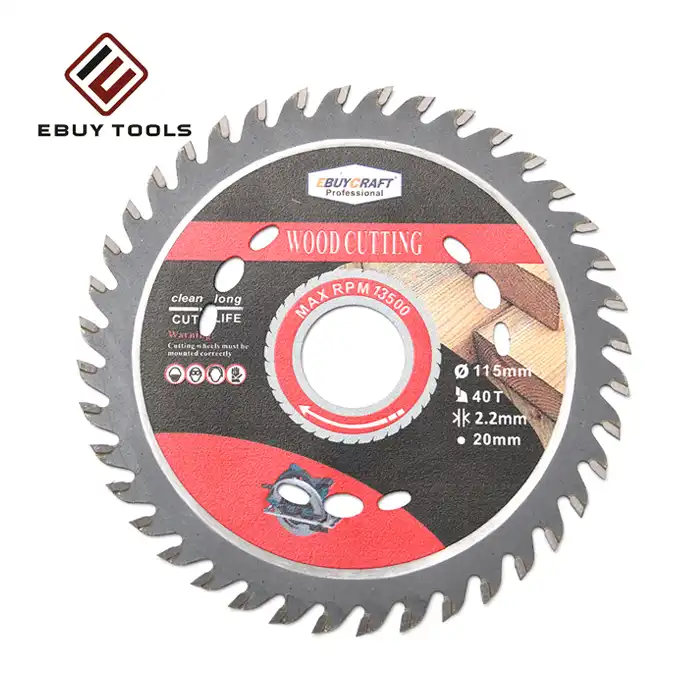
Today, most industrial uses fall into three main groups. Aluminum oxide or zirconia alumina grains are bound with phenolic glue and strengthened with layers of fiberglass mesh to make abrasive discs. These workhorses are effective in structural construction and general industrial settings, and they can handle everything from carbon steel to stainless alloys.
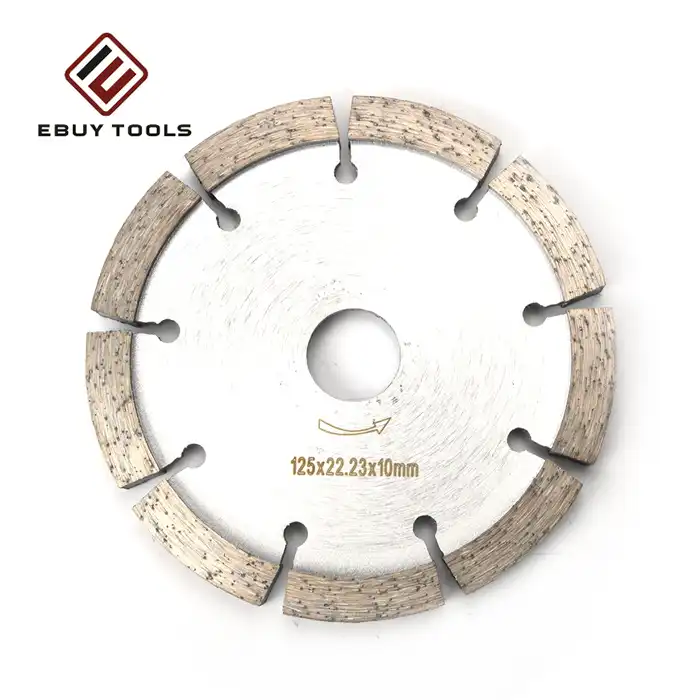
Diamond cutting tools have man-made diamond particles bound to a metal core. They work especially well with very hard materials like tungsten carbide or ceramic alloys. Even though they cost more up front, aerospace makers and specialized tooling operations like these higher-end choices.
Composite versions mix different kinds of abrasives to find the best balance between price and effectiveness. Job shops that need to work with a wide range of materials often keep these options on hand because they can handle both ferrous and non-ferrous metals without having to change the discs very often.
Common Operational Hazards
During cutting processes, disc damage is the biggest danger. When a disc breaks at speeds higher than 10,000 RPM, the pieces become high-speed missiles that can go through normal work clothes. Our quality control data from checking more than 150,000 pieces every day shows that about 40% of catastrophic failures are caused by improper mounting, and another 35% are caused by exceeding the recommended RPM.
Even when things are going smoothly, flying objects are always a threat. Sparks and metal pieces move in random ways and can hurt skin and eyes that aren't covered. According to OSHA incident records, accidents to the face are 89% less likely to happen when workers wear the right face shields and safety glasses.
Inhaling metallic dust has long-lasting effects on health that show up years after contact. Particulates smaller than 10 microns get through the nose and into the lungs, where they can build up and cause long-term breathing problems. Cutting stainless steel makes chromium and nickel dust that is very dangerous and needs to be breathed in through a mask rated for metal fume fever protection.
Regulatory Compliance Framework
OSHA Standard 1910.243 has specific rules for portable abrasive wheel tools, such as guards having to cover the wheels and the right hubs having to be used. Companies that don't follow the rules can be fined between $7,000 and $70,000 per violation, on top of the huge costs of injuries on the job.
ANSI B7.1 sets safety standards for how abrasive cutting disc should be built, maintained, and used. Procurement managers should make sure that sellers confirm their goods against these standards, since following them directly leads to less risk at work. Our factory keeps its EN 12413 approval up to date by checking the burst speed at twice the highest rated RPM to make sure the structure stays strong during use.
Essential Safety Tips When Using Metal Cutting Discs
To avoid accidents, you need to do more than just be aware of them; you need to make sure that safety rules are followed throughout your activities. The following rules cover the most important danger factors that metalworkers have learned about over many years of experience.
Verify Compatibility Before Every Use
Too many users just use any disc that fits their grinder without looking to see if it meets the requirements for compatibility. This way of thinking leads to disasters that could have been avoided. Before you place any metal cutting disc, you need to make sure that three important things are in sync: the highest RPM rate, the arbor bore size, and the material compatibility.
For sound engineering reasons, every disc has a limit RPM written on it. Centrifugal forces get stronger as the rotational speed goes up, and going over the recommended limits can damage the structural integrity of layers of fiberglass support. No matter how quickly you pull the trigger, a disc rated for 13,300 RPM will fail catastrophically when placed on equipment running at 15,000 RPM.
Even though it seems clear, we often hear of operators pushing discs onto arbors that aren't compatible or using homemade bushings. These actions create unsafe oddity, which causes vibrations that speed up wear and raise the risk of breaking. Our standard sizes for bores range from 16mm to 25.4mm so that they can fit a wide range of tools without the need for adapters.
For both safety and effectiveness, material-specific formulas are very important. Standard aluminum oxide mixtures cut carbon steel very well, but they make too much heat when they cut stainless steel. The phenolic resin link becomes weaker because of this buildup of heat, which could cause the disc to break. Our INOX-specification versions have less than 0.1% iron, sulfur, and chlorine, which keeps them clean and keeps cutting temperatures lower on materials that don't rust.
Personal Protective Equipment Requirements
Full PPE is your last line of defense against getting hurt. Safety glasses by themselves are not enough to keep you safe when cutting. Full-face shields with an ANSI Z87.1+ rating protect against both direct fragment contact and debris that bounces off of them. High-quality face shields are made of polycarbonate, which can resist hits of more than 500 feet per second without breaking.
You have to find a balance between precision and cut resistance when protecting your hands. Leather gloves protect well against wear and tear, but they don't give you the physical feedback you need for precise work. Modern synthetic choices that are cut-resistant and labeled ANSI A4 or higher offer better safety while still being flexible. Don't wear gloves that are too big on you because they could get caught on moving parts and pull your hand into the danger zone.
When working in small areas or for long periods of time, you have to wear respiratory protection. Disposable N95 masks filter out dust and other particles, but they don't protect against the metal fumes that are made when you cut metal quickly. Half-face respirators with P100 packs get rid of 99.97% of airborne particles, including dangerous sub-micron dust that regular masks don't pick up at all.
Hearing conservation is often forgotten when using a metal cutting disc, even though cutting activities often go over 100 dB. When exposed for a long time at these amounts, hearing damage is permanent. In real life, foam earplugs with an NRR 32 rating block out about 29 decibels of sound, which is good for your long-term hearing health.
Proper Mounting and Installation Procedures
Putting on the disc is a very important step that requires close attention to detail to avoid problems in the future. First, look at both sides for burrs, damage, or buildups of dirt. Even small flaws in the surface can cause uneven pressing pressure, which leads to wobble and early wear.
Before attaching, clean the arbor shaft very well. When metal dust builds up on the discs, they can't sit all the way against the lip, which causes dangerous runout. It only takes seconds to wipe it down with a clean rag, but it gets rid of a major failure mode.
Place the disc between rings of the right size, making sure that all of its edges touch. To make sure there is enough support, the outer rim diameter should be at least one-third of the disc width. Smaller lips concentrate pressing forces, which could cause the disc to crack when it is tightened.
Tighten the arbor nut by hand until it fits snugly, then use the right wrench to apply mild pressure. It's worse to over-tighten than to under-tighten because too much force can crack the disc core or bend the edges. The goal is to securely hold the disc in place without putting too much stress on it.
Try it out for a short time before you start cutting. Once the part is clear, turn on the tool and let it reach full speed while you listen for any strange noises or vibrations. Any wobble or strange sound means the fixing is wrong and needs to be fixed right away.
Choosing the Right Metal Cutting Disc for Safety and Performance
When choosing the right metal cutting disc, you have to think about more than just how well they fit the width. The best disc specs depend on the properties of the material, the number of discs you need to make, and your safety concerns.
Material-Specific Selection Criteria
Because it work-hardens quickly and is sensitive to heat, stainless steel needs special care when it is being worked on. Standard cutting discs make too much heat, which hardens the work along the cut edge and could lead to disc glazing too soon. Formulations with white fused alumina that are made especially for stainless steel keep their sharp cutting action while running cooler. These INOX-certified versions get rid of the iron contamination that leaves rust marks on final parts. This is especially important when making tools for food and medicine.
For making structural steel with thick plates and heavy sections, you need strong abrasive cutting disc that don't bend side to side during deep cuts. When used in these tough situations, premium choices with zirconia alumina abrasives work better. Under cutting pressure, the crystalline structure of zirconia grains breaks apart, revealing new, sharp edges that keep the rate of material removal constant for the disc's entire service life.
Ultra-thin discs with a width of 0.8mm to 1.2mm are good for thin-wall tube and sheet metal work. These precision versions cut down on wasteful waste of materials and damage to delicate workpieces caused by heat. The smaller kerf width saves money when cutting parts, which is especially helpful when working with expensive metal pieces. Operators like how the lower cutting resistance keeps them from getting tired during long production runs.
Critical Technical Specifications
Cutting speed and service life are both directly affected by the width of the disc. Ultra-thin choices ranging from 0.8mm to 1.6mm cut more quickly with less material loss, making them perfect for fine work on finished parts. Because there is less touch area, there is less friction, which keeps the temperature of the workpiece lower and protects heat-sensitive surfaces. Because there is less grit in these small discs, they wear out faster and need to be changed more often during production runs.
Standard width ranges from 2.5 mm to 3.2 mm offer longer service life and better support at the edges. The extra layers of reinforcement make them better at resisting side loads, which means they can handle differences in how the person does their job. Even though they cut a little slower, these sturdy choices are often preferred in production settings with less experienced workers.
Based on the disc's diameter and design, RPM compatibility tells you what safe operating conditions are. The speed around the edge of the disc can't be faster than what was planned, which for industrial cutting discs is usually around 80 meters per second. For safety reasons, discs with smaller diameters can handle higher rotational speeds, while discs with larger diameters need relatively lower RPM to keep their outer velocity. Our detailed technical specs make it clear what the highest RPM rates are for all of our products, so there's no need to guess when setting up the equipment.
The building of reinforcements has a big impact on both burst resistance and operating safety. There are two layers of fiberglass mesh that give it enough strength for most general uses. Our premium product lines all come with triple mesh reinforcement, which improves safety. This is especially important in demanding industrial settings like aircraft and automotive, where tool failure can have serious output and liability effects.
Conclusion
To keep everyone safe when using sharp cutting tools, it's important to choose the right metal cutting discs, follow strict safety rules, and keep teaching employees. Because of the inherent risks of high-speed metal cutting, it's important to take a planned approach that takes into account mechanical dangers, operator skill, and the safety culture of the organization. When used with the right safety gear and workers who have been properly trained, quality cutting discs made to recognized standards can effectively lower risks in a wide range of workplace settings. Cost should be weighed against proven safety compliance and supplier dependability when making purchasing decisions. It is important to remember that high-quality products from well-known brands offer real value by protecting operators better and performing consistently over a longer service life.
FAQ
What distinguishes cutting discs from grinding wheels?
Cutting discs have thin shapes that work best for cutting. Their thickness usually ranges from 0.8 mm to 3.2 mm, and their center forms can be Type 41 flat or Type 42 depressed. The way they are built gives straight-line cutting forces more weight than lateral grinding pressure. Grinding wheels with Type 27 or Type 28 profiles are made to handle side loading during surface preparation work. They come in thicker forms starting at 6 mm and going up. Using a metal cutting disc for grinding tasks or the other way around is very dangerous because the tools can't handle forces that aren't within their design limits. This often leads to catastrophic failure and serious injuries.
How do I make sure that my equipment is compatible with RPM?
Maximum RPM values are stamped on the metal center label of every cutting disc. The numbers usually go from "Max RPM" to the exact value. Check this number against the tag specs on your grinder, which should show the no-load speed. The tool's operating RPM must never go over the disc's highest rate, no matter how big the disc is or how much of it is still there. When checking equipment with changeable speed controls, the highest setting needs to be double-checked, since speed increases during operation could go over safe limits by accident. If the specs aren't clear or the labels can't be read, you should change the disc instead of operating it with unknown settings.
What safety certificates show that a product is safe?
The highest safety level for expert cutting discs is EN 12413 certification, which requires a lot of burst testing, dimensional proof, and material analysis. ANSI B7.1 compliance is important for North American markets because it covers both how products are made and how they are used. Being a part of OSA shows a voluntary dedication to enhancing safety across the business, going above and beyond what is required by law. Real certifications are more than just logos on packages; they include test reports with particular batch numbers and data on how well the product works. Instead of the maker self-certifying, procurement teams should ask to see copies of the real certification papers that show the goods meet the standards set by independent testing.
Partner with Ebuy Tools for Professional-Grade Cutting Solutions
Enterprise-grade metal cutting discs made by Ebuy Tools are designed to handle the toughest welding tasks in factories. Our advanced mixtures of aluminum oxide and silicon carbide, which are strengthened with triple fiberglass mesh layers, deliver exceptional safety margins and consistent performance across structural steel, stainless alloys, and specialized materials. Every disc undergoes rigorous burst speed testing at 1.5x rated RPM and meets EN 12413 safety standards, providing documented quality assurance for your procurement requirements. As an established metal cutting disc manufacturer with 77,000 square meters of modern production facilities, we maintain daily capacity exceeding 150,000 pieces, ensuring reliable supply chains for bulk orders and urgent replenishment needs. Contact our technical team at [email protected] to discuss your specific application requirements and receive customized recommendations optimizing both safety and cost efficiency for your operations.
References
American National Standards Institute (ANSI). "Safety Requirements for the Use, Care, and Protection of Abrasive Wheels – ANSI B7.1-2017." ANSI Standards Publication, 2017.
European Committee for Standardization. "Abrasive Products – Safety Requirements for Bonded Abrasive Products – EN 12413:2007+A1:2011." CEN Brussels, 2011.
Occupational Safety and Health Administration. "Portable Abrasive Wheel Equipment – 29 CFR 1910.243(c)." OSHA Regulations Federal Register, 2020.
Organization for the Safety of Abrasives. "Best Practices for Safe Use of Bonded Abrasive Products in Industrial Applications." OSA Technical Bulletin 2019-03, 2019.
Marinescu, Ioan D., et al. "Handbook of Machining with Grinding Wheels." CRC Press, Second Edition, 2016.
Kalpakjian, Serope and Steven R. Schmid. "Manufacturing Engineering and Technology." Pearson Education, Eighth Edition, 2019.