.webp)

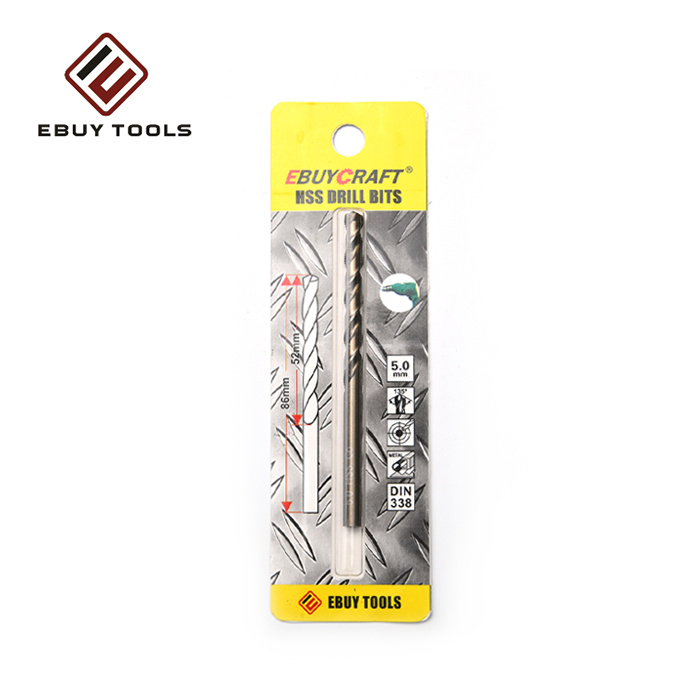
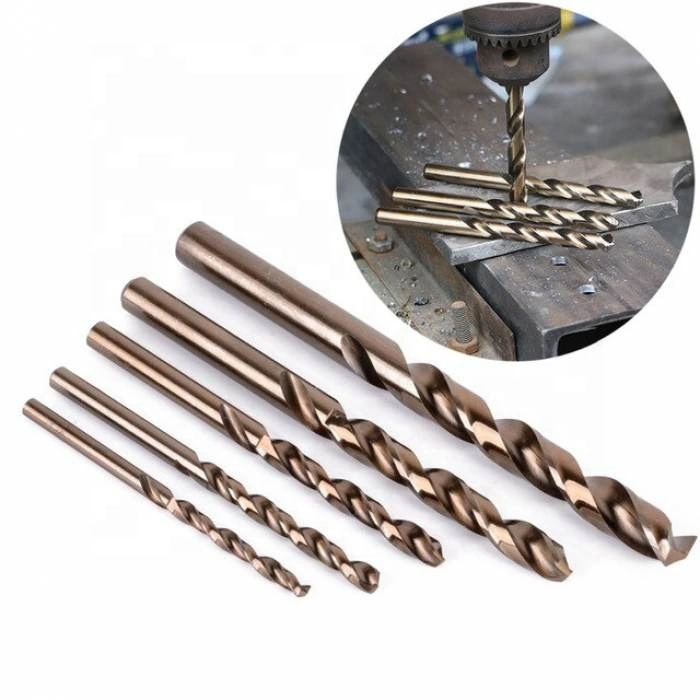
Choosing high speed steel twist drill bits that perform consistently over thousands of drilling operations is the first step in lowering your cost-per-hole. Unlike cheaper options, luxury HSS bits made with tungsten-molybdenum-chromium alloys keep their cutting edge integrity at high temperatures. This makes tool changes and production pauses much less common. The economic case for quality tools becomes strong when buying teams look at the total cost of ownership instead of just the original purchase price. Precision-ground bits that have been properly heated can lower practical drilling costs by covering the hidden costs of frequent replacements, rework due to poor hole quality, and unexpected downtime that we see at Danyang Ebuy Tools.
Understanding High Speed Steel Twist Drill Bits and Their Cost Benefits
The Metallurgical Foundation of Premium HSS Performance
High Speed Steel is a big step up from carbon steel cutting tools because it has alloying elements that change the way drill bits work when they are stressed. The tungsten-molybdenum material in high-quality HSS bits makes them very resistant to wear while keeping the structure tough. This keeps them from breaking in catastrophic ways during high-torque uses. This balanced metallic microstructure means that your drilling processes will continue reliably even if the material hardness changes or there are short-term overload conditions.
When heated up to 600°C, premium HSS twist drill bits keep their Rockwell hardness grades between 63 and 66 HRC. This is known as "red hardness," and it has a direct effect on output. When the cutting edges stay sharp even though frictional heat is being produced, each bit can drill a lot more holes before it needs to be replaced. We make our bits according to strict DIN 338 and ASME standards. This makes sure that the dimensions are always the same, which means that all of your tools will work the same way.
Calculating True Cost-Per-Hole Economics
Cost-per-hole research shows how choices about tools affect the economy. Even though it costs a little more, a premium bit that lasts 2,000 holes before it needs to be replaced is a much better deal than a budget bit that breaks after 500 holes. In addition to the cost of the tool itself, the figure takes into account machine downtime during changeovers, labor costs for tool replacement, and quality problems caused by worn cutting edges making holes that aren't within spec.
Tool failures that happen too soon have the most effect on factories that use multi-spindle drill lines or automatic machine centers. When one old bit stops output while workers look for and install a new one, the total cost quickly goes over any initial savings from budget tooling. Premium HSS bits cut down on these breaks because they are more resistant to wear and have an expected tool life. This means that repairs can be planned for planned maintenance windows instead of having to be done in the middle of a production run.
Selecting the Right HSS Twist Drill Bits to Optimize Cost-Efficiency
Material Grade Selection for Your Application
To choose between normal M2 high speed steel twist drill bits and cobalt-enhanced types, you need to know what problems you are having with drilling. Standard M2 grade bits with a hardness of 63 to 65 HRC work great in mild steel, aluminum, and basic manufacturing tasks where the temperature stays reasonable. These bits work well for a low price in job shops and repair shops that work with a variety of materials without putting too much stress on the tools.
Cobalt-alloyed M35 and M42 grades are necessary for drilling stainless steel, titanium alloys, or high-tensile materials that get very hot and harden quickly. The 5-8% cobalt presence makes the metal harder when it's hot (66–68 HRC) and raises the temperature it can be used at to 650°C. Our M42 bits with 8% cobalt work great for cutting out parts for cars, where the work-hardening properties of austenitic stainless steel would quickly dull regular HSS cutting edges. Even though cobalt grades are more expensive, the cost-per-hole is cheaper because they last longer in difficult materials than normal bits that need to be replaced more often.
Geometry and Coating Considerations
The point angle you choose has a big effect on how well you drill and how long your bits last. The standard 118° point angle works well for general drilling in soft materials because it spreads the cutting forces over a larger area. The 135° split point design has clear benefits in production settings. The self-centering shape gets rid of the need to walk during the initial entry, which cuts down on the need for center punching or spot drilling. This split point design goes deeper quickly with less push pressure, which reduces deflection and makes it easier to find the exact location of the hole.
Surface treatments make tools last a lot longer by lowering friction and making the surface harder. Titanium Nitride (TiN) treatments make the surface harder (up to about 3000 HV) and lower the friction coefficient (below 0.4), which stops edges from building up and lowering the quality of the hole. When compared to bright-finish bits, our TiN-coated bits last 300–400% longer in metal materials. Titanium Aluminum Nitride (TiAlN) layers offer even better resistance to oxidation for high-speed uses where cutting zone temperatures are getting close to the limits of what HSS can do.
Evaluating Supplier Manufacturing Standards
Precision production is directly linked to how well drilling works and how much it costs. Bits made to a h8 diameter spec make sure that holes are always the same size, without any differences in size that could cause quality problems or need extra reaming. The 30° helix angle standard makes it easier for chips to leave the cutting zone. This stops chips from packing together, which leads to friction, heat buildup, and early wear.
Inside our 77,000-square-meter building, we use precise grinding methods to get smooth surfaces and very accurate grinding. Standard tool holding devices can firmly hold universal round shanks, which stops the bit from slipping and damaging the workpiece. Every batch of products made by our 319 skilled workers goes through a strict measurement check to make sure they are concentricity within a 0.02mm to 0.05mm cutting lip height difference. This quality control stops bits from having holes that are too big and wearing out too quickly, which happen when they aren't made well.
Best Practices for Using and Maintaining HSS Twist Drill Bits to Maximize Lifespan
Optimizing Drilling Parameters for Extended Tool Life
When you choose the right speed and feed rate, you can keep high speed steel twist drill bits from failing in two main ways: they produce too much heat or their edges wear out too quickly. The bit width and material strength should match up with the operating speed. For example, slower speeds are needed for harder materials to keep heat from building up. Feed rates need to be just right so that output and tool loads are both taken into account. Light feeds that rub against the workpiece instead of cutting it and heavy feeds that overload the cutting edges should both be avoided.
Using coolants for more than just controlling temperature is very important. Using flood coolant or through-tool coolant delivery to flush chips out of the flute ducts stops the chips from packing together, which causes friction and heat. When you lubricate tools properly, they last longer and use less force, especially when cutting materials that tend to gall or build up edges. Minimum amount lubrication systems are a good way to cool down processes where flood coolant makes it hard to get rid of or damages the finish of the workpiece.
Implementing Preventive Maintenance Protocols
Wear patterns are caught by regular checking before they hurt the quality of the hole or cause the bit to break. When looked at closely under a microscope, edge chipping, side wear development, and crater formation on rake faces can be seen. Using optical comparators to measure the shape of the cutting edge lets you know when it needs to be re-sharpened, which is usually when flank wear hits 0.3 mm or edge chipping can be seen.
Re-sharpening HSS bits is much more cost-effective than buying new ones every time. Grinding the side face brings back the cutting shape and gets rid of worn material. This usually lets the bit be re-sharpened 5 to 8 times before it hits its minimum diameter limits. Systematic re-sharpening programs save a lot of money for facilities with dedicated tool rooms by keeping the cutting performance constant while lowering the cost of tools. Because they can be sharpened more than once, expensive HSS bits are actually more cost-effective than they seem at first because the total number of holes they drill is much higher than with single-use options.
Learning from Industrial Case Studies
Manufacturers of automotive parts say that careful HSS bit handling saves them a lot of money. One provider that makes transmission housings reported a 40% drop in drilling costs after adopting speed/feed optimization, systematic coolant maintenance, and planned tool replacement based on hole count instead of reactive tool changes after failure. Their proactive method got rid of the quality problems and waste costs that came with worn bits making holes that weren't within limit.
Maintenance work in aerospace shows how important it is to choose the right tools. By moving from normal HSS bits to M42 cobalt bits and using the best cutting parameters, a facility that was drilling titanium airframe parts cut the cost per hole by 60%. Even though the superior bits were more expensive at first, they quickly paid for themselves because they lasted longer in the rough titanium metal and required less work to be redone because the holes were better.
Comparing Premium HSS Twist Drill Bit Brands to Ensure Quality and Value
Industry-Leading Manufacturers and Their Innovations
In the market for professional high speed steel twist drill bits, there are well-known brands that are known for consistently high quality and new technology. Bosch and DeWalt put a lot of money into metallurgy research and have come up with their own heat treatment methods that make metals tougher without making them less hard. Their manufacturing specs are usually tighter than industry standards, which means that the bits they make work reliably in a wide range of challenging situations.
Makita and Milwaukee are both working on improvements to finishing techniques that make tools last longer in certain types of materials. Their study into surface treatments that reduce friction and better flute shapes solves problems that come up in real life in the production process. Because these makers offer a wide range of technical support, buying teams can easily choose the right specs for their specific drilling needs. This saves them the time and money needed to try different sources and see what works best.
The Ebuy Tools Manufacturing Advantage
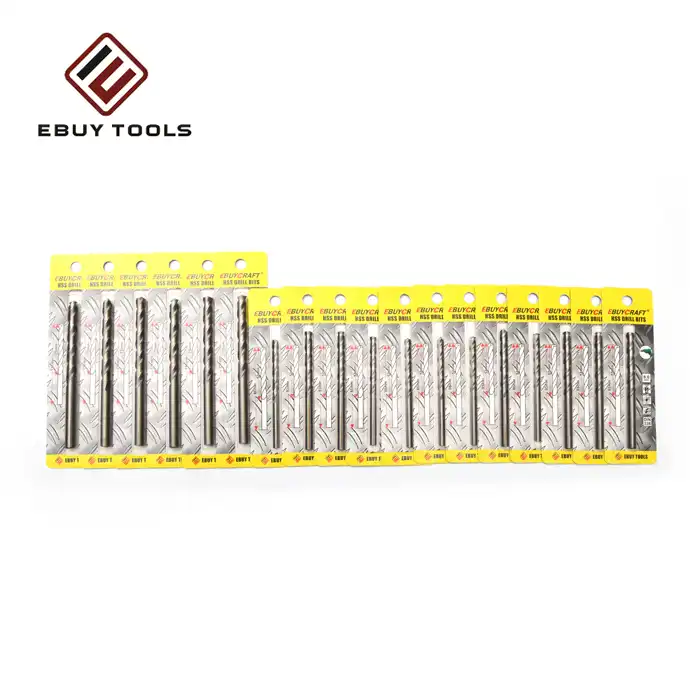
At Ebuy Tools, our production skills set us apart in the cutting tool market, which is very competitive. A daily output capacity of up to 150,000 pieces guarantees a steady supply for industrial customers who buy in large quantities, without the need for long lead times that make it hard to plan production. This manufacturing scale lets us keep a full inventory across a wide range of diameters and standard variations. This way, we can ship orders quickly instead of making customers wait for production runs.
Throughout the manufacturing process, quality control tools make sure that every part meets the stated standards. Random sampling with Rockwell C testers is used to check the hardness. Metallographic examination is used to make sure that the carbides are spread out evenly, and ISO 235 procedures are followed for performance testing. These regular checks find problems before they are shipped, protecting your business from the inconsistent quality that lower-tier sellers often have. Because we follow the standards set by DIN 338, DIN 340, and ASME/ANSI B94.11M, buying teams can be sure that the bits they order will meet international standards for accuracy in measurements and material qualities.
Procuring HSS Twist Drill Bits: How to Maximize Value in Bulk and Online Purchases
Strategic Approaches to Industrial Tooling Procurement
Accurately predicting demand based on past usage trends and future production schedules is the first step to good procurement for high speed steel twist drill bits. By looking at how much of a tool was used in the past by width, material grade, and coating type, it is possible to negotiate on terms based on amount and get good deals. Suppliers usually have tiered price systems that reward bigger promises. This makes it economically smart to combine purchases made at multiple locations or over longer periods of time.
When evaluating a supplier, the total cost of ownership (TCO) is taken into account as well as unit price. Reliable delivery keeps production from stopping because of running out of stock, and expert support helps choose the best tools and set the best application settings. Service after the sale, such as guarantee coverage and quick problem solving, adds value that low-cost sellers without support infrastructure can't match. We have dedicated expert teams that help customers with application problems, choosing the right specifications, and fixing problems. These services make your internal engineering work easier and improve the results of drills.
Verifying Quality in Volume Purchases
When buying in large quantities, you need proof procedures to keep quality from being compromised. By asking for material certificates that prove the alloy composition and heat treatment parameters, you can be sure that the bits you buy will meet the standards they say they will, instead of using cheaper materials. By checking the sizes of sample pieces from each production lot, you can find problems with the way the parts were made before they affect your operations.
Performance testing in the real situations of your production gives you the best proof of quality. By putting sample bits through typical drilling operations and keeping track of the holes they've finished, the amount of edge wear, and the quality of the holes, you can set standards for the whole order. This test checks if what the seller says about tool performance and life holds true for your individual uses and working conditions.
Conclusion
To lower the cost-per-hole with premium high speed steel twist drill bits, you need to know more about the economy than just the cost of the original buy. Quality bits made from the right alloys, heated to the right hardness levels, and ground to exact standards give better performance that cuts overall drilling costs by a huge amount. A buying strategy that boosts output while keeping costs low includes choosing the right material grades and shapes for the job, following strict operating procedures, and working with dependable sources. Because Ebuy Tools can make things and is committed to quality, we can help you achieve operating excellence with professional-grade drilling options.
FAQ
What distinguishes HSS from HSS-Cobalt drill bits in practical applications?
In real life, what makes high speed steel twist drill bits different from HSS-Cobalt drill bits? Standard HSS M2 grade bits work well for general manufacturing with mild steel, aluminum, and non-ferrous metals. This is because they can handle reasonable cutting temperatures, which lets standard alloy compositions work well. It's necessary to use HSS-Cobalt versions with 5–8% cobalt content when drilling stainless steel, titanium, or high-tensile metals that produce a lot of heat and harden over time. Adding cobalt makes the hot hardness a lot higher, which means that cutting edges stay sharp at high temperatures that would soften regular HSS bits.
When should the 135° split point geometry?
When used in CNC machining centers and automatic drills, the 135° split point form is very helpful. Because it centers itself, there is no need for a preliminary spot drilling step. This cuts down on cycle time and tool inventory. Compared to standard 118° points, this shape requires less thrust force, which keeps thin materials from deflecting and improves positional accuracy. This form is very useful in production settings that drill harder materials.
Can HSS drill bits be economically re-sharpened?
One big economic benefit of HSS tools over throwaway insert drills or solid carbide options is that they can be sharpened more than once. Grinding the side face brings back the cutting shape and gets rid of worn-out material. This usually lets you sharpen the tool 5–8 times before it hits the minimum diameter limits. Facilities with a tool room can save a lot of money by using re-sharpening programs that lower the cost of per-hole tools while still meeting performance standards.
Partner with Ebuy Tools for Professional-Grade Drilling Solutions
When it comes to demanding industrial applications where cost-per-hole economics drive tooling choices, Ebuy Tools has the best high speed steel twist drill bits. Our production know-how blends complex metalworking requirements with precise grinding methods to make bits that keep cutting well after thousands of holes. As a well-known maker of HSS twist drill bits, we offer the technical help and reliable supply that procurement workers need to make drilling processes run more smoothly.
Email our tech team at [email protected] to talk about your unique drilling problems and the materials you need. We'll help you choose the right grades, coatings, and shapes that will lower your prices, improve hole quality, and speed up production. Our programs for buying in bulk get you low prices for large orders, and they come with full quality guarantee and helpful customer service.
References
Trent, E.M. and Wright, P.K. "Metal Cutting and the Tribology of Seizure: High Speed Steel Tool Materials." Metal Cutting, 4th Edition, Butterworth-Heinemann Manufacturing Engineering Series, 2000.
Shaw, M.C. "Tool Materials for Metal Cutting: High Speed Steels and Cobalt Alloys." Metal Cutting Principles, 2nd Edition, Oxford University Press, 2005.
Astakhov, V.P. "Geometry and Design of High Speed Steel Twist Drills." Drills: Science and Technology of Advanced Operations, CRC Press Manufacturing Engineering and Materials Processing Series, 2014.
Roberts, G.A., Krauss, G., and Kennedy, R. "High Speed Tool Steels: Composition, Heat Treatment and Properties." Tool Steels, 5th Edition, ASM International Handbook Series, 1998.
Stephenson, D.A. and Agapiou, J.S. "Economics of Tool Life and Tool Material Selection in Metal Cutting." Metal Cutting Theory and Practice, 3rd Edition, CRC Press Manufacturing Engineering Series, 2016.
ISO 235:2013. "Twist Drills for General Purpose - Specification and Testing Methods for High Speed Steel Drill Bits." International Organization for Standardization Technical Committee Standards, 2013.