.webp)

Using a diamond cup wheel requires strict attention to safety protocols and operational guidelines to ensure both worker protection and optimal tool performance. These specialized grinding tools, embedded with industrial-grade diamonds on heat-treated steel bodies, deliver exceptional material removal rates on concrete, marble, tile, and granite surfaces. Proper precautions encompass pre-operational inspections, correct mounting procedures, appropriate speed settings, and continuous monitoring during use to prevent accidents and maximize the tool's service life in demanding metalworking and construction environments.
Understanding Diamond Cup Wheels and Their Risks
Abrasive tools that are both long-lasting and accurate are very important in the building business. Compared to standard silicon carbide abrasives, metal-bonded grinding wheels with diamond pieces are a big improvement that work better on a wider range of materials.
Types and Applications
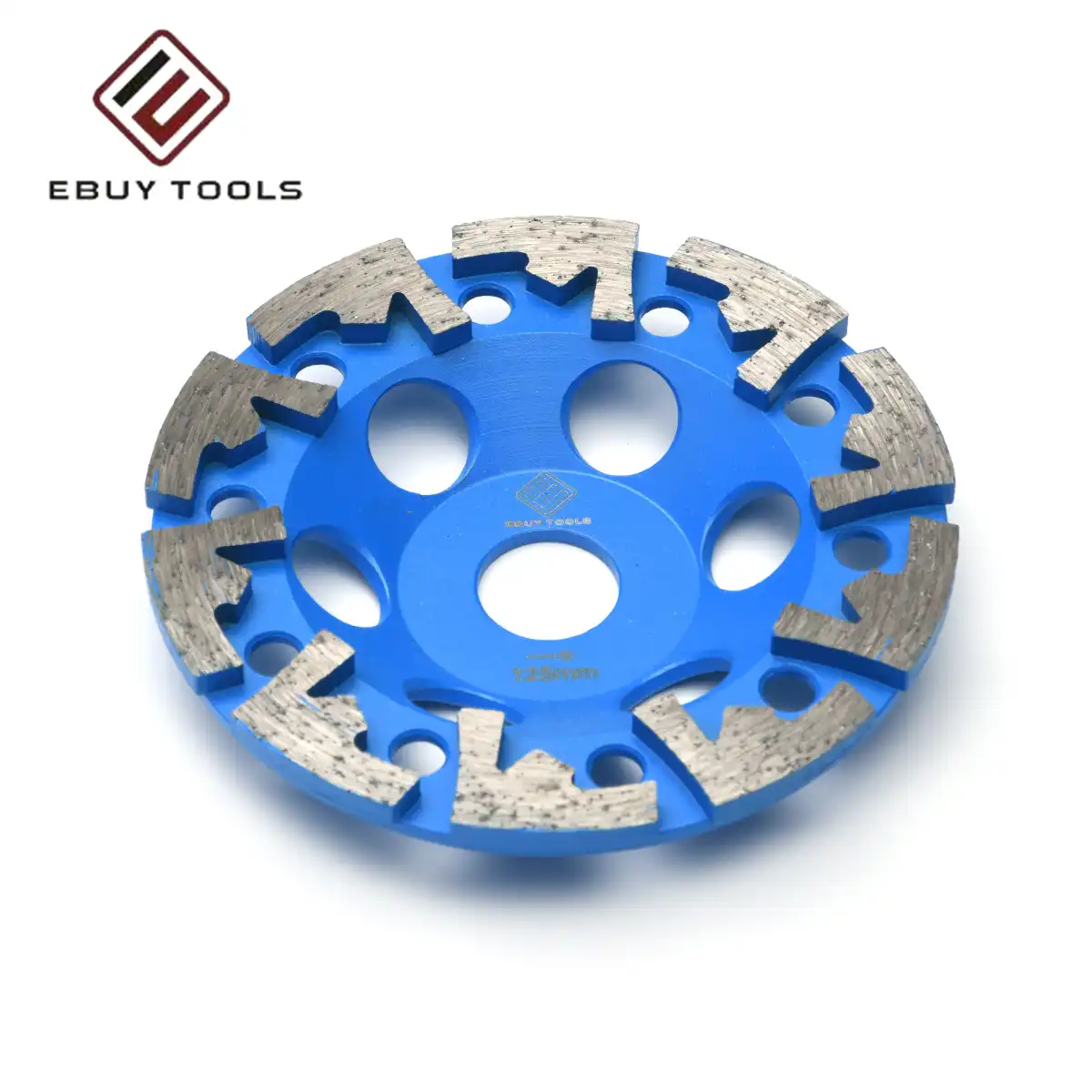
Professional grinding is mostly done in three main forms. Segmented designs have diamond parts that are split from each other and have gaps between them. These gaps make it easier to remove debris and cool down, which makes them perfect for aggressively leveling concrete and removing coatings. When you need to avoid chipping the edges of delicate materials like marble and tile, continuous rim wheels give you a better facinish. Turbo designs combine the best of both worlds, providing controlled performance through serrated edges that improve cooling while keeping cutting efficiency.
Advanced quality control methods are used in the factories that make these tools. Our 77,000-square-meter factory at Danyang Ebuy Tools uses cutting-edge welding techniques, such as high-frequency and laser methods, to join diamond pieces to high-tensile steel cores. This way of connection can handle the high rotational forces that are present during operation.
Inherent Hazards in Grinding Operations
There are a lot of risks that come with professional grinding that everyone needs to be aware of. Physical risks include projectile debris that can hit you in the eyes and move at speeds of more than 100 feet per second. Another major worry is wheel breaking, which can happen when tools are put under too much side pressure or when workers go faster than the recommended RPM.
Problems with heat can also affect the safety of the user and the quality of the workpiece. When there is too much friction, temperatures can rise high enough to burn the surface of the concrete, which can lead to tiny cracks that weaken the structure. Silica dust is a known workplace health risk in the stone and concrete making industries. Long-term exposure without enough ventilation raises the risk of breathing problems.
A danger that is often ignored is mechanical instability. If the wheels don't meet the G6.3 balance grade guidelines, they cause too much shaking, which can make operators tired and cause angle grinder spindle damage. If the run-out limits in axial or radial measures are more than 0.1 mm, the grinding patterns will be uneven, and the tool is more likely to break suddenly during high-speed operations.
Essential Safety Precautions When Using Diamond Cup Wheels
By following strict safety rules, grinding activities that could be dangerous become controlled, repeatable processes. Proper personal safety equipment is at the top of the order of controls, and machine compatibility testing is at the bottom.
Personal Protective Equipment Requirements
All-around protection keeps workers safe from all kinds of grinding dangers. Eye protection that meets ANSI Z87.1 guidelines can be found in safety goggles, but face shields protect better against bigger pieces of debris. When using angle grinders that make noises higher than 85 decibels, you have to wear hearing protection. This is a level that is often hit during long sessions of cutting concrete.
When dry grinding with a diamond cup grinding wheel, it's especially important to pay attention to respiratory safety. N95 respirators approved by NIOSH filter out crystalline silica particles, but wet grinding ways greatly lower the amount of dust in the air. Heavy-duty gloves that reduce vibrations protect your hands and make it easier to hold on to things while you work. Long-sleeved work shirts and steel-toed boots finish off the protection outfit, keeping you safe from falling particles and dropped tools.
Pre-Operational Inspection Protocol
Catastrophic fails can be avoided by carefully checking each use. Any cracks in the steel body, missing diamond pieces, or signs of damage from a hit should be easy to see with the naked eye. The arbor hole diameter needs to be exactly the same as the grinder spindle diameter. Common sizes include 22.23mm and 5/8"-11 threaded setups. If they don't match, the grinder will shake while it's turning, which can be dangerous.
Verifying the speed rating is an important safety step that must always be taken. Each grinding wheel has markings that say the highest RPM that it should never be exceeded. Angle grinders usually work between 10,000 and 13,000 RPM, so wheels that are rated for that range are needed. Operators should make sure that these specifications match before mounting the wheel, because overspeeding can cause centrifugal forces that can break the tool.
Proper Grinding Techniques
Operational methodology has a direct effect on both safety outcomes and tool longevity. For example, keeping the grinding angle between 15 and 30 degrees maximizes diamond exposure while preventing edge damage to the segments. Cutting efficiency is lower when too much pressure is applied; the segments work best when they are allowed to work at their intended contact area instead of being forced into the material.
Side loading is bad for both the wheel and the person using it because these tools are made for face grinding, not edge work, and side loading can cause segments to come off or the wheel to break. Moving the tool smoothly and steadily across the work surface gives consistent results while reducing mechanical stress on the tool's structure.
Maintenance and Handling Precautions to Prolong Wheel Life
Strategies for maintenance make tools last longer while keeping their performance. To protect their tooling investments, professional operations combine regular inspection processes with the right way to store tools.
Regular Inspection Schedules
Setting up standard checklists makes sure that the condition of the wheel is always evaluated the same way. Operators should write down segment height measurements to keep track of wear rates across different materials and applications. Unusual wear patterns, like uneven segment heights or localized damage, show that the operator isn't using the machine correctly or there are problems that need to be fixed.
Welding integrity needs to be checked on a regular basis, especially for wheels that will be subjected to high impact. Segment movement or gaps appearing between diamond sections and the steel body are signs that the weld is about to fail. Our manufacturing process at Danyang Ebuy Tools includes rigorous welding strength testing, validating shear resistance to prevent detachment during operation, but field conditions can speed up wear beyond what can be predicted in the lab.
Cleaning and Dressing Procedures
Having too much debris on the diamond surface makes it less effective to grind because the metal bond material blocks diamond exposure. To clean properly, wire brush between segments to get rid of concrete dust and particles that are embedded. When wet grinding, extra care must be taken to avoid mineral buildup that hardens during storage.
Dressing improves the cutting performance of glazed wheels. Abrasive dressing sticks, which are usually made of aluminum oxide or silicon carbide, are held against the rotating wheel to break the metal bond and reveal new diamond crystals. How often you need to dress depends on the hardness of the material and how long you grind it, with harder materials like concrete needing more frequent attention than softer stone materials.
Storage and Transportation Guidelines
Protecting diamond cup wheel tools from the environment between uses keeps them in good shape. Steel bodies corrode when they are exposed to humidity, especially around welded joints where moisture weakens the bond. Climate-controlled storage facilities stop this from happening, but in most places, simple moisture barriers are enough to keep tools safe.
Impact damage that leaves tiny cracks that can't be seen with the naked eye can be avoided with our packaging solutions at Danyang Ebuy Tools. We can handle bulk orders with individual wheel protection, which meets the needs of distributors who manage inventory across multiple warehouse locations. Correct stacking reduces stress on lower wheels, which stops deformation that changes the dynamic balance characteristics.
Common Operational Mistakes and How to Avoid Them?
Experience in the welding and building industries has shown that mistakes are made over and over again that hurt both safety and effectiveness. Knowing these mistakes lets you take proactive steps to avoid them.
Wheel Selection Errors
The success of an operation depends on how well the wheel configuration fits the job. For example, continuous rim wheels are great for making smooth finishes on granite countertops, but they don't work well for removing coatings from industrial floors, where aggressive segmented designs work better. The turbo rim configuration in our product line is very flexible, removing material quickly while still leaving a good surface quality for general-purpose uses.
The "Opposite Rule" says that soft bonds work best with hard materials because they let the diamonds cut more quickly as the weak matrix wears away. On the other hand, hard bonds work best with soft materials because they stop premature wear when grinding green concrete or asphalt. However, operators often switch these relationships around, which leads to either glazed wheels that won't cut or fast segment consumption that raises operating costs.
Speed and Mounting Violations
Overspeeding is still the main reason why wheels break down in industrial settings. When RPM is too high, the centrifugal forces are stronger than the mechanical strength of the segment attachment, which causes the segment to violently separate. Electronic RPM verification tools give accurate readings of operating speeds, which gets rid of the guesswork that can lead to dangerous situations.
When you don't place something correctly, vibration and instability happen, which lowers performance. For 5/8"-11 arbor wheels, the spinning forces need to be spread out evenly, so the threads need to be fully engaged. The flanges must fit flat against the wheel body without any dirt getting in the way, and the locking mechanisms must work properly without being over-tightened and distorting the mounting hole.
Neglected Maintenance Protocols
Putting off planned checks lets small problems get worse and lead to big failures. Segment cracks spread through heat cycling and finally separate the whole piece while it's being used. Our quality control methods make sure that the product is correct when it is first made, but situations in the field add variables that require constant attention.
Keeping records of repair tasks for diamond cup grinding wheel makes people responsible and lets you look for trends. Recording section heights, dressing regularity, and material types on the ground gives information that can be used to improve replacement plans and techniques. This methodical technique cuts down on sudden tool failures that throw off production plans in projects that need to be finished quickly.
Selecting the Right Diamond Cup Wheel and Supplier Considerations
When purchasing something, choices have to be made that balance current performance needs with long-term cost concerns. Professional buyers look at more than just the purchase price to figure out what the item is really worth.
Material and Finish Requirements
Choosing the right tool depends on the details of the job. For high-PSI concrete, the section geometry needs to be aggressive and have enough cooling capacity. For natural stone production, the grit sizes need to be smaller so that the sides are smooth and don't chip. Our product specs list grit size runs from 16/20# for rough removal of material to 120/150# for finishing tasks, meeting all of a professional grinder's needs.
Machine compatibility is more than just the size of the arbor hole. The power level of the grinder affects the choice of wheel diameter. Machines that aren't powerful enough have trouble with bigger wheels, and machines that are too powerful for small-diameter tools make them hard to control. Our split turbo rim design has venting holes that allow for both dry and wet grinding. This gives you operating freedom on a wide range of job sites.
Supplier Evaluation Criteria
Reputable makers keep licenses that show they meet international safety standards. Conformity with EN 13236 standards for superabrasives and ISO 6104 standards for dimensions allow for independent checking of product quality. Independent testing has shown that our facility is committed to these standards. This gives procurement workers faith that big orders will be handled consistently.
Superior suppliers are different from basic suppliers in that they can offer technical help. Access to application experts who know about bond selection, segment configuration choices, and machine compatibility problems adds a lot of value on top of the product itself. Customization services, such as private marking and changing specifications, meet specific operating needs that normal catalog items can't.
Supply chain dependability is very important for businesses that need tools to be available all the time. Our facility can make 150,000 diamond saw blades every day, which is a large enough production size to support big builders and distributors. This production volume, along with quality control measures like dynamic balance verification and material removal rate testing, makes sure that goods that meet specifications are delivered on time.
Our grinding wheels cut faster because they have a lot of diamonds in them, and the steel bodies have been heat-treated to make them last longer. These improvements in engineering directly lower labor costs by making machines more productive and allowing longer periods of time between tool changes. When you look at the total cost of ownership instead of the unit price, you can see that expensive cutting tools are more cost-effective.
Conclusion
Diamond cup wheels work best when safety rules are strictly followed, the right tools are used, and routine upkeep is carried out. The listed safety measures—complete PPE use, pre-operational checks, the right way to grind, and smart partnerships with suppliers—all work together to lower risks and improve tool performance. You can turn dangerous grinding tasks into controlled, predictable ones that give consistent results in demanding metalworking and construction tasks by understanding the connection between bond hardness and material properties, spotting the signs of improper use, and following written maintenance schedules.
FAQ
What makes it so that a diamond grinding wheel stops cutting well?
When the metal bond matrix doesn't wear at the right rate, stopping new diamond exposure, this is called glazing. This usually happens when a glue that is too tough for the material being ground is used. You can fix the problem by either dressing the wheel with an abrasive stick or moving to a softer bond mix that works better for your needs.
How do I know if the balance of my cutting wheel is right?
When the machine is running, too much shaking means there are problems with the balance or the frame. Quality wheels that meet G6.3 balance grade standards make movement smooth and reduce hand tiredness. Put the wheel on a grinder that you know works well and run it at a slow speed. If the wheel keeps vibrating, it probably needs to be balanced by a professional or replaced.
Can any kind of grinder use diamond cup wheels?
Compatibility depends on the power levels and specs of the tree. The most usual platform is an angle grinder, but these tools can also be used on concrete grinders and other specialty machines. Before you use the machine, make sure that the RPM doesn't go over the wheel's limit and that the arbor hole width and thread pitch for threaded hubs are correct.
What's the difference between grinding with water and grinding without water?
In wet grinding, water or coolant is used to keep the work area free of dust and friction heat. This makes the tools last longer and keeps the operation safer. Dry grinding is convenient and easy to move around, but it makes a lot of silica dust that needs to be protected from breathing. Our wheels have air holes that are designed to work best with both ways, giving you more options for how you do your job.
Partner with Ebuy Tools for Professional-Grade Diamond Grinding Solutions
Precision grinding wheels made by Danyang Ebuy Tools are designed to work well in difficult metalworking, aerospace, automobile, and building tasks. Our 319 skilled workers run modern production lines that turn out 150,000 pieces every day. This makes sure that builders and distributors who need regular quality always have a steady supply. As a company that only makes diamond cup wheels, we offer EN 13236-compliant goods with full technical help and customization options. Email our team at [email protected] to talk about your unique grinding needs, bulk purchasing options, and custom branding options that will help your business be as productive and safe as possible.
References
American National Standards Institute. (2021). Safety Requirements for Grinding Wheels and Bonded Abrasives. ANSI B7.1-2021 Standards Publication.
European Committee for Standardization. (2020). Diamond Tools - Cup Wheels with Diamond Segments. EN 13236:2020 Technical Specifications.
National Institute for Occupational Safety and Health. (2019). Crystalline Silica Exposure Health Hazards in Construction and Manufacturing. NIOSH Publication No. 2019-145.
Occupational Safety and Health Administration. (2022). Personal Protective Equipment Guidelines for Abrasive Grinding Operations. OSHA Technical Manual, Section III, Chapter 4.
International Organization for Standardization. (2018). Bonded Abrasive Products - Dimensions - Part 4: Grinding Wheels. ISO 6104-4:2018 Standard.
Construction Safety Association. (2020). Best Practices for Diamond Tool Selection and Use in Concrete Surface Preparation. CSA Professional Guidelines Series, Volume 12.