.webp)

The right metal cutting disc is more than just a consumable when precision machine shops are having trouble keeping up with demand. It becomes a competitive edge. Modern abrasive metal cutting discs are designed for high-speed uses and separate materials quickly while causing little heat distortion. They solve important problems in the manufacture of structural steel, the processing of stainless steel, and the production of aircraft parts. These bonded abrasive tools use advanced grain formulas and strengthened fiber structures to keep cutting effectively while putting worker safety first in tough industrial settings.
Understanding Metal Cutting Discs: Types, Functions, and Safety
What Makes High-Speed Cutting Discs Different?
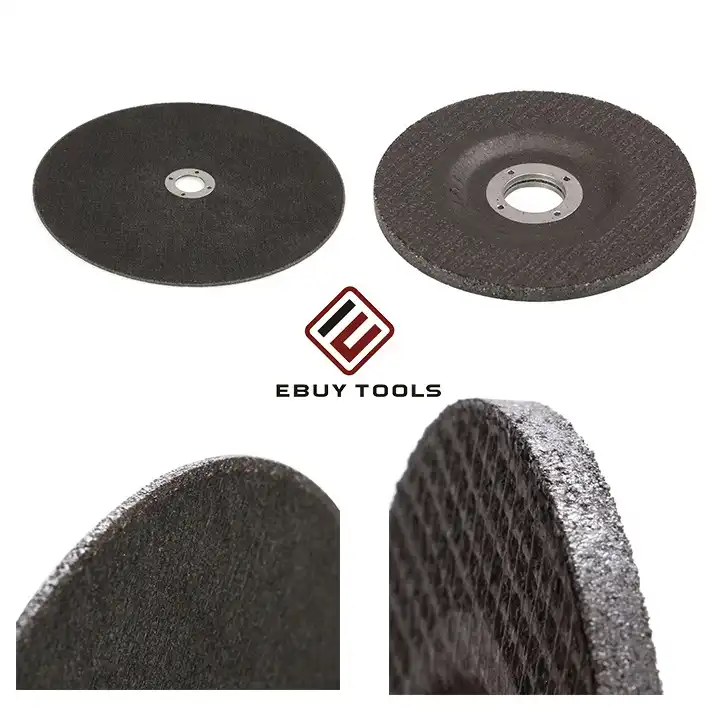
General-purpose grinding wheels are not at all the same as high-performance metal cutting discs made for industrial use. Grinding discs slowly remove material by rubbing against the workpiece's surface. Metal cutting discs, on the other hand, cut through the material by concentrating friction and breaking it apart. The difference lies in how they are made: metal cutting disc types have thinner shapes that range from very thin (0.8 mm) to strong (3.2 mm), which lets them penetrate more quickly and waste less material.
These tools use bonded abrasive technology, which binds carefully graded particles together using phenolic glue systems. The particles are usually silicon carbide, zirconia alumina, or aluminum oxide. How hard the metal cutting disc cuts is based on the bond strength. When bonds are softer, worn grains come off more easily, revealing new cutting edges that work well with hard materials like titanium alloys. For softer metals where long-lasting edge life is more important than violent metal cutting action, harder bands hold on to grains longer.
Core Types for Industrial Applications
Buying professionals can better match tools to specific machining needs if they know about the main types:
- Brown Fused Alumina Discs: These workhorses are very cost-effective for both carbon steel and mild steel processes. Because they self-sharpen, the metal cutting rate stays the same over the metal cutting disc's lifetime. This makes them perfect for making solid steel parts where the amount of material removed is more important than the accuracy of the surface finish.
- White Fused Alumina (INOX) Discs: Formulations that are free of contamination have less than 0.1% iron, sulfur, and chlorine mixed. This standard stops contact corrosion on stainless steel workpieces, which is very important in places like making pharmacy equipment and food-grade processing, where rust stains after cutting would ruin the quality of the finished product.
- Zirconia Alumina Discs: These are the best way to work with high-alloy materials and parts made of strengthened steel. When zirconia grains are cut, the crystalline structure breaks apart, making sharp micro-edges all the time. This feature makes the metal cutting discs last longer when they are being used to machine aircraft superalloys or tool steel dies, where regular alumina discs would glaze over too quickly.
Safety Standards and Operational Precautions
When making things in factories, strict safety rules must be followed. Every professional-grade metal cutting disc is tested at 1.5 to 2 times its highest rated RPM to see if the triple-layer fiberglass support keeps it from breaking completely when it's under a lot of stress. Following the rules set by EN 12413 and oSa (Organization for the Safety of Abrasives) guarantees the structure's stability at speeds of up to 80 meters per second.
Operators must make sure that the abrasive cutting disc standards and power tool values are compatible. Using a metal cutting disc designed for 13,300 RPM on equipment that can handle 15,000 RPM immediately increases the chance of breaking. Also, it's very important to never use side pressure while cutting. These metal cutting discs only design rotational force resistance—side loading strips weaken the support layers, causing the structure to break suddenly. For all metal cutting tasks, it is imperative to wear the right safety gear, such as face masks, cut-resistant gloves, and hearing protection.
Choosing the Right Metal Cutting Disc for Your High-Speed Application
Assessing Material Compatibility and Thickness Requirements
More than anything else, the qualities of the material determine which metal cutting disc to use. Because stainless steel tends to work-harden, it needs INOX-specification metal cutting discs that stay sharp without leaving behind iron contaminants. Aluminum and non-ferrous alloys need special mixes that don't allow loading, which is when soft metal bits build up on rough areas and cause too much heat.
The width of the workpiece has a direct effect on the best metal cutting disc measurements. Ultra-thin 1.0mm metal cutting discs are great for precisely cutting sheet metal and tube that is less than 6mm thick. They leave clean kerfs and lose very little material. Heavy structural steel plates that are thicker than 10 mm do better with metal cutting discs that are 2.5 mm to 3 mm thick. These metal cutting discs keep the plate stable during long cuts by avoiding disc movement, which leads to binding and early wear.
Speed Ratings and Durability Factors
The highest RPM numbers on metal cutting disc labels are important safety limits, not ideas. A metal cutting disc with a diameter of 230 mm and a speed rating of 6,600 RPM spins at a speed of about 80 meters per second, which is the speed at which centrifugal forces start to threaten the stability of the support. If you go over these limits, the phenolic resin bond structure is compromised, and the fiberglass mesh layers become weaker and weaker until they finally break.
To figure out how durable something is, you need to know about G-ratio measures, which are the volume ratio of material lost to metal cutting disc wear. G-ratios for professional goods range from 20:1 to 40:1, based on how harsh the application is. Higher ratios mean better cost-per-cut efficiency, which is especially helpful in high-volume production settings where downtime for replacements builds up quickly. At Danyang Ebuy Tools, we make sure that the grain distribution and bond formulation are just right so that these performance measures are at their best in a wide range of industrial situations.
Evaluating Supplier Capabilities and Bulk Advantages
Production stops when supply lines are reliable. Manufacturers that can make a lot of things every day, like our plant, which can make 150,000 pieces a day, keep their inventory always available for just-in-time purchasing tactics. This size allows for consistent quality by using automatic systems for mixing and pressing that get rid of the differences between batches that smaller makers often have.
Aside from lowering unit prices, volume buying deals have other cost benefits that can be measured. When you combine shipping, you save money on freight costs, and when sellers know exactly how many orders they will be getting, they can plan their production schedules and buy raw materials more efficiently. Long-term relationships make it easier to create custom specifications, which lets tooling solutions be perfectly matched to the specific metal cutting problems in fields like mold making or offshore pipeline maintenance.
Optimizing Performance: Best Practices for High-Speed Cutting
Matching Tool and Disc Specifications
Getting the best metal cutting results with a metal cutting disc starts with matching the right tools together. Angle grinders that are made for cutting have higher power levels than models that are made for grinding. This torque curve keeps the metal cutting disc from stopping when it hits resistance when it first starts to cut into the workpiece or when it cuts through scale-covered surfaces that are typical in structural steel uses.
When compared to flat forms (Type 41), depressed center metal cutting discs (Type 42) offer better stiffness for straight cuts and better operator control. The deep hub makes it easier to get close to surfaces next to it, while also putting support layers farther away from the cutting edge, which is where stress concentration is highest. Our clever grain and bond system keeps the cutting efficiency of the metal cutting disc high throughout its useful life, so you don't have to worry about it losing its effectiveness and needing to be replaced too soon.
Adjusting Speed and Feed Rates
Metal cutting speed optimization finds a balance between how fast material is removed and how much heat is produced. Too much feed pressure leads to two issues at the same time: metal cutting disc wear speeds up because grains break early from overloading, and heat builds up on the object, causing changes in the metal's structure in areas that are exposed to the heat. When too much heat is applied to stainless steel, it forms hard spots and chromium carbide precipitation that make it less resistant to rust.
Using mild, steady pressure that lets the metal cutting disc cut easily without slowing down the grinder is the right way to do it. A high-pitched squeal means that the feed pressure isn't high enough, which is causing the metal cutting disc to glaze over, and a labored motor sound means that the machine is overloaded. By keeping the grinder's speed close to its no-load RPM, you can be sure that the gritty grains will break apart and fall off at regular intervals, always revealing new cutting surfaces.
Real-World Performance in Automotive Manufacturing
Leading automakers that used our metal cutting discs to make transmission housings saw a 23% drop in the average time it took to finish a cut compared to their old tools. This improvement came about because our metal cutting disc had a high rate of metal removal and low vibration, which made it easy for workers to keep strong feed rates. Because there was less shaking, operators didn't get as tired during long production runs. This increased both output and safety in the workplace.
The same company found that making malleable iron parts made the metal cutting discs last 31% longer. This increase in longevity came from our controlled porosity structure, which stops heat buildup and the thermal breakdown of bond materials that happens when heat builds up. Longer tool lives meant that changeovers happened less often, which cut down on the amount of non-productive downtime that builds up in high-volume processes. These performance traits show that investing in high-quality tools gives a clear return on investment that goes beyond just comparing unit costs.
Procurement Guide: How and Where to Buy Quality Metal Cutting Discs for High-Speed Use?
Evaluating Direct Manufacturer Relationships
When you buy abrasive cutting disc directly from makers, you skip the markups that come from middlemen and get access to professional support and the ability to customize your order. Direct relationships let you talk about specifications with engineers who know how production works and can suggest the best answers based on problems with specific materials and production numbers. This technical help is especially helpful when switching between materials or starting to use new ways to make things.
Another benefit of direct buying is that quality checking is more open. By visiting factories, you can check the testing tools, process controls, and ways that raw materials are sourced. Customers are welcome to audit our plant, which shows that we have faith in the production methods and quality systems that make sure products work the same way no matter how many are ordered.
Understanding Total Cost of Ownership
The purchase price is only one part of how much tools really cost. The number of replacements needed and the cost of work for changeovers are directly related to how long the metal cutting discs last. A quality metal cutting disc that costs 30% more but lasts 50% longer is a better deal because it has less downtime and lower usage rates. Our advanced formulas give our products long-lasting resilience that regularly shows this cost-saving benefit in tough production settings.
Bad tooling adds up to hidden costs over time. Power tools wear out faster when they are vibrated too much, which raises repair costs and the number of times they need to be replaced. When workpieces are damaged by heat or don't fit correctly, inconsistent metal cutting performance leads to waste and extra work that costs money. Because of these operating effects, choosing a provider is more of a strategic choice than a simple purchase of goods.
After-Sales Support and Service Policies
Warranty coverage and return policies are important ways to lower the risk of buying in bulk. Understanding how claims work before problems happen keeps disagreements from happening during time-sensitive production situations. Reputable sellers stand behind the performance of their products and will repair or pay you for faulty materials without any bureaucratic red tape that slows down the process.
The worth of a product goes beyond its physical specifications when technical help is available. Having access to application experts who can help with metal cutting problems, suggest ways to make the process better, and train operators makes manufacturing more efficient overall. Our team builds ongoing connections with customers and provides consultative support as a core part of our value strategy, not as an extra service tier.
Conclusion
For high-speed metal cutting jobs, you need tools that remove material quickly while also being safe and saving you money. Professional-grade abrasive metal cutting discs have these performance traits because they are made with specially designed grain formulas, bond chemistry, and reinforcement structures that are made to handle certain manufacturing challenges. Procurement professionals can make smart buying choices that boost productivity while keeping running costs low by knowing about metal cutting disc types, material compatibility, and performance optimization techniques. Quality control through established safety standards and strict testing methods ensures effective performance in a wide range of demanding industrial settings, from making airplanes to building structures out of steel.
FAQ
What factors determine metal cutting disc lifespan in high-speed applications?
Material hardness, cutting pressure, operating speed, and grain-to-bond fit all affect how long a metal cutting disc lasts. Abrasive wear is sped up by harder materials, and premature grain breakage is caused by too much feed pressure. When you work within the recommended speed limits, you stop the thermal bond breakdown that weakens the structure.
Can I use standard discs for stainless steel cutting operations?
Standard aluminum oxide metal cutting discs cross-contaminate stainless steel by leaving behind iron bits that stain the steel with rust. INOX-specification metal cutting discs get rid of this issue by using formulas that are free of contaminants and meet high purity standards. These are needed for corrosion-resistant uses in the food and drug processing industries.
How do I prevent dangerous vibration during cutting operations?
Vibration usually means that the metal cutting disc isn't balanced or isn't mounted correctly. Check that the metal cutting disc fits properly on the axle and that it sits flush against the flange sides. Vibration can also be caused by broken or worn-out grinder bearings. Even though our static and dynamic balance checks during production reduce the metal cutting disc's natural imbalance, it's still important to place it correctly for smooth operation.
Partner with Ebuy Tools for Superior Metal Cutting Disc Solutions
Danyang Ebuy Tools uses its large manufacturing size with its engineering know-how to provide cutting-edge solutions that turn problems with productivity into competitive benefits. Our portfolio of enterprise-grade metal cutting discs is used by precision machining shops, automakers, and aircraft providers that need reliable performance in a wide range of demanding situations. Our focused R&D department comes up with custom specs to meet each customer's specific metalworking needs, and we can produce more than 150,000 pieces every day to keep the supply chain running smoothly. As a reputable maker of metal cutting discs, we allow procurement professionals to learn more about the benefits of buying in bulk, our technical consulting services, and our quality assurance protocols that help them make smart choices about where to buy things. Contact our team at [email protected] to talk about your unique metal cutting problems and find out how our solutions can help you save money and work more efficiently and safely.
References
American National Standards Institute. "Safety Requirements for the Use, Care, and Protection of Abrasive Wheels." ANSI B7.1-2017 Standard for Industrial Grinding Operations.
European Committee for Standardization. "Abrasive Products - Safety Requirements for Bonded Abrasive Products." EN 12413:2007+A1:2017 Technical Specifications.
Machinery's Handbook, 31st Edition. "Grinding Wheels and Abrasive Processes: Material Removal Mechanics and Selection Criteria." Industrial Press, 2020.
Society of Manufacturing Engineers. "Fundamentals of Tool Design: Abrasive Machining and Finishing Operations." SME Technical Paper Series MR19-274, 2019.
International Organization for Standardization. "Bonded Abrasive Products - Dimensions: Cutting-Off Wheels on Stationary or Mobile Cutting-Off Machines." ISO 603-3:1999 Standards.
Abrasive Engineering Society. "Best Practices for High-Speed Abrasive Cutting: Safety, Performance, and Quality Control." AES Industrial Guidelines Publication, 2021.