.webp)

If you need to cut through tough materials like metal, concrete, granite, and engineered stone, the diamond saw blade is the most trusted tool in modern making. Unlike regular abrasive wheels that wear out quickly or carbide-tipped blades that have trouble with different levels of sharpness, diamond saw blades use fake diamond bits attached to a metal matrix to make a cutting edge that stays the same after thousands of cuts. This technology solves one of the biggest problems in metalworking and precision machining: getting rid of material quickly without damaging the surface or shortening the life of the tool. This is especially important when working with titanium alloys, hardened steel, or composite materials that are used in the aerospace and automotive industries today.
Understanding Diamond Saw Blades: Types, Structure, and Functionality
When it comes to how they work, diamond saw blades are very different from other cutting tools. Instead of using sharp edges that wear down over time, they use industrial diamonds that are bonded to metal and wear away over time, revealing new cutting surfaces all the time.
Working Mechanism Compared to Conventional Blades
The cutting action is done by diamond crystals breaking up tiny pieces of the workpiece material through their high hardness instead of slicing force. This system makes less heat at each cutting point and spreads wear out evenly around the edge of the blade. Traditional abrasive wheels, on the other hand, use aluminum oxide grains that break apart when they are stressed, which makes the cutting rate unpredictable and means they need to be replaced often.
Wet Cutting versus Dry Cutting Applications
Wet cutting diamond saw blades need a steady flow of water while they're working. The water does three important things: it keeps the blades cool, clears out waste, and keeps them lubricated. When cutting glass, porcelain tile, and natural stone, this method works better than heat shock, which could break the materials. Wet-cutting blades usually have a continuous rim design that lets the blade stay in contact with the object without breaking. This reduces shaking and edge chipping.
Dry cutting blades have gullets or turbo pieces that let air flow and remove waste without using liquid coolant. These blades have specially made links that can handle higher temperatures. This makes them perfect for job sites where getting to water is hard or where electrical dangers make wet cutting unsafe. The manufacturing method of hot pressing makes dry-cutting pieces denser and more resistant to heat.
Critical Technical Specifications
Several factors affect how well blades work in business settings. Diamond grit size directly impacts the quality of the surface finish. Coarser 40–80 grit setups favor cutting speed for structural applications, while finer meshes between 200 and 400 grit make polished cuts that are good for visible surfaces. The abrasiveness of the bond must meet the abrasiveness of the material. Soft bonds work best on hard materials like granite because they wear away quickly to reveal new diamonds. Hard bonds, on the other hand, work best on softer, more abrasive materials like asphalt.
The total life of the blade is affected by the height of the segments. Longer blades have more diamond-containing material that wears away before they need to be replaced. The kerf width affects both the accuracy of the cut and the amount of power needed. Narrow kerfs reduce material waste and motor load, but they may not be stable enough for heavy-duty tasks. Safe working speeds are set by the RPM rate. The speed of the peripherals is usually between 30 and 50 meters per second, but this depends on the hardness of the material and how it is cooled.
Choosing the Best Diamond Saw Blade for Your Application
To choose the right diamond saw blades, you have to match the blade's features to the material and cutting situation. Understanding these connections has a big effect on both working efficiency and overall cost of ownership, as we've seen.
Material Compatibility and Application Scenarios
For metalworking tasks, specific gluing formulas are needed. When cutting through hardened steel or stainless alloys, brazing diamond saw blades keep the diamonds in better because they join with the metal instead of embedding them mechanically. The brazed link stops the diamond from pulling out too soon when cutting ductile metals, which is a typical way for sintered blades to break.
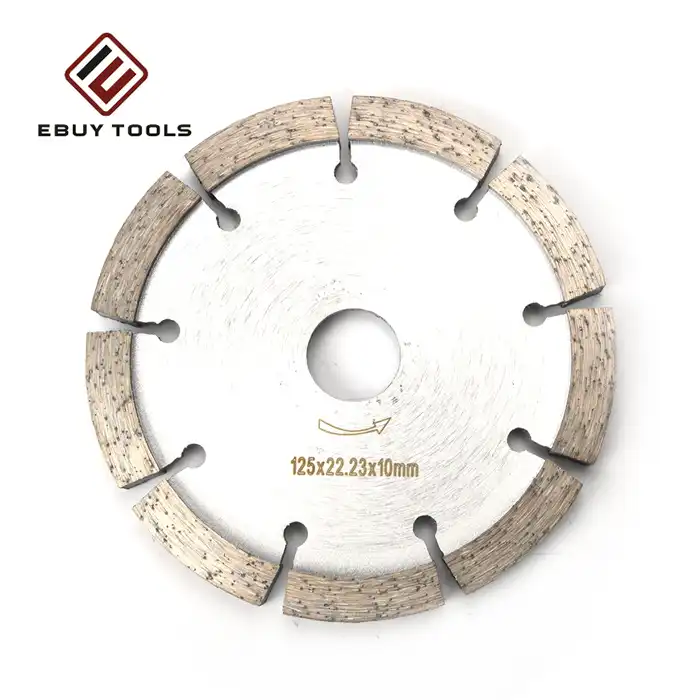
Segmented rim designs for dry diamond disc are often used for cutting concrete and brickwork because they provide aggressive cutting action and great debris clearing. The holes between the segments let the blade bend a little, which lets it work with uneven reinforced concrete without breaking any segments. Continuous rim blades are useful for cutting granite and manufactured stone because they give chip-free edges that are needed for making countertops and using stone in architecture.
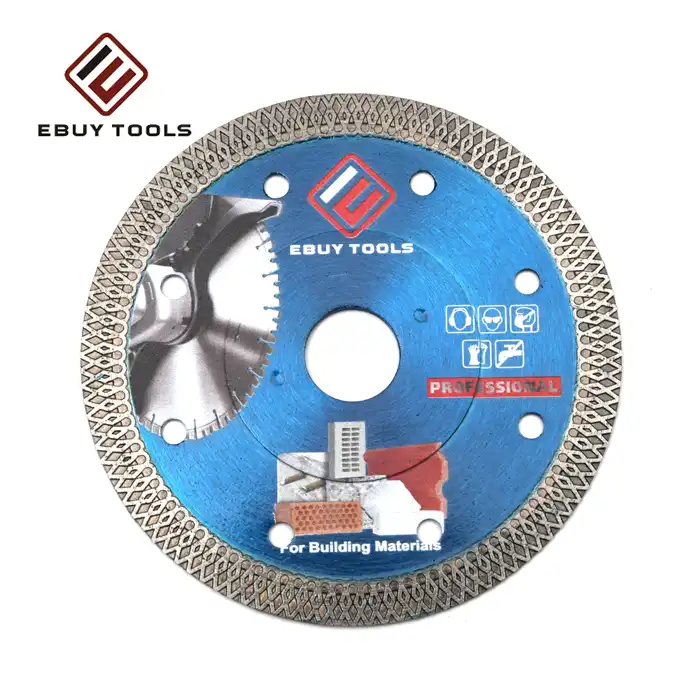
When cutting ceramic tile and porcelain, you need continuous diamond saw blade setups that get rid of the impact vibrations that come from segmented designs. The unbroken rim keeps the contact pressure steady, which stops the tiny cracks that show up as chipping along the sides that have been cut. To work with the extreme hardness of current ceramic formulations, these uses almost always need wet cutting.
Comparison with Alternative Cutting Technologies
In terms of tool life, diamond saw blades last 50 to 100 times longer than rough wheels when cutting hard materials, but you have to cut a lot of things to make up for the higher starting cost. Carbide-tipped blades can still cut softwoods and non-ferrous metals, but they aren't hard enough for stone, concrete, or solid steel. A big part of the choice is usually whether your business cuts enough hard materials to make up for the cost of diamond saw blades by cutting down on downtime and tool changes.
Procurement Considerations for Volume Buyers
When preparing to buy in bulk, we suggest looking at the total cost per square meter cut instead of just the unit price. Even though they cost 20 to 30 percent more at first, premium blades with higher diamond concentration and improved bond formulations usually last 40 to 60 percent longer before they need to be replaced. Different manufacturers offer very different warranty terms. Manufacturers who offer full coverage against segment loss, core bending, and rapid diamond depletion show that they are confident in the quality of their products.
When diamond saw blades are used in settings with constant production, supplier dependability is very important. Professional industrial suppliers are different from general tool distributors because they offer consistent batch quality, predictable wait times, and expert help for problems that are unique to an application. When working with private materials or special production needs, it's smart to build ties with makers who can make custom formulations.
How to Use and Maintain Diamond Saw Blades for Optimal Performance?
Proper working methods and routine repair schedules have a direct effect on how well blades work and how long they last. We wrote down these practices based on what precision machining shops with constant production plans told us.
Setup and Operational Best Practices
Before putting on a diamond saw blade, make sure that the arbor size fits perfectly and that the blade's highest RPM rate is at least 20% faster than the machine's working speed. Use a dial indicator to check the mounting lip for run-out. Too much wobble, greater than 0.002 inches, leads to uneven section wear and more material chipping caused by vibration.
When making the first cut, wait for the blade to reach full speed before putting it to work. Feed rates should be steady and reasonable. Forcing the cut can create too much heat, which can lead to bond glazing, a condition in which the metal matrix becomes polished and doesn't wear away, leaving diamonds trapped below the surface. If you have enough RPM but the blade isn't cutting as well as it used to, it probably needs to be dressed to reveal the diamond grit again.
Maintenance Procedures and Inspection Protocols
Cleaning on a regular basis gets rid of built-up debris that can get in the way of section cooling and waste evacuation. After cutting pieces while they are still wet, rinse them well so that mineral layers don't form as the water evaporates. Fine dust is made when you dry cut, and it gets stuck in the gullets. Compressed air successfully clears these channels, returning airflow that is necessary for temperature control.
Regular visual inspections done on a regular basis for diamond saw blade find problems before they get bad enough to break the blade. Look for section cracks that spread out from the gullet base. These cracks mean that the part is being loaded on one side too much or has been hit. Uneven section wear patterns suggest machine alignment problems or uneven feed pressure. Core discolouration, especially blueing around the arbor hole, is a sign of warming that may have damaged the core's temper and structural integrity.
Troubleshooting Common Performance Issues
When cutting surfaces get burning lines or darkening from blades, it's usually because they aren't cool enough or there is too much feed pressure. For wet cutting, slow down the feed rate and make sure there is enough water flow. For dry cutting, let the machine cool down more often between cuts. Glazing causes the blade to cut more slowly even though the RPM is set correctly. To remove the glazed bond layer, dress the blade by running it several times through a gritty dressing stick or concrete block.
Edge chipping problems are usually caused by either too much pressure from old machine bearings or the wrong choice of blade. Chipping in weak materials can often be fixed by switching from divided to continuous rim designs. Thermal cycling stress or a mismatch in the bond formulation can cause segments to break off too soon. Talk to your provider about other bond hardness choices that will work better with your material and cutting settings.
Advanced Insights: Technical Specifications and Performance Optimization
By knowing how the design parameters of a blade affect its cutting performance, you can use data to make your tooling standards and working methods better.
Bond Formulation and Diamond Concentration Effects
The makeup of the metal bond affects how fast the diamond wears away and how well it stays in place. Cobalt-based bonds are stronger at high temperatures and can be used for dry cutting, but they cost more than bronze-based bonds, which are usually used for wet cutting. Diamond concentration in the segment matrix is usually between 25 and 50 percent by volume. Higher concentrations make the blade last longer and improve the finish on the surface, but they also need more motor power and make more heat per unit time.
It is believed that bond hardness and material abrasiveness are related in the opposite way. For diamond exposure, highly abrasive materials like concrete and asphalt need stronger bonds that don't wear down too quickly, while non-abrasive hard materials like glass and porcelain need weaker bonds that wear away easily. If you don't match these factors correctly, you'll either get fast section wear or glazing, which both make cutting much less efficient.
Optimizing Operating Parameters
When you choose an RPM, you have to find a mix between cutting speed, heat production, and surface finish needs. The formula for peripheral speed is width times pi times RPM split by 60. This gives you the surface speed in meters per second. Between 30 and 45 meters per second is the best speed for most diamond saw blade uses. Lower speeds work best for accurate cuts on harder materials that don't need much chipping, while higher speeds make more cuts possible on softer materials while still letting you control the heat.
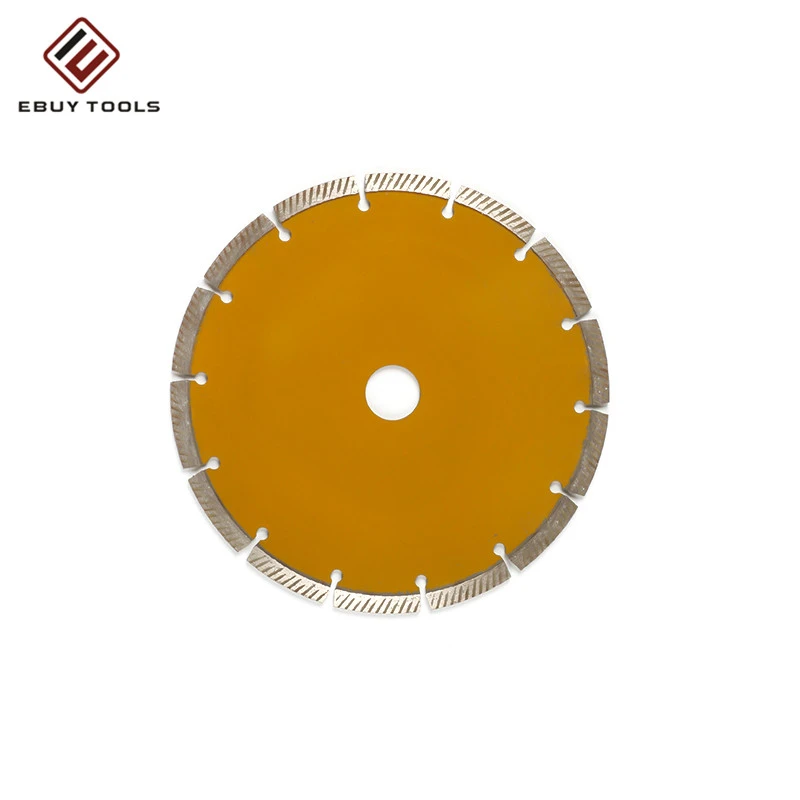
The designs of turbo diamond saw blades are a technical balance between continuous and segmented shapes. The serrated continuous rim has cooling lines instead of the impact gaps that come with segmented blades. It makes cuts that are smoother than segmented designs and works faster than regular continuous rims. This shape works especially well for brickwork and medium-hard stone work, where both cutting speed and end quality are important.
Emerging Technology and Innovation Trends
Recently made improvements to the way soldering diamond saw blades are made have made them much better at cutting metal. Vacuum brazing technology forms chemical metallurgical ties between diamond particles and the steel base. This makes it possible for 70 to 80% of the diamond to be exposed, compared to 40 to 50% in sintered blades. This arrangement gets rid of the glazing effect that happens with most metal links and lets you cut very quickly without using much friction heat.
Environmental factors are becoming more and more important in blade design. Laser-welded pieces lower the amount of zinc that is usually used in silver brazing, which meets air quality standards in factories that are closed off. When you combine water recycling systems with wet cutting, you reduce the damage you do to the environment while still getting the thermal management benefits you need for working with heat-sensitive materials.
Procuring Diamond Saw Blades: Trusted Brands and Supplier Guide
Building ties with dependable makers and distributors will help you get regular quality and quick technical support as you run your production.
Evaluating Manufacturer Reputation and Product Quality
Well-known names like DeWalt, Bosch, and Makita keep a lot of different tools for general building and light industrial use. Their blades are reliable for standard materials and are priced competitively. They are also backed by large delivery networks that make sure the products are always available. Some companies, like Hilti and Stihl, make professional-grade tools for tough jobs. These tools have better performance and are made in ways that are best for those jobs.
When looking for diamond saw blades for high-volume production or precise cutting, we suggest looking at companies that have dedicated R&D departments and quality management systems that are ISO-certified. Usually, these businesses offer custom formulation services that make blade standards work best with special materials or specific production needs. This gives performance benefits that can't be found in off-the-shelf goods.
Selecting Distribution Partners and Wholesale Suppliers
Authorized sellers offer warranty support, expert advice, and original new parts that keep equipment performing at a high level. Regional wholesalers usually keep a wider range of goods in stock than retail stores do. This lets them meet urgent repair needs that would have to stop production otherwise. When a company uses more than a few hundred blades a year, it makes economic sense to form a wholesale relationship because volume price lowers the cost per unit by a large amount.
Professional industrial sellers are different from commodity distributors because they offer help after the sale. Technical reps who understand your application needs can suggest the best blade specs, fix performance problems, and help with the creation of custom products when standard ones don't work. This relationship of consulting is especially helpful when moving into new types of materials or increasing the size of production activities.
Strategies for Custom and High-Volume Ordering
When you buy in bulk, you can change the specifications so that the blades' properties exactly match your production needs. Customized diamond mesh sizes, segment geometries, and bond formulas improve performance for certain types of materials and cutting situations. For custom specs, the minimum order quantity is usually around 500 pieces, though some makers can do smaller runs for testing and prototyping.
Negotiating good payment terms and setting up blanket purchase orders with planned releases are two ways to keep inventory costs low and supply going strong. Before blades go into production, quality assurance plans should include inbound inspection steps that check for important specs like section height, diamond concentration, and core flatness. For aircraft and medical device manufacturing, documentation needs may mean that providers need to be able to track batches and certify materials.
Conclusion
To master diamond saw blade technology, you need to know how the properties of the material, the specs of the blade, and the working conditions all work together in complicated ways. Every choice you make affects the overall cost of ownership, the quality of the cut, and the speed of the cutting. This includes choosing the right rim configurations and bond formulations and following regular repair plans. Manufacturing processes are always changing, especially improvements in soldering technology and bond chemistry, which makes them more useful and better for the environment. Whether you make complex aircraft parts or a lot of cars, taking the time to choose the right blades and make sure they work best will pay off in the form of longer tool life, less downtime, and better quality products.
FAQ
What materials can diamond saw blades effectively cut?
Diamond saw blades can cut through concrete, granite, marble, glass, asphalt, hardened steel, stainless metals, titanium, and composite materials, among other hard things. The right blade for the job depends on how hard and abrasive the material is. Soft bonds work best on hard, non-abrasive materials, while hard bonds work best on soft, abrasive materials.
What distinguishes wet cutting from dry cutting blades?
Wet cutting blades need a steady flow of water to cool them down and remove dirt. They usually have continuous ends for smooth finishes. Dry cutting blades have special high-temperature links and segmented or turbo designs that let air cool them without using liquid coolant. This makes them useful for job sites where using water isn't possible.
How often should diamond blades be replaced in industrial applications?
How often you need to replace it depends on the hardness of the material, the cutting volume, and the working conditions. Keep an eye on the segment height and change the blades when the segments are worn down to two to three millimeters. Tracking the number of square meters cut by each blade creates a standard of performance data that shows signs of early wear and suggests ways to improve the application.
Partner with Ebuy Tools for Premium Diamond Saw Blade Solutions
Ebuy Tools manufactures high-performance diamond saw blades designed for tough metalworking, aircraft cutting, and precision industrial tasks. Our 77,000-square-meter facility makes about 150,000 diamond saw blades every day, making sure that high-volume businesses around the world always have what they need. We are experts in hot pressing and soldering technologies that keep diamonds in place better and make tools last longer in a wide range of cutting tasks. Our research and development team works directly with clients to create unique formulas that are best for their products and production needs. If you need chip-free ceramic cuts with continuous rim blades, turbo configurations for masonry work, or brazed segments for metal manufacturing, our technical experts can help. They will make suggestions based on your specific needs, and they will back them up with strict quality assurance processes. Contact our team at [email protected] to talk about your needs with an experienced diamond saw blade maker that wants to improve your cutting operations through careful engineering and quick customer service.
References
Jackson, M. & Roberts, P. (2021). Diamond Tool Technology: Materials Science and Manufacturing Processes. Industrial Press.
Chen, W. (2020). Comparative Analysis of Sintered versus Brazed Diamond Segments in Hard Material Cutting. Journal of Manufacturing Science and Engineering, 142(8), 081-095.
Thompson, R. & Davidson, K. (2022). Precision Cutting Tools for Advanced Manufacturing: Selection and Optimization. McGraw-Hill Professional.
International Diamond Tool Manufacturers Association. (2023). Technical Standards for Diamond Saw Blade Performance Testing. IDTMA Publishing.
Williams, J. (2019). Bond Formulation Effects on Diamond Retention and Cutting Efficiency in Superabrasive Tools. International Journal of Machine Tools and Manufacture, 138, 72-89.
Morrison, L. & Zhang, H. (2022). Industrial Diamond Applications: From Cutting Tools to Precision Machining. Springer Publishing.