.webp)

Choosing between HSS, Cobalt, and Carbide drill bits depends on your specific application requirements and budget. High Speed Steel Twist Drill Bits offer exceptional versatility and cost-effectiveness for general metalworking, combining reliable performance with resharpening capability. Cobalt-enriched variants provide superior heat resistance for drilling hardened steels and superalloys. Carbide bits deliver unmatched hardness and cutting speeds but sacrifice toughness in low-rigidity setups. For most precision machining shops and contract manufacturers, HSS with proper coatings represents the optimal balance of performance, economy, and flexibility across diverse materials and production volumes.
Introduction
The drill bit you choose has a direct effect on how well your shop works, how much it costs to run, and the quality of your work as a whole. Whether you're in charge of a high-volume auto parts factory, a precision aerospace machining center, or a flexible job shop, the type of material your drilling tools are made of affects everything from cycle times to how often you need to replace them. When procurement managers look at the total cost of ownership instead of just the initial investment, this choice becomes even more important.
It's not about picking a clear winner between High Speed Steel, Cobalt-alloyed HSS, and Carbide drill bits; it's about finding the right material properties for your specific needs. Each material has its own metallurgical benefits that make it better for certain types of workpieces, industrial conditions, and performance needs. By knowing these differences, you can make buying choices that meet the needs of both your current job and your long-term planning goals.
This in-depth study breaks down the technical features, usefulness in different situations, and cost factors related to these three main types of drill bits. We'll look at real-world performance data, maintenance needs, and buying strategies that help metalworking professionals get the most out of their tool investments while keeping production standards high enough to compete.
Understanding High Speed Steel (HSS) Drill Bits
High Speed Steel is the basic material for industrial drilling. It was created more than one hundred years ago to fix problems with carbon steel tools. The term "high speed" refers to the material's ability to keep its cutting edge at high temperatures, specifically its ability to keep its hardness ratings of 63–65 HRC even when it's working at 600°C. This "red hardness" comes from an alloy that is carefully balanced and has tungsten, molybdenum, chromium, and vanadium in it.
Metallurgical Composition and Performance Characteristics
Standard M2 grade HSS contains 6% tungsten, 5% molybdenum, 4% chromium, and 2% vanadium. Combining these two factors creates a microstructure with equally distributed carbides in a strong steel matrix. This creates a material that can withstand rigorous cutting wear and mechanical stress from paused cuts or unstable setups. High Speed Steel can withstand vibration and pressure better other cutting materials. This is great for portable drilling or older backlash-prone equipment.
The 8.15 g/cm³ specific gravity provides sufficient bulk to reduce vibrations while maintaining a manageable weight for hand-held operation. Titanium Nitride coating and other surface treatments provide a low-friction barrier that extends tool life by 25–30%. These coatings also prevent drill bits from adhering on austenitic stainless steels.
Economic Advantages and Resharpening Capability
Procurement managers who are frugal favour High Speed Steel because of its price-to-performance ratio in modest output. Re-sharpening High Speed Steel Twist Drill Bits is an economic advantage in addition to reducing initial expenses. When coated carbide tools lose their coating, they cease functioning. Regular tool and cutter grinders may reground High Speed Steel Twist Drill Bits, extending their lifespan. This capability reduces total cost of ownership significantly in workplaces using basic cutting equipment.
Flexible High Speed Steel is ideal for firms that create prototypes, custom orders, or mixed batches. Twist drill bits work on mild steel, aluminium alloys, brass, and soft plastics, so you don't need separate sets. This helps monitor supplies and switch between tasks faster.
Operational Limitations and Transition Points
Standard High Speed Steel Twist Drill Bits are helpful, but they do not function well with work-hardening materials like Inconel or when manufacturing requires rapid material removal. Because the cutting temperature can't exceed 600°C, cutting rates are slower than with carbides. These speed limitations are economically relevant in high-volume manufacturing environments where cycle time affects profitability. Standard High Speed Steel doesn't drill pre-hardened tool steels or titanium alloys, thus higher-cobalt alternatives should be considered.
Comparing Cobalt, Carbide, and HSS Drill Bits: Material and Performance Analysis
The main difference between these three groups is how their metals are structured and how stable they are at high temperatures. Standard High Speed Steel has balanced qualities that make it good for most uses. Cobalt-alloyed High Speed Steel adds more heat protection for tough materials, and carbide gives you extreme hardness at the cost of toughness.
Heat Resistance and Cutting Speed Capabilities
M35 (5% cobalt) and M42 (8% cobalt) High Speed Steel increases the red hardness threshold to 650°C. When drilling materials that harden during machining or generate too much cutting heat, this modest temperature increase has enormous practical advantages. Addition of cobalt increases carbide structure and heat resistance. This speeds up cutting or extends tool usage in challenging settings.
Carbide drill bits function well over 800°C because they are formed of tungsten carbide particles linked in cobalt. Sometimes you can cut two to three times quicker than using High Speed Steel. When drilling difficult materials, carbide's cutting blades last longer since it's so hard (90 to 92 HRA). Manufacturers who aim to maximise productivity in stable, inflexible machine centers like this speed advantage.
Durability and Tool Life Comparison
Tool life varies per work, but there are certain universal characteristics. High Speed Steel Twist Drill Bits can drill 200 to 300 holes before needing sharpening if you drill mild steel as directed. With the same circumstances, cobalt-alloyed versions may reach 400–600 holes, and coated versions beyond. With the correct materials, carbide bits can drill many thousand holes before wearing out.
The workpiece material, drilling settings, and setup rigidity affect these figures. Drilling austenitic stainless steel, which hardens and generates heat, is better with Cobalt High Speed Steel. However, carbide's hardness promotes microchipping, making it less effective. The lesson for procurement experts is to match tool qualities to application demands rather than thinking one material would work in all cases.
Brittleness and Shock Resistance Considerations
Carbide is hard yet fragil and readily destroyed by shock loads. Interrupted cuts, cross-hole drilling, or clamping an unstable item may shatter carbide drill bits fatally. Due to its fragility, carbide is unsuitable for structural steel, field repairs, and magnetic base drills and portable instruments that shake and deflect.
Where carbide drill bits fail, High Speed Steel Twist Drill Bits perform well. The robust steel matrix flexes slightly when pressured but does not break. Full-scale machine maintenance technicians love this capability since they can drill thru unexpected hard areas or open portions without destroying the instrument. This damage tolerance ensures the tool works well and costs less to repair in an emergency.
Procurement Considerations: How to Choose the Right Drill Bit for Your Business
A good drill bit purchase includes more than just comparing technical specs. It also includes looking at the total cost, making sure the supplier is reliable, and making sure the priorities of the operation are met. Depending on the volume of production, the type of materials used, and the quality standards, each manufacturing setting needs its own set of selection factors.
Segmenting Selection by Production Environment
Automotive part manufacturers need consistency and speed. For repetitive drilling activities, they justify carbide tools. The increased initial cost doesn't matter over tens of thousands of holes, particularly when lower cycle times make the instruments more helpful. Most use stiff CNC machining centers to maintain carbide's steady environment.
Job shops and contractors face distinct pressures. Materials need equipment that deal with aluminium, steel, stainless steel, and plastics without requiring specialised inventory. High Speed Steel or TiN-coated kinds are cost-effective for smaller batches. In bespoke orders, resharpening is important since tool costs can't be spread out across multiple manufacturing runs.
Aerospace and precision engineering want clean surfaces and exact measurements when drilling titanium or Inconel. High Speed Steel Twist Drill Bits with TiAlN coatings provide heat and wear resistance without having carbide break while drilling thin walls or producing fastener holes near parts' edges.
Total Cost of Ownership Analysis
The economics of drilling tools go beyond their price. A complete cost study considers tool life expectancy, resharpening frequency and cost, machine downtime for tool changes, and quality losses from worn tooling. In moderate-volume operations, High Speed Steel Twist Drill Bits offer better overall cost profiles than carbide bits but cost more per hole in ideal circumstances.
Bulk purchase from well-known firms boosts the economy. With bulk agreements, you may receive cheaper costs and ensure consistent quality, which is crucial for process stability. Suppliers with a lot of stock, such factories that can create 150,000 pieces per day, reduce lead times and allow you to manage inventory just-in-time, preventing tooling stockpiles from stifling working capital.
Supplier Qualification and Quality Assurance
Quality-controlled and international-standard enterprises should be prioritised while sourcing. For hole limitations, DIN 338, ASME B94.11M, or comparable drill bits provide consistent diameters. Ensure your suppliers do hardness, concentricity, and microstructure tests.
Supplier revenue affects order delivery reliability. The infrastructure of a 77,000-square-meter facility with 319 competent personnel can handle massive volumes of commodities while maintaining quality. When creating long-term supplier agreements, this scale displays financial stability and process efficiency. A corporation with in-house R&D is committed to improving goods and generating unique solutions when regular items don't match application demands.
Practical Tips: Using and Maintaining Your Drill Bits for Maximum ROI
To get the best performance out of your drill bits, you need to pay attention to the working settings, do regular maintenance, and store them in an organized way. They have a direct effect on the life of the tool, the quality of the holes, and the overall efficiency of production.
Operating Parameters for Different Materials
Cutting speed and feed rate have a big effect on both the quality of the hole and the life of the tool. When drilling mild steel, High Speed Steel Twist Drill Bits work best at surface speeds of 60 to 80 feet per minute and feed rates of 0.004 to 0.008 inches per turn, based on the size of the hole. To drill through harder materials like 4140 pre-hardened steel, speeds must be slowed down to 40 to 50 feet per minute and cobalt-alloyed bits must be used to make up for the extra heat that is created.
Using coolant to control cutting temperatures and get rid of chips greatly increases the life of tools. In CNC machining centers, flood coolant works well, but through-tool coolant supply works best for deep hole drills. When cooling systems aren't available, tools must be protected against early failure by using cutting oil that is applied by hand or peck drilling processes that let heat escape.
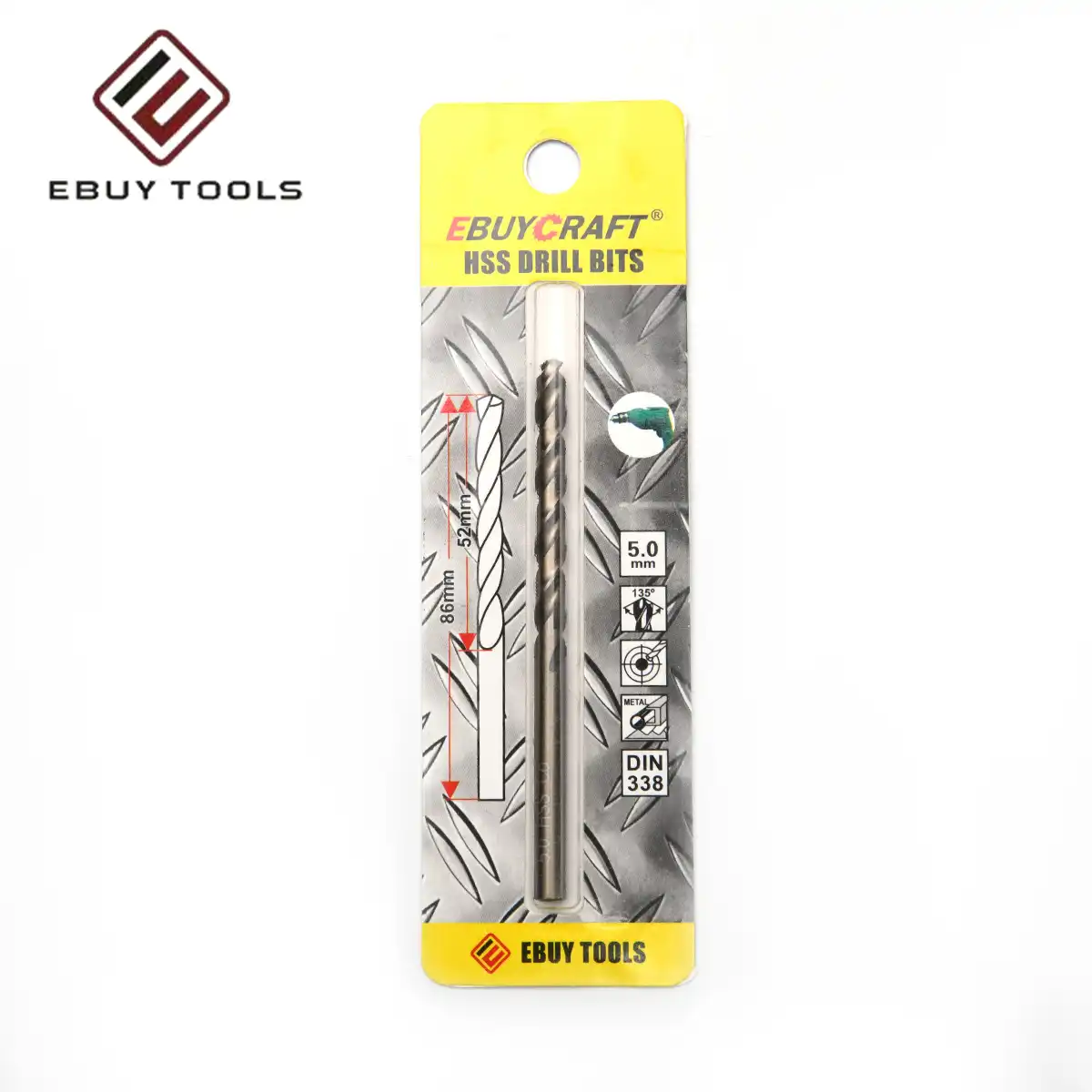
High-quality drill bits have a 135-degree split point design that makes them self-centering and lessens the need to walk on workpiece surfaces. This design gets rid of the need for center punching in most situations, which boosts productivity and guarantees precise positioning. The split point also lowers thrust forces by about 30% compared to regular 118-degree points. This makes both the tool and machine spindle bearings last longer.
Resharpening Protocols and Maintenance Routines
Unlike carbide or heavily coated bits, High Speed Steel Twist Drill Bits can be used more than once and still be cost-effective. To avoid larger holes and higher thrust loads, grinding should return the point angle to its original position and keep the cutting lips equal. As material is taken off the point, the web gets a little thicker with each resharpening. Eventually, the web needs to be thinned to keep the right cutting geometry.
By using systematic tool inspection protocols, you can stop quality problems caused by worn tools. Based on the amount of work being done, the cutting edges should be inspected visually every so often for chipped edges, too much flank wear, or built-up edge formation. By checking the size of the holes every so often during production, you can catch tool wear that's happening over time before parts stop meeting specifications.
When tools are stored correctly, they don't get damaged or rust, which shortens their useful life. Drill bits should be stored in separate compartments or protective sleeves so that the cutting edges don't touch each other. Keeping tools in a climate-controlled space with humidity control stops them from rusting if they are not covered or only lightly coated. Keeping tool boxes neat also cuts down on setup time and stops workers from using old or broken bits because they can't find sharp replacements quickly.
Case Studies & Reviews: Real-World Insights From Industry Users
Observing real-world implementations provides more than academic data on effectiveness. Manufacturers across sectors have seen gains from strategic drill bit selection and procurement optimisation.
High Speed Steel Twist Drill Bits coated with TiN were used for all drilling jobs by a medium-sized auto parts vendor that builds gearbox housings from aluminium moulds. The coating simplified chip welding to cutting edges. While drilling metal at production rates, this continued occurring. This reduced tool changes by 35% and improved surface quality enough to eliminate a second deburring process for certain hole features. Within the first production quarter, decreased labour expenses and increased throughput made up for coated bits' 40% higher cost, according to the production manager.
Aviator frame repair firm preserved records of their conversion from High Speed Steel Twist Drill Bits to M35 cobalt drill bits for titanium alloy constructions. For rivet holes in 6Al-4V titanium sheet material, cobalt-alloyed tools' heat endurance was crucial. Standard High Speed Steel bits' cutting edges heat up rapidly because titanium conducts heat poorly. Cobalt blades lasted three times longer, reducing tool costs and aeroplane downtime. Because carbide may break easily while cutting tiny, vibrating sheets of material, the maintenance supervisor rejected them.
We offer standard, cobalt, and carbide drill bits for every application at a precision machine shop that serves various industries. They employ a decision matrix to pick materials based on the material, quantity, and restrictions, according to their buying manager. In order to save costs, prototypes and short runs utilise standard high speed steel. Special high-volume procedures in stable materials are worth the investment in carbides. Methodical tool cost reduction of 22% a year and enhanced tool life for all product categories were achieved.
These examples illustrate that choosing tools should be based on each operating context rather than aiming to fit everyone. Good procurement managers use material science, production economics, and field performance data to pick drill bits.
Conclusion
When choosing between HSS, Cobalt, and Carbide drill bits, you can't just say which one is better. Each type of material has its own benefits that are based on practical needs, output volumes, and the features of the workpiece. High Speed Steel Twist Drill Bits are the most useful and cost-effective tool for general drilling, especially when used with current surface treatments and the right way to operate. Cobalt-enriched versions work better with difficult materials that produce too much heat, while carbide is best for stable, high-volume operations where extreme hardness is acceptable. To be successful at procurement, you need to match the properties of these materials to the drilling uses at your plant, follow the right maintenance procedures, and work with providers who can show they can make high-quality products and deliver on time.
FAQ
1. What determines whether I should choose cobalt over standard HSS drill bits?
This choice is based on how hard the material is and how much heat it makes when it is drilled. Standard High Speed Steel cutting edges become softer when they come into contact with workpieces that are harder than about 35 HRC. This includes pre-hardened tool steels, stainless steels, and titanium alloys. Adding cobalt keeps the hardness at these high temperatures, which makes tools last a lot longer. When drilling these tough materials over and over in a production setting, the difference in performance is most noticeable. This is because the higher initial investment leads to lower per-hole costs through longer service intervals.
2. Can carbide drill bits be sharpened again like HSS versions?
Technically, carbide drill bits can be reground, but most users can't afford to do so because it requires special diamond grinding wheels and careful geometry control. Because carbide is so weak, grinding it needs to take very little material while keeping accurate angles, which requires high-tech tools. Also, coated carbide bits lose their performance edge when the treatment on the surface is ground off. Most shops throw away carbide tools after a while and buy new ones instead of sharpening worn ones.
3. How do surface coatings affect drill bit selection and performance?
Titanium Nitride or Titanium Aluminum Nitride coatings make a hard, low-friction barrier that keeps tools from wearing out as quickly and lets them cut at higher speeds. TiN coatings make the surface harder (up to about 2500 HV) and lower the friction coefficient (below 0.4), which stops chip welding and lowers the amount of heat that is made. These processes are especially good for High Speed Steel Twist Drill Bits substrates because they improve their performance while keeping the hardness of the base material. When choosing between coated and uncoated choices, keep in mind that the costs of coating are usually met by longer tool life in moderate production numbers.
Partner With Ebuy Tools for Professional Drilling Solutions
Choosing the best material for the drill bit is only the first step in optimizing the tools. At Ebuy Tools, we make precise High Speed Steel Twist Drill Bits that are designed to work in tough industrial settings like metalworking, automotive, aerospace, and general manufacturing. Our 77,000-square-meter production plant makes 150,000 pieces every day, so we can reliably meet the needs of both big buyers and ongoing production.
Our High Speed Steel Twist Drill Bits have 135-degree split points that stop walking and lower thrust loads. They also have precision-ground helix angles that make chip evacuation easier and TiN/TiAlN coatings that can be added to extend their useful life. Following DIN 338 and ASME standards, each bit goes through strict quality control. Hardness checks, concentricity tests, and dimensional inspections make sure that the performance is always the same. Whether you need normal M2 grade for general machining or M35/M42 cobalt versions for hardened materials, our expert team can help you find the best solution for your needs, balancing cost and performance.
As an experienced maker of High Speed Steel Twist Drill Bits for precision machine shops, original equipment manufacturers (OEMs), and distributors all over North America, we know that a reliable tooling partnership includes more than just high-quality products. It also includes quick technical support and on-time delivery. Contact our team at [email protected] to talk about your unique drilling needs and get personalized suggestions based on our decades of manufacturing experience and knowledge of metals. Visit ebuy-tools.com to see our full line of cutting tools and learn how our production capabilities can help your business succeed.
References
1. Roberts, G.A., Krauss, G., & Kennedy, R. (1998). Tool Steels: Fifth Edition. ASM International, Materials Park, Ohio.
2. Stephenson, D.A. & Agapiou, J.S. (2016). Metal Cutting Theory and Practice: Third Edition. CRC Press, Boca Raton, Florida.
3. Trent, E.M. & Wright, P.K. (2000). Metal Cutting: Fourth Edition. Butterworth-Heinemann, Oxford, United Kingdom.
4. Shaw, M.C. (2005). Metal Cutting Principles: Second Edition. Oxford University Press, New York.
5. Astakhov, V.P. (2006). Tribology of Metal Cutting. Elsevier Science, London, United Kingdom.
6. American Society of Mechanical Engineers (2020). ASME B94.11M: Twist Drills - Performance Standard. ASME International, New York.