.webp)

For optimal operational efficiency, it is important to know what an HSS step drill bit can do when choosing cutting tools for precise woodworking. These cylindrical cutting tools change the way multi-diameter drilling is done by mixing different hole sizes into a single process. This means that tools don't have to be changed as often, which speeds up production lines. With their special stepped geometry and self-centering split-point design, these bits make holes that are free of burrs in steel, aluminum, and stainless steel. They also cut down on the cost of tool inventory and the time it takes to set up in tough production settings.
Understanding HSS Step Drill Bits: Features and Benefits
What Makes Step Drill Bits Different from Traditional Twist Drills
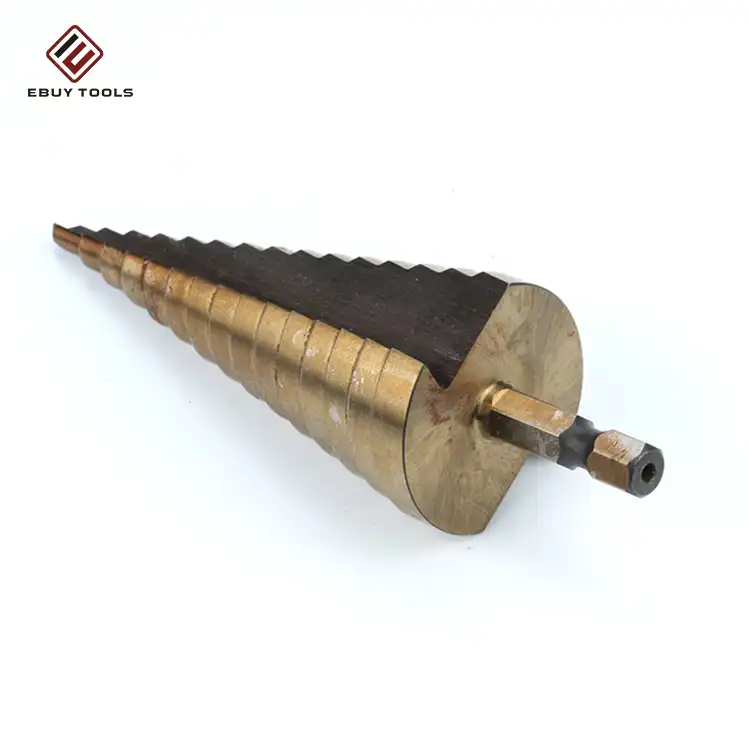
The stepped drill bit is different because it has a conical shape with thickness changes that happen in steps along the cutting length. Instead of just making one size of hole like most twist drills do, this one has different drilling widths from 4mm to 32mm built into it. The 118° split-point shape gets rid of the need for center drilling, which stops bits from "walking" across smooth metal surfaces when they first touch them.
At Danyang Ebuy Tools, we use HSS 4241 tool steel that has been heat-treated to 62–64 HRC hardness in our manufacturing process. This makes sure that the cutting edges stay sharp even after long production runs. The circular flute design makes it easier for metal chips to escape, which stops the buildup of heat that usually leads to early tool failure in continuous operations. This engineering solves a major problem in sheet metal fabrication: keeping holes straight and edges smooth has a direct effect on the accuracy of the assembly.
Core Advantages for Manufacturing Operations
When you look at how tools are managed in busy machine shops, you can see how stepped drill technology saves money. One 15-step bit can be used instead of a whole set of twist drills, which saves money on equipment and time spent looking for the right sizes. The triangular shank keeps the chuck from slipping during high-torque tasks. This is especially helpful when drilling tough stainless steel or structural parts for cars.
Another defining trait is the ability to work with different kinds of materials. Without having to change bits, these bits work effectively on industrial plastics, non-ferrous metals like brass and copper, and steel materials like stainless steel. The automatic deburring action that happens during drilling gets rid of the need for extra finishing steps. This saves money on labor and keeps the work flow going smoothly. When precision machining shops switch to step drill technology for their sheet metal jobs, they've been able to cut their drilling cycle times by about 40%.
Material Performance and Tool Longevity
The balanced performance qualities of high-speed steel make it useful in a wide range of industrial settings. The M2 grade is very tough and good for working with metal in general. The cobalt-enhanced M35 grades are even tougher and better at withstanding heat, which is needed for long drilling in stainless steel. When our professional-grade bits are coated with TiN, the friction coefficient drops below 0.4. This lowers cutting temperatures by a large amount and increases tool life in dry grinding conditions.
The right choice of material and working conditions directly affect how long a tool lasts. When drilling mild steel at the suggested speeds, coated step bits usually last three to six times longer than bare ones before they wear down and need to be replaced. This longevity means that you can plan your production budget around known tool costs, and it also cuts down on unplanned downtime caused by bits breaking during important production runs.
How to Select the Right HSS Step Drill Bit: A Decision Support Guide
Assessing Your Drilling Requirements
To choose the right tools, you should first look at the types of materials and width ranges that you usually work with. When working with 16-gauge to 10-gauge steel for sheet metal production, the rules are different from when drilling cast aluminum housings or polycarbonate electrical boxes. The range of hole sizes you can make without switching tools depends on the number of steps. For tasks that need the most freedom, 15-step setups are perfect.
Whether you need normal or premium-grade bits depends on how precise the holes you need to be. When making HVAC ducts, tolerances may be a little wider, but when making aircraft parts, concentricity standards must be much tighter, usually within 0.05mm. By looking at how much drilling you do each year, you can figure out if buying cobalt-alloyed or carbide-tipped versions is cheaper overall than normal HSS choices, which may need to be replaced more often.
Comparing Material Grades and Coating Options
Knowing the mechanical differences between types of tool steel keeps tools from not being able to meet the needs of an application, which can be very expensive. Standard HSS 4241 works well enough for metal, brass, and plastics, but it has trouble with materials that harden over time. The HSS step drill bit offers a stepped geometry that helps with gradual cutting, yet it shares the same thermal limits as standard HSS. The M35 cobalt metal stays hard at high temperatures, which is important when drilling stainless steel types that produce a lot of heat and don't cut easily.
Coating technology has a big effect on how well things work in production settings. Titanium nitride makes a gold-colored layer on the surface that is harder than 2500 Vickers. This makes it harder for chips to stick to cutting edges. Titanium aluminum nitride coats are better at resisting rusting at temperatures above 800°C, which makes high-speed tools last longer. Uncoated bits are cheaper at first, but they may end up costing more in the long run if they need to be replaced more often or if production is interrupted.
Evaluating Suppliers and Procurement Strategies
Reliable supply partnerships make sure that tools are always available and of good quality, which helps keep production plans on track. Like our Danyang operation, which makes more than 150,000 cutting tools every day, other factories keep extra tools in stock to avoid delays caused by backorders during times of high demand. When a provider has its own research and development team, it shows that it is committed to constant improvement and making custom tools for specific uses.
Buying in bulk has benefits for buyers that go beyond lowering unit costs. When you work with a favorite provider, you may be able to get expert help with drilling problems, step configurations that are made to fit your unique hole size needs, and faster delivery during supply chain disruptions. Checking suppliers based on how much they make, their quality certifications, and how quickly they respond to unique requests can help you build relationships that will last for a long time.
Maintenance and Usage Best Practices for Optimal Performance
Operating Parameters for Different Materials
Different types of workpieces have different drill speeds that affect how long the tools last and how well the holes are made. Mild steel works best at 1000–1500 RPM for smaller diameter steps, while stainless steel needs much slower speeds, around 400–600 RPM, to keep the work from getting too hard and too much heat from being produced. It is important to use cutting fluid when working with stainless steel because dry cutting quickly dulls the edge and could cause heat damage to both the tool and the object.
Feed pressure needs to be carefully changed based on the width and strength of the material. When sawing through thin sheets of metal, using too much force can deform the metal and leave behind burrs. On the other hand, using too little pressure on thick parts will create friction heat that doesn't cut well. Operators should keep the pressure steady and mild so that chips keep forming instead of dust-like particles that show grinding instead of cutting.
Extending Tool Life Through Proper Care
Cleaning tools on a regular basis gets rid of metal bits and cutting fluid leftovers that speed up the rusting process on their surfaces. Wiping bits down with a solvent-soaked cloth after each use and covering them with a thin layer of protection oil stops rust from forming while they are being stored. When tools are stored properly in their own cases, they don't get damaged when they come into contact with other tools. This keeps the cutting shape sharp, which is necessary for making clean holes.
Routine inspections find wear patterns before they damage the quality of the hole or cause it to fail completely. By looking at cutting edges through a microscope, you can see early signs of dulling, chipping, or heat damage that mean the blade needs to be replaced or resharpened. HSS step drill bit bits can be reground, but to keep the original shape, you need special tools. For most tasks, it's better to just replace them. Keeping track of the number of hours and holes used for each bit helps you figure out when to replace them and stops problems with quality that come from using old tools.
Troubleshooting Common Drilling Problems
Too much speed, worn cutting edges, or not enough pressure on the workpiece are the main reasons why bits make holes that are too big or too round. Lowering the RPM and holding the materials tightly against movement usually fixes these problems. Burning or staining around holes means that either too little cutting fluid was used or the speed was too high for the material's temperature limits. The parameters need to be changed right away to avoid work hardening, which makes drilling almost impossible afterward.
Lateral forces during drilling often cause bits to break too soon, especially when workers try to make holes bigger without first preparing a sample hole. Starting with a smaller pilot hole that is the same diameter as the bit's tip keeps the cutting action stable as bigger steps are taken into the material. If there is chattering or shaking during operation, it means that the setup is not stiff enough. To get rid of the resonance that is causing poor surface finish and faster tool wear, the workpiece needs to be stabilized or the machine spindle needs to be inspected.
Comparing HSS Step Drill Bits with Other Drill Bit Types
HSS Versus Cobalt-Enhanced Variants
Standard high-speed steel works well for most welding tasks that involve working with soft materials like mild carbon steels, aluminum alloys, brass, and copper. The makeup of M2 is a good mix of hardness and toughness. It doesn't chip when drilling normally, and it's still affordable for jobs where replacing tools often is okay. Job shops that work on a variety of projects should use this grade because it is versatile enough to work with different materials and doesn't need to be the best at any one job.
Cobalt-alloyed step bits with 5–8% cobalt have better red hardness and keep their cutting edge at temperatures where regular HSS starts to soften. When drilling into hardened metals and stainless steel types that produce a lot of heat during cutting, this property is very important. The better resistance to wear means that replacements can be put off longer in production settings. This makes up for the higher original investment by cutting down on downtime and making budgets more reliable. Cobalt types are necessary for aerospace shops that work with titanium metals or automakers that drill hardened chassis parts to keep production running smoothly.
Carbide-Tipped Options for Specialized Applications
Tungsten carbide cutting edges are very hard and don't wear down easily, so they are perfect for digging through hard materials like ceramic tiles, fiberglass-reinforced composites, and strong tool steels. The carbide tips stay sharp in situations where HSS cutting edges would quickly lose their sharpness. However, because they are weak, they can be chipped by contact or side forces. These bits usually cost a lot, but they work better than anything else in certain niche uses where no other tool material will do.
How expensive HSS and carbide are compared depends a lot on the application. Companies that only drill in rough materials can afford the higher cost of carbide because the tools last a lot longer. However, general metalworking shops that drill a variety of materials find HSS or cobalt versions to be more cost-effective because they have better toughness and balanced performance. Knowing the main materials of your workpieces and the number of them you make will help you choose the choice that will give you the lowest cost per hole over time.
Step Bits Versus Traditional Twist Drill Sets
When making holes of different sizes with conventional twist drill sets, you have to change the tools several times, which takes time away from production while the bits are being swapped out and the machine setup is being changed. Each change makes it more likely that the hole will not be positioned correctly and adds to the time needed to finish multi-diameter drilling jobs. The step bit combines this process into a single tool setup. This makes cycle times faster and positional accuracy better by getting rid of registering mistakes between drilling operations.
The benefits of managing stockpiles become clear in places where there is a lot of production. A complete twist drill set with bits ranging in diameter from 4mm to 32mm has dozens of separate bits that need to be stored in an organized way and have their inventories checked on a regular basis. One 15-step bit covers the same size range, takes up very little storage room, and gets rid of the frustration of missing sizes during important tasks. This makes things easier to handle tools and makes sure that the needed capability is always available when production plans call for quick action.
Top HSS Step Drill Bits on the Market in 2026: Ratings and Buying Tips
Evaluating Quality Indicators
Stepped drill bits made for professionals are different from cheaper versions in a number of ways. Accurate step height consistency makes sure that each diameter change meets specs within narrow ranges, which is very important for uses that need accurate hole sizes. The shape of the cutting edge should have clean, sharp flute edges that don't have any grinding marks or other flaws that make cutting less effective. HSS step drill bit designs benefit from these precise geometries, but only when manufactured to high standards. Premium makers use coatings that cover the whole cutting surface evenly, instead of coatings that only cover part of the surface, which causes performance differences.
Drilling stability and force transfer are directly affected by the quality of the shank design. Standard drill chucks can't rotate if the hexagonal shanks have exact flat measurements. This is important when using high cutting forces on thick materials. The connection point between the shank and the cutting body should have smooth changes without stress collection points that cause failures during tough operations. Reputable makers make it easy to compare different choices by giving clear information about the material grade and hardness.
Sourcing Strategies for B2B Procurement
For people who buy a lot, going directly to makers is much better than going through dealer networks. Direct buying gets rid of markups on the middlemen, lets you develop unique tools for specific uses, and makes sure that the most important jobs get done when supplies are low. Manufacturers with big factories can show that they have enough production capacity to meet rising demand without having to wait for materials to be allocated. Additionally, their research teams can come up with solutions that will solve the specific drilling problems you are facing in your applications.
When normal setups don't exactly meet your needs, being able to order in a way that fits your needs is useful. By choosing step levels based on your most common hole sizes, you can get rid of steps that aren't being used, which saves money on tool costs. Different makers have different minimum order amounts for custom configurations. This is why it's important to talk about your volume needs and expected delivery times with potential suppliers when you first start evaluating them. Forming partnerships with flexible makers gives you access to technical know-how and new tooling before they reach larger markets, which gives you a strategic edge.
Negotiating Bulk Purchases and Service Agreements
Volume pledge agreements save money and make sure that production processes always have the supplies they need. A lot of the time, annual purchase agreements include graduated price tiers that encourage customers to buy more from a single seller and guaranteed stock availability that protects against problems in the market. These agreements might include performance promises that spell out the minimum expected tool life. This way, if the goods delivered don't meet the agreed-upon standards, the parties can still work things out.
When you negotiate well, you should talk about more than just unit prices. You should also talk about access to expert support, faster shipping for pressing needs, and flexible payment terms that fit your cash flow cycles. Talking about your quality goals up front sets clear standards for performance, which keeps disagreements from happening later. Long-term suppliers usually offer application help to help you find the best drilling settings for your materials. This lowers your total cost of ownership by making your tools last longer and making them more productive.
Conclusion
When choosing the right step drill tools, you have to weigh the material's powers against the needs of the job and the cost. High-speed steel bits work well with a wide range of metals and plastics, and cobalt-enhanced versions work even better in tough stainless steel jobs. Knowing how different types of materials, coatings, and geometric shapes work in different situations helps you make buying choices that are in line with your production needs.
The HSS step drill bit represents a balanced option in this decision, offering versatility for general applications while still benefiting from proper material selection. The right way to use and take care of tools will make them last longer, lower their costs, and cause fewer problems. Building strategic ties with suppliers guarantees that you can get the right tools, expert help, and unique solutions to help you reach your manufacturing goals.
FAQ
Can HSS step drill bits effectively drill stainless steel materials?
Because stainless steel work-hardens and makes heat, standard HSS 4241 bits have a hard time cutting it. Stainless steel uses can use cobalt-enhanced M35 types that have 5% cobalt added to them to keep their cutting edge sharpness at high temperatures. When working with steel grades, operators must use cutting fluid and much slower speeds (around 400 to 600 RPM) to avoid heat damage and premature dulling.
How do I determine when step drill bits require replacement?
Key signs of wear can be seen with the naked eye, such as chipping, uneven step wear patterns, smooth cutting edges, or heat darkening. Performance loss shows up as more drilling force being needed, rough hole surfaces, holes that are too big, or burning around the edges of holes. Tracking the number of holes drilled by each bit sets a standard for when to replace the bit, but the real lifespan depends on the material, how it is used, and how well it is maintained.
What advantages do spiral flutes provide compared to straight flute designs?
Spiral flutes move chips out of the cutting zone more quickly, which keeps heat from building up and stops chip rewelding, which harms hole surfaces. This design makes the cutting action easier and less shaky, which improves the quality of the end. Straight flutes are easier to resharpen by hand, but they don't allow for as much chip clearance during operation. For professional industrial uses that value efficiency and hole quality, spiral configurations are better.
Partner with Ebuy Tools for Professional-Grade HSS Step Drill Bits
Enterprise-level drilling options made for tough machining tasks are available from Ebuy Tools. Our HSS step drill bit line has 15-step setups with width ranges from 4 to 32mm. They are made from heat-treated HSS 4241 steel that is 62 to 64 HRC hard, and TiN coatings can be added for better performance. Our 77,000-square-meter factory makes more than 150,000 pieces every day, so we can ensure a steady supply that will support your production plans. Our engineering team creates special drilling tools to solve your unique problems, and strict quality control makes sure that the tools always work well. Email our skilled staff at [email protected] to talk about large sales, special requests, and possible business partnerships. As a dedicated HSS step drill bit manufacturer, we offer reasonable prices, expert support, and quick service to help you run your business more efficiently.
References
1. Machinery's Handbook, 31st Edition, Industrial Press, "Drilling and Hole Making Operations," Tool Steel Properties and Applications Section.
2. American Society of Mechanical Engineers (ASME), "Guidelines for Precision Drilling in Sheet Metal Fabrication," Manufacturing Standards Publication, 2023.
3. Society of Manufacturing Engineers, "Cutting Tool Materials: Selection and Application," Technical Paper Series on High-Speed Steel Performance Characteristics.
4. National Tooling and Machining Association, "Best Practices for Drill Bit Maintenance and Optimization," Industry Technical Bulletin, 2024.
5. International Journal of Advanced Manufacturing Technology, "Comparative Analysis of Step Drill Bit Geometries in Multi-Diameter Drilling Operations," Volume 127, 2023.
6. Industrial Metalworking Technologies Review, "High-Speed Steel Alloy Development and Heat Treatment Protocols for Cutting Tool Applications," Annual Technical Review, 2024.
_1732239824901.webp)