.webp)

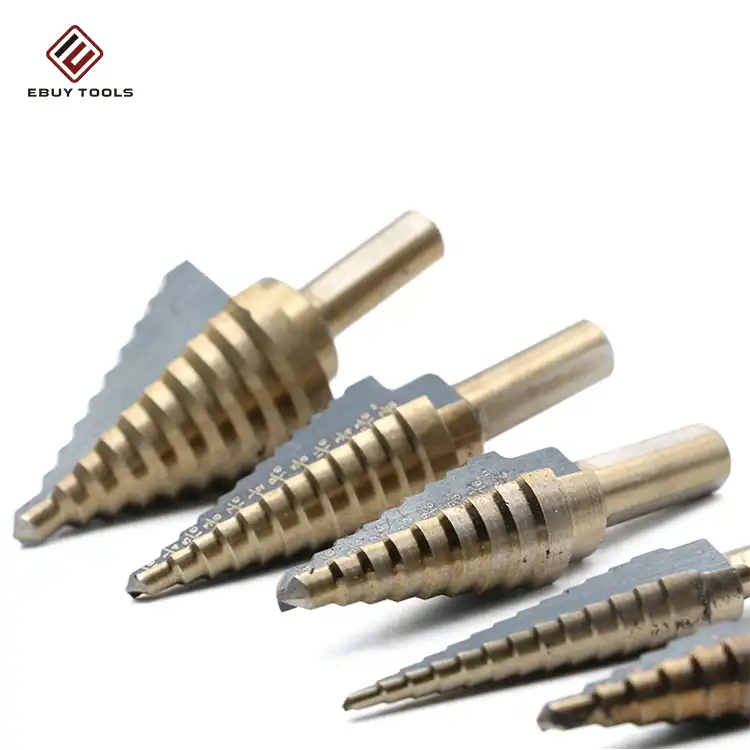
When used properly, an HSS step drill bit can greatly improve the speed and accuracy of metalworking in precision machining, car manufacturing, and aircraft. This cylindrical cutting tool is made of High-Speed Steel and lets you drill holes with sizes from 4 to 32 mm all at once, without having to switch tools. Its stepped shape and self-centering 118° split-point design are what make it work so well. It stops you from walking on workpieces, automatically chamfers edges, and makes holes that are free of burrs in steel, stainless steel, non-ferrous metals, and plastics. To get the most out of your tool and make it last as long as possible, you need to know how to set the RPM settings correctly based on the hardness of the material, keep the feed pressure steady, use cutting fluid to get rid of heat, and understand the 15-step setup.
Understanding HSS Step Drill Bits: Material, Design, and Advantages
Understanding what makes these tools so useful in business settings is the first step to getting better at drilling. A conical stepped bit has more than one cutting diameter built into its body, unlike regular twist drills that need to be switched out all the time for different hole sizes.
What Makes High-Speed Steel the Ideal Material Choice?
High-Speed Steel is an iron-based metal system that contains chromium, molybdenum, vanadium, and tungsten. It stays hard even at high temperatures. Professional step bits are made of the HSS 4241 grade, which is 62–64 HRC hard. This means that the edge stays sharp even after many rounds of cutting. This metal's makeup keeps its cutting power when friction causes temperatures to rise above 500°C, which is a very important quality for drilling stainless steel or harder metals.
Advanced versions have 5% cobalt in them, which makes them harder (called M35 grade). This makes them more resistant to breaking under heat stress. Extra Titanium Nitride (TiN) coatings are added by factories like Danyang Ebuy Tools. These coatings lower the friction coefficient below 0.4 and raise the surface hardness above 2500 Vickers. This mixture makes tools last three to six times longer than untreated versions. This is especially helpful in high-volume production settings where the cost of tools directly affects profits.
Unique Design Features That Solve Industrial Challenges
The stepped shape solves three problems that keep coming up when working with sheet metal. Traditional drills leave burrs that need to be removed, move over smooth surfaces without center punching, and bend thin materials by applying too much horizontal force. The staircase shape naturally moves the cutting edge through widths that get bigger, chamfering each step as it goes. The spiral flutes effectively remove chips.
The hexagonal shank design keeps the drill bit from slipping when there is a lot of force, so the cutting is always straight. When creating electrical covers, this is very important because misalignment can weaken the weatherproof seal. The 15-step design that goes from 4 mm to 32 mm gets rid of the need for multiple drill sets by replacing them with a single tool that can handle a wide range of hole needs in car chassis modifications, HVAC ductwork access, and aircraft component preparation.
Cost-Effectiveness and Versatility Across Applications
There is always pressure on procurement managers to cut costs on tools without lowering quality. One professional-grade stepped bit can be used instead of up to 15 separate twist drills. This cuts down on both the cost of buying new tools and the time machines need to be shut down for tool changes. In CNC machining shops that work with mixed batches, this merging cuts down on setup time and code complexity.
The adaptability covers a wide range of materials. Aluminum and brass are non-ferrous metals that can be machined easily at higher speeds. With some adjustments, the same tool can also be used on mild steel and stainless steel. This flexibility is very helpful for job shops that work with a wide range of industries, from mold makers who need to drill precise holes in tool steel to electrical workers who need to drill holes in plastic control boxes. One tool system can be used to work with a wide range of materials, from soft plastics to hardened metals. This makes it easier to keep track of supplies and train employees.
Step-by-Step Guide on Using HSS Step Drill Bits Effectively
It takes more than just placing the HSS step drill bit and turning on the drill press to get the best results. When you know the right way to do something, you can keep it from wearing out too quickly and be precise with different materials and production numbers.
Equipment Selection and Safety Preparation
Start by making sure that your tools are right for the job. Variable-speed drill presses let you change the RPM based on the strength of the material and the size of the hole. Handheld drills are good for smaller jobs, but they aren't strong enough for stainless steel or thick pieces, where cutting forces need to be much higher.
Personal protective equipment (PPE) must be worn in industrial settings according to safety rules. Drilling can throw off metal chips that can hurt your eyes, so you have to wear safety glasses. When the bit moves between steps with different cutting forces, secure clamping of the object stops it from rotating under pressure. When loose materials spin on a drill table, they make dangerous objects that can damage the accuracy of the workpiece.
Before you start making things, make sure that your stepped bit is still sharp. A dull edge creates too much heat, which strengthens the material over time until it finally breaks in a terrible way. Under a microscope, look at the cutting edges for chips or wear patterns that show they need to be replaced or resharpened by a professional.
Material-Specific Drilling Techniques and Parameters
Higher spinning speeds are fine for aluminum and other soft non-ferrous metals between 1500 and 2500 RPM, based on the size of the hole. The soft material is easy to cut, but it sticks to the flutes and makes them work less well. Using a circular flute design helps get rid of these chips before they join the edges of the cutting. Put steady, gentle downward pressure on the bit and let its shape do the work instead of pushing it to go through.
Because it hardens when it is worked, stainless steel needs a completely different method. Slow down a lot, to 300–500 RPM, so that heat doesn't build up and strengthen the material ahead of the cutting edge. As pause lets the work harden, raise the feed pressure to keep the chips coming out continuously. Cutting fluid is no longer a choice; it's a necessity. Cutting oil with sulfur lowers friction and gets rid of heat that would otherwise destroy the tool's temper in seconds.
Mild steel is in the middle, and speeds of about 800 to 1200 RPM are suggested for it. The material works as expected in a machine, and there are no problems with work hardening or chip sticking. Still, cutting fluid makes tools last longer and gives the surface a better finish. When making multiple holes in a production setting, set a steady feed rate to keep the chip loading even during all cutting steps.
Maintenance Practices That Extend Tool Longevity
A brass brush should be used to remove any metal bits that have built up on the flutes after each use. Steel wool could scratch the finish, and plastic brushes aren't stiff enough. Chips that are left on the tool oxidize and form rough layers that speed up wear during future operations.
Instead of leaving your stepped bits out in the open in your toolboxes where they could touch other metal tools, put them in safe cases. Impacts that damage the edges ruin the exact shape needed for self-centering to work. Dedicated tool cases or foam inserts keep things separate and make it easy to see what you have on hand.
Because the shape is so complicated, resharpening is hard. Unlike twist drills, where a bench grinder will do, keeping the angles the same across different sizes needs special tools or the help of a professional. Most factories throw these away when the edge retention starts to decline, figuring out when to replace them based on the number of holes or the loss of surface finish instead of trying to resharpen them in the field.
Comparing HSS Step Drill Bits to Alternative Drill Bit Types
Knowing how the various types of HSS step drill bit compare helps you make smart purchasing choices that meet the needs of your output and your budget.
Performance Analysis: HSS vs. Cobalt vs. Carbide
Standard High-Speed Steel bits are a great choice for general welding on lighter materials because they are very cheap. They are good at working with aluminum, brass, light steel, plastics, and small amounts of production. The problem shows up when working with harder materials or a lot of them at once, because heat speeds up wear.
Standard HSS and carbide are not the same thing. Cobalt-enhanced HSS (M35 grade, which has 5% cobalt) is. Adding cobalt makes the tool more resistant to heat, which lets it cut at higher speeds and last longer when working with heat-treated metals or stainless steel. This choice costs more than standard HSS but a lot less than carbide. In demanding situations, the efficiency gains make the higher price worth it.
Carbide step bits are the best because they are very hard and don't get soft when they get hot. They work really well in automatic CNC settings that work with a lot of tough materials. Because carbides are naturally brittle, they are not as good for tasks that need to be done by hand, where horizontal stress or shaking could cause them to break. The difference in price is three to five times that of HSS, and it's only worth it when the amount of work needed and the difficulties with the materials make it worth it.
Selecting the Right Tool for Specific Metal Types
HSS bits that aren't covered or are treated with TiN and run at higher speeds are good for working with aluminum. The soft material doesn't need to be worked hardened before it can be cut, so the expensive cobalt substance isn't needed. Instead, pay attention to spiral flute patterns that get rid of metal chips quickly.
Cobalt-enhanced HSS is the lowest type that can be used for stainless steel. Standard HSS quickly can't handle the material's tendency to work harden and produce strong cutting heat. When working with hardened stainless steels or when there are more than a few thousand holes, the longer tool life makes up for the higher cost at first.
Most of the time, mild steel and structural steels work well with normal HSS. TiN or TiAlN coating additions improve performance but aren't required unless the extra cost is worth it for the production volume. Job shops that work with a variety of materials often use cobalt HSS as a standard option because it is flexible and can handle sudden changes in the materials without the need for tool changes.
Procurement Insights: How to Source Quality HSS Step Drill Bits?
Finding reliable tooling sources has a direct effect on how well metalworking companies of all sizes can control their costs and make their production more efficient.
Evaluating Manufacturers and Supplier Credentials
Controlled steel and precise grinding are two ways that reputable producers keep the standard of their products high. Danyang Ebuy Tools has a 77,000-square-meter factory with 319 skilled workers who make more than 150,000 cutting tools every day. The factory also has specific areas for research and development. This size allows for both consistent quality and customization choices that smaller businesses can't offer.
When looking at possible providers, find out how they handle quality control. ISO certification means that written processes are being followed, but certification by itself doesn't ensure success. Before placing a large order, ask for sample tools to test in your own unique situations. When machining hard materials like stainless steel, where metallurgical quality is very important, performance differences between makers become clear very fast.
When you use geographic sourcing, you have to choose between closeness and cost models. Domestic suppliers usually charge more than international suppliers, but they can serve faster and make contact easier. Chinese companies like Ebuy Tools offer reasonable prices by using large production facilities to keep quality standards at an international level. The choice depends on how important lead time freedom is to your business compared to cost management.
Negotiating Value in B2B Procurement
When you buy HSS step drill bit in bulk, you can get better terms, but if you know how the market works, you can avoid overpaying even when you buy in bulk. The price of high-speed steel commodities changes with the world markets for tungsten and molybdenum, which makes some times better to buy. Building ties with makers can help you understand these cycles.
Look at the total cost of ownership as well as unit price. A bit that costs a little more but lasts twice as long is a better deal. Ask for particular details, such as the results of hardness tests, measures of coating thickness, and tolerances for concentricity. When suppliers don't want to give expert paperwork, they often cut corners in other areas.
For tools, warranty terms and return procedures are more important than for many other goods. Metallurgical flaws might not show up until the tool is cut, which could happen hundreds of units into a batch. Suppliers with a good reputation back up their products with new promises that cover problems with the way they were made. This reduces risk, which is an important part of planning for production.
Practical Applications and Case Studies in Industrial Settings
Using stepped drill technology in the real world shows both its strengths and weaknesses in a variety of industrial settings.
Automotive Manufacturing: Efficiency Through Tool Consolidation
A tier-two car source that makes exhaust system parts used to keep more than 20 drill sizes on hand for different sensor bosses, mounting brackets, and access holes. When they switched to cobalt HSS step bits, they got rid of 15 minutes of setup time for each batch shift and cut their active tool inventory by 65%. With the right parameter changes, the stepped bits could handle both mild steel frame parts and stainless steel exhaust pipes.
The problem came up when drilling through strengthened mounting parts that were harder than 35 HRC. Standard M35 cobalt bits got dull quickly, so they had to be replaced in the middle of the shift, which slowed down production. The answer was to switch to TiAlN-coated versions of these specific parts, which meant paying more for the tools but allowing full shifts to be worked without having to change them. This focused approach to upgrades cut down on the cost of tools without defining too many expensive grades for all uses.
Electrical Panel Fabrication: Precision and Repeatability
A company that makes electrical enclosures had quality problems that wouldn't go away. They had to drill cable gland knockouts in stainless steel junction boxes. Standard twist drills made holes that were too big, not round, and had burrs that made it hard to place the waterproof seal. The problem was caused by the drill wandering on the smooth steel surface and the material getting harder during work, which made the holes bigger than they should have been.
Using self-centering step bits with split-point shape stopped the tool from wandering, and the automatic chamfering action made sure the edges were free of burrs and met IP67 sealing standards. By getting rid of extra deburring processes, production speed went up by 40%. The stepped method worked especially well when product designs called for more than one gland size to fit on a single enclosure. This way, workers could drill all sizes without having to stop and change tools.
Tracking wear showed that bits used only on 304 stainless steel lasted about 800 holes before edge dulling changed the roundness of the holes. Setting up preventive replacement at 700 holes stopped quality problems and made the best use of the tool. This data-driven method to managing tools made the higher cost of cobalt-enhanced bits worth it by lowering the number of scrap pieces and inspection fails.
Conclusion
To master the use of an HSS step drill bit, you need to know how the tool's metal, the material of the workpiece, and the operating factors affect each other. High-Speed Steel design with the right enhancements gives you the heat protection and edge retention you need to work with metal efficiently in a wide range of situations. The stepped geometry solves basic problems in sheet metal production by blending several processes into a single tool action. This cuts down on cycle time and the complexity of the tooling.
For execution to go well, the tool specs must fit the needs of the application. For lighter materials, standard HSS works fine, but for stainless steel and hardened metals, cobalt enhancement is a must. Correct technique includes making changes to the speed and feed based on the material, using the same cutting fluid every time, and knowing when the edge condition gets so bad that it needs to be replaced. The economic effect of making choices on manufacturing profits is eventually determined by purchasing decisions that weigh the initial cost of the tool against its total useful life and how well it works in production.
FAQ
Can HSS step drill bits effectively drill stainless steel without specialized coatings?
Cutting edges of uncoated HSS 4241 grade have a hard time with stainless steel because they work harden and generate heat quickly. When used with the right technique—low RPM (300–500), high feed pressure, and constant cutting fluid application—cobalt-enhanced M35 grade is good enough for mild stainless steel drilling. TiN or TiAlN coats make tools much more useful by lowering friction and heat buildup, which makes them last three to six times longer. When working with a lot of stainless steel, production settings should buy coated cobalt versions to keep hole quality constant over long runs and reduce the number of times tools need to be replaced.
What RPM range works best when drilling aluminum with a stepped bit?
Because it is less hard and better at moving heat, aluminum can handle higher cutting speeds than ferrous metals. Depending on the size of the hole, the best spinning speeds are between 1500 and 2500 RPM. Faster speeds are possible with smaller steps. Since the soft material is easy to cut, but it makes chips that stick to the cutting edges, spiral flute shapes are better for getting rid of chips. Allow the shape of the tool to cut by using mild feed pressure instead of pushing penetration. Cutting fluid is still helpful for aluminum because it keeps chips from sticking together and improves the surface finish, but it's not as important as it is for stainless steel.
How often should I replace or resharpen HSS step bits under heavy production use?
When to replace something depends on how hard the material is, how much you drill, and what quality standards you want to meet. When drilling mild steel, good bits can usually handle 1500 to 2000 holes before the edges start to wear down and stop working. Due to higher cutting pressure and heat production, stainless steel cuts this down to 600–800 holes. Watch the quality of the holes instead of just counting them—edge condition has gotten worse when burr formation goes up, holes become out of round, or drilling needs too much force. Professional resharpening is hard because the shape is complicated and needs special tools. Most factories treat these as tools that need to be replaced, and they use cost-per-hole calculations to figure out when to replace them so that quality problems don't happen and the tools are used as much as possible before they are thrown away.
Enhance Your Drilling Operations with Ebuy Tools
Professional-grade HSS step drill bits are made by Danyang Ebuy Tools Co., Ltd. for tough metalworking settings. Our 15-step setup that covers 4–32 mm works very precisely with steel, stainless steel, non-ferrous metals, and plastics. With a production plant that covers 77,000 square meters and makes more than 150,000 pieces every day, we can guarantee a steady supply for high-volume activities. Our bits are made of HSS 4241 tool steel, which is 62–64 HRC hard, and have hexagonal shanks that keep the chuck from slipping and spiral flutes that make chip removal better. Our expert team can help you with specific questions about your application and offer low bulk prices, whether you run a precision machine shop or are in charge of buying things for the auto industry. Get in touch with our experts at [email protected] to talk about your needs and get quotes that are specific to your business needs. We are a reliable HSS step drill bit maker, and we can give your processes the quality and consistency they need.
References
Stephenson, D.A. & Agapiou, J.S. (2016). Metal Cutting Theory and Practice, Third Edition. CRC Press, Boca Raton, Florida.
Machinery's Handbook, 31st Edition (2020). Drilling and Hole Making Operations. Industrial Press, New York.
American Society of Mechanical Engineers (2019). ASME B94.11M-1993 (R2019): Twist Drills - Nomenclature and Definitions.
Trent, E.M. & Wright, P.K. (2000). Metal Cutting, Fourth Edition. Butterworth-Heinemann, Oxford.
Shaw, M.C. (2005). Metal Cutting Principles, Second Edition. Oxford University Press, New York.
Society of Manufacturing Engineers (2018). Tool and Manufacturing Engineers Handbook: Machining, Volume 1. SME Publishing, Dearborn, Michigan.