.webp)

To drill concrete with a diamond core drill bit, you need to secure the piece you want to drill, mark where you want to drill, connect the right-sized bit to a suitable drill machine, and keep the pressure on steady while controlling the speed and cooling. This method makes clean, accurate holes in reinforced concrete, asphalt, block, and brick by using industrial-grade diamond segments that cut through the material without breaking it up into tiny pieces. When you use the right method, your bits will last longer, make less noise, and give you the professional results you need for HVAC, plumbing, and electrical installations in tough building sites.
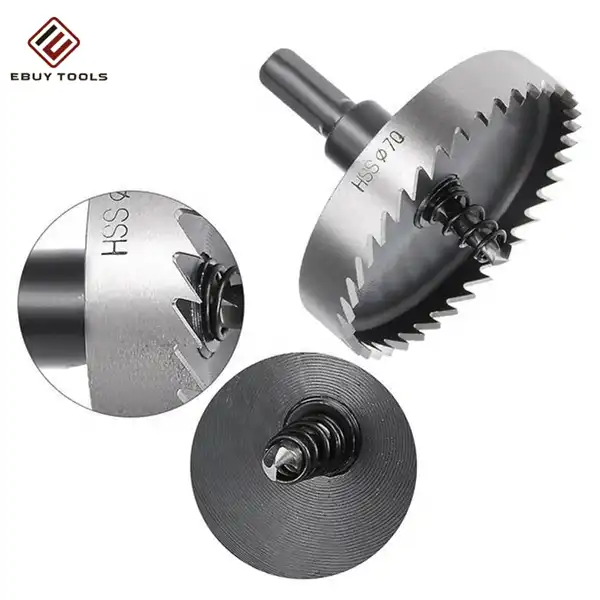
Understanding Diamond Core Drill Bits for Concrete Drilling
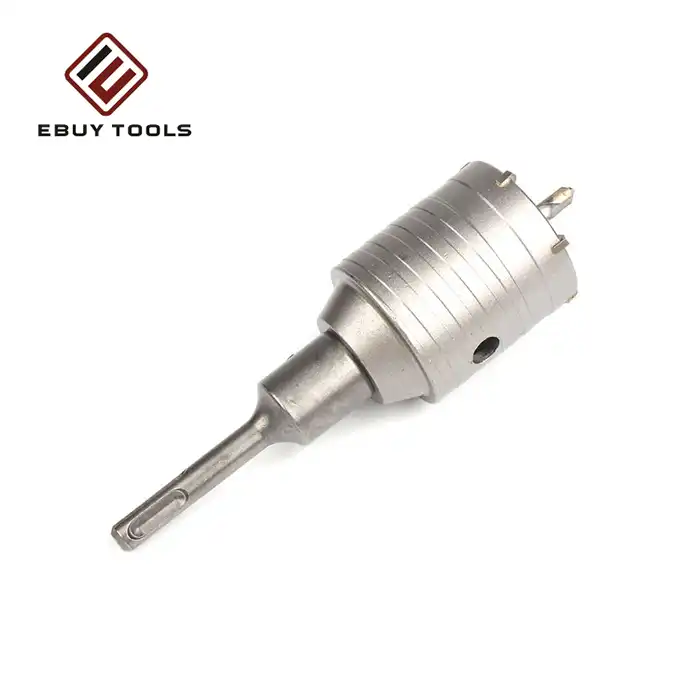
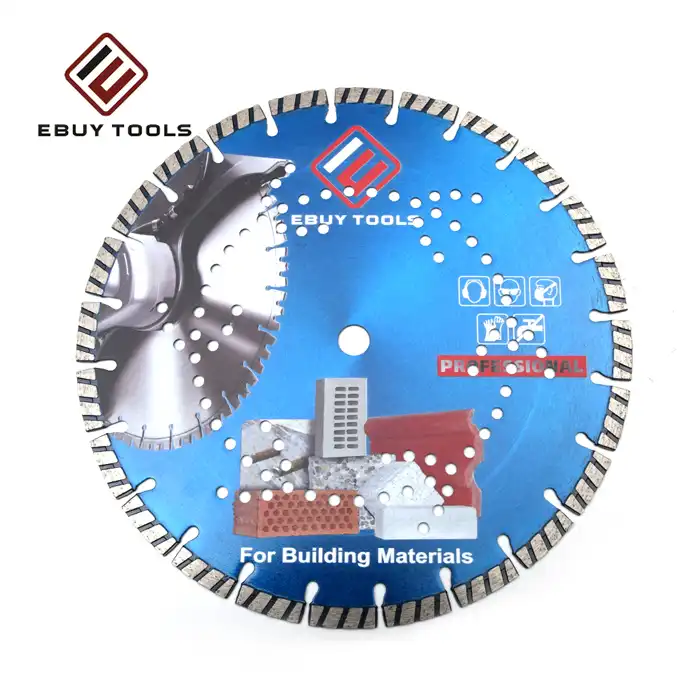
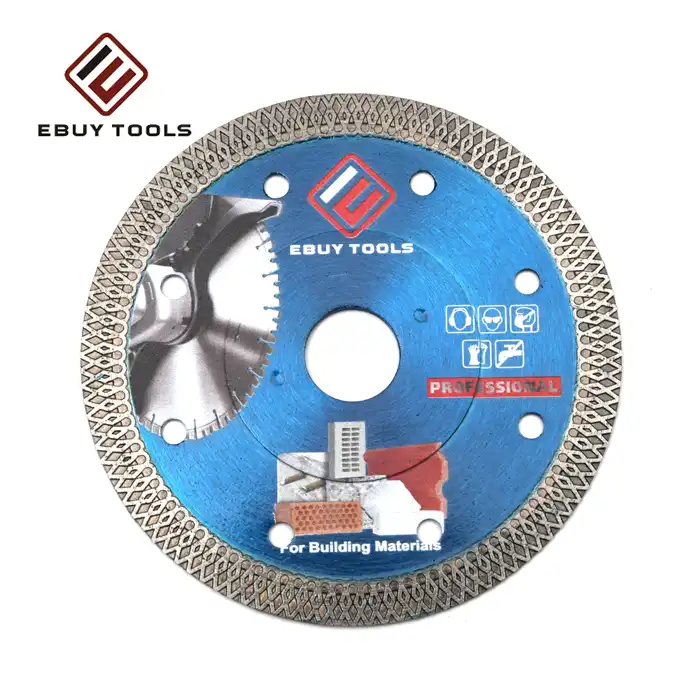
Diamond core drill bits are designed cutting tools that are made to go through hard materials like concrete and brickwork. Industrial-grade synthetic diamond segments are inserted within carefully formed metal matrices in these cylinder-shaped tools. This gives them unmatched hardness and durability compared to traditional carbide alternatives. Diamonds can easily cut through steel reinforcing bars because of the grinding process, which also keeps the holes solid and the measurements correct.
Working Principles Behind Diamond Segments
The cutting action depends on thousands of diamond crystals that are out in the open and rub against tiny pieces of material at the molecular level. Diamonds slowly eat away the metal bond matrix as the bit turns, revealing new cutting edges all the time. This bit's ability to sharpen itself ensures uniform performance over its entire useful life. Cutting aggressiveness is based on diamond concentrations range from C75 to C100. Higher concentrations work best for reinforced concrete with large rebar networks.
Wet Versus Dry Drilling Variants
Wet drilling bits use water to cool and lubricate the cutting segment. This greatly increases segment life by removing heat and dirt from the cutting zone. These bits can work continuously in high-demand situations like base work and bridge repair. Dry drilling types use laser-welded segments that are made to handle high temperatures without coolant. This makes them perfect for job areas where getting to water isn't possible. Laser welding is better at resisting heat than soldering, so segments don't come off during high-speed processes. When procurement workers understand these differences, they can match tooling requirements with working conditions and project limits.
Size Selection for Distinct Applications
Core bits come in a wide range of sizes, from small ones that are good for cutting electrical conduit to big ones that are good for passing through mechanical conduit. There are standard sizes of 1 inch, 2 inches, 4 inches, and 6 inches, and each one is designed to meet specific power needs and work with a certain type of drill machine. To keep segments from glazing, bigger sizes need stronger tools and slower rotating speeds. Precision machining keeps the barrel concentricity at or below 0.15 mm, which stops shaking and makes sure that the holes are perfectly round, which is important for setups with tight tolerances.
Step-by-Step Guide: How to Use a Diamond Core Drill Bit to Drill Concrete
To get the best results from drilling, you need to plan ahead and stick to tried-and-true methods. This method improves tool performance while keeping operators safe and maintaining the quality of the equipment at all levels of concrete hardness. Using a diamond core drill bit correctly requires specific technical steps.
Selecting the Appropriate Bit Specifications
Match the bond strength of the bit to the aggregates in the concrete. The matrix wears away quickly, revealing new diamonds. This is why soft bond formulations work best with hard, high-PSI concrete. Hard bond types work best with asphalt or green concrete because they hold diamonds in place longer before the matrix wears away. Grit numbers between 30/40 and 40/50 mesh are good for both cutting speed and surface finish. To make sure that the diamond content and matrix composition are compatible with the materials they are buying, procurement managers should ask for technical datasheets.
Worksite Preparation and Safety Protocols
Before starting work, make sure the power source is stable and check the fixing systems for the drill machine. To keep the piece from moving while cutting, secure it with clamps or pressure plates. Use a center punch or pilot hole to exactly mark the penetration location to stop the bit from moving. In order to stay safe while dry drilling, operators must wear the right gear, such as safety glasses, hearing protection, and respirators. Set up barriers to keep garbage in and make sure there is enough air flow to keep dust from building up. These steps lower the risks of operations and make it easier to place holes correctly.
Equipment Setup and Drill Machine Compatibility
Connect the chosen core bit to a drill motor that works with it, making sure the threads line up properly. High-torque angle grinders work best for smaller sizes up to 2 inches, while core drill rigs are designed to handle deeper holes that need constant pressure. Check that the machine's spindle speed is the same as what the bit's maker suggests, which is usually between 1,200 and 3,000 RPM based on the bit's width and the stiffness of the material. When you choose the wrong speed, segments wear out too quickly or bits fail completely. For wet drilling, make sure that the water supply lines are firmly connected so that the flow rates stay the same throughout the job.
Operational Best Practices for Wet and Dry Environments
When drilling in water, start the water flow before the bit hits the material, and keep it going all the way through the cut. This keeps the temperature from dropping too quickly and clears the abrasive liquid from the diamond pieces. Use a reasonable amount of feed pressure. Too much force creates extra heat and makes cutting less effective. The bit shouldn't stop or spin easily; it should move evenly. When drilling in dry conditions, use cutting processes that come and go with short breaks to let the heat escape. Keep an eye on the color of the segments; blue coloring means they are getting too hot, which weakens the bonds. Consistent technique greatly increases the life of segments, and wet drilling can increase operating hours by as much as 300 percent compared to dry ways.
When operators make long cuts through heavily strengthened areas, they often run into problems like the bit getting too hot. Most temperature problems can be fixed by lowering the feed pressure and raising the flow rate of the liquid. In dry situations, dust control is still very important. Integrated vacuum systems or shroud extensions keep flying particles to a minimum. Tapered holes can be avoided by keeping the drill stable; for deep penetrations deeper than 12 inches, use guide templates or pilot rigs. Taking these operational factors into account guarantees professional results and gets the most out of tool purchases for industrial buyers who are handling multiple projects at the same time.
Advantages and Maintenance of Diamond Core Drill Bits
Diamond-based drilling technology works better than standard percussion methods and carbide options in a way that can be measured. In tough industrial settings, these benefits have a direct effect on project timelines, labor costs, and total operating efficiency. Using a diamond core drill bit provides measurable efficiency gains.
Superior Durability and Cutting Efficiency
Depending on how hard the job is, diamond pieces last 10 to 50 times longer than carbide versions. This longer life span cuts down on the time needed to change bits and greatly lowers the cost per hole. Diamonds cut faster than hammer drills because they split instead of break, which means they can get through reinforced concrete up to 80% faster. Precision grinding makes holes that are exactly round and have smooth sides, so no other finishing steps are needed. These qualities are especially useful when making aircraft parts and molds, where tight standards for size are still important.
Multi-Material Versatility and Application Range
These bits are great for digging through more than just concrete. They work great through granite slabs, engineered stone, asphalt driveways, and ceramic tiles. Being able to switch between different materials without having to change tools makes work easier for workers who are in charge of a wide range of projects. Specialized bits that are impregnated with a substance keep the integrity of geological core samples for mine research even after going through hundreds of feet of hard rock formations. This adaptability makes the initial investment costs worth it for procurement departments that want to combine their tooling stocks to save space and make supply chain management easier.
Cleaning and Inspection Procedures
After each use, flush the pieces well with clean water to get rid of any metal or concrete debris that is still stuck in them. When slurry dries, it hardens around diamonds, making them less effective at cutting in later steps. Look at the pieces to see if they have any cracks, missing diamonds, or odd wear patterns that could mean they are not aligned correctly. Check the soundness of the weld by gently tapping pieces. Sounds that are loose or hollow mean that the weld is about to come apart. Check the height of the section on a regular basis; when the height drops to 30% of its original size, it needs to be replaced. These regular checks keep things from breaking down at crucial times during the drilling process.
Segment Dressing and Performance Restoration
When pieces glaze over because the bond choice wasn't right or there wasn't enough feed pressure, dressing brings back the cutting ability. To get to the new diamond crystals, drill into soft, abrasive materials like rock or cinder blocks. This will eat away the metal core. This method brings dull bits back to life without having to hire a professional sharpener.
Diamond hole saw users, in particular, benefit from proper dressing techniques, as these tools are prone to glazing under high-load cutting conditions. Drill bits should be stored in protective cases to prevent damage during transportation between job sites. Proper handling practices help avoid issues such as shank deformation and poor concentricity, which can lead to vibration, reduced cutting accuracy, and accelerated machine wear. Compared with reactive replacement approaches, organizations that implement structured maintenance programs report up to 40% lower annual tooling costs.
Comparison and Buying Guide: Choosing the Right Diamond Core Drill Bit for Your Project
When making purchasing choices, it's important to carefully look at performance traits, total ownership costs, and the supplier's abilities. By understanding the key differences, you can make smart choices that meet practical needs and stay within your budget for a diamond core drill bit.
Performance Comparison: Diamond Versus Carbide Solutions
Carbide-tipped bits are cheaper at first, but they wear out quickly when they hit steel or hard rocks. Diamond types keep cutting rates steady through steel reinforcement without losing segments, so repairs in the middle of a job are not needed. The cost-per-linear-meter measure shows what the real value is. Even though they cost more, expensive diamond bits are often more cost-effective over the life of a project. Cutting speeds shorten project timelines, which lowers costs for workers and shortens the time needed to rent equipment. Noise reduction benefits are very important in occupied buildings where disruptions to operations must be kept to a minimum; diamond bits produce 30 percent lower decibel levels than other percussion options.
Wet Versus Dry Bit Selection Criteria
Wet drilling works best for high-volume jobs that need the longest-lasting segments and the fastest entry rates. Access to water and sludge control systems add to the cost of infrastructure but make up for longer bit life. Dry drilling gives operators more options on remote or interior areas where using coolants could cause damage is not a good idea. Laser-welded dry bits cost more than slurry removal, but they don't need to be cleaned up and don't hurt the environment. When figuring out the best way to drill, you should take into account the specifics of the job, such as the length of time, the number of holes, and any site limitations.
Quality Indicators and Investment Justification
Diamond concentration grades, grit sizes, and metallurgical bond formulas are clearly listed by high-end makers. Look for fragment shear testing results that are written down and show that the weld quality meets EN 13236 standards. Concentricity readings below 0.15 mm run-out show precise production methods that keep operations running smoothly.
Cheap options often use recycled diamonds with particles of different sizes, which makes the performance uncertain and causes them to break early. Abrasion testing data that shows meters that can be drilled versus section height loss gives us objective measures of performance. Companies that care about business efficiency prefer suppliers that offer detailed technical documentation and the ability to track materials.
Procurement Insights: How to Buy Diamond Core Drill Bits Efficiently
Strategic shopping methods get the best results when buying things by combining the need for quality with the reality of the budget. Industrial buyers can make better decisions when they understand how the market works and how to evaluate suppliers of the diamond hole saw and the diamond core drill bit.
Locating Verified Suppliers and Wholesale Sources
Reliable B2B sites and manufacturer listings let you find qualified sellers who can show that they can make what you need. Give more weight to sellers who run approved facilities and have daily output amounts that can be measured to show that they are mature manufacturers. Ask for building certificates and audit reports from a third party that prove quality management systems.
Direct relationships with manufacturers get rid of markups by distributors, which is especially helpful for businesses that need to place large orders on a regular basis. Regional distributors usually charge more per unit but have more specialized goods and can serve faster. When considering different types of suppliers, you should look at the total landed costs, which include shipping, taxes, and payment terms.
Volume-Based Pricing and Contract Negotiation
When you buy in bulk, you can use tiered price systems that greatly lower the cost per unit. Talk about yearly supply deals that spell out minimum order amounts in exchange for stable unit prices and first dibs on production. Suppliers often offer free standard samples that can be used to check the product's performance before placing a big order. When enough are bought, custom specs like special segment formulations or threading choices can be made cheaply. Having a choice of payment terms makes it easier to handle cash flow. For credit-approved accounts, known suppliers may offer net-60 or net-90 terms. Seasonal changes in demand affect prices; buying when factories aren't busy gives you more bargaining power.
International Logistics and Quality Assurance
When buying from other countries, make sure you understand the Incoterms that say who pays for shipping, security, and clearing customs. Reliable makers set up containerized packages with the right packaging to keep them from getting damaged in transit. Check to see if the guarantee covers problems caused by manufacturing—usually for 30 to 90 days after delivery.
Set up clear ways to return items and fix broken ones before you place your first order. Ask for certificates of origin and material safety datasheets that meet the standards of regulations in the places where the goods will be sold. These contractual rights lower the risks of procurement and make sure there are ways to get help if problems with the quality of the product happen during field activities.
If industrial buyers understand these basic buying principles, they will be able to get reliable tooling supplies that support operating success. Partnerships with makers that show technical know-how, large production volumes, and service models that focus on the customer give businesses long-term competitive benefits through better tool performance and uninterrupted supply chains.
Conclusion
To become an expert at diamond core drilling, you need to know about bit specs, how to use the equipment correctly, and how to keep it in good shape. When compared to other options, diamond segments are the most durable and effective at cutting. This makes the investment worthwhile because the tools last longer and projects are finished faster. Choosing the right wet or dry variants based on the conditions of the spot improves both efficiency and cost-effectiveness, and using a diamond core drill bit correctly is central to realizing these advantages.
Buyers should judge providers based on how much they produce, whether they have quality standards, and how well they can help with technical issues. Industrial buyers can get reliable tooling solutions that help with operational excellence in the aircraft, automobile, building, and manufacturing sectors by using these insights. Strategic relationships with well-known makers guarantee stable supply chains and the ability to get unique solutions that meet the changing needs of projects. Mastering the diamond core drill bit is essential for high-performance construction.
FAQ
Can diamond core drill bits work on materials other than concrete?
These tools are very useful because they can be used on granite, marble, carved stone, ceramic tiles, asphalt, and brick. Different types work best with different materials. For example, coated bits are great for exploring rocks, while electroplated bits work well with glass and china. Depending on how hard the material is, change the rotating speed and amount of coolant used to keep segments from wearing out too quickly. A diamond core drill bit is highly versatile across masonry types.
How often should diamond core drill bits be replaced?
When to replace something relies on how much you drill, how hard the material is, and how often you do upkeep. Watch for segment height loss and slowing cutting speed. When penetration rates drop by half or pieces wear down to thirty percent of their original height, they need to be replaced. When wet drilling correctly and using the right feed pressure, the operational lifespan is maximized, and in normal concrete uses, this is usually 30 to 60 linear meters.
What safety precautions are essential during core drilling operations?
When digging without water, operators must wear safety glasses, hearing protection, and masks to protect their breathing. Hold workpieces firmly in place to stop them from moving. Check the integrity of the power source and check the tools before using it. To control drill force, keep your feet steady and your body in the right position. Set up barriers to keep garbage out and make sure there is enough air flow to control dust. Never use tools without being properly trained and following the safety instructions provided by the maker.
Partner with Ebuy Tools for Professional Diamond Core Drill Bit Solutions
Precision-engineered drilling solutions are made by 319 trained workers in our 77,000-square-meter factory and sold by Danyang Ebuy Tools. As a diamond core drill bit provider, we can make about 150,000 units every day, so you can be sure we have what you need for your pressing projects. We keep diamond densities between C75 and C100, and our grit sizes are perfect for use on concrete, granite, and reinforced brickwork.
Laser-welded pieces and barrel concentricity of less than 0.15 mm ensure professional-level performance in harsh industrial settings. Our R&D group comes up with unique solutions, like printing logos and making special packaging for large sales. Email us at [email protected] to talk about your unique needs and get free standard samples that show how well we can make things and how much better our technology is.
References
1. Smith, J. & Anderson, K. (2021). Advanced Concrete Drilling Technologies: Diamond Tool Applications in Industrial Construction. Engineering Press International.
2. Martinez, R. (2020). "Performance Analysis of Diamond Core Bits in Reinforced Concrete Structures," Journal of Construction Engineering and Materials Science, 45(3), 234-251.
3. Thompson, D. L. (2022). Precision Drilling Handbook: Tools, Techniques, and Best Practices for Industrial Applications. Technical Publications Ltd.
5. European Diamond Tool Manufacturers Association. (2023). Standards and Guidelines for Diamond Core Drill Bit Manufacturing and Testing. EDTMA Technical Report Series.
6. Chen, W. & Roberts, P. (2021). "Comparative Study of Wet and Dry Diamond Core Drilling Efficiency in High-Strength Concrete," International Journal of Manufacturing Technology, 89(7), 1821-1838.
7. Industrial Tooling Research Institute. (2022). Total Cost of Ownership Analysis: Diamond Versus Carbide Drilling Solutions in Heavy Construction. ITRI White Paper Series, Volume 12.
_1775721785360.webp)