.webp)

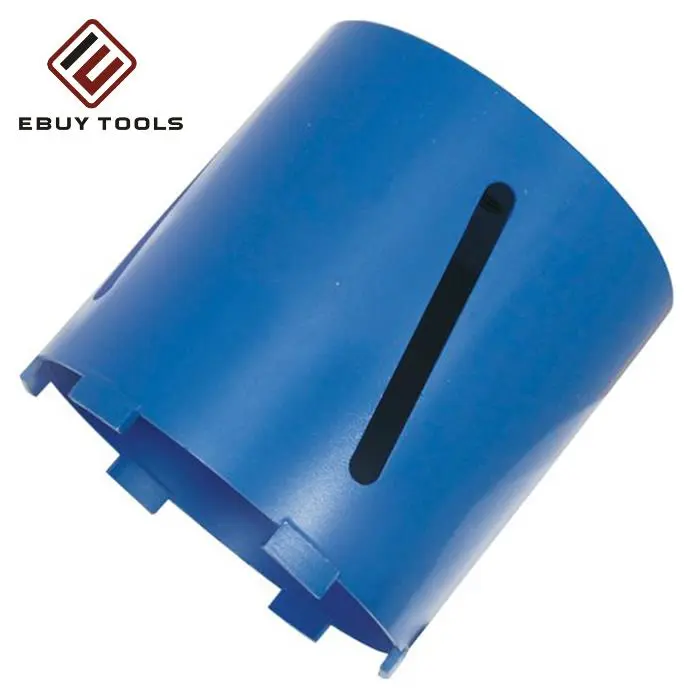
To use a diamond core drill bit properly, you must first understand how it grinds. These circular bits are different from percussion tools because they don't chip the material they cut. Instead, they use synthetic diamond pieces set in a metal matrix to make clean, round holes in reinforced concrete, granite, asphalt, and brickwork. The process includes securing the bit in place, changing the speed of rotation to meet the hardness of the material, providing steady moderate pressure, and using the right cooling methods. Mastering these basics will help you be more accurate, protect your tools, and make sure they last longer, whether you're drilling HVAC lines through slabs of concrete or making anchor points in buildings made of granite.
Understanding Diamond Core Drill Bits and Their Applications
The Core Drilling Principle
Diamond core drilling doesn't use contact force, but rather a grinding concept. On the bit's cutting edge are industrial-grade synthetic diamonds, which are the hardest material that can be found, joined within a carefully designed metal framework. As the bit turns, these diamonds gradually wear away the material, making a cylinder-shaped hole and taking out a solid core sample. By getting rid of the tiny cracks that hammer drilling makes, this method protects the structure's integrity. It is important for keeping key infrastructure's load-bearing capacity.
The technology solves problems in the industry that can't be solved with regular carbide bits. When digging through reinforced concrete, regular bits break when they hit the steel rebar that is buried in the concrete. Our diamond segments can cut through high-tensile steel without breaking, and they keep the same cutting speed as they move from one material to another. This feature is very useful for MEP building projects where the random placement of rebar would normally stop work.
Wet vs. Dry Drilling Variants
Knowing the difference between wet and dry drilling setups has a direct effect on how well you do your job and how long your tools last. In wet drilling, water flows continuously through the cutting zone to cool the bit and clean out any debris. This method greatly increases the life of segments—often by 200 to 300 percent—and works best for deep holes or activities that last a long time. The water cools and lubricates the metal mesh, keeping it from getting too hot and icing over.
Dry drilling doesn't need water, which makes it easier to move around on job sites where getting to water is hard. However, this method produces a lot of heat that can damage less-than-perfect bits. The heat stress of dry uses can only be handled by pieces that have been laser-welded. Our laser welding technology at Danyang Ebuy Tools—which has been tested to EN 13236 standards—ensures that segments stay together even in the hottest and coldest conditions, which stops catastrophic fails at high RPM.
Which way works best depends on the qualities of the material. Because they are hard and have rough chunks, reinforced concrete and granite work well with wet drilling. Because they are not as hard, asphalt and sidewalk often let dry drilling happen. When deciding between versions, our technical team suggests looking at the project's length, the materials used, and the resources that are available.
Material-Specific Applications
To get the best results, different materials need different methods. Different types of particles, from limestone to quartz, give reinforced concrete its different amounts of hardness. Our diamond core drill bit use different bond formulas that are matched to the aggregate hardness. For example, soft bonds are used for hard materials and hard bonds are used for abrasive surfaces. This backwards connection makes sure that the matrix wears properly, showing off new diamond grit all the time instead of covering it up.
Because they are so hard and have a regular makeup, granite and engineered stone pose special problems. To keep cutting well, these jobs need expensive bits with higher diamond concentrations (in the C85–C100 range) and smaller grit sizes (40/50 mesh). Our production process makes bits that can drill through 1-3/8" granite surfaces without water. However, it is still best to use water for longer segment life.
Softer materials include asphalt, block, pavement, and brick. These have rough parts that wear away softer bonds quickly. In this case, harder matrix formulations keep diamonds longer, stopping early segment loss and lowering cost-per-hole metrics. When placing an order, procurement managers should specify material types to get bits that are properly bonded.
Step-by-Step Guide on How to Use a Diamond Core Drill Bit
Selecting the Appropriate Bit Specifications
Choosing the right diamond core drill bit is the first step to a successful core drilling job. The diameter you choose depends on the size of the conduit or anchor you need, with standard industrial sizes ranging from 1" to 6". For larger diameters, you need more torque and slower rotational speeds to keep the segments from overheating and wearing out too quickly.
Different grit sizes have different effects on cutting speed and surface finish quality. Coarser grits (30/40 mesh) remove material faster in softer substrates but leave rougher edges. Finer grits (40/50 mesh) provide smoother finishes that are needed for precise tasks like geological core sampling or decorative installations. Diamond concentration levels should match the amount of work being done. Higher concentrations (C90–C100) are best for heavy-duty industrial use, while moderate levels (C75–C85) are best for occasional tasks.
When drilling into hard, cured concrete or granite, you should use soft bond formulations that let the matrix slowly wear away, revealing new diamonds as the outer layers wear away. On the other hand, when drilling into soft or abrasive materials like green concrete or asphalt, you should use hard bonds to stop the matrix from wearing away too quickly, exposing and losing diamonds too soon.
Equipment Requirements and Accessories
The success of an operation depends on how well the drilling tools and bit specs work together. Rotary hammer drills with rotary-only modes work well for most light to medium-duty tasks and have enough torque for bits up to 4" in diameter. For bigger sizes or production settings, you need specialized core drilling tools with mechanical feed systems, changeable speed control, and more steadiness.
When digging in water, water cooling devices are very important. For simple setups, handheld water bottles or gravity-fed containers are used. For professional setups, however, pumps are built in to ensure steady flow rates. The cooling water should keep flowing into the cutting zone. If it doesn't, it can cause warming in one area, which glazes the segments and makes cutting 60% less effective or more.
Diamond hole saw attachments that vacuum up mud and dust keep work areas clean and make it easier to see. Anchor systems keep drilling tools stable on vertical or overhead objects, which keeps bits from getting stuck or damaging equipment. At our 77,000-square-meter factory, we make bits with barrel concentricity kept at or below 0.15 mm run-out so that vibrations are kept to a minimum in small uses. This keeps operators from getting tired during long operations.
Execution Best Practices
For mounting methods to work, you need to be very careful. Tighten the bit onto the drive shaft by hand, then use the right tools to secure it. Make sure the barrel doesn't turn, as this could loosen segments. Check for concentricity by slowly spinning the bit. If there is too much wobble, it means there are problems with the housing or the bit itself, which will lead to holes that are too big and faster wear.
Changes in rotational speed match the strength of the material and the width of the bit. Smaller bits can handle higher RPMs (up to 1,800 for 1" diameters in concrete), but larger sizes need to be slowed down proportionally to keep the right speeds around the edges. Too much speed creates frictional heat that coats diamonds, while not enough speed causes vibrations and uneven wear patterns.
The most common mistake made by new workers is not checking the feed pressure. Too much pressure doesn't speed up the cutting process; it just overheats the segments, which increases the risk of segment loss or bit binding. Keep the pressure steady and mild, and let the gems grind on their own. When the bit hits buried rebar, lower the pressure a lot while keeping the speed of spinning the same. This will let the diamonds slowly wear away at the steel.
Using cool water should start before the bit touches the metal and go on throughout the process. Thermal cycling, which is caused by intermittent cooling, breaks segment links. Always keep an eye on the water flow—less flow usually means that garbage is blocking it, so you need to stop it right away to avoid damage.
Post-Operation Maintenance Protocols
Cleaning the tool right away after digging makes it last a lot longer. Take out the bit while it's still wet and flush the segments well with clean water to get rid of any metal filings or pieces of concrete. When dirt dries, it sticks strongly to diamond surfaces, making future cuts 30–40% less effective.
Check each section regularly for cracks, too much wear, or weakening. Check the segment height several times around its diameter. Wear that isn't uniform can mean that the fixing isn't working right or that the material isn't always hard. To avoid a catastrophic failure, segments that are worn down to within 2 mm of the weld line should be taken out of service.
The way bits are stored protects their stability between uses. Bits can be hung upright or laid flat in protective cases to keep them from getting hit and breaking pieces or barrels. As part of our quality control process, we check the metals by using Rockwell B/C hardness tests to make sure the section bonds meet the requirements. Because of this strict standard, bits from Ebuy Tools will always work well as long as they are properly kept.
Safety and Operational Tips When Using Diamond Core Drill Bits
Essential PPE and Protective Measures
Personal safety equipment is the first line of defense against the dangers of drilling. Safety glasses with side screens keep flying objects out, which is especially important when drilling above or in small areas. When using high-speed tools, you have to wear hearing protection. Even low-noise core drilling makes noise levels higher than 85 decibels for long periods of time.
Respiratory protection can be used for both dry and wet drilling. When you do wet drilling, you breathe in alkaline slurry mist that contains silica particles that can make breathing problems worse if you do it over and over again. Fine dust from dry drilling needs N95 or better filtering. Heavy-duty gloves keep hands safe from sharp segment edges and moving parts, but workers should never wear clothes that are too loose and could get caught in the machinery.
For wet drilling, electrical safety calls for ground-fault circuit interrupters (GFCIs). Water and electricity can cause electrocution, which can be deadly if the right safety measures are not taken. Diamond hole saw bits, in particular, require careful handling; our engineering team makes bits that are especially designed to reduce vibration. This lowers the risk of hand-arm vibration syndrome during long operations, which is an important factor that is often forgotten when buying things but must be taken into account for the health of workers.
Preventing Overheating and Bit Failure
The difference between good processes and costly failures is thermal control. Discoloration (blue or purple tinting), slower cutting speed, and glossy diamond surfaces are all signs that a segment is too hot. When these signs show up, stop working right away, let the bit cool down, and "dress" it by drilling into soft, rough material to reveal new diamonds.
Not enough cooling usually happens because water isn't flowing fast enough or because dirt is blocking the coolant pathways. Set the standard flow rates during setup, and then keep an eye on them to see if they drop. Many workers think wrongly that faster drilling means less cooling, but the truth is the opposite. Cutting more aggressively makes proportionally more heat, so more cooling capacity is needed.
The most dangerous type of organizational failure is bit binding. When the diamond core drill bit gets stuck in the hole, usually because of too much feed pressure, not enough cooling, or cutting through materials that are moving, this happens. Maintaining right technique is important for prevention, but workers should also know what to do in an emergency. Do not try to push a bit that is stuck; turning the tool counterclockwise while adding penetrating oil will often free it without damaging it.
Common Operational Mistakes and Their Impacts
The most common mistake made by operators is using too much feed pressure. Many people think that pushing the bit harder speeds up the cutting process, but diamonds grind instead of cutting when hit. Heavy pressure only creates heat and doesn't remove any material proportionally, which leads to early segment wear and possibly segment loss. Our tests on erosion in C45/C50 reinforced concrete show that the right amount of pressure makes 30–40% more linear meters than too much force.
When you choose the wrong diamond core drill bit for the job, you lose resources and put processes at risk. When used on rough surfaces, soft-bond bits quickly wear away the core and diamonds. Hard-bond bits in finished concrete coat right away, rendering them useless. Managers of procurement should keep a wide range of items in stock that can be used in common situations, or they should work with sellers who offer expert advice.
When real-time bit monitoring isn't done, small problems can grow into major breakdowns. Operators should always be checking the cutting speed, sound levels, and temperature readings. Sudden changes mean there are problems that need to be fixed right away. At Danyang Ebuy Tools, our 319 skilled workers make about 150,000 pieces every day. But before they are shipped, each bit goes through a personal concentricity review using dial indicators to get rid of any extra run-out. This quality standard reduces the number of mistakes that happen in the field.
Conclusion
When you master the core drilling method, you can turn difficult manufacturing tasks into predictable, cost-effective ones. When you choose the right diamond core drill bit for the job, match it to the properties of the material, use the right operating settings, and keep up with regular upkeep, you get great value because the tool lasts longer and works better every time. The differences between wet and dry drilling, choosing the right bond strength, and the need for cooling all have a direct effect on safety and production."
Companies that spend money on teaching their operators, keep a wide range of properly-specified goods, and work with informed providers get competitive benefits through less downtime and better project execution. Quality manufacturing standards, such as laser-welded segments, controlled diamond concentrations, and precise barrel construction, make sure that the equipment will work reliably in tough industrial settings where mistakes have big effects.
FAQ
Why are my bits glazing over and not cutting effectively?
If the metal link is too strong for the object being drilled, glazing will happen. The matrix doesn't wear away properly, so new diamond grit can't be seen. Dress the bit by drilling quickly into soft, rough material like cinder block to get rid of the glazed layer. This will restore the bit's cutting ability. Instead, ask for softer bond formulas for the things you usually use them for to stop problems from happening again.
Can I use wet-rated bits for dry drilling applications?
In general, this is a dangerous thing to do. Bits that are rated for use in wet conditions usually have high-frequency brazed pieces that are attached to a lower freezing point. Extreme heat from dry drilling melts brazing alloys, which causes pieces to break off violently while the machine is running. Laser-welded bits are the only ones that can handle heat well enough for dry uses. Before you try dry drilling, you should always check the manufacturer's instructions.
How does embedded rebar affect drilling operations?
Cutting steel support bars takes a lot more power and a lot longer than cutting concrete. When you hit rebar, lower the feed pressure right away while keeping the spinning speed the same. This will let the diamonds grind the steel more slowly. When cutting rebar on a regular basis, you need high-quality diamond core drill bits with lots of diamonds and special section geometry (turbo or roof-top layouts) to keep the bit from getting stuck and cut through mixed materials faster.
Partner with Ebuy Tools for Premium Diamond Core Drill Bit Solutions
Precision-engineered core drilling solutions are made by 319 trained workers in our 77,000-square-meter factory for Ebuy Tools. Our diamond core drill bits have laser-welded segments with C75–C100 diamond concentrations, 30/40 to 40/50 mesh grit sizes, and barrel concentricity less than 0.15mm. These specs guarantee great performance in tough industrial settings. We make about 150,000 pieces every day, so you can be sure you'll always have enough for large purchases. We also keep strict quality standards, such as fragment shear testing that meets EN 13236 requirements.
As a company that only makes diamond core drill bits, we can make solutions that are unique to your needs by printing your name on them, putting them in branded boxes, and giving you expert advice. Contact our applications engineering team at [email protected] for personalized help with specifications, free standard samples, and competitive quotes on large orders. We can give your operations cost-effective, high-performance tools that come with full technical support.
References
1. Peterson, J.R. (2021). Industrial Core Drilling: Principles and Practices in Modern Construction. Technical Publishing International, Chicago.
2. Martinez, S. & Wong, K. (2020). Diamond Tool Technology: Manufacturing Methods and Performance Optimization. Materials Engineering Quarterly, Vol. 47, No. 3, pp. 112-145.
3. European Committee for Standardization (2019). EN 13236: Diamond Tools - Rotating Core Drill Bits with Segments - Dimensions, Performance Requirements and Testing. CEN Publications, Brussels.
4. Hoffman, D.L. (2022). Precision Drilling in Reinforced Concrete: Equipment Selection and Operational Best Practices. Journal of Construction Technology, Vol. 39, No. 2, pp. 78-94.
5. American Concrete Institute (2020). ACI 562-19: Code Requirements for Assessment, Repair, and Rehabilitation of Existing Concrete Structures - Commentary on Core Drilling Procedures. ACI Publications, Farmington Hills.
6. Chen, Y. & Kumar, R. (2021). Thermal Management in Diamond Core Drilling Operations: Cooling System Design and Performance Analysis. International Journal of Manufacturing Engineering, Vol. 54, No. 4, pp. 201-223.
_1732239824901.webp)