.webp)

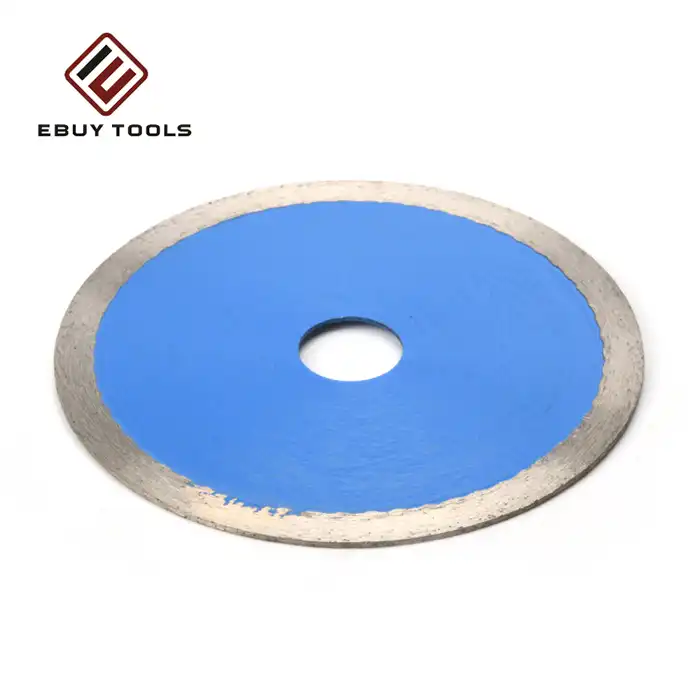
To keep a metal cutting disc from breaking, you need to know that it works under very strong rotational forces and heat stress. Important steps include choosing discs with the right RPM rates for your machine, making sure the fixing force is right, and staying away from lateral pressure. Quality discs that are made to EN 12413 standards and have three layers of fiberglass mesh to strengthen them greatly lower the chance that they will break. Checking tools for cracks on a regular basis, keeping them dry, and using the right type of grit for the material (brown fused alumina for carbon steel, white alumina for stainless steel) all have a direct effect on safety and tool life in tough industrial settings.


Understanding the Problem of Metal Cutting Disc Breakage
One of the most dangerous things that can happen in welding settings is metal cutting disc breakage. When an abrasive wheel that is spinning breaks at speeds higher than 10,000 RPM, the pieces can become dangerous missiles. Understanding why these mistakes happen helps procurement managers and shop floor leaders come up with good ways to stop them from happening in the first place.
Common Causes of Disc Failure
Material flaws are still the main reason why things break without warning. Weak spots that break under stress are caused by manufacturing flaws in the phenolic resin bond or incomplete drying. Reputable makers deal with this by testing their goods thoroughly at 1.5 to 2 times the highest rated RPM, which makes sure the structure is sound before they get to your plant.
Almost 40% of recorded accidents are caused by bad mounting techniques. If you tighten the holding nut too much, stress builds up around the arbor hole. If you loosen it too little, the disc can wobble and cause damaging noises. The suggested mounting torque is usually between 8 and 12 Newton-meters, but the exact range depends on the disc width and the model of grinder.
When RPM values are wrong, terrible things happen. On the metal center of each grinding wheel is written the fastest speed that is safe to use. When this limit is crossed, centrifugal forces are created that are stronger than what the fiberglass support was designed to handle. If you put a 230mm disc that is rated for 6,600 RPM on equipment that is going at 8,500 RPM, the disc will break.
Misconceptions That Lead to Premature Failures
A lot of users think that bigger discs always last longer, which is not true. There is more rough material on a 3.0mm disc than on a 1.0mm disc, but the thicker shape makes more heat and needs more cutting power. Ultra-thin discs actually work better and last longer in precision applications that use thin-walled pipe or sheet metal because they put less thermal stress on the object.
People often make mistakes because they don't know the difference between cutting and grinding. Cutting discs have thin shapes that are made to work with circular cutting forces only. When you try to use them for surface cutting or weld removal, you put dangerous horizontal loads on them that wear away the protective fiberglass layers. This simple mistake leads to a lot of accidents in workshops every year.
Concerns about shelf life don't get enough attention. Over time, phenolic resin bonds slowly take in water from the air, which makes their structure features weaker. Most companies stamp the disc's metal ring with a production date and say that it should be used within three years. Industry safety data shows that using old discs increases the chance of breaking them by about 60%.
Key Factors to Prevent Metal Cutting Disc Breakage
A structured method that includes selection, installation, operation, and upkeep is needed for prevention to work well with a metal cutting disc. All of these factors affect each other and work together to improve safety and effectiveness. Matching metal cutting disc properties to your specific requirements avoids the majority of performance issues.
Selecting the Right Disc Specifications
Brown fused alumina composition is a great mix between cost and function for making structural steel with I-beams and thick plates. Because these grains are self-sharpening, they keep their cutting action without glazing even when the force is high.
Specialized methods are needed to work with stainless steel. Cross-contamination from standard discs with iron fillers causes rust to show up on metals that don't rust. INOX-specification products keep the amounts of iron, sulfur, and chlorine below 0.1%, which stops contact corrosion that is very important in food-grade and pharmaceutical production settings.
When choosing a thickness, you have to weigh speed against longevity. The ultra-thin 0.8mm to 1.2mm versions cut very quickly and lose very little material, which makes them perfect for precise work on thin materials. For heavy-duty uses, 2.5mm to 3.0mm shapes are better because they are more stable on the sides and last longer when cutting thick parts over and over again.
Proper Mounting Procedures
For safe function to begin, the installation must be done correctly. Before you place a disc, look for damage on both the equipment shaft and the disc itself. Make sure that the diameter of the arbor hole fits the diameter of the spindle on your grinder. Even small differences can cause dangerous runout and shaking.
When you clean mounting flanges, you get rid of the metal dust and other debris that gets in the way of proper fitting. The flanges should only touch the disc around the outside ring and never the abrasive body itself. This design lets the disc bend a little while it cuts, which absorbs shock loads that would have caused it to crack otherwise.
Tightening order is very important. Tighten the retaining nut by hand until it touches the outer ring. Then, use a measured wrench to apply the right pressure. When you over-tighten, you crush the disc's center ring and cause stress fractures. When you don't tighten enough, the disc slips, which causes damaging heat and sound.
Cutting Techniques That Minimize Stress
The way an operator works directly affects how long a disc lasts and how safe it is. Keep the cutting angle to the workpiece between 75 and 90 degrees, and don't load the disc from the side, which would bend it. Instead of pushing the tool too hard, let the grit do the work. Too much pressure causes heat that breaks down the resin bond and speeds up wear.
It works better to cut continuously than to touch something every now and then. When the disc goes into and out of the cut over and over, it goes through heat cycle that makes tiny cracks in the bond structure. If you can, make all of your cuts in one pass by moving slowly and smoothly.
Cool-down times make discs last a lot longer. Let the disc run for 15 to 20 seconds between cuts when you are cutting for a long time. This process gets rid of the heat that has built up and keeps the phenolic glue that holds the rough grains together from breaking down at high temperatures.
Safety Protocols and Maintenance Standards
Setting up regular checking processes for a metal cutting disc helps find problems early on, before they become dangerous. Check discs for cracks, chips along the edges, or delamination of the fiberglass support layers before each work session. The ring test is an easy way to make sure: just hold the disc up and lightly tap it with something that isn't metal. A clear, ringing tone means the structure is strong, while a dull thud means there is damage inside.
The way discs are stored has a big effect on how long they last. Keep discs that aren't being used in climate-controlled spaces that are away from sources of high heat or cold and moisture. Do not stack discs right on top of each other, as this can cause them to bend. Instead, hang them on hangers or store them upright in racks.
Personal safety equipment is still a must. The bare minimum is safety glasses, face shields, hearing protection, and gloves that won't cut. Most major accidents can be avoided by making sure that all guards stay in place on grinding equipment. Do not take down or change safety guards to make them easier to reach or see through. Doing so removes the main barrier between workers and broken discs.
Procurement Insights: How to Choose and Buy Metal Cutting Discs that Last?
Buying choices involve more than just the initial cost of the metal cutting disc; they also include the total cost of ownership, the dependability of the supplier, and the level of expert help available. Smart buying teams look at many things to make sure that performance and value are always the same.
Evaluating Manufacturer Credentials
In the abrasives business, product consistency and safety compliance are highly linked to a brand's image. Well-known companies put a lot of money into research and development, building up systems for quality control, and always making their processes better. This is shown by companies like Danyang Ebuy Tools, which has 77,000-square-meter facilities with quality control teams that test every batch of output.
A supplier's production potential shows how well they can stick to shipping dates. When specialized goods like cutting discs are made every day in quantities greater than 150,000, it means that the manufacturing process is mature and the supply chain is stable. This size is important, especially for big businesses where missing tools can have a direct effect on plans and profits.
Certifications for a metal cutting disc are an objective way to make sure that safety and efficiency standards are met. Compliance with EN 12413 makes sure that discs meet European safety standards for bonded abrasive goods, which include tests for burst speed and accurate measurements. Extra certificates from groups like oSa (Organization for the Safety of Abrasives) show dedication to following the best practices around the world.
Understanding Product Specifications and Warranties
The quality of technical documents shows how knowledgeable the maker is and how they handle customer service issues. Detailed specs should include the type of abrasive grain, the bond formulation, the structure of the reinforcement, the fastest speed that is safe to use, and the suggested uses. Not clear or full specs could mean that there isn't enough quality control or that people are trying to hide the limits of the product.
Warranty terms show how confident the maker is in the product's longevity. Normal guarantees cover flaws in the way the product was made, but not damage caused by abuse. Some high-end sellers include performance guarantees in their warranties, meaning that they will send you a new disc if the product doesn't meet the cut rates that were agreed upon under normal, recorded use.
Protocols for testing set professional-grade goods apart from cheaper options. Verification of the burst speed at twice the allowed RPM makes sure that the fiberglass support is still intact. G-ratio analysis measures how well material is removed compared to how much the disc wears down. This gives objective data for figuring out the cost-per-cut. Vibrations that speed up equipment wear and make operators tired can be avoided with static and dynamic balance tests.
Bulk Purchasing Strategies and Supplier Relationships
Volume agreements usually give you big price breaks and make sure you always have a stock of goods. Setting up yearly contracts with different prices based on volume guarantees good rates and gives sellers a clear picture of what they need to plan their production around. This deal is good for everyone because it lowers transaction costs and makes it easier to keep track of supplies.
Strategic sellers are different from transactional vendors because they offer technical help. It is very helpful to have access to application engineers who know about the products and methods you use. These experts suggest the best disc standards for new uses, fix problems with performance, and train operators in ways that cut down on breakages and boost cutting efficiency.
Logistics dependability has a big effect on the total cost of ownership. Suppliers with strong transport networks cut down on wait times and the costs of keeping goods on hand in case of supply disruptions. Being able to track deliveries and make sure they happen on time allow for low stocking levels, which frees up cash for other business needs.
Conclusion
To keep a metal cutting disc from breaking, you need to choose high-quality products and follow strict operating procedures. Choosing discs that are made to work with the materials you're working with (checked through maker certifications and testing methods) is the first step to safe, effective cutting. The human factors that cause most failures can be fixed with the right mounting methods, cutting techniques, and regular check schedules. Knowing the differences between disc types and sizes lets you make smart choices that balance cost and performance. Partnering with makers who can show they can produce, have strict quality control, and offer good technical support guarantees a steady supply of reliable products. All of these tactics work together to lower running costs, cut down on breakage, and keep workers from getting seriously hurt.
FAQ
What is the typical lifespan of a metal cutting disc in industrial settings?
Lifespan changes a lot depending on how hard the material is and how much it is used. When cutting 6mm plate for structural steel construction, a good 230mm disc can usually make 80 to 120 linear meters of cuts. Due to the higher toughness of stainless steel, this is cut down to about 60 meters for uses. Ultra-thin precision discs may only be able to cut 30 to 40 meters, but they can do it twice as fast as normal thickness discs.
Can I use cutting discs on stainless steel without special specifications?
Standard carbon steel discs have iron fillers that get on stainless steel surfaces and cause rust spots that make the steel less resistant to rusting. For steel uses, you should always ask for INOX or contamination-free discs. These specialized goods cost about 15% more, but they keep the material's protective qualities, which are important for use in food processing, pharmaceutical equipment, and architecture.
What RPM range ensures safe disc operation?
On the metal center ring of each disc, it says the fastest speed that is safe to use. Don't go above this grade. 230 mm discs usually spin at 6,600 RPM, while 115 mm discs can safely spin at 13,300 RPM. Make sure that the no-load speed of your grinder meets the disc's specs. Even 10% above the rated speed makes the risk of bursting much higher and voids all maker warranties and safety standards.
Source Premium Metal Cutting Disc Solutions from Ebuy Tools
Working with a metal cutting disc maker dedicated to quality and customer success is the only way to lower disc failure and increase cutting speed. Advanced manufacturing and strict testing methods are used by Danyang Ebuy Tools to make abrasive goods that meet the strict needs of precision machining, car production, and aerospace uses. Our triple fiberglass strengthening and agreement with EN 12413 standards make sure that operators are completely safe, and our daily production capacity of 150,000 pieces ensures that high-volume operations have a steady supply. You can email our technical team at [email protected] to talk about your unique cutting problems and get disc suggestions that will work best for you and your budget in your manufacturing projects.
References
Anderson, J.M., "Abrasive Safety Standards and Industrial Best Practices," Journal of Manufacturing Safety, 2021.
Chen, L.H., "Material Science of Bonded Abrasives: Resin Systems and Reinforcement Technologies," International Abrasives Research Quarterly, 2020.
European Committee for Standardization, "EN 12413: Safety Requirements for Bonded Abrasive Products," Brussels, 2019.
Morrison, R.K., "Cost Analysis of Cutting Tool Selection in High-Volume Manufacturing," Industrial Engineering Review, 2022.
Organization for the Safety of Abrasives, "Operational Guidelines for Abrasive Wheels in Metalworking," Technical Publication Series, 2021.
Zhang, W. and Thompson, D., "Failure Mode Analysis of Reinforced Cutting Discs Under Operational Stress," Materials Engineering International, 2023.