.webp)

Different types of metal have very different metal cutting disc performance because the metals are not all the same in terms of how hard they are, how well they carry heat, and how their structures are put together. Abrasive disks work well with mild steel because they don't give up much resistance and produce regular heat patterns, which makes them perfect for general fabrication. Stainless steel is hard to work with because it hardens during the process of cutting, so you need special INOX-grade discs to keep the quality of the cut. Aluminum needs completely different methods because its soft structure and high heat conductivity can make discs load and get clogged. By knowing how these materials behave in certain ways, procurement professionals can choose cutting solutions that combine speed, accuracy, and cost-effectiveness across a wide range of industrial processes.
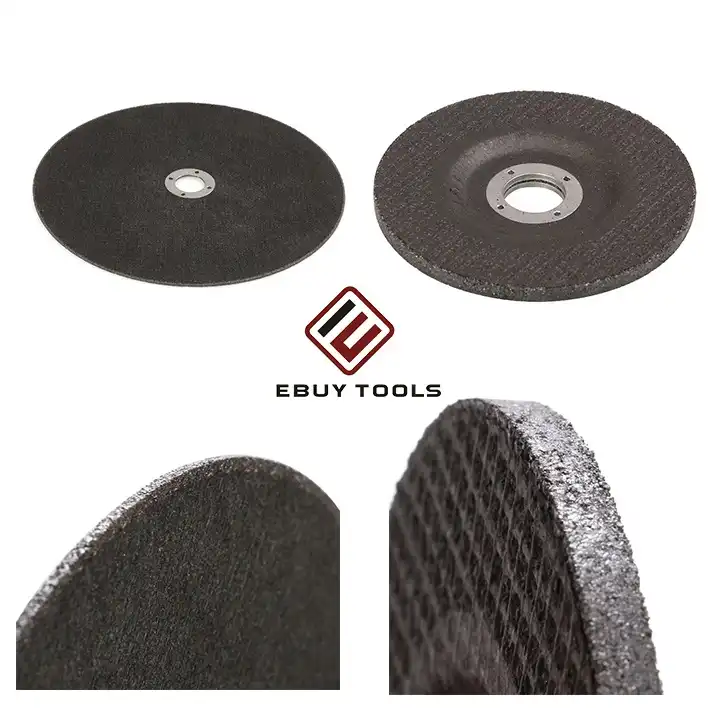
Understanding Metal Cutting Discs: Core Concepts and Types
Bonded abrasive metal cutting disc tools have changed the way welding is done today because they are more flexible than standard sawing methods. These cutting tools use specialized resin ties, support materials, and abrasive grains to make products that are perfect for certain cutting tasks.
Construction and Material Composition
Abrasive discs made for professionals are built around three important parts that work together. High-speed friction takes material from the cutting edge, which is made up of abrasive bits that are usually aluminum oxide, silicon carbide, or zirconia alumina. The phenolic resin bond matrix that holds these grains in place controls how much they are exposed to wear and how fast they wear down. Surrounding this rough matrix, several layers of weaving fiberglass mesh provide structural stability, keeping the structure from falling apart under the huge centrifugal forces that are created when the machine is running at 80 meters per second.
Cutting Discs Versus Grinding Discs
A big difference that affects both safety and efficiency is often missed by procurement pros. Cutting discs are only made to work with radial force, which means they move perpendicular to the surface of the subject. Their thin shape, which ranges from 0.8 mm to 3.2 mm, speeds up cutting and reduces waste. Grinding blades, on the other hand, are usually 6 mm thick and are made to withstand side pressure during operations like surface preparation and deburring. When you use a cutting disc for side grinding, it creates dangerous stress patterns that can wear away the fiberglass support and cause the disc to break.
Standard Specifications and Compatibility
By matching the specs of the disc to the powers of the machine, operating inefficiencies and safety risks can be avoided. Most of the time, diameter choices range from 100 mm for small angle grinders to 400 mm for standing chop saws. The center fixing hole, or bore, must be the exact same size as the arbor on your equipment. In most industrial settings, the bore size is between 16mm and 25.4mm. Maximum RPM rates go down as the disc diameter increases, so you need to carefully check these numbers against your grinder's instructions to make sure you don't over-speed.
Knowing these basic things helps buying managers be clear with sellers about technical needs and makes sure that all of your production equipment works together.
Performance Analysis: How Metal Cutting Discs Handle Different Metals
More than any other factor, the performance of a metal cutting disc depends on its material. Each type of metal has its own problems that need to be solved with specific abrasive formulas and changes to how the machine works.
Mild Steel and Carbon Steel Applications
When it comes to cutting, mild steel is the best material for bonding abrasives. Due to its middling hardness and reliable thermal behavior, brown fused alumina discs keep their cutting ability even after being used for a long time. The structure of the material is pretty stable, so it doesn't work harden too quickly. This lets workers keep the feed pressure fixed without making too much heat. Our factory makes discs that are perfect for structural steel construction, where thick plates and I-beams need long-lasting cutting power without premature glazing, which is when the bond gets too strong to remove worn grains.
Stainless Steel Cutting Challenges
The chromium in stainless steel makes an inactive oxide layer that stops rust but makes cutting more difficult. This material gets very hard very quickly when it rubs against something, creating a lot of strong heat that can make discs glaze over. More importantly, iron bits in regular cutting discs make rust stains that look bad and weaken the weathering resistance that makes stainless steel valuable. INOX-specification discs solve this issue with carefully controlled mixtures that have less than 0.1% iron, sulfur, and chlorine all together. These special discs have white combined alumina grains that keep the cutting edges sharper and lower the friction heat. This keeps the discs lasting longer and the workpieces intact in food-grade and pharmaceutical manufacturing settings.
Aluminum and Non-Ferrous Metal Considerations
Cutting aluminum is different from cutting steel because aluminum is soft and conducts heat well. The tendency of the material to load and spread out between rough grains makes cutting less effective and can lead to disc locking. Because the grains in silicon carbide abrasives are sharper and more friable, they break up more easily to reveal new cutting edges. This stops the loading that happens when cutting aluminum with regular aluminum oxide formulations. When working with metal parts, operators should lower the cutting pressure and keep the peripheral speeds high so that heat doesn't build up at the cut contact.
High-Alloy and Tool Steel Performance
Hardened steels and rare alloys that push the limits of standard cutting technology are often used in aerospace parts and precise tools. Zirconia alumina abrasives work really well in these tough jobs because they have a self-sharpening process. When individual grains get dull from stress, they break apart to reveal sharp new edges instead of getting smooth and losing their effectiveness. This feature makes the disc last a lot longer when cutting 4340 alloy steel or precipitation-hardened stainless types that are used in turbine parts. The trade-off is a higher starting cost, which procurement experts have to weigh against higher output and less downtime for changing discs during long production runs.
Thickness Considerations in Metal Cutting
Material width affects disc choice in more ways than just how long they will last. For a metal cutting disc, ultra-thin versions, which come in sizes ranging from 0.8mm to 1.6mm, cut very quickly and leave a very small kerf width, which cuts down on material waste in precise uses. Because they are lighter, they don't vibrate as much and are easier for the user to control when cutting thin metal sheets or tubes. Standard 2.5mm to 3.0mm discs are better for heavy-duty uses with plate steel that is thicker than 10mm because they offer better side stability and can handle the higher heat loads that come up during long cuts. The thicker disc shape keeps it from bending when it's loaded, which keeps the cut straight and lowers the risk of disc binding in deep cuts.
Choosing the right disc mixture for the metal type you're working with has a direct effect on the cost per cut, the quality of the surface finish, and the safety of the user. These are three factors that measure how efficiently a factory works.
Making the Right Procurement Decision: Choosing and Buying Metal Cutting Discs
When buying any metal cutting disc strategically, you have to think about both short-term costs and long-term performance factors that affect the total cost of ownership.
Matching Disc Specifications to Application Requirements
A structured evaluation approach helps buying teams find their way around the many specification choices for industrial cutting discs. Material suitability is the first step. This means matching the type of grit to the metals that your facility works with most often. Brown fused alumina is the go-to formula for general manufacturing shops because it has a great cost-to-performance ratio for both carbon steel and mild steel uses. White fused alumina keeps surfaces clean and makes exact cuts in corrosion-resistant metals, which is why it is so important for working with stainless steel. Zirconia alumina is better at lasting longer than other materials, but it costs more per unit. It works well with strengthened steel and rare metals.
The shape and width of the disc you choose should match the types of cuts you usually make. Ultra-thin 0.8mm to 1.2mm versions help places that do precise work with thin materials by increasing cutting speed and reducing material waste. When cutting solid steel and thick plate in heavy industrial settings, you need strong 2.5mm to 3.0mm choices that stay stable and don't break under high cutting pressures.
Budget Versus Premium Options Analysis
Price differences in metal cutting disc aren't just about brand placement; they're based on real differences in how well they work. Budget discs usually use standard aluminum oxide formulas and double-layer fiberglass support, which is fine for occasional use and uses that aren't very important. Premium choices have more advanced abrasive grain structures, like microcrystalline or semi-friable types that keep cutting edges sharper by controlling the way they break. Premium discs with triple-layer fiberglass support can work at faster peripheral speeds with better safety gaps. The better formulas lead to higher G-ratios, which measure the amount of material taken compared to disc wear. This means that fewer disc changes are needed per shift, which saves money on labor costs.
Supplier Reliability and Brand Considerations
Well-known brands like DEWALT, Bosch, Makita, and Stanley have a strong place in the market thanks to their high quality products and thorough safety testing. Their goods always meet international standards and can be tracked back to the batch they came from. New providers, especially those with a lot of production capacity and well-documented quality systems, can give similar quality at lower prices. When purchasing things, people in charge should check a few important things: proof of EN 12413 certification, burst speed test methods, and proof of systematic quality control, such as G-ratio testing and balance inspection processes.
At Danyang Ebuy Tools, our 77,000-square-meter factory can make more than 150,000 pieces every day. This shows that we have the size to support the supply lines needed by global industrial operations. Our focused Research & Development department lets us make changes for specific uses, and strict quality controls make sure that every disc meets international safety standards before it is sent out.
Bulk Purchasing Strategies for Cost Efficiency
It's clear that buying in bulk lowers the cost per unit, but smart buyers also look at other factors that affect total value. The expensive problem of performance differences between batches can be avoided by building ties with suppliers who can keep quality high across big production runs. When demand for cutting discs rises during times of high production, suppliers who can keep inventory levels high and meet shipping dates keep production from stopping. As part of procurement deals, negotiating technical support and application help adds value above and beyond unit price. This is especially true when adding new materials or processes to production routines.
These things to think about when buying have a direct effect on both short-term working costs and long-term production efficiency.
Conclusion
Learning about how rough cutting tools work with various types of metals helps you make better purchasing choices that have a direct effect on the speed of production, the safety of workers, and the costs of running the business. For a metal cutting disc, standard aluminum oxide recipes work well with mild steel because it is flexible, but you need special INOX-grade discs for stainless steel to keep the cut quality and avoid contamination. Because aluminum is so different, it needs silicon carbide abrasives to keep it from loading. For exotic metals, modern zirconia alumina formulations that keep cutting efficiently through self-sharpening processes work best. In addition to making sure the discs are made of compatible materials, they should also be the right thickness, width, and support for the job. Safety rules and maintenance procedures keep workers safe and stretch the life of discs. Strategic procurement looks at unit price, supplier dependability, expert assistance, and supply chain consistency, along with the total cost of ownership, to find the best mix between instant cost and total cost of ownership.
FAQ
How do I verify disc suitability for specific metals?
Check the disc's abrasive type marked on the label or reinforcement ring. It is good for carbon and mild steel to use brown fused alumina. White combined alumina with an INOX name keeps stainless steel from getting dirty. Silicon carbide works well with aluminum and metals that aren't iron. Zirconia alumina works well with rare metals and hardened steels. The disc package should list the materials that work with it, and reputable disc makers offer application guides that explain the best disc formulations for different metals and cutting situations.
What safety compliance standards should industrial buyers prioritize?
Check that the discs meet the rules of EN 12413 standards for European markets or comply with oSa (Organization for the Safety of Abrasives) requirements. These approvals show that the discs have been tested for burst speed at 1.5 to 2 times their stated RPM and meet basic safety standards for reinforcement integrity. Ask for proof of quality control at the batch level, such as balance inspection and structure testing procedures that make sure safety performance stays the same across production runs.
How often should I replace cutting discs under heavy industrial use?
Replacement timing depends on performance indicators rather than arbitrary schedules. When the width of the discs gets within 10 mm of the mounting arbor, when fiberglass strands can be seen at the cutting edge, or when cracks start to spread out from the center hole, they need to be replaced. Performance-based replacement triggers are needed when there is too much shaking, when the cutting speed drops and more pressure needs to be applied, or when the spark color changes from bright white-yellow to dull red, which shows that glazing has happened.
Partner with Ebuy Tools for Superior Metal Cutting Solutions
Enterprise-level metal cutting disc options from Danyang Ebuy Tools are designed to meet the needs of demanding industrial metalworking uses. Our high-tech aluminum oxide and silicon carbide abrasive mixes, reinforced with three layers of fiberglass mesh, give your processes the safety limits and cutting performance they need. We keep the supply chain reliable so that your production lines don't have to stop working by making more than 150,000 pieces every day in our 77,000-square-meter building. Each disc goes through strict burst speed tests at 1.5 times its rated RPM and meets EN 12413 safety standards. Our expert team can make solutions that fit your needs, whether you need ultra-thin 0.8mm options for precise work or strong 3.0mm options for heavy-duty structural steel production. We offer reasonable volume prices and quick technical help as a reliable manufacturer. Get in touch with our purchasing experts at [email protected] to talk about your cutting tool needs and find out how our abrasive solutions can help you be more productive while lowering your total cost of ownership.
References
Brown, J.R. (2021). Advanced Abrasive Technology in Modern Manufacturing. Industrial Press.
Chen, W. & Thompson, P. (2020). "Performance Analysis of Bonded Abrasive Cutting Tools Across Ferrous and Non-Ferrous Materials," Journal of Manufacturing Science and Engineering, 142(8), pp. 081-094.
European Committee for Standardization (2019). EN 12413: Safety Requirements for Bonded Abrasive Products. CEN Publications.
Harrison, M. (2022). Metal Cutting and Abrasive Processes: Theory and Practice. McGraw-Hill Education.
Organization for the Safety of Abrasives (2020). oSa Technical Guidelines for Abrasive Product Testing and Certification. oSa International Standards.
Wagner, S.K. & Liu, H. (2021). "Thermal Management and Material Compatibility in High-Speed Abrasive Cutting Operations," International Journal of Advanced Manufacturing Technology, 115(5-6), pp. 1547-1562.
_1732239824901.webp)