.webp)

Diamond Core Drill Bits are precision-engineered cylindrical cutting tools designed to create clean, accurate circular holes in extremely hard materials such as reinforced concrete, granite, asphalt, and masonry. Unlike standard percussion bits that chip away material, these drilling solutions utilize a grinding mechanism driven by industrial-grade synthetic diamond segments embedded in a metal matrix on the bit's cutting edge. This technology addresses the inability of standard carbide bits to cut through steel reinforcement bars embedded in concrete without shattering, eliminates structural micro-fractures caused by heavy vibration in hammer drilling, and ensures perfectly round penetrations essential for HVAC, plumbing, and electrical installations.
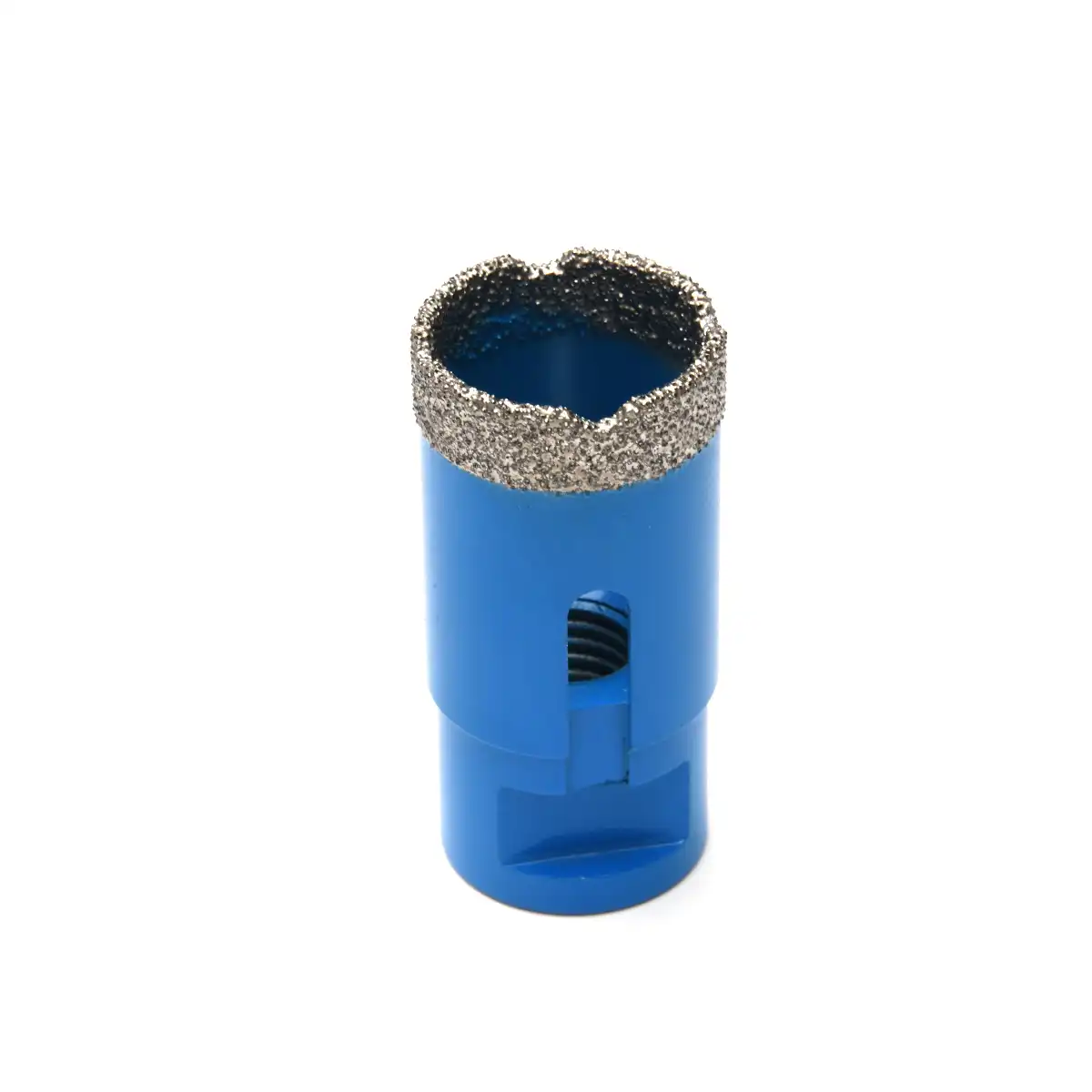
Understanding How Core Bits Work
The Fundamental Principles Behind Core Drilling Technology
When cutting hard materials, core drilling differs from percussion. Instead of pressure, abrasion is employed. With a Diamond Core Drill Bit, the metal bits' industrial-grade diamonds cut through the material. Diamonds rotate and push down to eliminate microscopic particles. While deepening the hole, a cylinder-shaped core remains.
Diamonds with grit sizes between 30/40 and 40/50 mesh and concentrations between C75 and C100 are used by Danyang Ebuy Tools. The cutting speed and finish depend on these parameters. High-grit bits cut reinforced concrete better. Softer materials cut faster with coarser grit, but granite finishes better with finer grit.
Advanced Materials and Construction Methods
Diamond bits' performance depends on their metal structure. Keeping fresh diamond cutting edges visible requires this bond substance to wear away at the proper rate. Based on material hardness, we create bond formulae. Hard materials like cured high-PSI concrete work best for soft bonding because they wear away rapidly to expose fresh diamonds. However, strong bonds retain diamonds in place and prevent premature wear on uneven surfaces like asphalt.
Technology for segment connectivity is crucial. For dry drilling, where friction raises temperatures, laser welding resists heat well. Wet drilling facilitates high-frequency brazing because water cools the metal. In order to prevent barrel jams and machine damage, our facility maintains barrel run-out below 0.15 mm. With this precision, the bit cuts straight throughout the material without waviness or off-center.
Key Performance Advantages Over Traditional Drilling Methods
Other percussion approaches fail, but core pieces work. Standard hammer drills produce microscopic fractures in steel-rebar-reinforced concrete. Cracks weaken structures. Core digging cuts concrete and steel without startling the material. MEP infrastructure developments in high-rise buildings need the technology to maintain floor slab and shear wall structural integrity.
Reduced noise is another advantage. Urban construction sites must observe stricter noise rules. Core drilling produces less noise than impact drilling. In noise-sensitive locations, work may continue legally. By making round holes, core bits provide tight conduit sealing. This prevents HVAC air leaks and plumbing leaks.
Safety Considerations and Operational Best Practices
Understand the forces to manage anything properly. Core drills exert significant pressure, particularly when they meet steel reinforcement. Cut rebar with reduced feed pressure to let diamonds grind without becoming trapped. Dry drilling still requires eye and breathing protection.
Storage affects how long things last. Metal bits may shatter if dropped or stored with other metal equipment. Custom cutting tool storage containers protect them from harm. Before each use, checks find worn parts or weak welds before they affect machine operation. Knowing the load limits for your drilling equipment can prevent motor burnout and bit wear from excessive feed pressure.
Types of Diamond Core Drill Bits and Their Applications
Segmented Core Bits for Versatile Material Penetration
Segmented Diamond Core Drill Bits feature distinct diamond segments that are separated by gullets that extend from the edge to the center. Gullets perform several tasks. Allowing slurry or dust to exit the cutting zone simplifies trash removal. Air flow prevents the bit from overheating, and stress relief extends heavy-duty usage. This method digs reinforced concrete, asphalt, and blocks well.
The purpose determines segment height and distance. In dry drilling, broader gullets cool and remove debris, while larger parts last longer in tough materials. Fabricators of cast iron and steel alloy engine parts and gearbox housings need segmented pieces to build mounting and cooling channels. No parts are lost when the design cuts via many fabrics.
Continuous Rim Bits for Precision Finishing
The diamond-embedded edge of continuous rim bits wraps around the bit without division. Tile, marble, and engineered stone work well with this setup's smooth, chip-resistant cuts. The continuous rim technique is used by mold and die manufacturers to drill accurate tooling parts because surface finish affects quality.
Without gullets, the water must be constantly chilled to avoid glazing. In readily damaged materials, continuous rim bits create superior holes when cooled appropriately. Flight safety requires precise tolerances and flawless surface finishes; thus, aircraft component producers drill titanium alloy bulkheads using continuous rim bits. Continuous cutting edges eliminate segmented bits' inconsistent impact, reducing sound and improving hole form.
Turbo Rim and Hybrid Designs for Specialized Demands
Turbo rim bits have integrated segmented and continuous jagged edges. The serrations help cool and remove dirt without altering the cutting motion. This compromise works for concrete blocks, granite countertops, and more. Because turbo designs are straightforward to utilize, industrial tool manufacturers who require adaptable tooling for a variety of production runs prefer them.
For better performance in tough conditions, hybrid bits employ several segment types. To speed up processing, some designs incorporate rough parts on the main edge and smoother segments around it. Cutting anchor holes through ancient, high-PSI concrete for bridge repairs is faster using hybrid technology, which accounts for the varying hardnesses of existing infrastructure.
Brand Comparisons and Technology Innovations
Leading manufacturers use unique bond compositions and manufacturing processes to differentiate their goods. Bosch emphasizes cross-material compatibility and performance. Wholesalers who service many clients like their products. Hilti manufactures durable products for high-volume manufacturing. They attract automotive-tier suppliers that operate continuously. Aviation uses Tyrolit's superior metallurgy for accurate and dependable jobs.
We provide customizable solutions with tight quality control at Ebuy Tools. EN 13236 fragment shear testing verifies weld stability. It prevents segment separation at high RPM. Checking concentration using dial markers eliminates run-out, which produces shaking and large holes. Abrasion testing in C45/C50 reinforced concrete assesses drillable versus segment height loss. Cost-per-hole figures are provided for procurement teams to generate correct budgets.
How to Choose the Best Diamond Core Drill Bit for Your Project
Material Type and Hardness Assessment
To select the appropriate Diamond Core Drill Bit, first describe the object you'll be drilling. The hardness of reinforced concrete depends on the rock used, its care, and its compression strength. Bond strength differs for new concrete below 3000 PSI and old concrete above 5000 PSI. To avoid glazing, granite and engineered stone need soft bonds and lots of diamonds.
Steel adds another quality. Rebar diameter and density affect cutting speed and bit wear. High-quality bits with lots of diamonds and segment shapes that smoothly step from concrete to steel are needed for heavy strengthening. To ensure sellers recommend the right bit configurations, procurement teams should review material specs and send samples when requesting quotes.
Drilling Diameter, Depth, and Machine Compatibility
Bore diameter affects drilling speed and torque. Bigger diameters require stronger tools and longer drilling times because cutting surface area grows exponentially. Depth determines bit length and debris removal. Dry drilling works for holes under 150 mm deep, but longer holes require wet drilling to remove slurry and cool the drill.
When choosing bits, equipment compatibility is often overlooked. For core bit placement, arbour systems, thread patterns, and shank designs vary. Core cutting rigs can handle bits up to 500 mm, whereas handheld angle grinders can take 150 mm bites. To minimize bit damage and maximize machine performance, the motor's power, RPM ranges, and feed pressure must meet bit specs.
Performance Metrics and Cost-Benefit Analysis
Bit prices alone will lead to bad purchases. The cost of ownership includes bit lifespan, cutting speed, and change downtime. Since it lasts longer and penetrates faster, a premium bit may have a lower cost per linear meter. In fast-paced metalworking shops, rapid drilling reduces billable hours, making better tools worth the investment.
User behavior should be considered when measuring durability. Wet drilling extends segment life, but it requires water infrastructure and challenges slurry management. On jobsites without water, laser-welded bits that can withstand dry drilling heat must be used. Because procurement managers understand these trade-offs, they can match bit specifications to business conditions instead of claiming perfect performance.
Decision Framework for Bit Selection
Choose faster with a structured method. Starting with the project's material, hole size, penetrations, and tools, list them. Rank cutting speed, bit life, hole quality, and funds. The weight of these varies by project. Strength and cost-effectiveness are key for high-volume production. Precision and surface finish matter most for pilot work.
Pair bit types with project descriptions using technical specs. With medium to high rebar content, segmented bits work well. Continuous rim bits are needed for precise work in hard materials with little chipping. Turbo designs can be configured for many materials. Manufacturer technical datasheets can help you determine your machine's RPM ranges, feed pressures, and cooling needs. Supplier application engineering helps customers make smart purchases before making big investments.
Maintenance Tips and Troubleshooting for Diamond Core Drill Bits
Routine Cleaning and Cooling Techniques
Immediately after use, maintain your Diamond Core Drill Bit. As concrete slurry or stone dust hardens, segments may break off. Clean bits well after wet drilling and use a stiff brush to remove material between segments. During dry drilling, dust sticks to diamond surfaces. Just before it gets too dense, compressed air removes this junk.
Cooling bits during processing greatly affects their lifespan. Continuous water flow to the cutting zone is needed for wet drilling. Without enough flow, localized warming damages the bond and shines diamonds. The hole's breadth and depth should affect flow rates. While rig-mounted drilling uses coolant delivery systems to maintain temperature, helper-applied water streams aid hand-held operations.
Identifying and Resolving Common Performance Issues
Smooth, glossy, hard-to-cut segment surfaces are glazing. A tough bond matrix prevents natural wear that would reveal new diamonds in the material being drilled. After drilling into soft, abrasive materials like cinder blocks or sandstone to "dress" the bit and remove the glazed layer, cutting action is restored. Persistent glazing indicates a wrong bond specification and the need to order a softer bit.
Segment loss is a very dangerous way for anything to fail, and it has major safety consequences. Weld failure and segment separation at high RPM might be caused by not enough cooling, too much feed pressure, or faults in the manufacturing process. Most mistakes can be avoided by keeping the bits within certain RPM ranges and making sure they stay cool. Visual examination before each usage uncovers welds that aren't operating correctly by spotting holes or variations in color around the bases of segments. Any bits that aren't sure should be thrown away right away to avoid dangerous fails while they're being used.
Replacement Indicators and Inventory Management
Monitoring the wear height of segments lets you know early on when they need to be replaced. When segments are worn down to less than 30% of their original height, they cut much less well and are more likely to break. Keeping track of the number of linear meters drilled by each bit defines baseline performance requirements for your materials and operating circumstances. Any variations from these baselines suggest that there are concerns that need to be looked into.
When you manage your inventory carefully, bit failures don't impede production as much. Keeping enough of the most common sizes and standards in stock allows you to replace pieces straight away as they reach the end of their useful life. Building partnerships with trusted suppliers ensures timely replenishment of unique bits for purposes that pop up out of the blue. Our R&D division works with our procurement teams to look at how goods are utilized and advise the ideal inventory numbers that balance cost and access.
Procurement Insights: Where and How to Buy Diamond Core Drill Bits
Understanding Pricing Factors and Quality Parameters
Beyond manufacturing costs, other factors impact prices. Quality and concentration determine Diamond Core Drill Bit prices. Premium, precisely graded imitation diamond pieces cost more but function better and last longer, so it's worth it. Segments' attachment affects costs. Traditional brazing is cheaper than laser welding, which needs costly equipment.
Professional bits have higher production and quality standards. Compliance with EN 13236 for segment attachment strength, dimensional tolerances below 0.15mm, and bond matrix hardness tests enhance dependability but increase manufacturing costs. Acquisition managers must compare the initial cost against the entire cost of ownership. Because they last longer and perform more reliably, better bits have lower cost-per-hole.
Evaluating Purchasing Channels and Bulk Buying Strategies
Online shopping offers many options, but it can be difficult to verify product specs and seller reliability. Photos and descriptions may not accurately depict product quality. Local wholesalers offer close inspection and quick access, but they stock few high-volume commodity sizes. For large quantities, buying directly from manufacturers offers the best prices and lets you customize the specs.
Businesses with constant purchasing needs benefit from volume purchasing agreements. Tier pricing lowers unit costs significantly when you order quarterly or annually. Contract manufacturing lets you choose the diamond concentrations, bond formulations, and segment shapes that best suit your needs. Minimum orders cover setup expenses in these agreements. By improving tooling, they give businesses an edge.
Supplier Selection Criteria and Relationship Management
First, check certification to screen suppliers. ISO 9001 quality management certification ensures manufacturing requirements are always reached because of processes. Certifications in your industry demonstrate your application knowledge. Customers in comparable professions may attest to a company's reliability, expertise, and speed to resolve issues.
Exemplary suppliers provide after-sales support. Having access to application tech professionals helps pick the best pieces and create the optimum operational parameters for the greatest performance. Performance issues that occur during production are easily resolved by technical help that is timely. Good return policies and warranties safeguard against defective items, but quality vendors don't receive many returns since they conduct so much quality control.
Dependability in delivery has a huge effect on production scheduling. Suppliers who keep enough standard sizes in stock ship orders quickly, so there is less downtime while waiting for tools. Being clear about lead times for custom specs lets you plan output more accurately. We maintain a lot of stock of all of our items so that we can satisfy clients' demands fast. For example, we can make 150,000 diamond saw blades every day, which shows how committed we are to being available.
Building Strategic Partnerships for Long-Term Value
Transactional buying only considers one order, missing opportunities to create value. Strategic partnerships with suppliers let you work together to come up with better tooling solutions that make your operations run more smoothly. Sharing information about the application, the material, and any difficulties with performance allows suppliers to recommend new ideas that cut your total drilling costs in ways other than simply bit price.
The Research & Development team at our firm creates customized solutions for customers. Logo printing and custom branding help distributors build brand recognition. There are numerous packaging options since clients have various preferences. Standard samples are free to try before buying a lot, and custom samples solve specific application problems. With this consultative approach, interactions with suppliers evolve from being basic transactions to strategic collaborations that assist both sides in prospering.
Conclusion
To choose the best Diamond Core Drill Bit option, you need to know how diamond concentration, bond formulation, section design, and material properties all work together. Different technologies make it possible to perfectly match the needs of each application, whether it's drilling through reinforced concrete in high-rise buildings, making precise holes in aerospace parts, or boring through granite for civil infrastructure projects. You can get the most out of your tool investments by keeping them in good shape, buying them strategically, and working with suppliers who know what they're doing. When procurement teams look at the total cost of ownership instead of just the purchase price, they can find drilling solutions that increase production while keeping operational costs low throughout the lifecycle of the project.
FAQ
1. What distinguishes diamond core bits from carbide drill bits in industrial applications?
Synthetic diamond particles are used as the cutting medium in Diamond Core Drill Bits, which make them much harder than tungsten carbide. This makes it possible to drill through materials that wear carbide bits down quickly, like reinforced concrete with hard rocks and steel rebar. The lower cost of carbide bits makes them a good choice for cutting soft materials like wood, plastic, and metal. However, diamond technology is better for cutting stone and brickwork because it lasts longer and cuts faster.
2. How frequently should diamond core bits be replaced in heavy industrial use?
When to replace something depends on how hard the material is, how dense the reinforcing is, and how it is being used. Standard finished concrete bits can usually drill 30 to 60 linear meters before the segments wear out and need to be replaced. This is cut in half by using a lot of rebar or drilling without water. By keeping an eye on segment height and keeping track of performance, you can set baseline expectations for your specific applications. This lets you replace parts before they break down completely and stop operations.
3. Can diamond core bits effectively drill all masonry material types?
Diamond technology can work with all kinds of building materials, like marble, granite, concrete, brick, block, and manufactured stone. Bond hardness needs to match the properties of the material—soft bonds for hard materials and hard bonds for rough materials. When chipping is a concern, continuous rim bits work best on brittle tile and stone, while segmented designs work better on reinforced concrete. The best performance is achieved by choosing the right bit for the material.
Partner with Ebuy Tools for Professional Core Drilling Solutions
Ebuy Tools provides precision-engineered diamond core drilling solutions backed by advanced production skills and a wealth of application knowledge. Our 77,000-square-meter factory, which is staffed by 319 skilled workers, makes about 150,000 pieces every day, making sure that demanding industrial applications always have what they need. We keep diamond concentrations between C75 and C100 with laser-welded segments that offer better heat resistance and meet the strict needs of the construction, metalworking, automotive, and aerospace industries. As a Diamond Core Drill Bit manufacturer with a lot of experience, we can offer custom specifications, free standard samples, and full technical support. Get in touch with our team at [email protected] to talk about your unique drilling problems and get professional advice that fits your needs.
References
1. Smith, J.R. and Peterson, M.A. (2021). Diamond Drilling Technology: Principles and Industrial Applications. Boston: Technical Publishing Group.
2. International Association of Concrete Drilling and Sawing (2020). Best Practices for Core Drilling Operations in Reinforced Concrete Structures. St. Petersburg: IACDS Press.
3. Williams, D.T. (2019). "Comparative Analysis of Bond Formulations in Diamond Core Bits for Hard Rock Applications." Journal of Manufacturing Science and Engineering, 141(8), pp. 081-094.
4. Anderson, K.L. and Chang, H.W. (2022). Industrial Cutting Tools: Selection, Maintenance, and Optimization. New York: Engineering Materials Press.
5. European Committee for Standardization (2018). EN 13236: Diamond Tools - Determination of Segment Adhesion - Core Drilling Equipment. Brussels: CEN Publications.
6. Roberts, T.M. (2020). "Cost-Benefit Analysis of Premium Diamond Tooling in High-Volume Manufacturing Environments." International Journal of Production Economics, 227, pp. 107-118.