.webp)

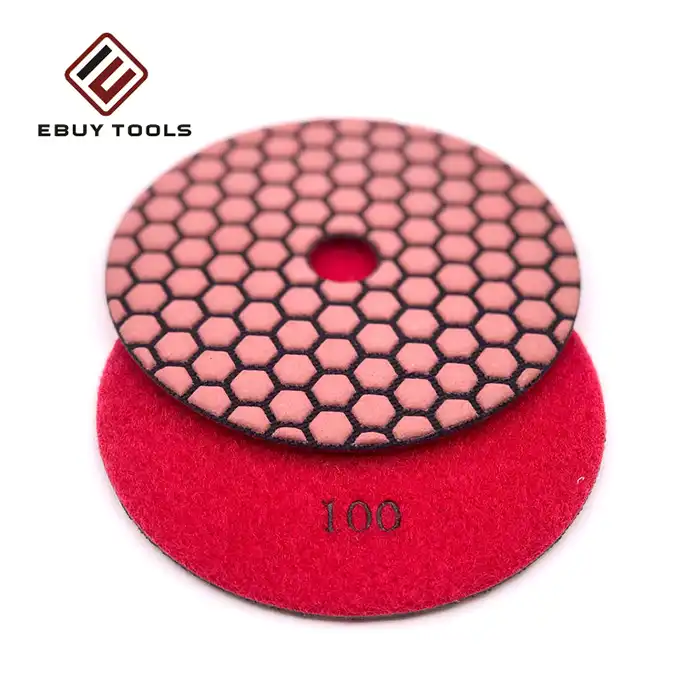
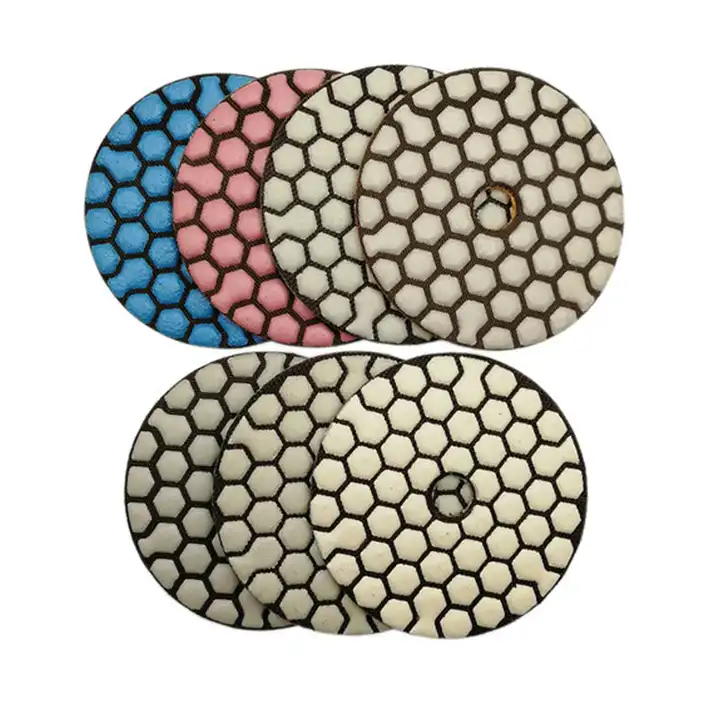
Diamond polishing discs are designed abrasive systems that remove material in a controlled manner to turn rough stone, concrete, and other hard surfaces into high-gloss finishes. These tools put industrial-grade synthetic diamond particles inside special bonded matrices made of resin, metal, or ceramic. This makes exact abrasion that smooths out the surface over time. Diamond crystals work by cutting away microscopic layers of material with their micro-cutting edges. The surface texture is then fine-tuned through stages of grit, going from coarse to fine, until it reaches a mirror-like finish that was previously impossible with regular abrasives.
Understanding the Principles Behind Diamond Polishing Discs
Diamond polishing discs: Fundamentals and Applications. The way these specialized tools work depends on the fact that diamond is harder than almost all building materials. When diamond particles are pressed and rotated against granite, marble, or concrete, they wear away the surface by microfracturing it and moving the material around.
The Fundamental Abrasion Process
Diamond abrasion works because the scratch patterns can be managed. Fine grits, numbered #50 to #200, make thicker scratches that quickly remove material. They fix surface flaws and lippage problems that are common in stone production. Fine grits (#1500 to #3000) make scratches that can't be seen with the human eye, which makes surfaces reflect light. Intermediate grits (#400 to #800) make scratches that are deeper over time.
Professional stone fabricators know that skipping grit steps lowers the standard of the end product. The business uses the "rule of doubling," which says that each new grit should have about twice the mesh count of the last one. There are "ghost scratches" left behind when you go from #100 to #800 too quickly. These are deep grooves that finer abrasives can't get rid of, leaving behind hazy finishes that don't meet quality standards for making rocket parts and high-end building projects.
Wet Versus Dry Polishing Mechanisms
In wet cleaning, water is very important for many reasons. The cooler keeps the workpiece and the resin bonding matrix from getting damaged by heat, which usually happens above 180°C. Water also keeps the bits of cleared material from sticking to the abrasive surface, which is known as "glazing" and makes cutting much less effective.
Dry polishing systems give up some of the cooling benefits in exchange for speed and ease of use. This is especially helpful in crowded business areas where managing water can be hard. Dry discs with high-temperature-resistant resins can handle friction heat without melting or moving colors to light-colored surfaces like Carrara marble. Automotive factories often use dry methods when finishing molds because water pollution during the finishing process could affect the next covering steps.
Key Components and Design Features of Diamond Polishing Discs
When purchasing managers in precision machining shops and contract makers understand the tech behind these diamond polishing discs, they can choose products that work best for certain tasks.
Diamond Grit Classification and Material Removal Rates
The mesh size number is directly related to the width of the diamond particles and the ability to finish the surface. Coarse #50 grit diamonds have a width of about 270 microns and are good for aggressively removing stock from concrete floor preparation projects. The mechanical and chemical cleaning action needed to get 90+ gloss units on black absolute granite test surfaces is provided by #3000 grit particles that are about 5 microns in size.
Controlling the quality of manufacturing in places like our 77,000-square-meter production center means using tiny cross-section analysis to make sure that the diamonds are spread out evenly across the disc's length. Uneven particle concentration causes "dead spots" where cutting stops too soon, requiring expensive tool replacement in the middle of a job that delays production for major car suppliers trying to meet short delivery dates.
Bonding Matrix Technologies and Their Applications
The matrix that holds the diamond particles in a diamond polishing pad affects how the tool works with various materials and situations. Metal links, usually copper-based alloys, offer great resistance to heat and structural stiffness, making them ideal for rough grinding steps (#30 to #200 grit) on hard materials like quartzite and engineered quartz. Because metal links are hard, they wear down slowly and steadily, so the cutting depth stays the same over the disc's lifetime.
Because they are flexible and can sharpen themselves, resin ties are best for fine grinding (#400 to #3000 grit). The plastic wears away at a measured rate, revealing new diamond cutting edges all the time. This keeps the disc from glazing and lets it fit into curved edge shapes like ogee and bullnose, which are popular in countertop production. Aerospace machining companies like ceramic hybrid bonds for the stages where they need to go from a metal bond that is too aggressive to a resin bond that is too fine. These bonds don't leave behind the "orange peel" texture that is typical of bond changes.
Danyang Ebuy Tools uses special gluing formulas that were created by our in-house research and development team to solve problems in the business. Our structured groove patterns built into the disc surface help slurry flow and heat escape properly, avoiding burn marks that damage expensive stone materials and need expensive repairs.
Backing Systems and Operational Safety
Velcro (hook-and-loop) fastening methods make it easy to change discs quickly, which is important in high-volume production settings. The most likely place for failure is where the abrasive layer meets the backing plate. This is especially true when small polishers are used at speeds of up to 4000 RPM. Minimum peel strength specs must be checked as part of quality assurance processes in manufacturing facilities to stop catastrophic disc detachment, which is a serious safety risk that is tightly addressed by regulations in the manufacture of industrial equipment.
When wet granite edge profiling is done, our strengthened backing systems can handle the high rotational forces that are present. Color-coded backing plates make it easy to see the order of the grits, which cuts down on human mistake during multi-stage polishing processes. Distributors and equipment dealers can improve their brand's visibility in regional markets with customizable logo printing, which keeps the supply chain trackable.
Exploring the Ranges: Types of Diamond Polishing Discs and Their Applications
Material-specific formulations improve performance in a wide range of industrial settings, including those that build general manufacturing equipment and those that make specialized aircraft parts using diamond polishing discs.
Stone Fabrication Solutions
To clean granite, you need to use forceful cutting action while keeping the temperature under control. Granite's hard crystalline structures need metal or hard resin links that keep diamonds exposed when there is a lot of touch pressure. Our discs work reliably when cutting out complex sinks and artistic edges, where accuracy is key to the end result looking good.
Because it is made of calcium carbonate and is lighter, marble offers different problems. "Pitting" and surface cracking are caused by too much pressure or the wrong bond strength. Gentle-action resin bonds that are specially made protect marble's structure while giving it the satin finish that is valued in building uses. Light-colored neutral resin bonds stop the pigment "bleeding" that damages white marble surfaces. This is a technical requirement that is very important in the mold and die industry, where surface contamination lowers the quality of the product.
Concrete Floor Refinement Systems
Polishing concrete in an industrial setting is a multi-step process that needs special tool shapes. Planetary grinder systems can be used with semi-rigid disc designs to prepare big areas of floor space in factories and delivery centers. The grinding process usually goes through seven to ten grit stages, starting with rough #30 or #50 grits that get rid of surface layers and even out small flaws.
Post-densifier polishing steps need bonded materials for diamond polishing disc that don't react chemically with lithium silicate or sodium silicate densifying agents. Our special mixtures keep cutting power steady without deterioration, guaranteeing constant scratch pattern improvement from matte 20-gloss finishes to mirror-like 85+ gloss salt-and-pepper looks required by business flooring contracts. Transportation manufacturers like this sturdiness because it doesn't wear down easily in high-traffic production areas, where downtime has a direct effect on output.
Specialized Applications in Terrazzo and Overlay Work
Epoxy terrazzo systems are made up of different types of concrete materials that are mixed into polymer structures. To polish these hybrid surfaces, you need an abrasive that cuts both the hard rock and the soft binder in the same way. Temperature-resistant formulations keep the resin bond from melting during long dry-use operations. This is very important in crowded store spaces where using water would be impractical.
Our high-performance dry-use discs get rid of the smearing problems that happen when cheap goods leave melted resin on finished surfaces, which means that the whole job has to be redone. In competitive business building markets, this reliability helps contractors keep their good names and makes projects more profitable.
Maintenance, Durability, and Safety: Ensuring Optimal Performance
To make tools last as long as possible and keep the workplace safe, you need to follow set procedures that precise machining shops and contract makers who put cost-effectiveness first use for every diamond polishing disc.
Operational Maintenance Procedures
Regular cleaning stops the growth of material that leads to frosting and makes cutting less effective. During wet polishing, garbage is naturally flushed away, but operators should check the disc surfaces every so often for bits that may be stuck in them. To keep the best performance, dry polishing needs to be cleaned more often with compressed air or soft brushes.
The way discs are stored has a big effect on how long they last. Extreme temperatures change the qualities of the bonding matrix, and resin links break down when they are exposed to water. Proper storage in climate-controlled areas saves inventory investments. This is especially important for wholesalers who keep a wide range of products on hand to serve customers in many regions.
Performance Monitoring and Replacement Timing
Tool life depends on many things, such as the hardness of the material, the skill of the user, and the state of the machine. Because hard granite is denser, it usually uses up #50 grit discs faster than the same amount of concrete work. Monitoring how well the discs are being cut helps workers figure out when to change them, which keeps the quality from going down when they are used past their useful life.
The estimated lifespan is directly related to the diamond concentration, which should be between 30% and 45%. Higher amounts make the service last longer, but they cost more to buy in the first place. When deciding what to buy, you should weigh the up-front costs against the total cost of ownership, which includes the cost of time for changing tools and the possibility of having to redo work because of discs wearing out too quickly.
Safety Protocols and Equipment Specifications
Operating speeds must stay within the range given by the maker, which is usually between 2000 and 6000 RPM based on the width of the disc. Too fast of speeds creates dangerously high temperatures and raises the risk of mechanical failure without removing more material. Variable-speed mills let users get the best results for different types of materials and grit levels.
As part of the safety gear that workers must wear, they must have impact-resistant eye protection against moving objects, respiratory protection from silica dust in the air that is created when concrete and stone is polished, and hearing protection when using high-speed grinders in confined areas. When using a diamond polishing pad, operators can get "white finger" disease from being exposed to vibrations from uneven discs. Checking dynamic balance and concentricity as part of quality control keeps workers healthy and gets rid of chatter marks that hurt the quality of the surface in high-precision aircraft component finishing.
Guided Procurement: How to Choose and Buy Diamond Polishing Discs for Your Business?
When making strategic buying choices, it's important to make sure that technical specs match operational needs and that suppliers have the skills needed to keep production schedules when you purchase diamond polishing discs.
Specification Alignment with Application Requirements
The choice of diameter depends on how well it works with the tools and the shape of the item. Most handheld polishers and small grinders used in stone production shops can fit on standard 4-inch, 5-inch, 6-inch, and 7-inch forms. For jobs to improve the look of concrete floors, bigger planetary grinders may use 3-inch or 4-inch puck designs.
Planning the grit sequence affects the quality of the end finish and how well the process works. Full seven- or ten-step sets make sure that the scratch pattern moves along correctly without any ghosting problems. To keep quality standards high across production runs, automotive tier suppliers and OEMs that need engine parts to have uniform surface finishes should buy full grit sequences instead of individual discs.
Supplier Evaluation and Supply Chain Reliability
Supply dependability is directly affected by the size of the production, which is an important thing to think about for high-volume processes. Manufacturing sites that can make 150,000 pieces every day in 77,000-square-meter spaces make sure that there is always inventory to support foreign delivery networks. This scale stops project delays caused by not having enough supplies, which can mess up production plans for precision machine shops that have to meet tight deadlines.
Quality management systems run by skilled experts make sure that goods always meet performance standards, even when ordered in large quantities. Strict inspection procedures, such as peel strength testing, diamond distribution analysis, and gloss meter verification, make sure that every disc works the way it's supposed to, protecting buyers' investments and production quality standards.
Cost Optimization Through Strategic Purchasing
For distributors and big producers, buying in bulk and at wholesale prices cuts per-unit costs by a large amount. Volume agreements allow for better price and supply continuity, which supports production plans that were planned. When a wide range of products is available, regional wholesalers serving local markets don't have to deal with multiple suppliers, which adds to the routine work that needs to be done.
When evaluating price-performance, the total running costs should be taken into account, not just the initial buy price. Premium discs with longer service lives may have a lower cost per finished unit than cheaper discs that need to be replaced more often, even though they cost more up front. Figuring out the total cost of ownership, which includes labor costs, machine downtime, and possible repair due to poor tool performance, helps you make smart choices about what to buy.
Conclusion
Diamond polishing disc technology gives surfaces the precise finishing touches they need in a wide range of industrial settings, from making parts for spacecraft to cleaning business concrete floors. Procurement pros can choose the best tools for any job by understanding how diamond grit specs, bonding matrix properties, and operating factors all affect each other. Strategic partnerships with makers that show production size, strict quality control, and the ability to customize products ensure a steady supply that keeps operations running. Following the right repair and safety rules will make tools work better and keep workers safe. This will improve working efficiency and give you a competitive edge in tough markets.
FAQ
Is it possible to use wet-use diamond plates when they are dry?
Wet-made discs should never be used when they are dry. To keep the resin joining structures in wet discs from breaking down when heated, they need to be cooled with water. When you operate in a dry environment, heat builds up quickly and quickly reaches over 200°C. This melts the resin, leaving burn marks on the stone surfaces, and immediately separates the backing. Always use discs that are labeled for the way you want to use them.
Why do some discs leave color stains on light-colored stone?
We call the transfer of color into porous light surfaces like white marble or quartz by dark resin bonds "bleeding." This happens when regular resin mixes with stone that soaks up the resin while it is being polished. Professional makers who work with light materials need to ask for white bond or neutral resin discs that are designed to stop color transfer that ruins the look of the finish.
What causes diamond discs to stop cutting effectively?
When the bonded matrix gets too hard compared to the object being polished, glazing happens. The bond doesn't wear away properly, so diamond particles get stuck below the top layer and can't touch the product. This gap between the bond strength and the properties of the material stops cutting action. Dressing the disc's surface with rough grit blocks brings out new diamonds and temporarily improves performance.
Partner with Ebuy Tools for Professional Diamond Polishing Solutions
Danyang Ebuy Tools offers high-quality abrasive options and has a lot of experience and ability for production. For better material removal rates in granite, marble, concrete, and engineered stone, our hook-and-loop diamond polishing discs are made with modern synthetic diamond formulas. We are a well-known company that makes diamond polishing discs. Our 319 skilled workers oversee strict quality control procedures to make sure that our products always meet the high standards needed for precision machining, making auto parts, and aerospace engineering projects. Our research and development (R&D) team comes up with custom solutions to solve specific technical problems while keeping prices low by producing a lot of products quickly and efficiently. Email our team at [email protected] to talk about your unique needs and find out how our reliable supply services can help your business succeed.
References
Smith, Robert J. Advanced Abrasive Technology for Industrial Applications. Manufacturing Press, 2021.
Chen, Wei and Martinez, Carlos. "Diamond Particle Bonding Systems in Precision Surface Finishing." Journal of Manufacturing Science and Engineering, vol. 143, no. 4, 2022, pp. 87-103.
Industrial Diamond Association. Technical Standards for Diamond Abrasive Tools. 8th edition, IDA Publications, 2023.
Thompson, Laura K. Stone Fabrication Methods: Modern Techniques and Equipment. Construction Technology Publishers, 2020.
European Federation of Concrete Floor Polishing. "Best Practices in Concrete Surface Refinement." Industry Technical Manual, 2022, pp. 156-189.
Anderson, James P. and Liu, Xiang. Materials Science of Superabrasives. Academic Engineering Press, 2021.