.webp)

The industry that makes diamond saw blades is at a turning point where accuracy meets new ideas. Buyers in the construction, aerospace, metalworking, and automobile industries are looking for cutting solutions that work every time. In response, makers are coming up with new technologies that change the limits of what can be cut. Today's advanced diamond tooling combines better diamond grit formulas with smart bond technologies and precise engineering to solve long-standing problems with tool life, cutting efficiency, and suitability with different materials. This change is part of a larger trend in the industry toward customization, sustainability, and data-driven manufacturing methods that make every part of production and buying more efficient.
Current Landscape and Paradigm Shifts in Diamond Saw Blade Manufacturing
The cutting tool business is under more and more pressure to get past old problems that have kept them from being productive and making money. It's always frustrating for procurement managers that blade performance isn't consistent, tool life is hard to predict, and there aren't many choices for uses that need to be specific to materials. These problems have a direct effect on production schedules, prices, and quality in all areas of industry.
Breaking Through Traditional Manufacturing Constraints
The traditional ways of making diamond blades have been replaced by new methods that improve cutting speed and longevity. Using old-fashioned bonding methods often caused diamonds to come loose early and bonds to weaken under heavy-duty conditions. Leading makers now use advanced hot pressing methods that make pieces that are denser, more durable, and hold diamonds much better. When compared to older cold-pressed options, this high-density construction lasts 30–50% longer. This directly addresses the cost-efficiency concerns raised by buying professionals in high-volume production settings.
By using vacuum brazing technology, another big change has been made. brazing diamond saw blades results in diamond exposure heights of 70–80% by creating chemical and metallic links between manufactured diamond particles and steel cores. This structural benefit gets rid of the glazing effects that happen with regular links and stops the diamond from coming loose, which happens a lot when cutting hard, rough materials.
Smart Manufacturing and Quality Control Integration
More and more, factories use quality tracking systems driven by AI to check each blade as it is being made. Before goods get to users, real-time analytics find tiny changes in segment density, diamond distribution, and bond composition. This predictive quality control lowers the number of defects and makes sure that consistency from batch to batch. This is especially helpful for suppliers in the aircraft and car industries that have to meet high quality standards.
IoT-enabled production lines now keep track of manufacturing factors at every stage of the process, making complete digital records that meet the needs for traceability. This openness helps procurement teams because they can get specific factory data that backs up claims of performance and helps with the qualification of suppliers.
Environmental Compliance and Sustainable Production
Manufacturing processes are changing because of rules and regulations and because companies want to be more environmentally friendly. Modern companies buy closed-loop cooling systems, sintering kilns that use less energy, and trash reduction plans that help the environment without affecting the performance of the blades. These investments are made because procurement requirements are including environmental factors along with standard success metrics more and more.
Key Innovations in Diamond Saw Blade Types and Their Performance
When buying pros know the detailed differences between blade configurations, they can perfectly match cutting tools to the needs of the job, and understanding the specific role of a diamond saw blade helps clarify why each type of blade has its own set of tech trade-offs that make it work better in certain ways.
Continuous Rim Technology for Precision Applications
The continuous diamond saw blade has a rim made up of diamond-filled pieces that are sintered straight onto cores made of high-tensile steel. This style doesn't have the gullet holes that segmented blades do, so it makes touch with workpieces smooth and even. The continuous rim design solves a major problem that comes up when working with fragile, expensive materials like glass, porcelain, and manufactured stone. Edge chipping lowers the value of the finished product.
Manufacturers get the best performance by matching the size, quantity, and bond toughness of the diamond mesh to the properties of the material. Higher diamond ratios make finishes smoother and last longer, but they also need stronger machines to run them. Because the solid rim doesn't have any ventilation openings, the continuous rim form needs to be cut while coolant flows well to prevent heat buildup.
Turbo Rim Design for Balanced Performance
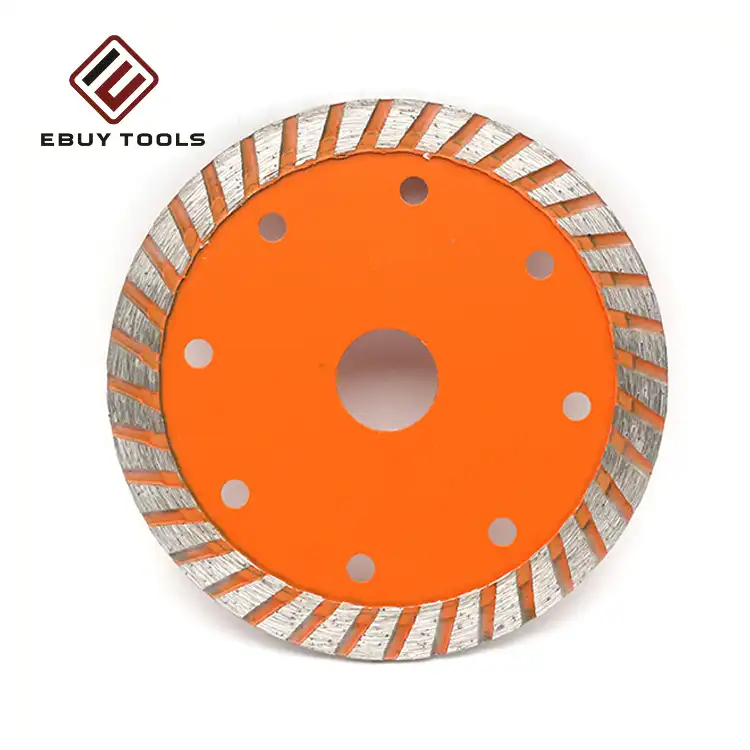
When it comes to speed, turbo diamond saw blades are in the middle between segmented and continuous designs. The castellated rim has aerodynamic grooves that help keep the surface cool and clear away garbage. This shape lets you cut at a high speed while keeping the surface quality good enough for most building, brickwork, and granite jobs.
The turbo configuration solves the problem of speed that builders and manufacturers are having. Standard continuous rims cut smoothly but slowly and can get too hot, and split blades cut quickly but often chip too much. When used correctly, turbo blades can handle high cutting speeds while still leaving surfaces smooth enough to be seen. In some cases, they can do this without needing constant water feeds.
Hot Pressing Advancements and Bond Technology
When diamond pieces are sinterized and compressed at the same time, the process of hot pressing is better for density and diamond retention than sequential cold pressing. When thermal and mechanical processing are combined, stronger metal bonds are made that can handle the heat stress of dry cutting, which is typical in building and demolition work.
Newer glue formulas now include special metal alloys that make wear rates better for certain materials. When working with rough, hard materials, softer bonds work best because they wear away, revealing new diamond bits. Harder ties work better with softer, less rough materials because they provide structural support that stops segments from wearing away too quickly. When manufacturers offer more than one bond standard, buying teams can find the best cutting costs across a wide range of materials.
Coating Technologies and Surface Engineering
New developments in blade treatments have made them work better and last longer. When cutting reactive materials, special coats lower friction, stop materials from sticking together, and keep pieces safe from chemical attack. Some makers use noise-dampening technologies to lower the decibel levels of operations. This meets safety standards in the workplace and makes long cutting operations more comfortable for the operators.
Market Comparison and Procurement Insights for B2B Buyers
To find your way around the world of suppliers, you need to carefully look at their professional skills, business terms, and support systems, and for cutting tool procurement, the specific characteristics of a diamond saw blade must be factored into technical evaluations; structured assessment models that balance short-term cost concerns with long-term value creation are helpful for procurement pros.
Evaluating Manufacturing Capabilities and Certifications
When building ties with suppliers for ongoing needs, production ability is very important. Facilities that make more than 100,000 units a day show that their facilities and processes are mature enough to support steady, high-volume supply. For industrial businesses that use just-in-time inventory tactics, this production scale helps keep quality high, prices low, and delivery times predictable.
Quality management certificates give objective proof of good production practices and process management. Systematic quality management is shown by ISO 9001 certification, while industry-specific certifications show skill in certain application areas. Research and development skills show that a company is dedicated to always getting better and creating custom solutions, which is useful when needs change or new ones come up.
Pricing Structures and Total Cost Analysis
Unit price is only one part of the total cost of buying something. A full cost study takes into account how long the blades last, how fast they cut, how much material they produce, how long the machines are down, and how to get new ones. More often than not, more expensive blades offer better total cost performance by lasting longer and making more work get done.
Cost optimization can be done with volume-based price tiers, binding deals, and consignment stocking programs. Suppliers with flexible business terms can work with different buying trends, such as when demand changes with the seasons or when production plans are based on projects. By knowing the minimum order quantities, wait times, and customization fees of each possible provider, you can make an informed comparison.
Technical Support and After-Sales Service
Support for application building adds a lot of value on top of providing products. Manufacturers that offer help with troubleshooting, optimizing cutting parameters, and training for operators help buying teams get the most out of their machine purchases. This professional relationship is especially helpful when new materials or better ways of doing things are introduced and cutting parameters need to be changed.
The warranty terms, refund policies, and ways to file a complaint show that the provider is sure of the quality of the product and wants the customer to be happy. When cutting problems come up out of the blue, responsive technical help keeps operations running smoothly, protecting production plans and quality results, dry diamond disc ensuring that even with this essential tool, unexpected issues are swiftly addressed to maintain both schedule and standards.
Sustainability and Safety Trends Driving Innovation in Diamond Saw Blades
Environmental duty and safety at work are becoming more and more important in procurement requirements and supplier selection factors. Manufacturers who are thinking ahead take these things into account throughout the entire process of making a product.
Eco-Friendly Materials and Production Processes
Leading manufacturers use eco-friendly methods that leave less of an impact on the environment without affecting the performance of the blades. Emissions from production are lower when industrial equipment uses less energy, green energy sources are used, and waste heat recovery systems are used. Material recycling programs take back metal parts from old blades, which supports the idea of a cycle economy and cuts down on the use of raw materials.
In production and use, water-based coolants and biodegradable cutting fluids are recommended instead of fluids that are based on petroleum. These mixtures keep up the cutting performance while lowering the risk of pollution in the surroundings and making the air quality in the workplace better. New ideas in packaging use less material and move toward reusable or organic materials that are easier to get rid of.
Safety Enhancements and Operator Protection
More and more, blade design includes safety measures that keep operators and machinery safe. Technologies that reduce vibrations make machines less stressed and keep operators from getting tired during long cutting sessions. Noise reduction methods lower the volume of noise, which meets the need for hearing protection and makes workplaces more comfortable.
Manufacturers provide full safety paperwork, cutting parameter rules, and proper handling directions to help users use blades in a safe and compliant way. Training materials and application guides help workers spot potential dangers like blade glazing, bad fitting, or wrong speed settings that could cause the blade to break or cause injuries on the job.
Leveraging Technology and Data in Procurement of Diamond Saw Blades
Digital transformation changes the way buying works by making it easier to get information, making deals more efficient, and making decisions based on data. Adopting new technologies gives businesses a competitive edge by helping them get better deals from their suppliers and handle their stock more efficiently. Dry diamond disc technologies, for example, enable more precise and durable cutting in industrial procurement, further enhancing supplier negotiation outcomes and inventory turnover through improved tool performance and longer replacement cycles.
Digital Procurement Platforms and Supplier Portals
Online markets and seller websites make it easy to find products, compare specs, and place orders. Advanced search options make it easy for procurement workers to find blades that meet particular needs for diameter, arbor size, material use, and performance. Digital listings with full technical specs, application guides, and performance data help people make smart choices without having to spend a lot of time on the phone or emailing back and forth.
E-procurement integration links seller systems to customer ERP systems, which automates tasks like handling orders, tracking deliveries, and matching up invoices. This integration cuts down on routine work, speeds up the buying cycle, and lowers the number of mistakes that happen with orders.
Data Analytics for Demand Forecasting and Inventory Optimization
When you combine historical usage data with production plans, you can accurately predict demand. This keeps you from running out of stock and lowers the costs of having too much inventory. Analytics systems find patterns of use, changes with the seasons, and consumption trends that help figure out the best times and amounts to reorder.
Tracking blade performance across production runs gives information about real cutting costs per unit, changes in tool life, and quality results. This real-world data backs up efforts to keep getting better and provides clear proof to back up promises about supplier performance.
Collaborative Customization and Co-Development Partnerships
When a manufacturer allows technical teamwork, they work directly with procurement teams and production engineers to come up with unique blade specs. This way of working together as a team pays off when regular goods don't fully meet specific material needs, labor needs, or quality standards.
For example, custom development projects could change the section geometry for specialized equipment, change the bond formulations to fit certain cutting parameters, or increase the diamond concentration for unique materials. Through equipment that is perfectly matched to production needs, these partnerships give companies a competitive edge.
Conclusion
The diamond blade production industry is always changing because of new technologies, environmentally friendly methods, and the move to digital systems, and for any diamond saw blade, these shifts directly affect manufacturing quality and performance consistency. If procurement workers know about these trends, they can help their companies be more productive, save money, and get better results. Improvements in bond technology, blade design, and production methods lead to measured performance gains in a wide range of cutting tasks.
Sustainability projects and improvements to safety are in line with business responsibility goals and meet legal requirements. Digital tools for buying things and data analysis make working with suppliers and keeping track of goods easier. Strategic relationships between suppliers and makers that show creativity, output capability, and technical support create long-lasting competitive benefits in industrial markets that are always changing.
FAQ
What distinguishes hot pressing from cold pressing manufacturing methods?
During sintering, hot pressing uses both heat and pressure at the same time. This makes denser pieces that hold diamonds better and last 30–50% longer. Before separate sintering, powdered materials are compressed by cold pressing. This often leads to higher porosity and less toughness under heat stress.
How can I prevent blade glazing during cutting operations?
When metal links are too strong for the material being cut, glazing happens. This stops the natural wear that reveals new diamonds. To get rid of the glazed bond layer and show new cutting edges, dress the blade by running it several times over rough materials such as concrete blocks or aluminum oxide dressing sticks.
Why do continuous rim blades require wet cutting?
The solid, continuous rim doesn't have any ventilation holes to let heat escape or get rid of garbage. When you cut something dry, it quickly gets too hot, which can cause the core to bend, the bond to break, and even a catastrophic failure. Enough cooling flow controls heat buildup and removes cutting waste from the cutting zone. Adequate wet cutting flow manages thermal buildup and flushes cutting debris from the cutting zone.
Which blade type suits different material applications?
Continuous rim blades work best with fragile materials like glass and china that need edges that don't chip. Turbo blades are the best way to get a smooth finish on marble, concrete, and building materials while still being fast. In concrete and asphalt, where edge quality is not as important, segmented blades improve cutting speed. The right blade should be chosen based on the material's hardness, abrasiveness, and finish needs.
Partner with Ebuy Tools for Advanced Diamond Cutting Solutions
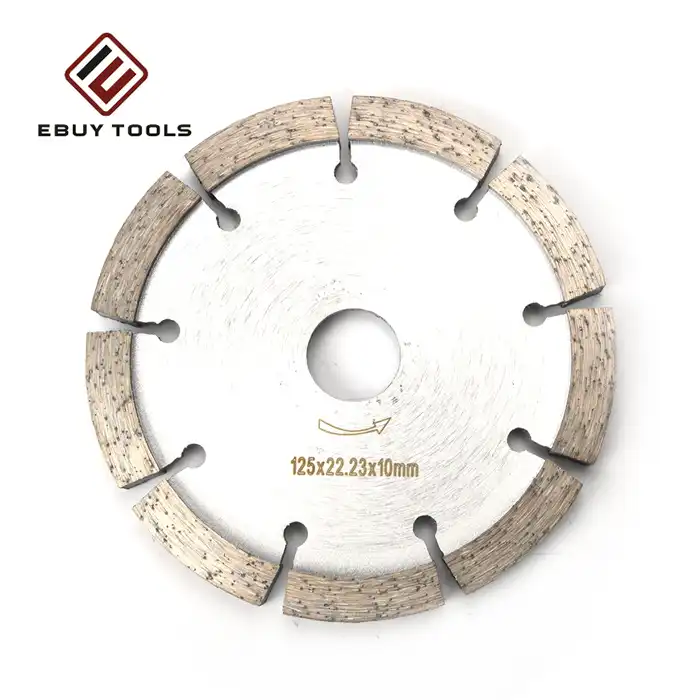
Danyang Ebuy Tools serves the precision machining, automobile, aircraft, and industrial equipment industries by combining a wide range of manufacturing skills with cutting-edge technology. Our 77,000-square-meter factory makes about 150,000 diamond saw blades every day, so we can reliably meet the needs of large-scale buyers. Our main products are continuous rim, turbo, segmented, and brazing diamond saw blades.
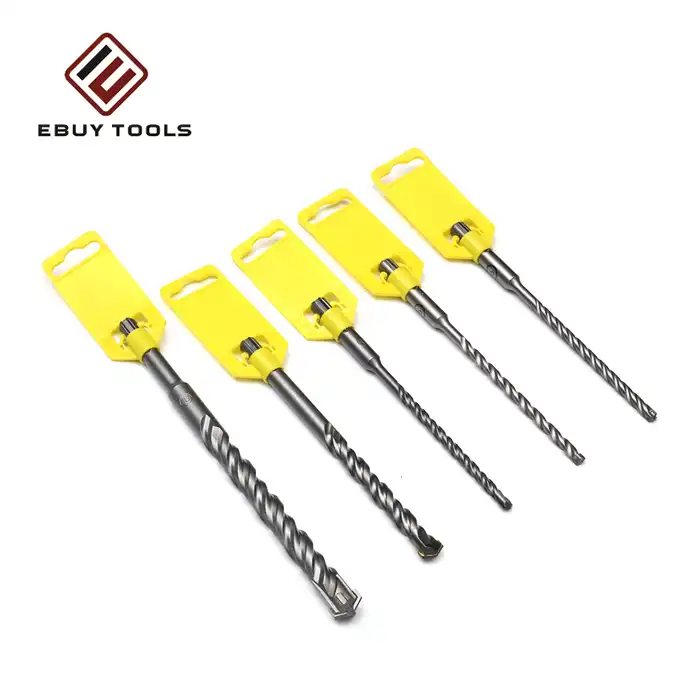
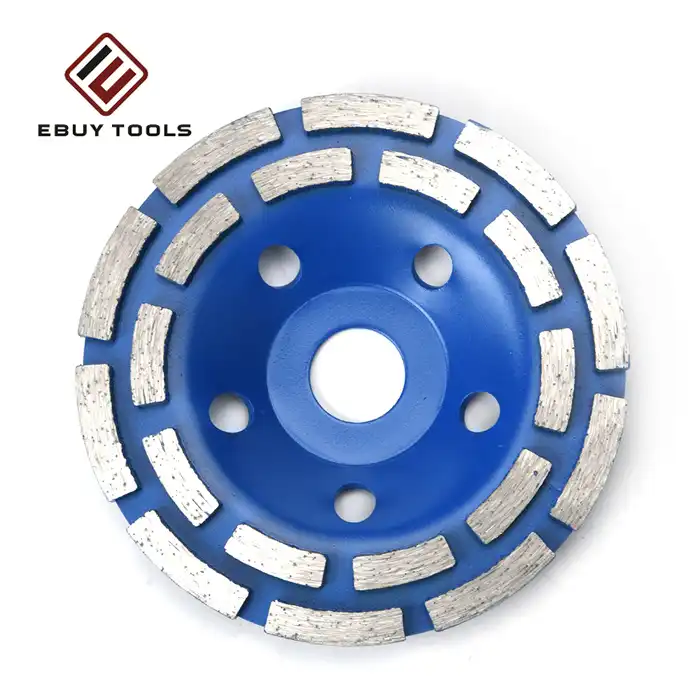
We also have diamond cup wheels, TCT saw blades, cutting discs, and drill bits. Our specialized research and development staff works with our procurement teams to come up with custom solutions that solve specific problems and meet performance goals. Tough quality control methods make sure that the standards of the products are the same from one production run to the next. Get in touch with our expert team at [email protected] to talk about your cutting tool needs with a diamond saw blade maker that cares about precision, durability, and performance in specific applications.
References
1. Mitchell, Brian S. "An Introduction to Materials Engineering and Science for Chemical and Materials Engineers." Wiley-Interscience, 2004.
2. Marinescu, Ioan D., et al. "Handbook of Machining with Grinding Wheels." CRC Press, 2006.
3. Jackson, Mark J. "Superabrasive Machining of Optical, Biomedical and Specialty Materials." VDM Verlag, 2010.
4. Xu, Xipeng, et al. "Advanced Manufacturing Technology for High Precision Components." Manufacturing Engineering Society International Conference Proceedings, 2019.
5. Salmon, Stuart C. "Modern Grinding Process Technology." Society of Manufacturing Engineers Technical Publications, 1992.
6. Wright, Paul Kenneth and Trent, Edward M. "Metal Cutting, Fourth Edition." Butterworth-Heinemann, 2000.