.webp)

Choosing the right diamond cutting disc is very important when you need to make precise cuts in concrete, granite, or reinforced brickwork for your project. This affects both output and cost-effectiveness. This complete guide talks about the most important things that buying managers, precision machinists, and industrial sellers need to think about when they are looking for cutting solutions for tough jobs. We will talk about the technical details of choosing the right disc, look at how well the best goods work, and give you suggestions for how to buy things that fit your needs and your budget.
Understanding Diamond Cutting Discs — Composition, Types, and Benefits
Advanced Manufacturing Technology
Industrial-grade synthetic diamonds and carefully designed metal bond structures come together to make diamond cutting discs. Hot-pressed sintering technology is used in the production process to insert diamond particles in compounds made of cobalt, copper, or iron at very high temperatures. During cutting, this makes a tool where the bond material slowly wears away, revealing new diamond sides that keep cutting aggressively throughout the disc's useful life. This self-sharpening system solves one of the most important problems in abrasive technology: how to keep cutting effectively as the tool breaks down.
Segment Design Classifications
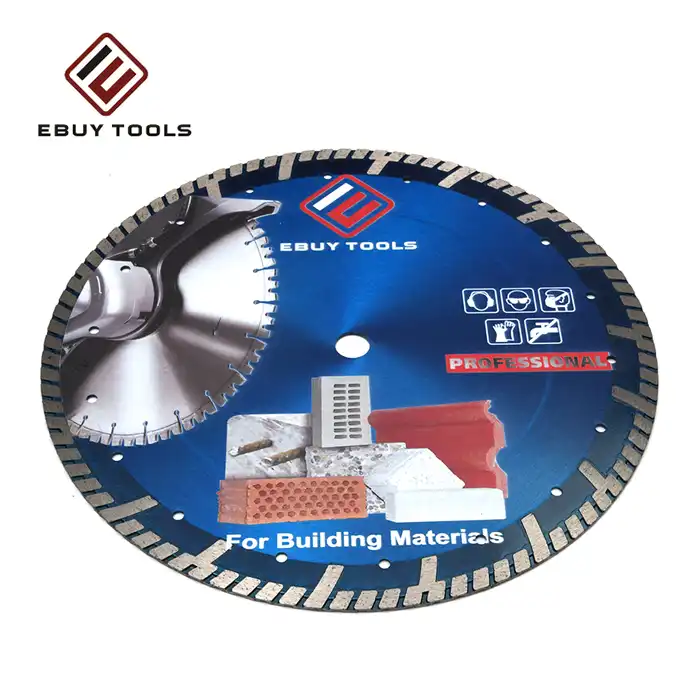
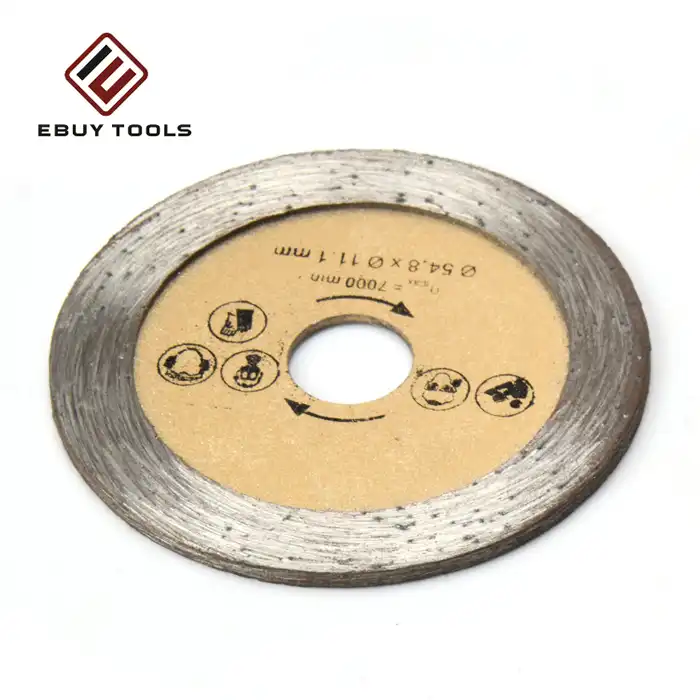
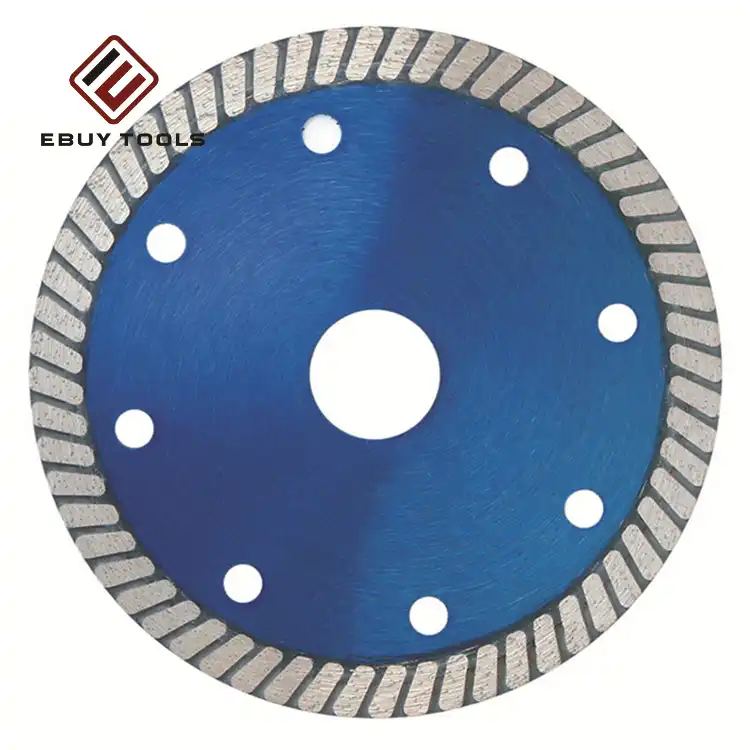
In the cutting business, there are three main segment designs, and each one is designed to work with a certain type of material. Segmented discs have clear gaps between the cutting segments, which makes it easier for coolant to flow and debris to escape when cutting aggressively through thick concrete sections. Continuous rim designs give the best finish, which is why they are necessary for tile work and other cases where chipping needs to be kept to a minimum. These features can be combined in turbo designs, which have continuous serrated edges that raise the cutting pressure while keeping better airflow through built-in channels. This mixed method eliminates the usual trade-off between cutting speed and finish quality that happens a lot in production settings.
Performance Advantages in Industrial Settings
When a lot of tools need to be made, the lasting benefit of diamond tools really stands out. If you choose the right diamond cutting discs, they will keep cutting effectively for a much longer time, while regular rough discs may need to be replaced more often during long cutting sessions. This means less downtime for tools to be changed, lower costs for consumables per square foot of cutting, and more accurate project timelines. Precision-tensioned steel cores are used in high-quality manufacturing to keep vibrations to a minimum and cutting depths that stay the same. These are important factors for CNC machining workshops and precision production facilities.
How to Choose the Right Cutting Disc for Your Project?
Material-Specific Selection Criteria
Your material properties are the main factor that determines the right diamond saw blade size. For reinforced concrete with steel rebar, you need discs with certain segment heights and bond hardnesses that can abrade the concrete matrix and cut through steel elements without losing any segments. When working with Class 4 and 5 natural stones, high-density granite and manufactured stone need finer diamond concentrations and stronger metal ties to keep them from wearing out too quickly. Knowing the material's Mohs hardness helps you choose the right bond. For tougher materials, softer bonds let the diamonds cut freely and show off their new cutting edges. For softer materials, on the other hand, premature erosion would shorten the disc's life.
Technical Specifications That Impact Performance
Besides making sure the materials are compatible, there are also a number of size and function requirements that need to be carefully thought through. The highest cutting depth is set by the disc diameter, which must match the arbor size and guard setup of your equipment. Cutting speed and kerf width are both affected by segment thickness. Thinner segments make cuts go faster, but they are weaker overall. Diamond grit size, which is given in mesh numbers, affects the quality of the finish. Coarser grits (30–50 mesh) remove material quickly and violently, while finer grits (80–120 mesh) make surfaces smoother, which is good for lines that can be seen. Operating speed rates, which are usually given in meters per second, tell you how fast your grinder or saw can safely turn.
Comparing Cutting Technologies
There are several differences in how well diamond cutting discs work compared to rough and carbide options. Traditional grit disks are cheaper to buy at first, but they wear out quickly when cutting hard materials, which means that in production settings, the cost of each cut is higher. Carbide-tipped blades work great on wood and other soft materials, but they aren't hard enough to work consistently on stone and concrete. When cutting different kinds of hard materials, diamond discs, especially turbo designs, are the most cost-effective way to go for industrial uses that need long-lasting cutting performance. When figuring out the total cost of ownership, you have to think about how long the discs last, how fast they cut, and how much time the equipment is down. Diamond technology has clear benefits in all of these areas.
Safety and Maintenance Guide for Diamond Cutting Discs
Critical Safety Protocols
To use spinning diamond cutting discs safely, you have to follow strict safety rules that protect both you and the tools. Eye protection that meets ANSI Z87.1 standards, hearing protection that matches the decibel output of your equipment, breathing protection that fits the dust your material makes, and cut-resistant gloves for working with sharp edges are all required pieces of personal protective equipment. Before you mount any disc, make sure that the arbor diameter, highest working speed, and other specs of the disc and your tool are all compatible. If you put in a disc that is recommended for a lower RPM than the one your grinder works at, it could fail catastrophically. The disc must fit flush against the flange, with the washer positioned correctly and the arbor nut torqued correctly. The nut should not be overtightened, which would stress the core, or undertightened, which would allow it to slip.
Equipment Compatibility Verification
When it comes to installing and using a diamond cutting blade, angle grinders, circle saws, and tuck pointing tools are all very different. Angle grinders can be used for both cutting and grinding, but the guards need to be properly set for the width of the disc that is being used. For production work, circular saws can cut deeper and make cleaner cuts, but they need to be mounted rigidly to stop shaking. Tuck-pointing tools have special narrow wheels that can be used to remove mortar joints, but they work at different speeds than regular grinders. Before you use the disc, you should always make sure that your unique tool type fits its intended use and speed rating.
Maintenance Practices That Extend Service Life
Using compressed air or soft brushes to clean dirt out of the segment gullets right after each use is the first step in proper disc care. Cleaning keeps things from building up, which can lead to vibrations and uneven wear in later operations. The way you store discs has a big effect on how long they last. Tools should be kept in dry places away from temperature changes that could damage the metal link. To keep discs from warping, hang them upright or store them flat with safe dividers between them. Regular checks for damaged segments, core cracks, or excessive wear patterns let replacement happen quickly, before performance loss affects the quality of work. When pieces wear down to less than two millimeters high, they are much less effective at cutting, and replacing them is a better value than keeping them in use.
Procurement and Cost Optimization for B2B Buyers
Evaluating Purchasing Channels
There are several buying paths that can be used to get cutting tools, and each has its own pros and cons. Direct ties with manufacturers offer the best prices for large buyers and allow for custom specs and priority production scheduling. This method works best when the amount of goods you need is higher than the minimum order quantity that makers require. Regional wholesalers usually add distribution margins to prices, but they do offer less order freedom and faster local delivery. Online B2B sites have become useful for finding products, especially ones that meet standard requirements. However, it is very important to make sure that the products are real so that you don't end up with fakes that don't work or are safe.
Quality Assurance and Supplier Vetting
Putting in place supplier quality verification procedures guards against the big risks that come with using low-quality diamond cutting discs. Ask for proof that the company follows industrial standards, such as EN 13236 for diamond tools and the necessary OSHA safety certifications for the U.S. market. When it's possible, visiting a manufacturing site is a great way to learn about how things are made and how quality is controlled. Reports from independent labs that test things for a third party offer objective proof of success. This commitment is shown by the fact that the Danyang Ebuy Tools facility is 77,000 square meters and has 319 skilled workers. It can make up to 150,000 diamond saw blades every day, which is a large enough quantity to ensure consistent quality through standard processes.
Total Cost of Ownership Analysis
The purchase price is only one part of how much the tool really costs. To find the cost per linear foot of cutting, divide the price of the disc by how much it is estimated to cut in your situation. This measure shows that higher-performance discs often offer better value, even if they cost more at first. When deciding between local suppliers and makers far away, you should think about the costs of shipping. Freight costs and delivery times can affect how much goods you need to keep on hand. When trying new suppliers or specifications, warranty terms and return procedures can help lower the risk. If you want to get better prices, it can be helpful to organize buying across different facilities or combine orders. This is because volume discounts usually go up at certain quantity levels.
Conclusion
To choose the right diamond cutting discs, you have to weigh the technical specs against the problems you're having with the material, your operating needs, and your budget. The complex physics behind turbo edge designs, segment configurations, and bond formulations has a direct effect on how quickly you finish projects and how long your tools last. Procurement experts set up their businesses to be efficient in the long term by using organized selection criteria, checking the capabilities of suppliers, and figuring out the total ownership costs instead of just the purchase price. Diamond tool technology is always getting better, which means that cutting processes in metalworking, aircraft, automobile, and general manufacturing can be made more efficient. Long-term tooling solutions that work well are built on strategic relationships between suppliers and makers that show they can produce and care about quality.
FAQ
What determines the appropriate diamond cutting disc for different materials?
The Mohs scale measures how hard a material is. stronger materials need softer metal bonds so that diamonds can cut through them easily and reveal new cutting edges. Softer materials, on the other hand, need stronger bonds to keep them from wearing down too quickly. For reinforced concrete, the segments need to be set up in a certain way so that they can handle both the concrete matrix and the steel rebar. On the other hand, natural stone has smaller diamond clusters that make edges that don't chip.
How can maintenance practices extend diamond cutting disc lifespan?
Keeping the segment gullets clear of garbage on a regular basis stops material buildup that leads to vibrations and odd wear patterns. Proper storage in dry, temperature-controlled areas keeps the bond strong, and putting discs flush against flanges with the right torque limits stops stress damage. Cutting effectiveness and safety are both maintained by replacing pieces as soon as they wear down to two millimeters.
Which safety standards should B2B buyers verify when sourcing cutting discs?
Diamond tools sold in North America must meet EN 13236 standards and have the necessary OSHA approval paperwork. Check that the disc speed ratings are higher than the highest RPM of your equipment, make sure that the guards will work with the discs, and make sure that the factory quality control systems include side run-out measurements and segment torque tests to make sure that the discs work perfectly balanced.
Partner with Ebuy Tools for Your Diamond Cutting Disc Manufacturing Needs
Because we know a lot about specialized production, we can be a key provider for companies that need reliable, high-performance diamond cutting discs. Our Turbo Diamond Cutting Discs have precision-tensioned steel cores and hot-pressed sintering technology that lets them work safely at speeds of up to 80 meters per second and do a great job on concrete, granite, and brickwork. Email our technical team at [email protected] to talk about your unique needs and look into custom solutions that are backed by our strong research and development (R&D) skills. As a company that only makes diamond cutting discs, we can give distributors and OEM partners cheap bulk prices and reliable supply.
References
Industrial Diamond Association. (2021). Technical Standards for Diamond Tool Manufacturing and Performance Testing. IDA Technical Publication Series.
Concrete Sawing and Drilling Association. (2022). Best Practices for Diamond Blade Selection in Construction Applications. CSDA Professional Guidelines.
American National Standards Institute. (2020). ANSI B7.1-2020: Safety Requirements for the Use, Care, and Protection of Abrasive Wheels. ANSI Standards Publications.
Society of Manufacturing Engineers. (2021). Advanced Materials Processing: Diamond Tool Applications in Precision Manufacturing. SME Technical Papers.
Construction Equipment Magazine. (2022). Comparative Analysis of Cutting Tool Technologies for Concrete and Masonry Applications. Industry Research Report.
International Organization for Standardization. (2019). ISO 22917:2019 Diamond Tools—Rotating Diamond Tools—General Requirements for Safety. ISO Technical Standards.