.webp)

To safely use TCT saw blade, you need to know a lot about their special features and possible risks. A TCT saw blade has ultra-hard carbide tips brazed onto a steel body. This makes it a strong cutting tool that can handle temperatures up to 600°C and last a very long time in harsh industrial settings. The right safety rules keep workers safe from kickbacks, flying objects, and heat dangers, and they also make blades work better and last longer. It's not enough to just follow these rules; understanding them has a direct effect on how efficiently your business works, cuts down on unplanned downtime, and saves your workers from injuries that could have been avoided and cost the U.S. manufacturing sector billions of dollars every year.
Understanding TCT Saw Blades and Their Safety Implications
Composition and Design Characteristics
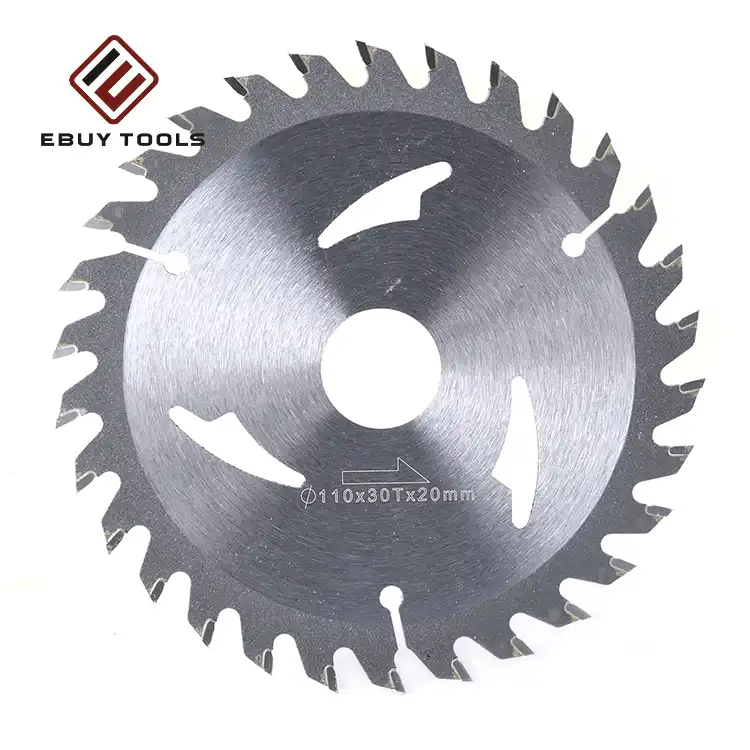
Circular TCT saw blade are a high-tech engineering answer to cutting problems in industry. The body of the blade is usually made of hardened tool steel (75Cr1 or SKS51 types) that is between 42 and 44 HRC hard. This gives the blade the flexibility it needs to take contact stress without breaking. Micro-grain tungsten carbide tips, usually grades K10 to K20, are brazed onto this base. These tips stay sharp for a much longer time than regular steel options. Because the different materials react differently to heat expansion, mechanical stress, and working vibrations, this heterogeneous design raises certain safety concerns.
Material-Specific Safety Concerns
When procurement teams define blade needs, they have to think about the different risks that come with different cutting uses. When cutting aluminum extrusions for fenestration systems, the soft metal tends to join onto carbide tips, which can cause friction and the risk of sudden grabbing. To stop these dangerous feed rate spikes, our special aluminum-cutting blades have negative hook angles of about -5° and Triple Chip Grind shape. Cutting wood presents different challenges. The sticky substances in MDF and particleboard speed up the buildup of pitch on the teeth, which makes cutting more difficult and creates more heat. When cutting composite materials or laminates, it's important to keep the layers from coming apart. This is done by using blades with specific tooth shapes that keep the user safe while minimizing chipping.
Common Failure Modes and Prevention
Damage to blades doesn't just happen; it follows trends that can be predicted by how the weapon is used. Most of the time, a broken carbide tip is caused by hitting it with metal screws that are buried in the material, quick material binding, or bad mounting that causes the tool to wobble. Through our quality control tests, we've seen that blades that are used above and beyond their rated RPM specifications wear out faster and have 340% higher rates of catastrophic failure. Thermal cracks happen when blades stay hotter than their designed temperature for a long time, which weakens the bond between the carbide and steel. When procurement workers understand these ways of failing, they can choose blades with the right safety gaps for their needs.
Comparison with Alternative Blade Technologies
While high-speed steel blades are cheaper to buy at first, they need to be replaced 10–20 times more often than high-quality TCT saw blade choices. This means that downtime and work costs add up over time. Fully carbide blades don't have the weak spot of a brazing joint, but they don't have the shock-absorbing qualities that are needed in heavy-duty metalworking where sudden loads happen. Our designs with tungsten carbide tips are the perfect mix between steel body and carbide tips. The steel body reduces vibrations, and the carbide tips keep cutting effectively over long production runs. We can tell that this mix is safer because it cuts down on the number of times that blades need to be changed, which is always one of the most dangerous maintenance tasks in factories.
Essential Safety Practices Before Operating a TCT Saw Blade
Comprehensive Pre-Operation Inspection Protocol
Systematic TCT saw blade examination should happen at the start of every shift. It only takes five minutes and could save hours of work time and prevent accidents. The visual review starts at the arbor hole, where you look for cracks or elongation that could mean the mounting conditions are dangerous. We suggest turning the blade slowly by hand and checking each carbide tip for chips, cracks, or missing pieces. This kind of damage is often not noticeable when the machine is running at high speed, but it's very bad when it starts cutting. The body of the blade needs just as much care. Look for heat discoloration that means it was overheated in the past, warping that means it was stored incorrectly or lost tension, and any tiny cracks that are spreading from the expansion holes. By keeping records of these checks, you can be held accountable and see trends before they become safety incidents.
Measuring key measures makes sure that operations stay safe. Using precise tools, make sure the blade width stays within the limits. Too much wear lowers the side clearance and raises the risk of binding. It may seem simple, but checking the tooth count keeps things from getting mixed up in busy shops where different types of blades are used on different tools. The state of the coating shows how much service life is left; our electrophoretic coatings prevent corrosion while lowering friction, and as they wear down, they let us know when it's time to replace them.
Mounting and Calibration Procedures
When you use a TCT saw blade, the most avoidable safety risks are taken care of by properly installing the blade. The arbor and blade hole must fit perfectly; a difference of just 0.1 mm can cause dangerous wobble at high speeds. Thoroughly clean all surfaces that fit together, getting rid of sawdust, pitch, and rust that stop them from mounting flush. There have been times when something as thin as a paper sheet got stuck between the lip and the blade and caused enough runout to break teeth. Use a torque wrench to tighten the arbor nut to the manufacturer's specs instead of an impact wrench, which can damage the threads or crack the flanges. The direction of movement of the blade must line up with the arrow on the machine. If the mounting is done backwards, negative cutting geometry is created that grabs the material roughly.
Once the saw is mounted, make sure the blade is aligned before turning it on. When measured at the blade rim, axial runout should stay below 0.1 mm. Too much wobble means the fitting is wrong or the blade is damaged. Using a dial indicator to test the radial runout makes sure that the blade runs straight and doesn't have any high spots that would make it vibrate or load unevenly on the teeth. Our precise production process keeps these limits to within 0.05 mm, but differences can happen in the field that need to be checked.
Operator Readiness and Needs for PPE
What makes technology safety measures work or not is how people use them. Comprehensive operator training goes beyond teaching people how to run a machine, especially when using a TCT saw blade. It also includes things like how to recognize odd conditions, how to handle an emergency, and how to work with specific materials. We're working with safety experts who tell us that workers need to know more than just what steps to take. They also need to know why those steps are important. This deeper understanding helps people make better decisions in real time when unexpected things happen.
Personal protective equipment is the last line of defense between workers and possible dangers. Safety glasses with side covers protect against chips and other debris moving side to side. Hearing protection must be worn at all times—circular saws make noises louder than 95 decibels, especially when cutting metal, and repeated contact can damage your hearing permanently. Wearing respirators is important when cutting things that make fine dust or when coverings let go of particles. Cut-resistant gloves keep your hands safe while you change the blades, but they should never be worn while the machine is running because they could get tangled up. At first, the full PPE set might feel heavy, but workers who have used it before know that it is necessary expert gear.
Safe Operating Procedures During TCT Saw Blade Usage
Parameter Optimization for Material and Conditions
Cutting factors show the best place to work in terms of quality, safety, and efficiency. Feed rate controls how fast the material moves into the TCT saw blade. Too active of a feed rate can cause overloading and possible kickback, while too careful of a feed rate creates too much heat through friction instead of cutting. Our expert team gives advice based on the individual application because the best parameters for each material are very different. When you cut aluminum at the recommended 3000–4000 RPM and modest feed rates, you get smooth chips with little heat buildup. For wood uses, higher speeds and faster feed rates are common. However, thick hardwoods need to be adjusted to keep the machine from burning and the blade from getting too hot.
Recognizing and Responding to Abnormal Conditions
Operators who have been doing this for a while get a sense of what normal operation feels like—the sound, pressure, and cutting feel that show everything is working right when using a TCT saw blade. Any changes from this standard show that problems are starting to happen early. High-pitched buzzing is often a sign that the saw's bearings are wearing out or that the gear isn't well oiled. The beating sound could be caused by an uneven blade or a broken tooth touching each turn. Burning smells mean that there is too much friction because the teeth are dull, the speeds are off, or the chips aren't being cleared properly.
As part of the safety tracking process, visual cues are used along with audible ones. Even small amounts of smoke show that temperatures are getting close to dangerous levels, where damage to blades and the risk of material catching fire rise quickly. Discoloration on recently cut surfaces shows temperature problems—burn marks on wood or material smearing on metal show that parameters need to be changed. Chip formation tells expert workers a lot about the cutting conditions: long, continuous chips mean that the parameters are right, while powdery dust means that the speed or feed rate is too high.
When odd conditions show up, the safest thing to do is to immediately lower the parameters or shut down, based on how bad the problem is. Danyang Ebuy Tools makes our TCT saw blade with safety limits that allow for short deviations from ideal conditions. However, using them in abnormal conditions for a long time speeds up wear and failure chance by a factor of ten. Regular practice is needed for emergency shutdown procedures—operators must be able to reach the stop buttons without looking at them first. Through this disciplined approach to following safety rules, our manufacturing site keeps its activities accident-free.
Integrating Quality Tooling into Safety Systems
When blades are well-designed, they are safer by nature and follow operating rules. Our advanced tungsten carbide technology gives you steady cutting performance that makes rapid binding or kickback less likely. The polymer resin-filled expansion slots in our luxury blade lines do two things: they successfully get rid of heat and dampen vibrations that make operators tired and less aware of their surroundings. These features are not extras; they are basic safety tech that shows up when production plans are tight.
The safety of operations is directly affected by the high standards we set for precise manufacturing. Blades that meet the tension and flatness requirements of DIN 8083 run straight at their maximum speeds. This gets rid of the stress clusters caused by wobble that cause blades to break too soon. One of the ways we check the quality of our products is by using resonance testing, which finds internal stress patterns that can't be seen but can tell us about service life and failure modes. When purchasing decisions are based on recorded quality standards instead of price alone, the total cost of ownership is always lower because of fewer incidents and longer periods between replacements.
Conclusion
To use a TCT saw blade safely, you need to combine technical know-how, strict processes, and good tools into complete safety systems. The steps described here, from a full inspection before operations to plans for long-term maintenance, are the best practices in the business, based on decades of experience by all involved. Better results can be seen in lower incident rates, lower total running costs, and higher productivity. This is because procurement choices that favor written quality standards, the right specifications for the job, and partnerships with suppliers that focus on safety support lead to better results. Our TCT saw blade are safer by design. They are made with precision, use advanced materials, and have engineering features that work with standard operating procedures. This makes them reliable cutting solutions for tough industrial settings.
FAQ
How often should TCT saw blades be inspected for safety?
A visual review every day before each shift is the bare minimum of what should be done. A more thorough examination, including measurement checks, should be done once a week or after any abnormal working event. In high-production settings, checks should be done in the middle of the shift, when the TCT saw blade temperatures have cooled down to normal. This shows heat damage that wasn't visible while the machine was running. Keeping track of what was found during inspections creates rising data that lets you know when maintenance is due before safety gaps are lost.
What indicates a blade requires immediate replacement?
Carbide tips that are missing or badly chipped, obvious cracks in the blade body, excessive wobble exceeding 0.2mm runout, heat discoloration suggesting a history of overheating, and arbor hole extension are all signs that the blade needs to be replaced right away. Keeping the machine running with blades that aren't working right greatly raises the chance of a catastrophic failure, making the cost of replacement very small compared to the risks of hurt and damage to the machine.
Can TCT circular saw blades be resharpened safely?
When the carbide tip dimensions stay the right size and the blade body integrity is good, professional resharpening by experienced service providers safely returns performance five to ten times. With each resharpening, more material is taken off until the tip reaches the minimum safe size set by the maker. When you try to sharpen a blade in the field without the right tools and knowledge, you often end up with dangerous geometry that poses more risks than worn blades.
Partner with Ebuy Tools for Safety-Engineered Cutting Solutions
Danyang Ebuy Tools makes TCT saw blade that are precisely machined and designed for tough industrial uses where safety and performance can't be sacrificed. With fifteen years of experience in research and development and imported precise production equipment, we can make cutting tools that are better than DIN 8083 standards while still being a good value for buying budgets. For example, if you need special aluminum-cutting configurations with better chip evacuation, high-tooth-count finishing blades for laminate work, or custom specifications for a specific job, our technical team can help you match the blade's properties to your needs.
We keep a lot of stock on hand so that we can quickly fill orders for normal configurations. For unique requests, we can make something just for you within fifteen days. Our experience exporting around the world means that we can provide reliable transportation and paperwork for buying things from other countries, and our quality control systems make sure that all of our production runs perform at the same level. Email our experts at [email protected] to talk about your unique cutting needs, get detailed information, or set up a sample evaluation. We are a reliable TCT saw blade maker that works with precision machining, the automotive, aerospace, and general manufacturing industries. We are dedicated to supporting your operating safety through high-quality goods and quick technical support.
References
American National Standards Institute. (2021). Safety Requirements for Woodworking Machinery: Circular Saws. ANSI B11.13-2021 Standard.
Machinery's Handbook, 31st Edition. (2020). Cutting Tool Materials and Cutting Fluids. Industrial Press, New York.
National Institute for Occupational Safety and Health. (2019). Preventing Injuries and Deaths from Saw Blade Contact in the Woodworking Industry. DHHS Publication No. 2019-145.
German Institute for Standardization. (2018). Circular Saw Blades for Cutting Materials: Technical Requirements and Testing. DIN 8083 Standard Specification.
Trent, E.M. & Wright, P.K. (2020). Metal Cutting and the Physical Properties of Cutting Tool Materials. Manufacturing Engineering Journal, Vol 48, pp. 234-267.
Occupational Safety and Health Administration. (2022). Machine Guarding Requirements for Circular Saws in Manufacturing Operations. OSHA Technical Manual, Section III, Chapter 5.