.webp)

When working with wood, getting a smooth, professional finish is often what sets expert-level work apart from beginner work. Flap discs have become revolutionary tools in woodworking shops because they combine the rough-and-tumble ability of grinding wheels with the smooth finishing abilities of standard polishing. These specialized abrasive tools have overlapping cloth flaps placed radially around a strengthened backing plate. They are used by both crafters and industrial makers to sand, shape, and finish wood surfaces very quickly and consistently.
What Are Flap Discs and Why Are They Essential for Woodworking?
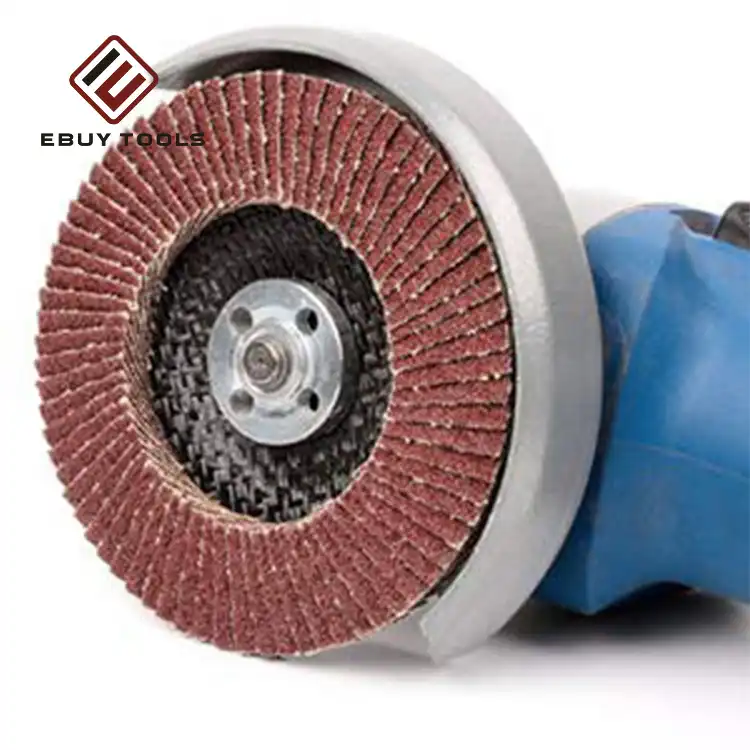
Flap discs are a big step forward in grinding technology, especially for woodworking jobs where the quality of the surface affects the value of the finished product directly. Unlike regular polishing discs, which wear down evenly across their surface, these tools are built in layers so that as the flaps on the outside wear down, new grit grains are constantly exposed. This controlled wear system makes sure that the disc's cutting performance stays the same throughout its useful life. This means that you don't have to deal with the pain of traditional abrasives losing their effectiveness over time.
Understanding the Core Components
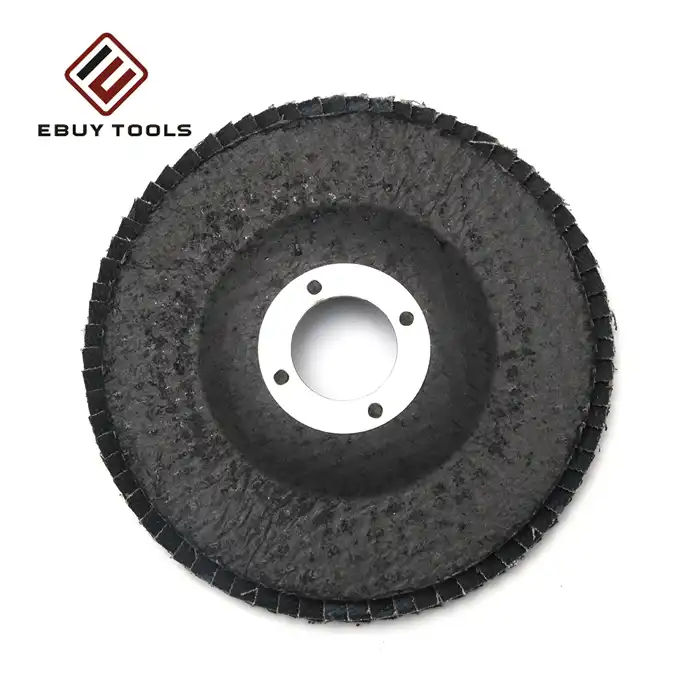
Understanding how a good flap disc works shows why it does such a good job on wood. There is a strengthened backing plate at the base that is usually made of fiberglass or high-grade plastic. This backing keeps the structure strong and absorbs vibrations during use, which keeps operators from getting tired after long periods of use. The rough covers are made up of treated cloth strips that are glued to the backing plate with strong industrial glues. These flaps are set up in a circular pattern that overlaps. This makes many contact points that spread the grinding forces evenly across the work area.
When we make tools at Danyang Ebuy Tools, we put a lot of emphasis on the strength of this sticky bond. When fiberglass and special bonding agents are mixed, they make a strong link that won't damage the work area, which is very important when getting wood ready for staining or finishing. Our 77,000-square-meter factory has 319 skilled workers who keep an eye on every step of the production process to make sure that every disc meets our high quality standards before it gets to your workshop.
Operational Advantages for Wood Processing
The way flap discs work with wood surfaces is what makes them more and more popular in business settings. When put on an angle grinder and used on either hard or soft wood, the flexible flaps follow the shape of the surface while keeping rough touch. This ability to bend is especially helpful when dealing with shaped pieces or when mixing seams and joints. The layered flap design naturally absorbs the impact of the grinding action. This keeps the surface of soft wood from being gouged and damaged by the damage that stiff grinding wheels often do.
Performance data from industrial woodworker operations shows that these tools make work more efficiently. The rate at which material is removed can be 40–60% faster than with standard circular sanders, and the surface is also smoother. Quality flap discs last a lot longer than regular sanding discs because they can sharpen themselves. Premium goods keep cutting effectively three to four times longer than regular sanding discs. As a result, this longer lifespan means less downtime for disc changes and lower long-term costs for consumables.
Types Optimized for Wood Applications
Not all flap discs work the same way on wood, so picking the right one is very important for getting the best results. Formulations with aluminum oxide work really well for working with wood because they have the right amount of cutting force and surface smoothness. These abrasives cut through wood fibers neatly and don't make too much heat, which could burn or change the color of the material. When working with tough hardwoods like oak, maple, or rare species, zirconia alumina abrasives offer longer toughness while still giving you cool cutting results.
Disc design also has a big effect on how well construction works. Type 27 flat discs have a low diameter that makes them great for finishing and matching the surface of flat panels and tabletops. The flaps on these discs touch the wood at shallow angles of 0 to 15 degrees. This makes finishes that are smooth and even, which is great for getting ready to dye. Type 29 conical discs have flaps that are curved at 15 to 25 degrees. This makes the surface contact better for strong stock removal when shaping edges or getting rid of old finishes. Knowing about these changes in setup helps procurement managers choose the right tools for the woodworking jobs they need to do.
How to Choose the Best Flap Disc for Woodworking – A Decision Support Approach?
To choose the right abrasive tools, you have to look at a lot of technical and practical factors that have a direct effect on both the quality of the process and the end result. When you know how certain product features fit with your craft needs and production setting, it's easier to make decisions about what to buy.
Critical Selection Criteria
The most important thing to think about is the grit size, which affects both the rate of material removal and the quality of the finish. When measuring board or getting rid of heavy surface flaws, coarse grits between 36 and 60 work best for quickly removing stock. These rough grades cut through wood fibers quickly, but they leave scratch marks that need to be smoothed out later. Medium grits, those between 60 and 80, work well for shaping and mixing jobs because they remove enough material while leaving areas that are only slightly rough. Fine grits between 80 and 120 are great for finishing sanding and getting the surface ready for paints or topcoats because they create the smooth, even roughness that professionals need.
Choosing the right abrasive material and grit size work together to decide how well it works generally. Aluminum oxide is still the standard for woodworking because it is friable, which means it breaks easily during use, revealing new cutting edges. This self-sharpening feature keeps the cutting quality high for the whole life of the disc. Zirconia alumina materials are tougher than regular alumina abrasives. They last longer and wear less quickly when working with thick hardwoods or rough materials like particleboard and MDF, which wear down regular abrasives quickly.
Professional-grade discs are made with better materials and structure than cheaper ones. The backing plate needs to be stiff enough to keep the disc's shape when it's loaded, but it also needs to be flexible enough to absorb vibrations. Our fiberglass-reinforced backing plates do a good job of absorbing operating vibrations. This makes grinding more stable and efficient while also reducing hand tiredness that slows down work during long sessions. The system that sticks the flaps together has to be able to handle the rotational forces that are created at operating speeds without delaminating or shedding the flaps, which can be dangerous and lead to inconsistent results.
Comparative Performance Analysis
When flap discs are compared to standard sanding methods, they show clear improvements in both output and finish quality. Traditional circular sanders need to change the paper several times during long operations. Each change of the paper means lost time that can't be used for anything else. Because flap discs last longer, these breaks happen less often, so work stays steady across shifts. Random orbital sanders are good for final finishing, but they can't get rid of enough material for measuring or heavy surface prep work. Flap discs are a good way to fill this gap because they can do both strong stock removal and fine finishing with just one set of tools.
When working with wood, the differences between flap discs and stiff grinding wheels are even more clear. Grinding wheels made for dealing with metal produce too much heat and cut too quickly, which can damage wood surfaces and tear the grain instead of cutting neatly. Because grinding wheels are hard, they often catch on wood surfaces and leave gouges and odd spots that need a lot of work to fix. The flexible flap design gets rid of these problems and makes the surface more flexible, which makes the results more consistent across a wider range of forms and features.
Economic Considerations for Bulk Procurement
For abrasive consumables, the total cost of ownership over the product's duration must be included in the cost analysis, not just the initial buy price. Premium flap discs with zirconia alumina abrasives may cost 30–50% more per unit than cheaper options, but the cost per part they process is often lower because they last longer. This economic benefit is even stronger in high-volume production settings where changing tools means losing a lot of time and work.
Strategies for buying in bulk can save a lot of money for businesses that use abrasives on a regular basis. Sales that happen more than once usually get deals that range from 10 to 25 percent, based on how much you buy. Besides lowering prices, working with skilled makers like Danyang Ebuy Tools as a vendor gives you access to expert help, the ability to make custom products, and the security of a reliable supply chain. Our large daily production capacity of about 150,000 cutting tools guarantees that you will always have enough inventory to meet your project deadlines without the delays that often happen with smaller suppliers.
Step-by-Step Guide to Using Flap Discs Safely and Effectively in Woodworking
To get the most out of flap discs' performance and durability while keeping the workplace safe, you need to follow the right setup and operation steps. The tips below will give you a complete picture of how to use these tools successfully in your woodworking projects.
Workstation and Equipment Preparation
Setting up the tools correctly is the first step to safe and effective flap disc operation. Angle grinders are the most common type of power tool used for flap disc tasks. In woodworking settings, 4.5-inch and 7-inch models are most popular. Make sure that the highest RPM that your grinder can go is not higher than the speed that is written on the flap disc. When you run discs faster than their stated speed, they could fail catastrophically, which could have serious safety implications.
Check the tool and the grit for damage or flaws before fixing the disc. Check the guard on the grinder to make sure it covers enough and is in the right place. The guard should go between the operator and the disc. It will keep trash away and protect the operator in the rare event that the disc fails. Check the disc backing plate for cracks or warping, and look for signs of delamination or contamination on the flaps. If the discs are broken, you should never use them because they pose a serious safety risk.
For the best effects, mounting processes need to be done with great care. Clean the mounting base of the grinder well to get rid of any dirt or dust that might stop it from fitting properly. Put the disc on the spindle and make sure the flaps face the right way to rotate, which is shown by the arrow on the backing plate. Tighten the mounting nut by hand until it is secure, then use the right spanner wrench to make it extra tight. Be careful not to overtighten, as that can bend the backing plate.
Application Techniques for Different Operations
The best way to use flap discs in woodworking depends on the job at hand. Place the mill 25 to 35 degrees away from the work area when you need to aggressively remove stock or shape it. While moving the tool across the workpiece in multiple passes, keep the pressure mild and steady. Instead of pushing the tool too hard, let the grit do the work. Too much pressure causes heat and faster wear without improving the rate of material removal. When the right method is used, the overlapping flap design naturally makes areas that are smooth and even.
To get the best surface quality, you need to change how you do the blending and finishing steps. The working angle should be lowered to 10 to 20 degrees with respect to the work area. This will make the contact flatter, which will lead to smaller scratch patterns. Use light, controlled passes that smooth the surface instead of reshaping it and lower the applied pressure by a large amount compared to stock removal operations. When surface quality is very important, work your way from coarser to finer grits, letting each stage get rid of the scratches left by the stage before it. This step-by-step method makes areas that are smooth and even, which is needed for high-quality finishing.
When working with softwoods like pine or cedar, slow down and apply less pressure than when working with hardwoods. If you rub softwoods hard, they are more likely to catch fire and have their grain torn. When the right method is used, these problems are kept to a minimum by the controlled cutting action of good flap discs. Do not let the tool stay in one place for long periods of time. This will prevent depressions and uneven surfaces that lower the quality of the finish.
Safety Equipment and Best Practices
Putting on personal safety equipment is a must for operating a flap disc safely. Wearing safety glasses or, better yet, a full face shield is the best way to protect your eyes from moving objects and rough particles. Because wood dust is very bad for your lungs, you need to wear a N95 or higher-rated mask for long periods of time. Angle grinders make noises that can damage your hearing permanently if you use them for a long time. This is why you need to wear hearing protection.
The safety outfit is completed by the right clothes and accessories. Wearing jewelry or clothes that don't fit right is not a good idea because they could get caught in moving equipment. Wear work gloves that fit snugly to keep your hands safe from heat and pressure while still letting you use the tool easily. If you drop tools or supplies, steel-toed boots will protect your feet. To avoid getting tangled, long hair needs to be held back and fixed.
Organization of the work area is a big part of making sure that operations are safe. Make sure there is enough light to see the work area and where the tools are. Instead of trying to hold things steady by hand, use clamps or vises to properly secure workpieces. Keep the work area clean and free of things that could cause people to trip and extra stuff that could get in the way of safely using tools. Place yourself so that you have stable footing and clear exits, so that you can quickly leave the work area if you need to.
Troubleshooting Common Challenges
Even when workers use the right techniques, they sometimes have problems with their work that need to be fixed. Uneven ends are usually caused by applying too much or too little pressure or working at the wrong angle. Keep an eye on the angle between the tool and the work area and make sure you apply steady, even pressure during each pass. Too much shaking is usually a sign of a disc that isn't attached correctly or that has become full of wood dust and resin. Take off the disc, clean it and the fastening areas very well, and then carefully put it back on.
Rapid disc wear could be a sign of a number of problems. Operating at speeds faster than the disc's rated speed greatly speeds up wear and poses safety risks. Too much pressure causes gritty grains to break early, which shortens the life of the disc without increasing output. When working with sticky woods like pine, using a special grit cleaner on a regular basis will keep the blades from loading, which slows down cutting and causes them to wear out faster. Our R&D department is always working to improve recipes so that they can withstand loads and keep cutting wood of all types efficiently.
Conclusion
Flap discs have changed the way woodwork is done by mixing violent material removal with sophisticated finishing in a single, flexible tool. Knowing the technical factors that affect performance, such as the type of abrasive and grit used, as well as the design of the backing plate and the density of the flaps, helps sourcing professionals choose goods that are perfectly matched to their needs. Strategic buying methods that combine quality, cost, and supply predictability give businesses a competitive edge by increasing output, lowering costs for supplies, and improving the quality of the final goods. As abrasive technology keeps getting better, keeping up with new products and your suppliers' skills will help your business stay successful in markets that are getting more and more competitive.
FAQ
Can I use metal-grade flap discs on wood surfaces?
Metal-grade flap discs can technically be used on wood, but they are not designed to work best with wood. Most of the time, these goods use zirconia or ceramic abrasives that are specially made for metal cutting, which produces a lot of heat and requires different material qualities. Metal-grade discs often cut too deeply into wood, causing too much heat that can scorch or burn the surface. The rough grain structure made for metal might tear wood fibers instead of cutting them easily, which would result in a bad surface. Aluminum oxide abrasives on flap discs made just for wood give better results and are more cost-effective for woodworker tasks.
What grit size should I choose for hardwood sanding?
The right way to sand hardwood depends on the job and the result you want. Start with 40 to 60 grit to get a good surface for heavy stock removal or getting rid of old finishes on hardwoods like oak or maple. Change to 80 grit for shaping in the middle range and blending jobs that balance material removal with improved surface quality. Finish sanding before staining or topcoat application works best with 100 to 120 grit, creating the smooth, even surface that professionals need. Always move through grit sequences one by one instead of jumping straight to fine grits, as each stage needs to get rid of the scratches from the previous grit to get the best result.
How do flap discs compare to sanding belts for efficiency and finish quality?
Flap discs and sanding belts have different jobs in woodworking. Belt sanders are great at removing material quickly on large, flat surfaces where their straight cutting action works well. But belt sanders aren't as flexible as they need to be for shaped surfaces and edge work, which is where flap discs really shine. Flap discs are much better at following the shape of uneven pieces while still removing material at about the same rate as most other tools. The circular cutting motion of flap discs makes scratch patterns that go in more than one direction, which look more natural than the straight scratches from belt sanders. Businesses that need both skills benefit from having both types of tools and choosing the right one for each job based on its shape and surface needs.
Partner with a Trusted Flap Disc Manufacturer for Your Woodworking Operations
Danyang Ebuy Tools combines manufacturing excellence with responsive customer service to support your abrasive tooling requirements. Our specialized production facility produces high-performance flap discs engineered specifically for woodworking applications, featuring durable zirconia alumina materials that deliver extended service life and consistent performance. The advanced grain engineering and precision backing plate design in our products ensure fast, efficient grinding that maintains surface quality throughout the disc's operational life. With daily production capacity of approximately 150,000 cutting tools, we maintain the inventory depth and supply chain reliability your operations depend on.
Our customization capabilities extend beyond standard products to include private labeling and specialized formulations tailored to your unique requirements. The combination of competitive pricing, technical expertise, and dependable delivery makes Danyang Ebuy Tools an ideal flap disc supplier for distributors, OEMs, and end-users seeking manufacturing partners rather than transactional vendors. Contact our team at [email protected] to discuss your specific woodworking applications and discover how our products can improve your productivity while reducing consumable costs. We deliver the quality, consistency, and support that transform supplier relationships into strategic partnerships.
References
Woodworking Industry Association. (2021). Abrasive Selection and Application Guidelines for Professional Woodworking. Chicago: WIA Press.
Miller, R. & Thompson, J. (2020). Modern Abrasive Technologies: Materials, Applications, and Performance Optimization. New York: Industrial Press.
American National Standards Institute. (2019). ANSI B7.1 Safety Requirements for the Use, Care, and Protection of Abrasive Wheels. Washington, DC: ANSI Publications.
Chen, L. (2022). "Comparative Analysis of Abrasive Performance in Wood Processing Applications." Journal of Manufacturing Processes, 78, 245-261.
Machinery Safety Council. (2020). Best Practices for Abrasive Tool Operation in Manufacturing Environments. Boston: MSC Publications.
Davidson, P. (2021). Strategic Procurement in Industrial Manufacturing: Optimizing Supply Chain Performance. London: Cambridge Business Press.
_1732239824901.webp)