.webp)

Choosing the right drill bit for wood requires balancing speed, precision, and durability to meet specific project needs. Among the various options available, the Flat Drill Bit For Wood (commonly known as a spade or paddle bit) offers an optimal combination of rapid boring capability and cost-effectiveness. This tool features a central pilot point for accurate positioning and dual cutting spurs that cleanly sever wood fibers, making it particularly valuable for high-volume industrial applications where efficiency drives profitability.
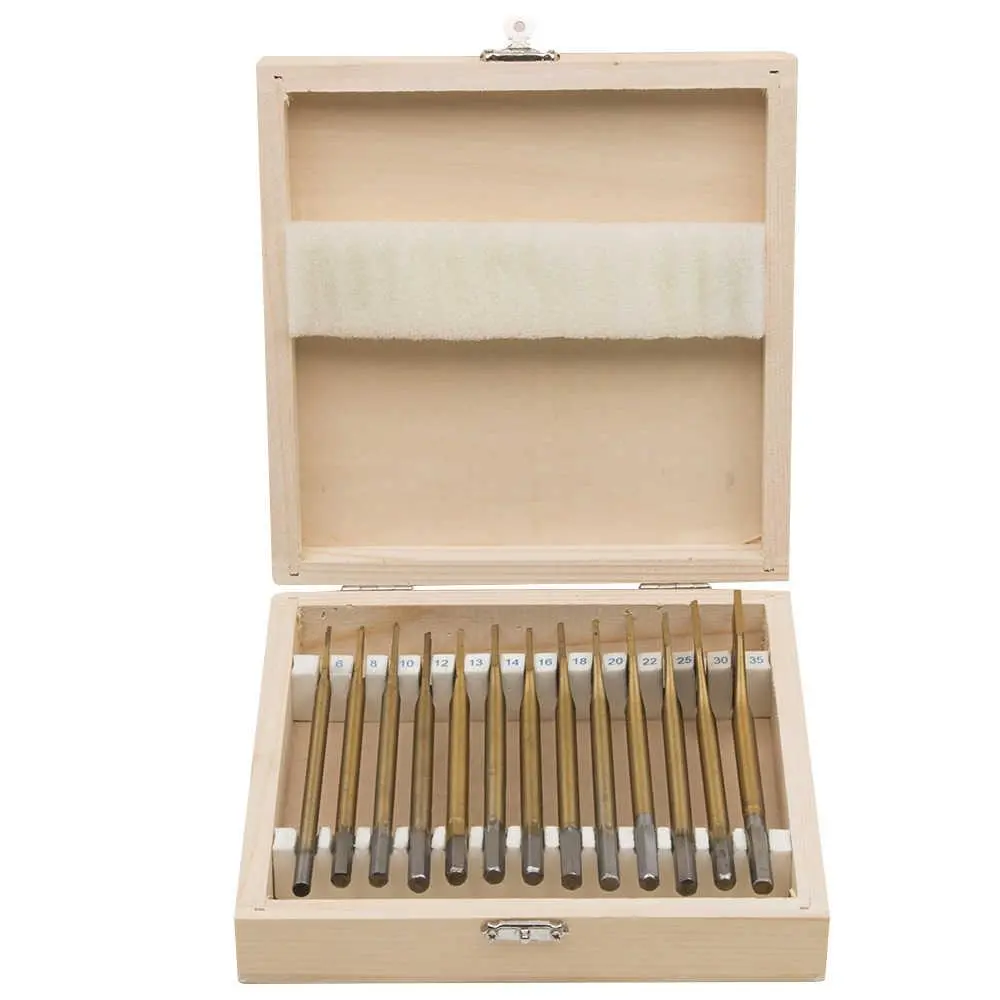
Understanding Flat Drill Bits for Wood: Types, Benefits, and Applications
To drill into wood, you need tools that are made to work with that material's specific qualities. For example, the cutting performance is affected by the wood's grain direction, density difference, and moisture content. These problems are solved by flat bits, which have a simple but effective design philosophy.
What Makes Flat Bits Unique?
These bits are different from spiral ones because they are made like paddles. A precisely ground centering point holds the bit in place when it touches wood, so it doesn't move around. From this center, two cutting edges on the sides extend outward, cutting fibers as the bit turns. The flat body between these edges makes a way for chips to escape, which lowers friction and heat buildup during use.
This design is very different from auger bits or brad point bits. Auger bits use threaded tips and spiral flutes for deep-hole digging, while brad point bits focus on surface finish through small cutting circles. The spade bit has a lower finish quality but a much faster penetration rate, which is very important for business framing, electrical rough-ins, and plumbing installs where the number of holes is more important than the quality of the finish.
Material and Coating Options
High Carbon Steel (HCS) is still the most common material used to make professional spade bits. This metal, which has been heated to 48–52 HRC, keeps its edges well while still being flexible enough to take a hit without breaking. Modern manufacturing methods used in places like the 77,000-square-meter production center of Danyang Ebuy Tools make sure that the hardness stays the same from one production run to the next. This is an important quality indicator that directly affects how long a tool lasts.
Treatments that are put on the surface improve performance. Titanium Nitride (TiN) treatment makes the surface hard and smooth, which lowers the coefficient of friction. This coating gets rid of heat better than bare steel, which makes cutting edges last three to five times longer in manufactured wood goods that are rough. Black Oxide finishes are less expensive and have moderate corrosion resistance, making them good for places that only use them occasionally.
Core Application Scenarios
Professionals in industrial procurement should choose bits based on how they will be used in different situations. The low torque requirements of the bit help electrical contractors drill through dimensional lumber for conduit runs. This extends the battery life of cordless tools. Operators can drill more holes per charge than with heavier augers because the construction is lighter.
Working with wet pressure-treated boards, dense hardwoods, and unpredictable grain patterns can be hard for people who do timber building. When dealing with knots or embedded fasteners, the strong paddle design is better at resisting deflection than thin twist bits. Because they last longer, bits break less often, which saves money on downtime costs in high-volume production settings.
Mixed material problems come up during renovation jobs. Quality Flat Drill Bit For Wood spade bits are built to last, so they can be used to dig out secret nails in old-growth wood without breaking. The aggressive cutting action gets rid of material faster than precision bits made for clean cabinet work when drilling through lath-and-plaster assemblies or composite wall systems.
How to Choose the Right Flat Drill Bit for Wood: Key Selection Criteria
To choose the right tools, you must first have a clear picture of the job's needs and the properties of the material. The best bit performance is determined by a number of factors that are all linked.
Wood Type and Hardness Considerations
Softwoods, like pine and fir, can be driven into quickly with little force. When the drill speed is set correctly, standard HCS bits work well in these materials and make clean holes. Hardwoods like oak, maple, and ash need stronger building methods. Because the higher density causes more friction and heat, coated bits are necessary to keep the edge sharp across multiple holes.
Engineered wood goods like plywood, MDF, and particleboard have glues in them that make edges dull faster. The resin makes rough conditions that quickly wear down steel that isn't coated. TiN-coated bits keep cutting performance much longer in these materials, which means they don't need to be replaced as often and total tooling costs are lower.
Diameter and Depth Requirements
Spade bits work best in diameters between 6 mm and 38 mm. Bits with a twist or brad point give you more control over smaller holes. When the width gets bigger, it gets hard to handle and causes too much shaking. Because it is flat, the bit can only drill about four times its width deep. Any deeper than that, chip evacuation becomes difficult, and operators have to manually pull the bit back every so often to clear out the waste.
The project requirements should help you choose the right diameter. For standard wiring, electrical work usually needs holes 19 mm to 25 mm in diameter, while plumbing jobs may need 32 mm to 38 mm of space for PEX tubing. Knowing these standard sizes lets you buy in bulk in ways that keep stocking costs as low as possible.
Shank Compatibility and Drive Systems
The normal 1/4-inch hex shank (DIN 3126), which works with all quick-change chucks and impact drivers, is the most popular size in the professional market. This design makes it easy to hold on to and quickly switch bits, which makes repetitive drilling tasks more productive. In some situations, standard round shanks are needed for certain types of drill chucks, but these are used less and less in business settings.
Bits that are rated for impact have a torsion zone in the shank that absorbs the sudden torque peaks that impact drivers produce. Because these impulse forces can cause standard bits to break, workers who use these power tools must have an impact license. Good makers clearly label impact-rated items so that they don't fail when they're used in the wrong way.
Comparative Performance Analysis
Knowing about competing options helps buyers make choices that are right for the situation. Because they have two outer spurs and a fine cutting geometry, brad-point bits give better surface finish, which makes them perfect for work that will be seen in cabinets and furniture. In exchange, penetration rates are slower and more torque is needed.
Auger bits are used for deep-hole boring because their spiral flutes and self-feeding threaded tips remove chips automatically. These benefits come at a cost of more weight, higher cost, and more stress on cordless drill batteries. If workers lose control, the fast feed rate can split thin pieces of wood.
Hole saws can cut bigger holes with less material removal, but they get very hot and need to be stopped often to cool down. Forstner bits make holes with flat bottoms and a great finish, but they work slowly and need to be mounted rigidly in a drill press for precision.
Best Practices for Using and Maintaining Flat Drill Bits for Wood
The right way to use a tool and follow the maintenance instructions directly affects how well it works and how much it costs to run. Systematic practices make bits last longer and keep the quality of the holes the same across production runs.
Optimal Drilling Techniques
Accurate centering starts with putting the Flat Drill Bit For Wood bit in the right place. It is important that the sharp pilot point touches the wood straight on. When you tilt the drill, the blade is loaded unevenly, which can break or make the hole bigger than it should be. Firm, steady pressure is needed for the cutting edges to work well. Too much force overheats the flat drill bit for wood, and not enough pressure leads to glaze, which dulls the edge.
The drill's speed settings depend on the type of wood and the size of the bit. Softwoods can handle higher RPMs, usually between 1500 and 2000 RPM for medium-sized widths. To keep them from getting too hot and dulling too quickly, hardwoods need slower speeds, between 1000 and 1500 RPM. With bigger diameter bits, the peripheral speed is higher, so the RPM settings need to be lowered to keep the right cutting speed.
Exit-side blowout is still a problem that spade bits often have. When the bit breaks through, the cutting action pushes wood fibres ahead of the blade, making the wood splinter. Professionals clamp a temporary backing board behind the piece of work or stop the drill when the pilot point comes out and finish the hole from the other side.
Sharpening and Maintenance Protocols
Wear is found before it hurts efficiency by inspecting things on a regular basis. Round cutting edges, discolouration from heat, and obvious nicks in the blade are all signs that it needs to be sharpened. Fixing these problems quickly by resharpening stops the faster wear and tear that happens when cutting with dull tools.
When compared to complex helical bits, the flat geometry makes field sharpening easier. By carefully filing the bevelled cutting lips, a normal mill file or diamond polishing tool can bring back the edge's sharpness. Cutting works best when the slope stays the same, which is usually between 20 and 25 degrees. Do not file down the upper vertical spurs because it lowers the hole width and clearance requirements.
Cleaning gets rid of the resin buildup that keeps heat near the cutting edge by acting as an insulator. Accumulation of pitch and sap also raises friction, which needs more torque to be applied. Mineral spirits and other simple solvents work well to break down wood resins. After washing, a thin layer of machine oil keeps the surface from rusting while it is being stored.
Storage and Handling Best Practices
In business settings, storage systems need to be well-organized to keep things from getting damaged and make it easy to get to tools quickly. Bits don't touch each other, which could damage the cutting edges when they are in separate sleeves or compartmentalized cases. Magnetic strips or pegboard systems that are fixed on the wall let you see your goods and protect the geometry of your tools.
Controlling the humidity in storage areas keeps bare surfaces from rusting. Tool rooms with climate control are ideal, but only big businesses can afford to spend that much on them. Packets of silica gel or volatile corrosion inhibitor (VCI) papers put in storage containers can help smaller shops.
Comparison of Leading Brand Flat Drill Bits for Wood: Features and Procurement Insights
There are a lot of choices on the market for industrial tools, and each one is made to meet a different set of performance needs and price limits. Knowing what makes one brand different from another helps procurement pros make sure that purchases are in line with operational goals.
Brand Performance Characteristics
Well-known companies like DeWalt, Milwaukee, and Bosch put a lot of money into coating technology and research into metals. Their high-end goods usually have carefully managed heat treatment methods that make sure the blade is the same hardness all the way through. These brands also have full warranty programs that protect buyers against problems with the way the products were made, which is important for people who buy in bulk and keep a lot of inventory.
Irwin and Makita are in the middle of the market because they offer good quality at reasonable prices. Their products are good for workers who want solid work without having to pay a lot for a name-brand product. Most of the time, these companies get their materials from well-established supply chains that make sure the quality stays the same from one production run to the next.
New sellers from major manufacturing regions offer aggressive pricing for Flat Drill Bits for Wood, which wholesalers who want to save money will like. There is a wide range of quality in this category, so it's important to test samples before placing large orders. Not only the original sharpness, but also the edge retention after long use in standard materials is the most important rating factor.
Procurement Strategy Development
For buyers who buy a lot, having direct relationships with manufacturers can be very helpful. Danyang Ebuy Tools is a good example of this method because they can make up to 150,000 pieces every day. This scale guarantees a steady flow and can be adjusted to fit the needs of OEM uses. The company's ISO 9001 quality system and dedicated research and development (R&D) department help people work together to make products that meet specific customer needs.
When you buy in bulk, you can take advantage of economies of scale that lower the cost per unit while making sure that you always have enough supplies. Setting up preferred supplier ties with manufacturers that offer a wide range of products is especially helpful for distributors that serve area markets. When you can combine different types of tools under one seller deal, it makes purchasing easier and often lets you get better prices based on volume.
Value-Added Service Considerations
Superior suppliers are different from commodity vendors because they can provide technical support. Access to application experts who know about the properties of different types of wood, the specs of drilling equipment, and how to make the production process run more smoothly adds real value that goes beyond the price of the product. These resources help buyers figure out why their tools aren't working right and make better choices as project needs change.
Sample programs let people who might buy a product try it out in real-life situations before they commit to big sales. This method for lowering risk works especially well when looking for new sources or changing specs that will affect many production lines. Ebuy Tools makes this evaluation process easier by making sample packages that are specific to the needs of each application.
Traceability is made possible by quality documents like material certifications, dimensional inspection reports, and heat treatment records. This is especially important in controlled industries where quality management systems are used. Manufacturers of aerospace, cars, and medical devices often need this level of documentation to pass audits and keep their supplier qualification status.
Conclusion
To choose the right wood drilling tools, you need to carefully consider the properties of the wood, the needs of the job, and the total cost of ownership. Flat drill bits work best in high-volume situations where fast entry and low cost are the most important factors in the purchase choice. Buyers can match goods to practical needs if they know the technical details, such as the material makeup, hardness grades, coating methods, and geometric features. Manufacturers of good quality, like Danyang Ebuy Tools, combine large-scale production with technical know-how. They offer both standard catalogue items and custom solutions that solve problems in specific industries. Strategic partnerships with suppliers improve the results of buying by ensuring consistent product quality, dependable delivery schedules, and help in fixing problems together.
FAQ
Can flat drill bits work on plywood without causing damage?
Because plywood is made of layers, it can delaminate and blow out on the exit side. By cleanly cutting through the outer veneer fibers, using sharp bits with well-kept cutting spurs reduces damage to the surface. Tear-out can be avoided by putting scrap material behind the block or drilling from both sides when the pilot point comes out. With steady pressure and moderate drill speeds, vibrations that can split veneer layers are less likely to happen.
How do flat bits compare to spade bits in speed and precision?
You can use "flat bit," "spade bit," and "paddle bit" to talk about the same type of tool. Performance differences are caused by the quality of the manufacturing process, not the type of design. When it comes to cutting speed and accuracy, premium bits with precisely ground cutting edges and the right heat treatment beat cheaper bits that are rough ground and have inconsistent hardness.
What maintenance extends a flat drill bit's lifespan most effectively?
Regularly cleaning edges before they get very dull stops them from wearing down faster. Cleaning off the resin buildup after each work session keeps the cutting sharp and the heat from building up. Tool geometry is kept safe by storing them properly so that they don't get damaged or rust. By choosing the right drill speeds for the material, you can keep the drill from getting too hot, which damages the temper and edge sharpness.
Partner with Ebuy Tools for Your Wood Drilling Solutions
Danyang Ebuy Tools offers flat drill bits for wood options that are made to last in the business world. They are backed by a lot of manufacturing experience and quality control systems. Our 319 employees run high-tech production lines that make 150,000 units every day, making sure that wholesalers and OEM makers around the world always have what they need. Email our expert sales team at [email protected] to talk about your unique application needs and look into buying in bulk. We offer detailed information about our products, evaluation programs for samples, and custom solutions that solve specific operational problems. As a dedicated flat drill bit for wood makers, we offer low prices and steady quality that meets the high standards of professionals in the automobile, aircraft, metalworking, and general manufacturing industries.
References
1. American Society of Mechanical Engineers (2021). Cutting Tool Materials and Heat Treatment Specifications for Industrial Applications. ASME Press.
2. Woodworking Institute of Technology (2020). Comparative Performance Analysis of Wood Boring Tools in Industrial Settings. Technical Report Series, Volume 18.
3. International Organization for Standardization (2019). ISO 9001 Quality Management Systems: Requirements for Tool Manufacturing. ISO Standards Publications.
4. National Association of Home Builders Research Center (2022). Tool Selection Guidelines for Residential and Commercial Construction Applications. NAHB Technical Publications.
5. Society of Manufacturing Engineers (2021). Material Science and Tool Metallurgy: Applications in Wood and Metal Cutting Operations. SME Technical Paper Series.
6. Forest Products Laboratory (2020). Wood Properties and Drilling Parameters: Engineering Reference Manual. U.S. Department of Agriculture Technical Documentation.