.webp)

To get a perfect mirror finish on industrial concrete floors or granite tables, you need more than just skill. You also need the right grinding technology. A diamond polishing disc is an important purchase for people who work with stone, repair concrete, or sell tools and want to finish the surface of something. Normal abrasives have trouble with materials harder than Mohs hardness 7.
These special tools, on the other hand, use designed matrices that contain fake diamond particles to remove material consistently without building up heat that leaves expensive burn marks. When you know about the different types of discs, grit levels, and professional techniques, you can turn simple cleaning tasks into fast, high-quality finishing methods that meet strict B2B standards.
Understanding Diamond Polishing Discs: Types and Features
What Makes These Tools Different from Traditional Abrasives
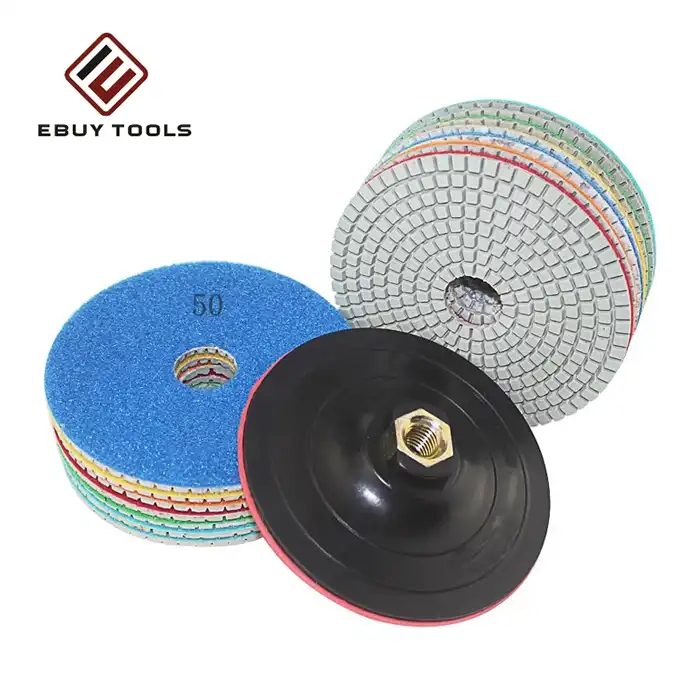
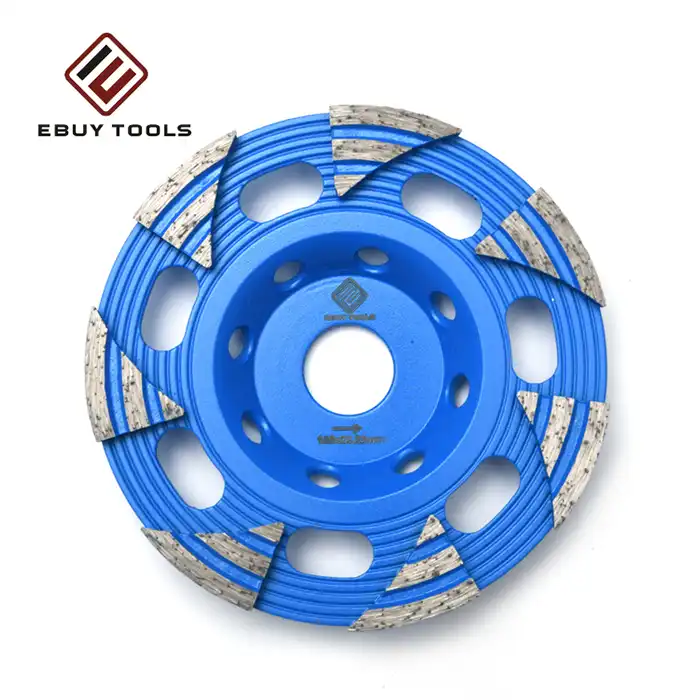
A diamond polishing disc is a man-made abrasive tool made to smooth out hard surfaces like granite, marble, concrete, and manufactured stone. The way it's made is very different from regular sandpaper or bound abrasives. Synthetic diamond powder of an industrial grade is mixed with a certain bonding matrix, which is usually a high-performance plastic, metal alloy, or ceramic hybrid. This matrix keeps the diamond bits in place while letting controlled weathering keep showing new cutting edges.
The engineering solves real problems in business. Burn lines look bad on expensive natural stone surfaces when heat doesn't escape properly, especially when edges are being profiled. Structured grooves in high-quality discs make sure that heat moves away properly and slurry is removed during wet cleaning. This keeps expensive material damage from happening during finishing operations and makes tools last a lot longer.
Professional makers use these tools because they always give the same results, no matter how many times they are used. Moving from coarse to ultra-fine grit in a planned way gets rid of swirl marks and haze, giving the surface the mirror-like shine that customers expect from high-end installations.
Wet Versus Dry Polishing Configurations
Whether you use wet or dry polishing tools depends on the object you are working with and the conditions you are working in. Wet sanding discs use water to keep them cool and to keep them moving smoothly. The water does several things: it gets rid of frictional heat, clear out waste, and lowers the amount of silica dust in the air. The resin bonds on these discs are designed to work best when they are wet, which is usually when using small angle grinders at 2,000 to 4,000 RPM to cut edges in granite and marble.
In business areas that are already filled, where managing water slurry is difficult or impossible, dry polishing configurations become necessary. These situations can happen when terrazzo is restored in busy stores or when concrete is refinished in buildings. Dry-use discs are made with high-temperature-resistant resins that can handle the high temperatures used without melting, glazing, or transferring color to light-colored stone surfaces. As a trade-off, more active dust generation is needed, which means strong vacuum dust collection systems are needed to keep the air clean and in line with OSHA rules.
Bond Material Types and Their Applications
The makeup of the glue matrix has a direct effect on how well it works and how well it works with other materials. From #400 grit to #3000 grit and higher, resin bonds are the most common type of fine grinding material. These bonds are very flexible and can be used to profile curved edges and shaped surfaces, but they can only handle heat up to 180°C. When cutting soft materials like marble and limestone, where sharp cutting isn't needed as much, resin-bonded tools work best.
Metal and copper bonds give coarse grinding tasks (usually #30 to #200 grit) the strength and longevity they need. These bonds can handle higher temperatures and give you longer tool life when you need to remove a lot of material during the lippage repair or initial concrete grinding stages. Metal-bonded discs are great for hard materials like granite and dense concrete because they make the material harder.
Ceramic and mixed bond technologies make it possible to grind and shine at the same time. These intermediate bonds get rid of the deep scratches that metal-bonded steps left behind and get the surface ready for finishing sequences that use resin bonds. Diamond polishing disc—as a key tool in this category—benefits from the hybrid formulas that combine the strength of metal and the flexibility of resin, making tools that can be used on a wide range of stone types in the same production setting.
Grit Size Progression and Surface Finish Impact
The FEPA standard for naming grit uses numbers to show the size of the diamond particles. Lower numbers mean rougher grades with bigger diamond bits, while higher numbers mean smoother grades. A #50 grit disc forcefully removes material to fix lippage and get rid of stock quickly. As you go through #100, #200, and #400 grits, the scratch pattern gets smoother, and with each step, the surface becomes more measurable.
The most important rule for grit development is to avoid jumping too much between steps. You get "ghost scratches"—deep lines from the coarse grit that smaller abrasives can't get rid of—if you try to go from #50 to #400 grit all at once. Even though it looks shiny, the surface is still scratched. The standard in the industry says that you shouldn't skip more than one grit level, and that each step should successfully get rid of the scratches from the stage before it.
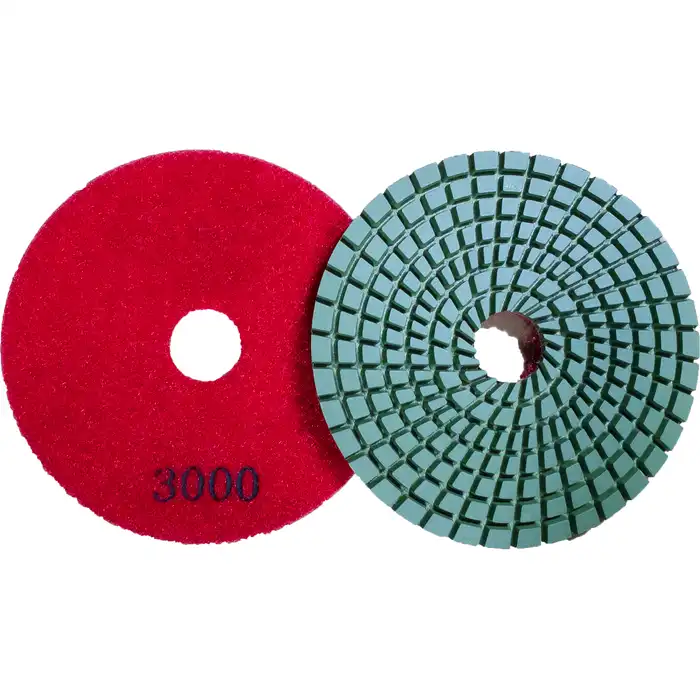
Ultra-fine sizes #1500 to #3000 give stone structures the mirror finish that people expect. At these levels, the cleaning action changes from just mechanical friction to a mix of mechanical and chemical action. This is especially true for stones like marble that are high in calcium. This process of gradual tuning lowers the surface's roughness to levels that can only be measured with special tools. This creates the deep mirrored gloss that is a sign of high-quality work done by a professional.
Pro Techniques for Using Diamond Polishing Discs Effectively
Stone-Specific Application Methods
Because granite is so hard and has a solid structure, it needs to be polished using a full grit process. To get the best results, makers go through seven or more steps, starting with #50 or #100 grit to smooth the surface. Because granite is thick and doesn't have pores, it needs to be worked with water and pressure that stays the same. Handheld polishers work best at speeds between 3,000 and 4,000 RPM, which is the best range for removing material and controlling heat.
Because it is made of calcium carbonate and has a softer texture, marble offers different difficulties. Burn lines are made by too much pressure or speed, and resin transfers more easily than on granite. Starting with #100 or #200 grit is usually enough, unless there is a lot of lippage. Chemical sanding solutions that work well with fine grits above #800 can also be used on marble. This speeds up the finishing process and protects the stone's surface from mechanical damage.
There is a specific way to smooth concrete, especially for large-format floor uses. Planetary grinders with semi-rigid plates work best for large spaces. After applying the densifier, the process includes grinding through different sizes, with each step getting rid of the scratches from the last pass. To get the salt-and-pepper exposure and gloss level you want, you have to be patient. Rushing through the grit steps hurts the end look and sturdiness of the polished surface.
Pressure and Speed Control Principles
One of the most common mistakes operators make is putting too much downward pressure on the machine. Heavy pressure speeds up disc wear, makes heat that isn't needed, and actually makes cutting less effective. The diamond polishing pad performs optimally when its diamond bits can touch the stone surface at the right angles. Light to moderate pressure—just enough to keep the surface in contact—removes material faster and improves the quality of the surface.
Rotational speed has a big effect on both how well a tool cuts and how long it lasts. Running a 4-inch disc faster than 5,000 RPM doesn't make it more productive; instead, it creates friction heat that breaks down resin bonds too quickly and poses a safety risk by causing pads to fall apart. With variable speed mills, the RPM can be changed to get the best results for each grit level and type of material. For coarser grits, slightly slower speeds that maximize power and material removal work best. On the other hand, normal speeds that build up the desired polish without making too much heat work best for finer grits.
Maintenance Practices That Extend Tool Life
Cleaning the disc regularly between uses keeps it working well and stops it from wearing out too quickly. During use, stone slurry and mineral deposits build up inside the disc structure, covering up the spaces between the diamond particles and making cutting less effective. By giving discs a good rinse after each use, you can get rid of contaminants before they harden. Mineral buildup can be removed from highly loaded discs by soaking them in a mildly acidic solution. This restores the cutting action without hurting the bond matrix.
Keeping an eye on wear indicators helps workers change discs at the right times. Most good discs have wear marks or color coding that shows how much grinding life is left. Using a disc after it has reached the end of its useful life loses time and lowers the quality of the surface. As the diamond particles wear below the surface, the bond matrix gets polished. This turns the cutting action into simple friction that makes heat without removing material.
How the discs are stored affects how long they last, especially resin-bonded types. Over time, bond materials break down when they are exposed to high temperatures, direct sunlight, and water. Maintaining the performance of discs is possible by keeping them in a climate-controlled space away from strong chemicals and acids. Hook-and-loop backing systems need to be kept clean because dirt stuck in the Velcro weakens the bond and causes uneven spinning, which leads to vibration and early tool wear.
Choosing the Right Diamond Polishing Disc: A Decision-Making Guide
Material Compatibility Assessment
Success or failure depends on how well the disc's specs match the material you want to use. Hard materials like engineered quartz, densified concrete, and quartzite need discs with softer link structures. This concept, which seems to go against common sense, makes sure that the link wears away at the right rate, letting new diamond particles show through. When you put a hard bond on a hard object, glazing happens. This is where gems get stuck below the surface, making the disc useless.
On the other hand, harder glue formulations work better with soft materials like marble, limestone, and regular concrete. The bond naturally goes away at a fast enough rate on the softer stone, so a stronger matrix makes the tool last longer without lowering its cutting ability. Using a soft-bond disc on a soft material speeds up bond loss, which wears out the disc too quickly and wastes the diamond investment.
The density of the stone affects the choice between wet and dry discs. Materials that are very porous, like limestone, easily soak up water, which changes the nature of the slurry when wet polishing. Dense materials, like polished porcelain, quickly lose water, so the slurry properties stay the same during the cleaning process. By knowing how these materials behave in certain ways, operators can choose the right disc configurations and make the necessary changes to their methods.
Equipment Compatibility Considerations
Handheld angle grinders are the most common tool for small-area work and cleaning edges. Most of the time, these tools can work with 4-inch, 5-inch, or 7-inch discs, and their top speeds range from 4,000 to 11,000 RPM, based on the width of the disc. Hook-and-loop backing methods make it easy to change discs quickly, which is important for keeping up with work when going through different grit stages. The stronger Velcro connection has to be able to handle strong rotating forces, especially when it's wet and sticking can be hard.
Planetary floor grinders need special disc shapes, which are usually 3- or 4-inch semi-rigid "pucks" that fit on multi-head drive plates. Weight and grinding action are spread across several discs at the same time by these machines, which requires consistent disc performance to avoid uneven surface finishing. Diamond polishing pad technology is essential here, because the fixed mounting method is very different from flexible handheld uses; it needs discs that were made to work with planetary tools.
If your tools can change speeds, you can use a wider range of discs and get the best performance from them on a variety of materials and grit stages. Fixed-speed tools make it harder to change how they work, which could mean sacrificing disc selection or needing more than one tool to handle different tasks well. When choosing tools for a new building or updating old ones, variable speed control is a good purchase that makes the most of your abrasive inventory's versatility.
Quality Indicators for Professional-Grade Discs
Professional-quality discs are different from cheaper ones in a number of ways. In good products, the diamond content, or the amount of fake diamond powder in the bond matrix, is usually between 30% and 45%. When the percentage is higher, the tool lasts longer and the cutting action stays the same over the disc's lifetime. To save money, economy discs often cut down on the amount of diamonds they use. This makes the discs less durable and less reliable as they wear down.
The quality of the manufacturing process affects how the disc balances and how it vibrates. Precision production processes make sure that the diamonds are spread out evenly and that the structure is built in a circle. Unbalanced discs cause vibrations that wear out operators and leave chatter marks, or wave patterns, on finished stone surfaces. As part of quality control, a microscopic cross-section study checks that the diamonds are evenly spread across the length of the disc. This keeps the disc from having "dead spots" where the cutting action stops too soon.
The stability of the backing system is a key safety and efficiency factor. The most common place where something breaks is where the rough layer meets the hook-and-loop connection. Manufacturers of good products test peel strength very carefully to make sure the disc stays attached even at high speeds. Discs coming off during operation are very dangerous and usually damage the workpiece. Color-coded backing systems make it easy for workers to quickly find the right amount of grit, which cuts down on mistakes during polishing routines with multiple steps.
Conclusion
To finish stones well, you need to know how diamond polishing disc types, grit progressions, and application methods work together to get the results you want. What makes a difference between wet and dry setups, resin versus metal bonds, and the right grit patterns has a direct effect on both quality and speed. Professional methods like controlling the speed, applying the right amount of pressure, and keeping up with routine maintenance make tools last longer and make sure that the surface finishes are always the same.
By looking at a supplier's skills, buying in bulk, and looking for ways to customize products, strategic sourcing methods can turn abrasives from common items to competitive benefits. Forward-thinking businesses that keep up with new developments in material science and robotics can take advantage of new technologies that boost quality and efficiency in the stone fabrication and concrete polishing industries.
FAQ
How Do I Select the Correct Grit Size for Different Stone Types?
To get the best mirror shine on granite, you should start with #50 or #100 grit and work your way up to #200, #400, #800, #1500, and #3000. This depends on the state of the surface. Because marble is made of softer materials, you can start with #100 or #200 grit and do fewer steps to get the same effects. For the first grinding step in concrete finishing, metal-bonded segments are used. After applying a densifier, resin diamond polishing discs ranging from #100 to #400 are then used.
Can I Use the Same Disc on Different Grinder Types?
Hook-and-loop connection methods can be used with most handheld angle grinders as long as the disc width fits the tool's requirements. Planetary floor grinders need specially designed semi-rigid discs that are very different from bendable discs that can be used with a hand grinder. To make sure safe operation and best performance, always check that the disc's design is compatible with the type of tools you are using.
What Maintenance Extends Disc Lifespan Most Effectively?
Mineral buildup that makes cutting less effective can be avoided by cleaning thoroughly after each use. Bond stability is maintained by storing properly, out of direct sunlight and at temperatures that don't change much. Surface damage can be avoided and productivity can be kept up by keeping an eye on wear signs and changing discs before they run out of diamonds completely. When you use the recommended speeds and pressures, you can keep the bond from breaking down too quickly due to too much heat.
Partner with Ebuy Tools for Superior Stone Finishing Solutions
Danyang Ebuy Tools sells grinding solutions made for professionals that are designed to work well with hard materials like stone and concrete. Our diamond polishing discs are made with synthetic monocrystalline diamond technology set in optimized resin, ceramic, and metal hybrid bonds. This makes sure that they remove material more quickly and efficiently while also keeping heat from building up and damaging expensive stone surfaces. Our discs make multi-step cleaning processes easier by using hook-and-loop backing systems that let you change the grit quickly and identify them by color.
As a top maker of diamond polishing discs, our 77,000-square-meter plant and 319-person staff keep up a daily production rate of 150,000 pieces, making sure that distributors, fabricators, and OEM partners all over North America have a steady supply. Our focused research and development (R&D) team creates custom grit formulations, unique bond matrices, and branded packaging solutions that are made to fit your needs. You can talk to our technical team at [email protected] about the problems you're having with your program, ask for product samples, or get bulk prices. We provide the precision tools and production relationship that improves your stone finishing skills while lowering your costs.
References
1. Smith, J. & Anderson, R. (2021). Advanced Abrasive Technologies for Stone Fabrication. Industrial Materials Press.
2. Chen, L. (2022). "Diamond Tool Performance in Hard Material Processing." Journal of Manufacturing Technology, 45(3), 234-251.
3. Thompson, M. (2020). Concrete Polishing: Methods and Materials for Professional Results. Construction Publishing Group.
4. Williams, K. & Roberts, P. (2023). "Bond Matrix Optimization in Diamond Abrasive Tools." International Journal of Precision Engineering, 12(2), 112-128.
5. Garcia, A. (2022). Stone Surface Finishing: Technical Guide for Fabricators. Natural Stone Institute.
6. Davidson, T. (2021). "Synthetic Diamond Manufacturing and Abrasive Applications." Materials Science Quarterly, 38(4), 401-419.