.webp)

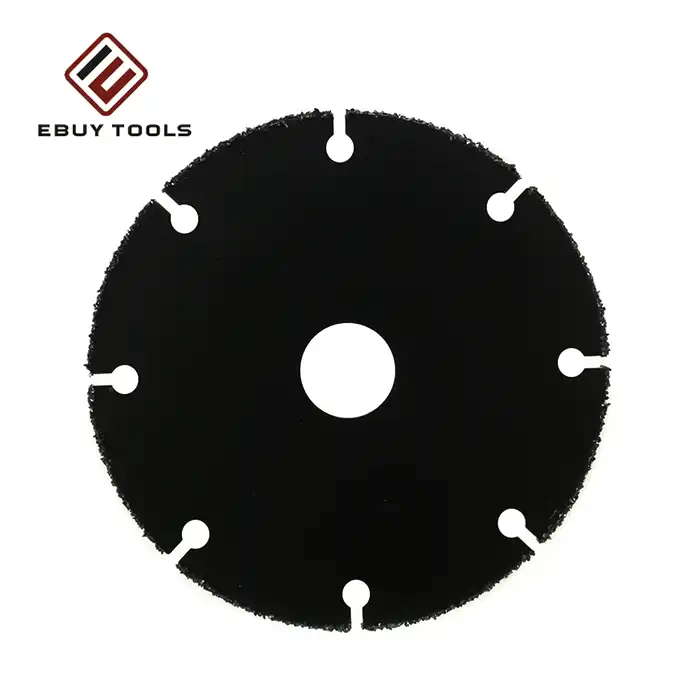
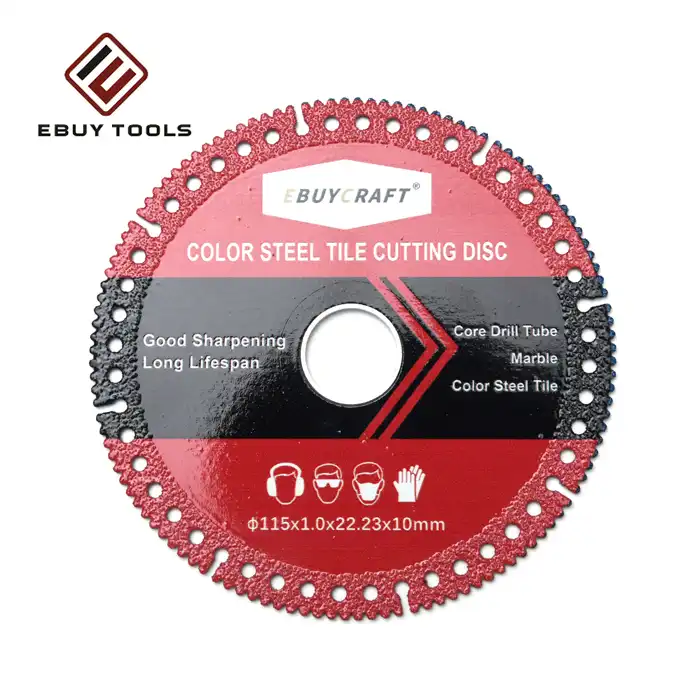
A metal cutting disc is an abrasive tool with a joined surface that is designed to cut through metallic and non-ferrous metals at high speeds. A metal cutting disc is different from regular saw blades because it uses abrasive grains (usually aluminum oxide, silicon carbide, or zirconia alumina) that are bound with phenolic resin and strengthened with fiberglass mesh to stand up to strong rotational forces. These discs solve important problems in the industrial world: they cut through high-tensile alloy steels without deforming the object, they keep heat-affected zones that cause metal to blue to a minimum, and they keep operators from getting tired by removing material quickly. Because they work with both angle grinders and fixed chop saws, they are essential in industries like metalworking, making cars, aircraft machining, and building structures.


What Is a Metal Cutting Disc?
Core Function and Design Philosophy
Metal cutting discs are sharp tools that are meant to be used only once and are especially made for cutting metal. They are made of abrasive particles that are held in a matrix that is linked together. This makes thousands of tiny cutting edges that remove material through friction. This is very different from grinding discs, which have wider profiles that are made to remove material from the top instead of cutting deep. The thickness of a normal cutting disc is between 0.8mm and 3.2mm. Thinner discs make cuts faster, better, and with less heat and waste.
Distinguishing Cutting from Grinding Applications
A lot of metalworkers get these two different types of tools mixed up. Cutting discs are only made to work with horizontal cutting force, which means they cut across the surface of the workpiece. The thin shape and weak structure of these structures mean they can't handle pressure from the side. On the other hand, grinding wheels have thicker bodies that are made to handle side loads during surface grinding. If you use a cutting disc for grinding, it could fail completely because the side forces would wear away the fiberglass support and break the disc. Knowing the difference between these two terms saves both the operators and the tools.
Material Composition and Durability Factors
High-end metal cutting discs have several designed layers. The type of abrasive—brown fused alumina for general steel or white fused alumina for stainless steel—determines how well it cuts and whether it will work with other materials. The phenolic glue holds these rough grains together and keeps them stable at high speeds. Professional-grade discs have triple fiberglass mesh support, which keeps the structure from breaking at speeds of up to 80 meters per second. Environmental factors have a big effect on how long a disc lasts. For example, plastic bonds break down over time when they absorb water, which is why good makers put three-year expiration dates on their products. When discs are stored in climate-controlled areas, they stay in good shape and keep operators safe.
Types of Metal Cutting Discs Explained
Abrasive Cutting Discs for General Metalworking
Standard grit disks are the most common tool used in metalworking because they are cheap and can be used in a lot of different ways. The aluminum oxide abrasives on these metal cutting discs are bound with phenolic glue, and they work very well on carbon steel, mild steel, and cast iron. Because they are self-sharpening, they always cut the same way. As dull grains break off under cutting pressure, new, sharp edges keep showing themselves. This process of automatic renewal keeps the discs cutting efficiently for as long as they are used. This makes them perfect for manufacturing shops that make a lot of solid steel parts.
Diamond and Specialized Abrasive Variants
Specialized abrasive cutting disc formulas are needed for advanced uses. When it comes to cutting hardened steel, rare metals, and high-tensile materials, zirconia alumina discs work better than regular discs. When heated and put under pressure, the zirconia grains sharpen themselves more quickly. This makes the disc last longer in tough situations. On the other hand, INOX-specification discs that are free of contamination are used for handling medicinal and food-grade stainless steel. These specific types have less than 0.1% iron, sulfur, and chlorine mixed. This stops cross-contamination that leaves sensitive materials stained with rust. When machining titanium and superalloy parts, where material purity is very important, aerospace component makers depend on these special formulas.
Ultra-Thin versus Standard Thickness Options
When choosing a disc width, you have to weigh cutting speed against longevity. Ultra-thin discs, which are between 0.8 mm and 1.6 mm thick, allow for faster cutting with less waste. Because they are lighter, they produce less contact heat, which keeps the object from discoloring or changing shape in the heat-affected zone. But because they have less roughness, they break down faster. Standard discs that are 2.5 mm to 3.0 mm thick are better for heavy-duty cutting through thick steel plates and structural parts because they are more stable on the sides and last longer. Instead of just looking at unit prices, procurement managers should look at cost-per-cut metrics. Even though ultra-thin discs cost more at first, they often have lower overall running costs.
Reinforcement Structures and Safety Engineering
Professional-grade discs have two or three layers of fiberglass mesh inserted in the rough matrix to make it stronger. This structural engineering keeps the disc from breaking in a terrible way if the abrasive body cracks while it's working. Discs that meet EN 12413 and oSa safety standards are tested at 1.5 to 2 times their highest rated RPM for burst speed. This makes sure that the strengthening layers stop any possible fragmentation. Type 41 flat discs have the most cutting depth for straight cuts, while Type 42 recessed center discs make room for the grinder case and give you more control when cutting at an angle.
How Metal Cutting Discs Work and How to Use Them Safely?
Operational Mechanics and Material Removal Process
Abrasive wear that is managed is needed for the cutting process. As the metal cutting disc spins at speeds ranging from 3,800 to 13,300 RPM (relative to its diameter), gritty grains hit the workpiece at speeds greater than 60 meters per second. Through breaking and stretching, each grain takes tiny pieces of material. The disc's bond system holds the grains in place until the cutting forces are higher than the retention strength. At that point, the worn grains come loose, revealing new grit. Discs with controlled porosity let heat escape and waste flow through them, stopping the buildup of heat that can cause glazing, a situation where the bond becomes too smooth to cut through.
Step-by-Step Safe Operation Protocol
Before installing the disc correctly, make sure that its highest rated RPM is higher than the grinder's no-load speed. Mount the disc using only the flanges that came with it. Tighten the arbor nut tightly, but don't use too much force, as that could bend the disc. Before you start cutting, run the grinder at full speed for 60 seconds in a safe direction to make sure it works smoothly and doesn't shake. When cutting, keep the disc and object at a 90-degree angle and apply steady, mild pressure. Too much force slows down cutting and increases wear. Do not push the tool too hard; let the grit do the work. Place yourself outside the disc's rotating direction to protect yourself from getting hurt if it breaks.
Overcoming Performance Bottlenecks
A number of usual problems make metal cutting disc cutting less efficient. Glazing happens when the bond system is too strong for the material being cut and doesn't let the grain come loose. This problem can be fixed by switching to a softer bond standard. Too much shaking means the disc isn't balanced or isn't mounted correctly. Remount the disc so that the flanges sit properly. Abrasives that aren't right for the material can cause it to wear out quickly. For example, white aluminum oxide formulas that are free of contamination work best on stainless steel, while brown fused alumina works best on carbon steel. If the cut edge is discolored or burned, it means that there isn't enough cutting pressure or the abrasive is too dull. Either increase the feed rate a little or change the disc.
Critical Safety Protocols and PPE Requirements
When you work with metal and abrasive cutting discs, you get high-speed sparks, metal pieces, and dust that could be dangerous. Personal protective equipment that is required includes safety glasses with side covers that meet ANSI Z87.1 standards, hearing protection that can handle noise levels above 85 decibels, leather work gloves, and clothes that won't catch fire. Do not take off or stop the grinder guards; if the disc breaks, these protective covers will deflect it away from the user. Make sure there is enough air flow in the area to keep dust from building up, especially when cutting galvanized or covered materials that give off dangerous fumes. Before each use, check discs for cracks, chips, or other damage. Discs that are damaged should be thrown away right away. Keep discs stored flat and dry, and stay away from temperature changes that weaken plastic ties.
Comparison and Reviews of Metal Cutting Discs
Essential Selection Criteria for Industrial Procurement
To make smart buying choices, you need to look at more than just unit price when it comes to efficiency. Total cost of ownership is directly affected by how long a metal cutting disc lasts. A premium disc that cuts 30% more square meters is worth the extra money it costs at first. Material fit is important for cutting efficiently; using the wrong type of abrasive can lead to earlier wear and a rough surface finish. A brand's image is linked to reliable safety standards and consistent quality control. Leading makers have strict testing procedures that include checking the burst speed, the balance, and the G-ratio, which measures how well material is removed compared to how much the disc wears.
Brand Performance Analysis for B2B Applications
Different types of applications show different strengths for different global cutting tool brands. Companies that focus on aerospace and precise engineering tend to use stricter quality standards and more advanced abrasive formulations that can work with rare metals. Brands that want to make a lot of cars make sure that the performance stays the same over long production runs and that there isn't much difference between disc batches. For structural steel fabrication, general metalworking providers find a mix between low cost and stable standard performance. Procurement experts should ask for G-ratio data, burst test certifications, and sample testing procedures when they are evaluating suppliers. Reputable makers offer technical support, such as disc suggestions that are tailored to specific applications and help with fixing problems.
Thin versus Thick Disc Trade-Offs
The best disc thickness is chosen based on the application. Ultra-thin varieties ranging from 0.8mm to 1.6mm offer the fastest cutting speed with the least amount of material loss. This makes them perfect for precise work where material conservation is important. Because they are lighter, they cause less shaking and make operators less tired after long periods of use. But a smaller amount of grit means it will wear away faster and be less stable on the sides, so you need to be very careful with your method. Standard discs that are 2.5 mm to 3.0 mm thick work well for heavy-duty tasks because they are more resistant to user mistake and keep the structure's integrity during thick-section cuts. In high-volume production settings, thin discs are often faster, even though they use more per piece. On the other hand, maintenance and repair settings like the mobility and longevity of thicker discs.
Specialized Discs for Stainless Steel and Exotic Alloys
To keep the rusting protection of stainless steel and keep it from getting rusty when using an abrasive cutting disc, it needs to be cut without any contamination. INOX-specification discs don't have any iron, sulfur, or chlorine in them. Instead, they use white fused alumina abrasives that cut smoothly without moving any material around. These special disks usually cost more, but they are necessary for surfaces that need to be very clean in food-grade containers, medicinal equipment, and architectural settings. When aerospace companies work with titanium and nickel-based superalloys, they need zirconia alumina mixtures that can handle the high temperatures and work-hardening properties of these tough materials. The higher price is justified by the longer tool life and better surface finish that come with the higher abrasive roughness.
Procurement Guide: Buying Metal Cutting Discs for Industrial Use
Sourcing Channels and Market Solutions
Industrial buyers can get metal cutting discs in a number of different ways, each with its own benefits. When you deal directly with manufacturers, you can get the best prices on large orders and make sure that the specs you need are exactly what the maker wants. For just-in-time production plans to stay on track, regional distributors with local supplies and shorter wait times are very helpful. Online business-to-business (B2B) sites make it easier to compare prices and check specifications, but buyers need to be very careful to look over a supplier's licenses and quality paperwork. Most of the time, hybrid buying strategies work best. These involve building long-term relationships with manufacturers for core needs and keeping relationships with distributors for emergency needs and unique items.
Total Cost of Ownership Calculations
A sophisticated procurement study looks at more than just unit prices; it also looks at practical efficiency measures. To find the cost-per-linear-meter, divide the price of the disc by the usual cutting distance that can be reached in real production settings. Take into account extra costs like machine downtime for disc changes, user time spent replacing the disc, and possible rework due to bad cut quality. Even though they cost more, premium discs that last 40% longer often save money in the long run. Volume discounts have a big effect on the economy; arrange tiered price deals that are in line with your yearly consumption estimates. Some makers have consignment inventory programs that make sure materials are always available while lowering the amount of operating capital that is needed.
Supplier Evaluation and Quality Verification
Professional buying requires a thorough evaluation of suppliers in a number of areas. Check to see if the makers still have ISO 9001 quality management approval and follow safety rules like EN 12413 for European markets and oSa requirements around the world. Ask for proof of batch testing that includes burst speed confirmation, balance inspection results, and a study of the abrasive's makeup. Check out the logistics, such as the minimum order quantity, wait times, and the dependability of shipping. Support after the sale is what sets good suppliers apart. Being able to get expert advice, help with application problems, and custom product development adds a lot of value beyond the actual product. The warranty terms should make it clear that they only cover problems with the way the product was made and not damage caused by wrong use.
Conclusion
To choose the right metal cutting disc options, you have to weigh technical requirements against practical issues and financial limits. When procurement pros know the basic differences between disc types, abrasive formulas, and reinforcement structures, they can better match tools to specific jobs. The difference between ultra-thin precision cutting and normal heavy-duty choices affects both how well the cutting works right away and how much it costs in the long run. Safety is still the most important thing. Choosing the right discs, using them correctly, and getting full training for operators are the best ways to keep workers safe and protect machine investments. Staying up to date on new cutting tools is important for staying successful in the industrial world as metalworking technologies and material science change. This detailed guide gives people who need to make decisions the information they need to improve cutting processes in a wide range of workplace settings.
FAQ
What differentiates cutting discs from grinding discs?
Cutting discs have thin shapes that are only meant to use radial cutting force that is perpendicular to the object. The extra support in their structure can't handle the side pressure that is used for grinding. Grinding discs have bases that are heavier so they can handle side loads while removing material from the surface. When cutting discs are used for grinding, they could break completely and hurt the person using them.
How can I identify when a disc requires replacement?
Usually, discs need to be replaced when they are worn down to about 50% of their original width, which is the minimum size shown on the label. If you see cracks, chips, excessive shaking, less effective cutting, or if the disc has been dropped, you need to change it right away. Also, discs that are more than three years old should be thrown away.
What special precautions apply when cutting stainless steel?
To keep iron transfer from leaving rust stains, only use discs that meet INOX specifications and are free of contamination. Keep the cutting pressure modest so that the material doesn't get too hard from being worked. Make sure there is enough air flow because cutting stainless steel makes it hotter. Cross-contamination leads to rust, so never use the same disc to cut both carbon steel and stainless steel.
Partner with Ebuy Tools for Superior Metal Cutting Solutions
Danyang Ebuy Tools is a reliable company that makes metal cutting discs for tough industrial uses. They mix large-scale production with precise engineering. Our 77,000-square-meter factory makes more than 150,000 cutting discs every day. These discs are made with modern aluminum oxide and silicon carbide materials and are strengthened with three layers of fiberglass mesh. Each disc is tested for safety at 1.5 times its maximum RPM and meets EN 12413 standards. Our engineering team comes up with unique solutions for precise mold machining, mass production of cars, and aircraft superalloys. Email our procurement experts at [email protected] to talk about bulk prices, technical details, and how our cutting disc solutions can help you run your business more efficiently while lowering your total cost of ownership.
References
Johnson, R.T., & Williams, M.K. (2021). Abrasive Technology and Industrial Applications: A Comprehensive Engineering Guide. Industrial Press Inc.
Chen, L., & Peterson, D. (2020). "Material Removal Mechanisms in High-Speed Abrasive Cutting Processes." Journal of Manufacturing Science and Engineering, 142(8), 081004.
European Committee for Standardization (2019). EN 12413:2019 - Safety Requirements for Bonded Abrasive Products. CEN Publications.
Thompson, A.J. (2022). Metalworking Consumables: Selection, Application, and Safety Protocols. McGraw-Hill Professional.
International Organization for the Safety of Abrasives (2020). oSa Technical Guidelines for Abrasive Product Testing and Certification. oSa Standards Committee.
Zhang, H., & Rodriguez, C. (2021). "Comparative Performance Analysis of Abrasive Formulations in Stainless Steel Cutting Applications." International Journal of Advanced Manufacturing Technology, 115(4), 1247-1261.