.webp)

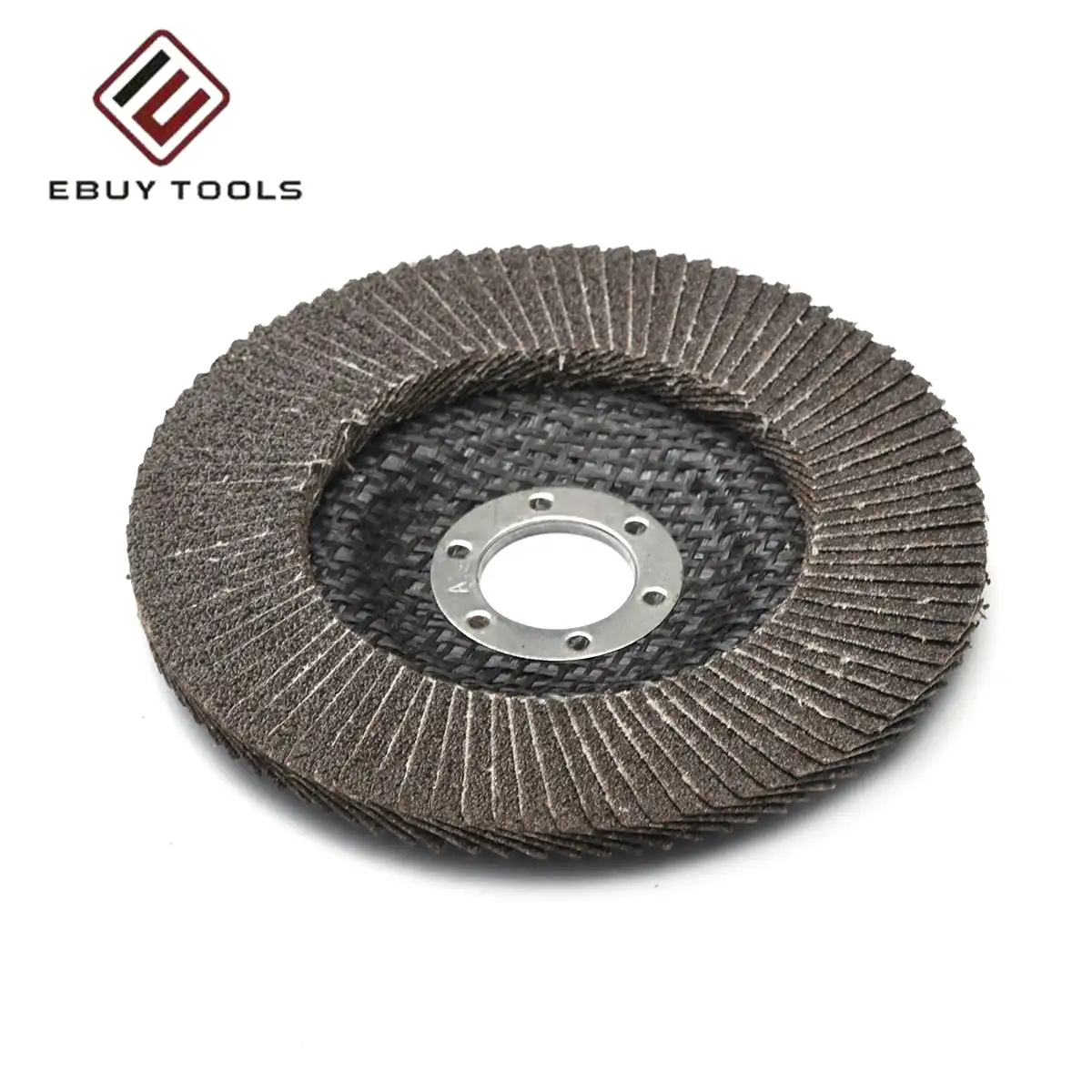
When people who work with metal ask if flap discs can cut metal, the answer is more complicated than it sounds. Instead of cutting like special cutting wheels do, flap discs are great at grinding, mixing, and removing material from metal surfaces. These rough tools have overlapped cloth flaps that are glued to a backing plate in a circular pattern. This lets them cut through thin metal pieces, remove weld beads, and shape metal surfaces roughly. They aren't as strong as cutting discs and won't cut through thick steel plates, but their special design makes them perfect for jobs that need to remove stock and smooth the surface all at the same time.
Understanding Flap Discs and Metal Cutting Capabilities
Abrasive grinding tools are very useful in metalworking because they are built and used in specific ways that make them flexible. Knowing how these flap discs work with various metals helps purchasing managers make smart choices that have a direct effect on how efficiently and cost-effectively products are made.
How Flap Discs Function on Metal Surfaces
Flap discs are different from fixed grinding wheels because they use a layered abrasive method. Each disc has abrasive cloth flaps that overlap and are organized around a center hub that is usually made of fiberglass or strengthened plastic. The rough layers on the outside wear away as you use the tool, revealing new, sharp bits below. A common problem with standard grinding wheels is that they stop working well as they wear down. This self-sharpening system keeps the disc's cutting performance constant over its lifetime.
The rough grains inside each flap break apart when pressure is applied, making new cutting edges. When working with heat-sensitive metals like stainless steel or aircraft alloys, this micro-fracturing process is very important. Our tech team at Danyang Ebuy Tools has come up with three different types of abrasives to make this process run more smoothly. Ceramic alumina grains work well on materials that get very hot when they are ground because they sharpen themselves. When it comes to heavy-duty carbon steel production, zirconia-alumina is much tougher and more resistant to wear than regular aluminum-oxide abrasives. Our aluminum-oxide mixtures work well on metals that aren't as strong and in general upkeep tasks where saving money is important.
Distinguishing Between Cutting and Grinding Operations
Cutting and grinding are terms that are often used interchangeably in the metalworking business, but the difference is important for choosing the right tools. When cutting, thin, rigid wheels are used to cut metal by concentrating force at a small contact point. These special discs are usually between 1 and 3 mm thick and work at high speeds to cut through material with little side-to-side pressure.
On the other hand, grinding removes material by rubbing it against a larger surface area. This group includes flap discs, which work best when placed against the surface at an angle of 10 to 25 degrees. The flexible flap design lets the tool follow the shape of the surface while gradually removing material. They're perfect for weld mixing because they make it easy to smooth out the change from the weld bead to the base metal without leaving any gouges or dips.
Rates of material removal depend a lot on three things: the type of abrasive, the size of the grit, and how the user works. When getting welded joints on structural parts ready, coarse 36–40 grit discs with zirconia-alumina backing can remove a lot of carbon steel. The factory where we make these strong mixtures makes them especially for heavy industrial settings where workers need to level quarter-inch weld beads on I-beams or build pipelines. Finer 80–120 grit choices are better for mixing jobs where the quality of the surface finish is more important than getting rid of stock quickly.
Realistic Performance Expectations
Setting realistic goals keeps you from being let down and helps you match the right tools to the right tasks. When you use rough grit formulations and forceful methods, flap discs can cut through sheet metal up to about 3 mm thick. But trying to cut through thick plate steel will damage the disc quickly and put people in danger. The horizontal forces needed for deep cutting processes are too much for the flexible flap design to handle.
When you need to remove material and prepare the surface at the same time, these tools really shine. Think about a job shop that works on food processing machines made of stainless steel. The fabricator uses TIG to join tank parts together, and then they have to make the weld flush with the material around it while keeping the stainless steel's ability to fight rust. These high-density zirconia-alumina flap discs do the job without making heat-induced oxidation zones that weaken the metal's passivation layer. The flaps that overlap better remove heat than straight wheels, which stops the blue coloring that shows metal damage.
When working with things thicker than 6mm, thickness limits become clear. Trying to grind all the way through a half-inch steel plate is ineffective and loses disc life. Dedicated cutting wheels should be used for the original cutting step, and flap discs should be used for edge preparation and chamfering. This method maximizes the life of the tools and the worker's output while providing the surface finish needed for later welding or finishing processes.
Types of Flap Discs and Selecting the Right One for Metal Cutting
Because there are so many different types of abrasives and grits on the market, they need to be chosen in a planned way. Matching flap discs specifications to application needs has a direct effect on output, consumable costs, and the quality of the final part in ways that add up to a big difference in high-volume production settings.
Grit Size Selection and Performance Trade-offs
There are standard ways to number abrasive grit, with lower numbers meaning coarser bits and higher numbers meaning smaller abrasives. This fairly simple system of groups makes a huge difference in how tools work for different metalworking jobs.
The fastest rate of material removal is at coarse sizes 36 to 40, which makes them perfect for heavy manufacturing work. These strong mixtures quickly remove weld support, grind through mill scale on hot-rolled steel, and round off the edges of thick plate. Large grinding particles leave deep scratches that need to be fixed with finer grits later on when the surface look is important. When working on building frames or bridge parts, structural steel makers often put speed over end quality. This means that coarse grits are the best choice for their work.
For general metalworking tasks, medium grits (60 to 80) offer reasonable efficiency. These setups remove material at a modest rate and make scratch patterns that are fine enough for many industry uses. Contract makers who work with a wide range of clients usually use 60-grit discs as their main grinding tool, only adding rougher or finer choices when needed. This method makes managing inventory easier and meets most output goals well.
Between 80 and 120 fine grits put surface finish ahead of removal rates. These finer versions are used by stainless steel makers who work on food processing equipment or pharmaceutical production systems to blend welds without leaving deep scratches that can hold germs or make cleaning more difficult. The smaller abrasive bits work more slowly, but they make surfaces that are almost as smooth as those made by grinding, which cuts down on the number of steps needed and the total time it takes to make something.
Abrasive Material Selection for Different Metals
What makes abrasive grains work with different types of product materials is based on their chemical make-up and crystal structure. Choosing the right grain sizes increases the life of the disc and improves cutting efficiency, which has a direct effect on the cost of consumables in industrial settings.
Aluminum-oxide is still the least expensive abrasive used in flap discs to grind carbon steel, cast iron, and other soft metals. When the grains are ground under pressure, they break apart in a predictable way, making new cutting edges as the top layers wear away. But aluminum-oxide makes more heat than more modern mixtures, and it wears down faster when working with harder materials. For regular grinding jobs that don't need top-notch performance, maintenance teams and general fabrication shops like how cheap it is.
zirconia-alumina is a big improvement in performance. It makes grains that are tougher and more resistant to heat by mixing aluminum-oxide and zirconium oxide. Higher grinding pressures don't cause the material to break early, which means the disc lasts 30–50% longer in heavy-duty uses than with regular aluminum-oxide. Danyang Ebuy Tools' zirconia-alumina formulations include special grain treatments that make them even tougher. This meets the tough needs of pipeline manufacturing and structural steel building, where workers push tools to their limits.
The best performance is achieved with ceramic-alumina in the toughest situations. These manufactured grains have micro-crystalline structures that break apart in controlled ways, leaving sharp cutting edges all the time. The self-sharpening feature keeps the cutting action constant over the life of the disc, which is especially helpful when working with heat-sensitive materials like titanium, nickel alloys, and stainless steel. Manufacturers of aerospace parts and medical devices that use exotic metals can explain the higher cost by getting higher efficiency and a uniform surface quality that meets strict inspection standards.
Type 27 versus Type 29 Configuration Selection
The shape of the backing plate has a big effect on how the discs touch the workpieces and how the grinding forces are distributed. The two main versions are used for different types of applications, which buying professionals should fully understand.
Type 27 flat discs keep the backing plates straight and the mounted hub in a horizontal position, while the abrasive flaps are placed perpendicular to the axis of movement. Holding this shape at shallow angles of 0 to 15 degrees from the workpiece surface is the best way to make it work. The large contact area spreads out the grinding forces evenly, which makes Type 27 setups perfect for mixing flat surfaces, finishing welds on plates, and other tasks that need to remove material consistently over large areas. When working with thin-gauge sheet metal or close to edges, where control of the tool is important, the shallow working angle lowers the risk of cutting.
The hub of Type 29 circular discs is set back behind the flap surface by slanted backing plates. With this design, workers can work at angles between 15 and 25 degrees steeper and still have good flap touch with the workpiece. The pointed shape focuses the grinding pressure on the disc's outer edge, removing material more quickly and aggressively than Type 27 designs when working on curved surfaces, inside corners, and other jobs that need to get rid of stock quickly. Type 29 discs work best for weld grinding on structural parts in heavy-duty manufacturing settings where speed is more important than perfect surface flatness.
To choose between these options, you need to look at your unique needs. Type 27 flat discs work better for precision sheet metal makers who work on flat panels and need finishes that are the same across big areas. Type 29 conical shapes cut aggressively, which is good for structural steel shops that grind heavy weld beads on complicated systems. A lot of places keep both versions on hand and teach workers how to choose the right geometry for the job.
Safety and Best Practices for Using Flap Discs on Metal
Following the right safety rules and operating methods will keep workers safe and make tools last longer and work better. When you mix metal cutting, high spinning speeds, and abrasive particles, you get a lot of different types of hazards that need to be managed in a planned way. Proper usage of flap discs is essential for maintaining a hazard-free work environment.
Essential Personal Protective Equipment Requirements
When working with flap discs on metal, grinding creates a number of risks that must be fully addressed by personal protection equipment. Eye protection is the most important thing that you need to do because grinding makes streams of sparks, metal particles, and possibly sharp pieces move quickly. Standard safety glasses don't protect well enough; full-coverage safety masks or face shields are needed to block out particles that can damage or blind people permanently.
When grinding makes metal dust or fumes, especially when working with materials that contain dangerous substances, you need to wear respirators. Hexavalent chromium is released when stainless steel is ground. This is a known poison that needs to be protected from breathing in. Our glass fiber backing plates and glue mixtures don't pollute much, but the base metal is still the most important thing. When grinding in small areas or with materials like galvanized steel, workers must wear respirators with the right filter rates for the risks they are exposed to.
Hearing protection is used to deal with the loud noises that are made when metal is ground. Angle grinders usually make between 95 and 105 decibels when they're working, which is a lot louder than the 85-decibel level at which long-term contact starts to hurt your hearing. Giving workers hearing protection and setting limits on the longest periods of contact can help stop the hearing loss that happens over years of working in an industrial setting.
Protective clothing for the hands and body completes the PPE set. Heavy leather gloves keep your hands safe from heat, sparks, and sharp edges while still letting you grip power tools well. When working near spinning machinery, gloves can get caught, so it's important to choose styles that fit well and don't have any loose material that could get caught in moving parts. Sleeves and skirts that are resistant to fire keep clothes and skin safe from the hot metal bits that are common in grinding jobs. This is especially important when working above or in places where spark streams touch the operator's body.
Optimal Grinding Angles and Speed Control
Using the right grinding method has a big effect on both safety and efficiency. Angle grinders that have flap discs should keep their contact angles at the right levels for the disc's shape. Type 27 flat discs work best at angles of 10 to 15 degrees, while Type 29 circular discs work best at angles of 15 to 25 degrees. When you go outside of these areas, you can run into a number of problems. For example, too many angles focus the grinding forces on a few places on the disc edge, which speeds up wear and creates the risk of kickback. On the other hand, not enough angles make cutting less effective and can cause the disc to fill up with metal particles.
To control speed for flap discs, you have to match the tool's RPM to the disc's specs. Our technical specs list the safest speeds for each disc width. For example, 4-inch discs can safely go up to 13,300 RPM, and 7-inch discs can go up to 8,600 RPM. When these limits are crossed, centrifugal forces are created that can destroy the disc completely, sending rough flaps and backing plate pieces flying at dangerous speeds. Variable-speed grinders let you get the best results from a wide range of materials. For example, lower speeds usually work better on soft metals that might get jammed or load up at higher speeds.
Applying too much pressure works against common sense: too much force makes grinding less effective instead of more effective. Heavy pressure leads to a number of issues, such as flaps wearing out too quickly, heat building up in both the tool and the object, and less control for the user, which raises the risk of an accident. The overlapping flap design works best when it is left to cut at the rate it was made to. The best results come from operators who keep the pressure steady and gentle while keeping the tool going smoothly across the work surface. This method makes discs last a lot longer and gives more uniform finishes than rough, high-pressure methods.
Maintenance Practices and Storage Requirements
To keep working conditions safe and extend the life of discs, facilities need to pay attention to upkeep and storage methods that many don't. Before using, check to see if the backing plates aren't cracked, the abrasive flaps are still firmly attached, and the arbor hole fits the fastening hardware without too much movement. Damaged discs should be thrown away right away instead of being used until they fail completely. Trying to get any value out of damaged discs causes too many safety risks.
The way discs are stored has a big effect on how well they work and how long they last. Abrasive materials have organic binders that are sensitive to changes in the environment. When there is too much humidity, glue and fiberglass backing materials become less stiff, which could lead to flaps coming off while they are being used. Extremes of temperature also break down biological materials, with heat speeding up the process and cold making materials more likely to break. Keeping storage areas between 18°C and 22°C and 45°C to 65% relative humidity will protect the discs' structure. Danyang Ebuy Tools has quality control methods that make sure goods leave our facility in perfect shape. However, it is still important for customers to store their tools properly so they keep working well.
Pay close attention to mounting steps to avoid crashes. Before putting in discs, make sure that metal bits don't get stuck in the fitting flanges and arbor threads. Tighten the mounting nuts firmly, but don't torque them too much, as this can damage the backing plates or crack the mounting hubs. Run newly mounted discs at full speed for 30 seconds while pointing them away from people and equipment. This way, any flaws in the production process can show up in a controlled environment instead of while the discs are being used.
Conclusion
Before you can answer the question of whether flap discs can cut metal, you need to know that these flexible abrasive tools are best at grinding, mixing, and removing material, not cutting. Their special overlapped flap design makes sure that they always have sharp, abrasive sides that work the same way throughout their service life. Having a single tool that can both remove stock and finish well cuts down on the number of steps needed, the cost of consumables, and the time it takes to train operators for a wide range of metalworking tasks. It is important for industrial operations to make smart purchasing choices so that they choose the right grit sizes, abrasive materials, and backing configurations for the metals they are working on and the finish they need.
FAQ
Can flap discs completely cut through thick metal plates?
Like special cutting wheels, flap discs aren't made to cut through thick metal plates. Under rough conditions, they can grind through thin sheet metal up to about 3 mm thick. But if you try to cut through thick plate steel, the disc will break quickly and pose a safety risk. The concentrated horizontal forces needed for deep cutting operations are too much for the flexible flap design to handle. For better results, use special cutting wheels for the first cut and then switch to flap discs for edge preparation, chamfering, and sur
How do I choose between Type 27 and Type 29 configurations?
Type 27 flat discs work better for precision sheet metal makers who work on flat panels and need finishes that are the same across big areas. Type 29 conical shapes cut aggressively, which is good for structural steel shops that grind heavy weld beads on complicated systems. A lot of places keep both versions on hand and teach workers how to choose the right geometry for the job.
Why does my flap disc stop cutting effectively before the flaps wear down?
This glazing phenomenon occurs when abrasive grains dull without fracturing to expose fresh cutting edges, typically caused by insufficient grinding pressure or using incompatible abrasive types for the metal being worked. Stainless steel requires ceramic or zirconia-alumina grains; aluminum-oxide formulations glaze quickly on harder metals. Applying adequate pressure initiates the micro-fracturing process that maintains sharp cutting edges. Additionally, working at improper angles or speeds can cause premature dulling. Verify that tool RPM matches disc specifications and maintain appropriate contact angles for your disc configuration.
Partner with Ebuy Tools for Superior Flap Disc Solutions
Danyang Ebuy Tools manufactures high-performance flap discs engineered specifically for demanding metalworking environments. Our 77,000 square meter facility combines advanced manufacturing technology with rigorous quality control, producing approximately 150,000 cutting tools daily to ensure reliable supply for your operations. The zirconia-alumina materials in our formulations deliver exceptional toughness and wear resistance, extending service life substantially beyond standard aluminum-oxide alternatives. Our glass fiber backing plates effectively absorb vibration while maintaining structural integrity under high-speed grinding conditions, reducing operator fatigue during extended production runs. Whether you need aggressive stock removal for heavy fabrication or precision finishing for aerospace components, our technical team will specify optimal grit sizes and abrasive types matched to your specific metals and surface finish requirements. As a leading flap disc manufacturer, we offer customization capabilities including private labeling and specialized formulations when order volumes support development investment. Contact our team at [email protected] to discuss your metalworking challenges and discover how our engineered abrasive solutions can enhance your productivity while reducing total grinding costs.
References
Marinescu, I.D., Rowe, W.B., Dimitrov, B., & Inasaki, I. (2013). Tribology of Abrasive Machining Processes, 2nd Edition. William Andrew Publishing.
Malkin, S., & Guo, C. (2008). Grinding Technology: Theory and Applications of Machining with Abrasives, 2nd Edition. Industrial Press Inc.
Society of Manufacturing Engineers. (2015). Fundamentals of Tool Design, 6th Edition. SME Publishing.
American National Standards Institute. (2019). ANSI B7.1 Safety Requirements for the Use, Care, and Protection of Abrasive Wheels. American National Standards Institute.
Klocke, F., & König, W. (2005). Fertigungsverfahren 2: Schleifen, Honen, Läppen (Manufacturing Processes 2: Grinding, Honing, Lapping), 4th Edition. Springer-Verlag.
Unified Abrasives Manufacturers' Association. (2017). Coated Abrasives: Modern Tool of Industry, Technical Reference Manual. UAMA Publications.