.webp)

Choosing the right diamond saw blade can make a huge difference in how well it cuts and how well the finished product turns out in precision industrial settings. A diamond saw blade has an industrial-grade diamond section joined to the edge of a steel core. It is made to cut through hard materials like metal alloys, concrete, granite, and ceramics. There are three main types: Continuous Rim, Segmented, and Turbo. Each one meets a different set of operating needs, such as chip-free finishes or forceful material removal. By learning about the changes in their structures, how they are used, and how to maintain them, procurement teams can cut down on downtime, make tools last longer, and get the best cost-per-cut numbers in tough production situations.
Understanding Diamond Saw Blades: Basics and Benefits
The extreme sharpness of industrial diamonds is used by diamond saw blades to cut materials much more efficiently than regular grinding wheels. The steel core gives the structure strength and makes sure that the arbor works with it. The cutting is done by diamond particles inserted in a metal matrix. Because of how they were made, these blades stay sharp for a lot longer than regular abrasives. This means that tools don't have to be changed as often in production lines that make a lot of things.
Why Diamond Blades Outperform Traditional Abrasives?
Diamonds are the hardest known material (a score of 10 on the Mohs scale), which is why they last longer. Abrasive wheels wear out quickly and make too much heat when they are used to cut hard materials like porcelain tiles or reinforced concrete. Diamond saw blades keep cutting at the same speed for their whole life, which means that production processes can plan for predictable cycle times. Automotive part makers need this stability because they work with tight tolerances and can't afford physical changes that come from tools wearing down.
Core Benefits Across Industrial Applications
Diamond cutting tools have real benefits in a number of areas of work. Longer tool lives mean that fewer blade changes are needed during each shift, which means that machines are down less often. Precision cutting makes it possible to get better surface finishes and tighter tolerances, which means that extra finishing processes are often not needed. Heat absorption properties keep workpieces from getting damaged by heat. This is especially important when cutting materials that are sensitive to heat. These benefits get even better in places with a lot of work, where even small improvements in speed save a lot of money over the course of a year's worth of production.
Essential Maintenance Guidelines
When blades are handled properly, they last a lot longer. Keep blades in protected sleeves to keep the rim from getting damaged by hits. Diamond segments should be cleaned often to get rid of cutting dirt that builds up and can cause glazing. Before installing, check the blades for cracks or damaged segments that could cause them to fail catastrophically during operation. Change how blades are used to make sure that all of your tools wear out at the same rate. These maintenance steps will protect your investment and keep the cutting performance steady over long output times.
The 3 Types of Diamond Saw Blades and Their Procurement Relevance
Different rim shapes and bonding methods are used in each diamond saw blade design to solve different cutting problems. When buying teams understand these differences, they can match blade specs exactly to production needs. This cuts out the expensive trial-and-error process that slows down production ramp-up.
Continuous Rim Diamond Saw Blades
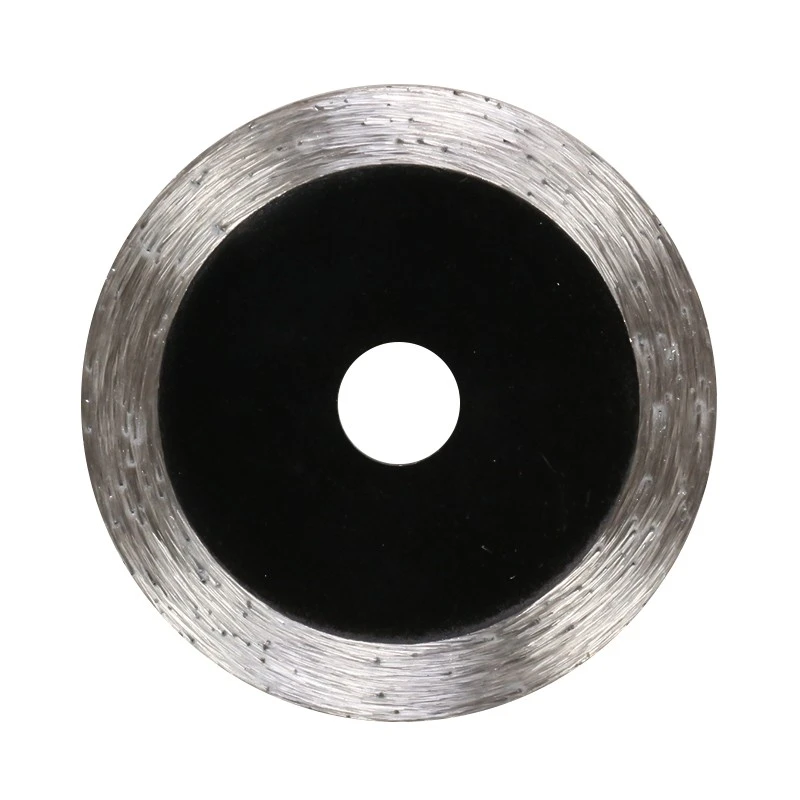
A continuous diamond saw blade has a solid, continuous edge made of diamond-filled metal pieces that are bonded straight onto a core made of high-tensile steel. Unlike segmentation designs, this continuous rim doesn't have any gullets or expansion holes, so it needs liquid coolant to keep the heat from building up while it's in use. The complete rim stays in contact with the workpiece the whole time, which reduces the impact vibrations that break down weak materials.
Edge spalling in high-value aesthetic uses is a major problem in the business that this design solves. When cutting porcelain tiles, glass, or polished ceramics, even small chips waste expensive materials and take more work to finish. The continuous rim spreads the cutting forces evenly across the whole contact area, leaving a smooth, chip-free finish. This feature is very important for companies that make tiles and stones, since the quality of the surface has a direct effect on the value of the finished product.
When finish quality is more important than cutting speed, procurement teams should ask for constant rim dry diamond disc. The blade needs to be used in wet situations, which means that buildings must have good coolant systems. Picking the right bond strength is very important. Softer bonds work best on hard materials because they wear away to reveal new diamonds, while harder bonds work better on rough materials because they naturally wear away the bond. Understanding the diamond concentration specs can help you balance the original cost with the expected blade life for the cutting tasks you need to do.
Turbo Diamond Saw Blades
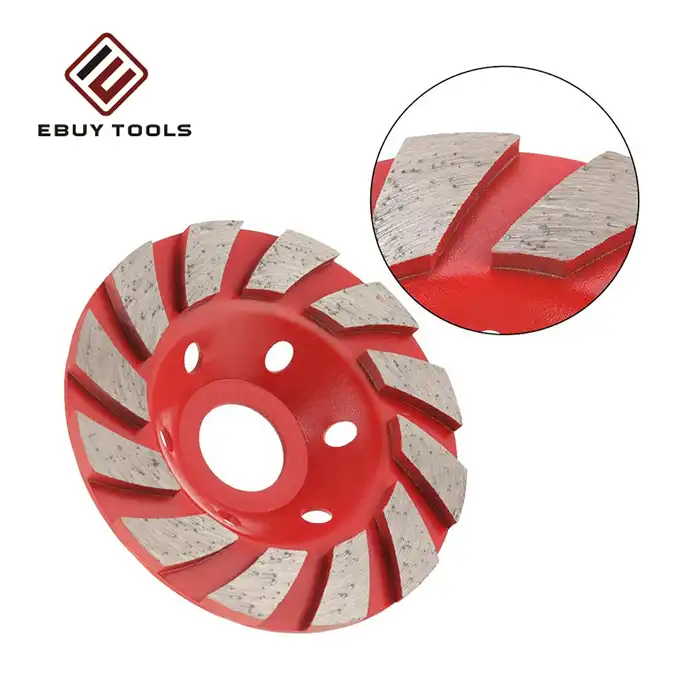
A turbo diamond saw blade has a hybrid rim design, which means it has a continuous rim with castellated edges and efficient channels built into the diamond segments. These tubes work as cooling fans and sludge removers, which solves the problem of having to choose between efficiency and effectiveness that comes up with other designs. Standard continuous rims cut smoothly but slowly and can get too hot, while split blades cut quickly but often chip the material. The turbo design makes the structure stable so that it can cut at high speeds while still giving a good finish on materials like granite, brick, and building materials.
Better airflow design in the engineered ducts prevents heat buildup and often gets rid of the need for steady water feeds in many situations. Because of this, turbo blades are very useful for job shops and contract makers who cut a lot of different materials during work shifts. The blade can switch between wet and dry cutting modes based on the material and the equipment that is available. This means that you don't have to keep separate blades on hand for each cutting situation.
The features of rapid blades are very helpful for people who work with stone. When cutting granite countertops or artistic stone elements, the blade maintains clean lines that are needed for high-end installs while delivering high throughput. When speed and quality of finish are combined, total fabrication time is cut while secondary finishing processes are eliminated. When writing down your procurement specs, you should think about the rim width and diamond mesh size based on the hardest materials in your production mix.
Brazing Diamond Saw Blades
Brazing diamond saw blades are made with advanced vacuum brazing technology that creates a strong chemical-metallurgical link between synthetic diamond grits, an active filling metal (usually Ni-Cr-B alloy), and the steel core. In standard sintered blades, diamonds are physically embedded in metal powder matrices. In electroplated blades, diamonds are stuck on by weak physical adhesion. But brazing exposes diamonds to heights of 70 to 80% of particle diameter. This three-dimensional structure stops the diamond from pulling out too soon when cutting hard materials. It also stops the glazing effect that happens in sintered bonds during low-abrasion cuts and makes violent dry cutting more efficient by reducing friction and heat production.
The brazing technology solves important problems in the creation of aerospace parts and precise molds. Normal blades lose diamonds very quickly when working with titanium alloys or sharpened tool steels because they are under so much mechanical stress. Blades that are brazed together keep their diamonds even in these tough conditions, so they keep cutting well for the whole life of the blade. The strong mechanical bond lets higher feed rates happen without the risk of diamonds coming loose, which directly boosts production output.
When buying things made of superalloys or hybrid materials, procurement teams should carefully look at brazed blade technology. Even though the original cost is higher than for regular sintered blades, the total cost of ownership is often lower because the blades last longer and cut more efficiently. The blades work great for dry cutting, which means that you don't have to use as much water and do as much upkeep. Specification factors include the active filler makeup to make sure the material will work with the diamond grit size and to find the best balance between cutting speed and surface finish needs.
How to Use Diamond Saw Blades for Optimal Performance?
Correctly using diamond saw blades has a direct effect on how well they cut, how long the tool lasts, and the quality of the object. By following systematic operating rules, you can stop common failure modes and get the most out of your blade investment.
Equipment Selection and Cutting Mode Decisions
Matching the specs of the diamond saw blade to the powers of the saw is the key to good cutting. Check that the machine's speed ranges allow for the blade's suggested peripheral speed, which for hard ceramics is usually 30 to 40 meters per second. This is equal to about 2,800 to 3,800 RPM for a 250mm blade. When you operate outside of these limits, either the cutting action isn't strong enough or too much heat is produced, which weakens the bond.
Choosing between wet and dry cutting has a big impact on how well and how long a blade works. Wet cutting uses a steady flow of water to wash away heat and cutting waste, which makes the cuts cleaner and extends the life of the blade. This method works well in production settings with good cooling systems and waste water control. Cutting without water makes the process easier and more portable, but it also makes more heat, so the blade needs to spin freely every minute for a few minutes to get rid of the heat. Because their cooling systems are better, turbo and brazed blades are better at dry cutting than continuous rim types.
Operational Best Practices
When blades are mounted correctly, they don't wobble or vibrate, which can lead to earlier wear and bad cut quality. Before installing, clean the spindle arbor and blade bore very well to get rid of any dirt that could cause them to be out of line. Tighten the arbor nut well, but don't use too much force, as that can bend the blade core. Use a number indicator to check for run-out. If there is too much variation, it means that the bearings need to be serviced.
Managing speed has a direct effect on how well cutting works. Wait until the blade is moving at full speed before touching the cloth. Let the diamonds do the cutting by gradually feeding the piece of work into the machine without pushing the cut. When the feed pressure is too high, the blade gets too hot, which can lead to section delamination. Listen for changes in the sound of the blade cutting. If the pitch goes up, it means that the blade isn't cutting as well and needs to be dressed or replaced. Keep an eye on the wear patterns of the segments on a daily basis to find alignment problems early, before they hurt the quality of the cut or put people in danger.
Troubleshooting Common Issues
When the metal link gets too hard and doesn't wear away, exposing new diamonds, this is called blade glaze. When this happens, the blade spins without cutting, which often makes sparks. To get rid of glaze, make several cuts with the blade into rough objects like aluminum oxide dressing sticks or concrete blocks. By mechanically removing the covered bond layer, sharp diamond bits are once again seen.
Even when the right blade types are used, edge loss usually means that there are problems with the machine or how it is being used. Check to see if the spindle bearings are worn out and causing too much shaking. Make sure there is enough coolant flow when cutting things that are wet. Not enough water lets trash build up and pushes material against the edge of the surface. Slow down the feed rate so that the chips can get out properly. Make sure the diamond mesh size fits the material—any type of blade will chip delicate materials if you use large mesh on them.
Maintenance Protocols
Regular cleaning greatly increases the useful life of dry diamond disc. After each shift, use a metal brush to clean the diamond pieces and get rid of any material residue that has built up. Check for cracks or weakening in the segments that mean failure is coming. Keep blades vertically in racks that keep them safe from water and high temperatures. Set up plans for rotating blades to make sure that all of your tools get the same amount of wear. Write down blade performance measures, such as the amount of material cut and the total amount of time spent cutting, so that replacement plans are based on real wear patterns instead of making them up on the spot.
Choosing the Right Diamond Saw Blade: Procurement Decision Framework
When choosing a strategic diamond saw blade, you need to carefully consider the cutting needs, material qualities, and operating limitations. This organized method avoids expensive design mistakes and raises the overall cost of ownership.
Defining Cutting Requirements
Start by making a list of all the materials that need to be cut, making notes about their hardness, abrasiveness, and brittleness. Write down the end quality requirements—applications that need smooth edges need continuous rim blades, even though they cut more slowly. Figure out the production amount to see if the longer blade life is worth the higher price. Even though it costs more at first, brazed technology is better for high-volume operations. On the other hand, job shops that do a variety of low-volume work may prefer flexible turbo designs.
Interpreting Critical Specifications
The quantity of diamonds has a direct effect on how well something works. Higher amounts make cuts easier and last longer, but they need more spinning power. Lower amounts cut softer materials faster, but the result isn't as good. The hardness of the bond needs to fit the features of the material. For example, hard bonds work best with rough materials that wear away the matrix naturally, while soft bonds work better with hard materials because they show off the diamonds through bond wear. The segment height decides how much can be cut before the blade wears out, which affects how often it needs to be replaced in settings with continuous production.
Cost-Performance Analysis
Look at the total cost of ownership instead of just the price of the item. To find the cost-per-cut, divide the price of the blade by how long you think it will last in straight cutting meters. As part of the costs, you should think about how much coolant is used, how long the machine has to be shut down for blade changes, and any extra finishing work that needs to be done because of the quality of the cut. When you buy in bulk, you can often get big discounts on unit costs and make sure that the blades are the same size and shape throughout all production runs. Set up relationships with vendors that allow exchange inventory programs that keep capital from being locked up in blade stock while still making sure that products are available right away.
Vendor Evaluation Criteria
Give more weight to makers who have clear quality processes and industry certifications. Check out the technical support options—responsive engineering help during design development can save you a lot of money on trial times. Look over the guarantee terms and how defective goods will be replaced. When running a high-volume business where blade stockouts stop production, you should think about how reliable your supply chain is. Before you commit to buying a lot of blades, ask for sample blades to be tested for approval in real production settings. This step of testing finds possible problems before they delay production.
Conclusion
In precise manufacturing settings, matching the right type of diamond saw blade to the right cutting job improves both operating efficiency and cost management. For aesthetic purposes, continuous rim blades give you smooth, chip-free ends. Turbo designs balance speed and quality for a wide range of production needs. And brazed technology gives you the diamond durability you need for tough cutting conditions. To use blades effectively, you need to make sure that the right tools are matched with the right tasks, follow clear instructions, and do regular repair. When purchasing teams look at the total costs of ownership instead of just the original price, they gain long-term competitive benefits through lower downtime and consistent product quality across all production volumes.
FAQ
Can continuous rim blades handle dry cutting conditions?
When dry cutting, continuous rim diamond saw blades don't have the expansion holes that are needed to get rid of heat successfully. When you use these blades without cooling, they get too hot very quickly, which bends the steel core and ruins the diamond bond, resulting in a catastrophic failure. When using continuous rim blades, always cut while wet and with enough water flow to keep the blades in good shape and improve their cutting performance.
What causes diamond blades to stop cutting effectively?
Blade glazing occurs when the metal link strengthens and stops new diamonds from being exposed, this is called blade glazing. Most of the time, this happens when the bond is too thick for the material being cut. To get rid of the hardened layer, dress the blade by running it several times through rough objects such as concrete or aluminum oxide sticks. Not enough feed pressure can also lead to glazing because the bond doesn't wear down at the right rate.
How does diamond concentration affect operational costs?
Higher diamond content means that the blade will last longer and end more smoothly, but it also means that you will need more powerful cutting tools and have to pay more for the blade itself. Blades with less focus wear out faster but cut through soft materials faster. Take into account both the amount of production and the concentration level. High-volume operations can benefit from higher concentration levels, even if they cost more up front. On the other hand, diverse job shops may want lower concentration levels for more operating freedom.
Partner with Ebuy Tools for Your Diamond Saw Blade Requirements
If you compare your present diamond saw blade inventory to the performance traits listed above, you'll find big ways to save money and work more efficiently. At Danyang Ebuy Tools, we make high-quality diamond saw blades that are designed to work in tough industrial settings. Our 77,000-square-meter factory makes about 150,000 diamond saw blade units every day, so we can reliably meet the needs of high-volume output. Our specialized research and development (R&D) team comes up with cutting solutions that are perfect for your material problems and operating limitations. Our technical team can help you choose the best blades for your needs, whether you need continuous rim precision for making ceramics, turbo flexibility for making stone materials, or brazed technology for making aerospace parts. You can talk to our engineering experts about your needs by emailing [email protected]. You can also ask for sample blades for qualification testing or look into bulk buying programs that can lower your overall tooling costs. As a well-known company that makes diamond saw blades for the precision machining, automobile, aircraft, and mold industries around the world, we can give your business the quality, capacity, and expert support it needs.
References
Jackson, M. R. (2018). Diamond Tool Technology: Fundamentals and Applications in Precision Manufacturing. Industrial Press Inc.
Chen, W. & Liu, S. (2020). "Comparative Analysis of Sintered, Brazed, and Electroplated Diamond Tools for Hard Material Machining," Journal of Manufacturing Processes, Vol. 54, pp. 289-301.
Stevens, R. (2019). Superabrasive Grinding and Cutting: Theory, Practice, and Economics. Society of Manufacturing Engineers.
Marinescu, I. D., Rowe, W. B., Dimitrov, B., & Ohmori, H. (2021). Tribology of Abrasive Machining Processes (3rd ed.). William Andrew Publishing.
Kumar, A. & Singh, R. (2022). "Performance Optimization of Diamond Saw Blades in Stone Processing: A Comprehensive Review," International Journal of Advanced Manufacturing Technology, Vol. 118, pp. 2145-2167.
Weber, T. (2017). Diamond Tool Manufacturing Handbook: From Raw Materials to Finished Products. Technical University Press.